
Review · INDONESIA
3d/2n trekking mount rinjani summit lake & hot springs
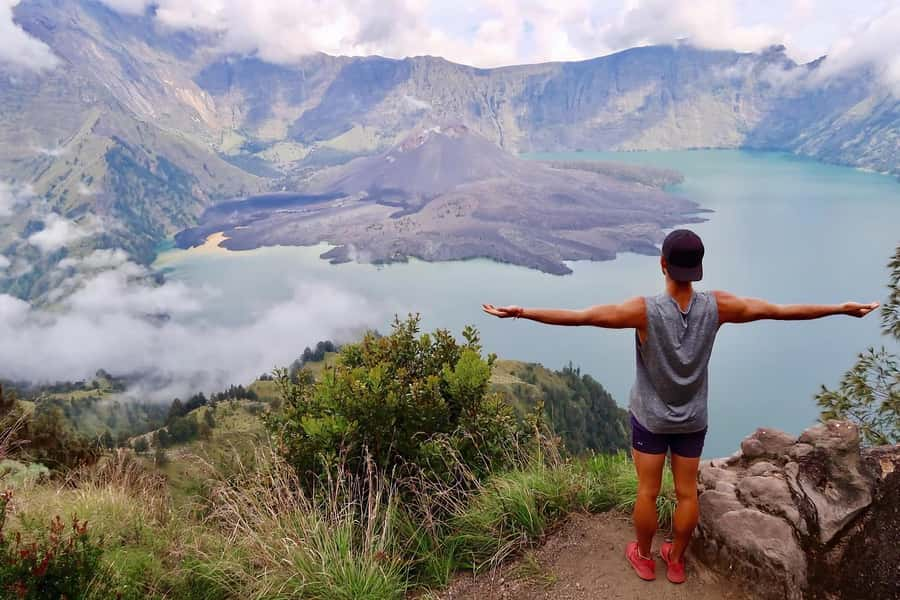
Mount Rinjani saves its biggest rewards for hikers willing to work for them: a sunrise from the 3,726-meter summit, a crater lake below, and hot springs tucked beside Segara Anak. The three-day route crosses nearly every side of the volcano, starting across Sembalun’s open grasslands and finishing through Senaru’s thick tropical forest.
I like the way this trip combines several very different scenes in one trek. You get the wide savanna views from Sembalun, then the striking lake and volcanic cone inside the crater. I also like that the price includes guides, porters, camping equipment, meals, water, and transport, though you still need to budget for the national park fee and bring serious cold-weather gear.
The catch is simple: this is a hard trek, especially on day two. The summit climb begins around 3 a.m., followed by a descent to the lake, a climb out of the crater, and another camp. Some fit hikers have found the schedule too demanding, and damaged sections of trail can make the route risky after dark.
Key points to know before you book
- Summit sunrise starts at about 3 a.m. Expect three hours of steep, tiring climbing before reaching the top.
- The Sembalun to Senaru route crosses the volcano, with open grasslands on day one and forest on the final descent.
- Segara Anak Lake and the hot springs come after the summit, not before, making day two the toughest part of the trek.
- Porters carry camping and cooking gear, while your guide leads the group and manages the route.
- Cold-weather clothing matters, including gloves, a hat, warm layers, long pants, and a jacket.
- The $154 price covers most trail basics, but the national park fee of IDR 250,000 per person per day is extra.
Why the three-day Rinjani route is so demanding
This is Mount Rinjani’s most ambitious popular itinerary. Rather than walking up and returning by the same trail, you cross the mountain from the Sembalun side to Senaru. That gives you more scenery, but it also adds a punishing amount of climbing and descending.
The outline sounds neat on paper: crater rim, summit, lake, hot springs, second crater rim, then forest descent. In practice, the second day links several major sections into one long push. After the summit, you return to camp, eat, descend into the crater, walk to the lake, climb out again, and reach Senaru Crater Rim for dinner and another night outdoors.
That rhythm suits you if you want a full mountain adventure rather than a short summit hike. It is a poor choice if you prefer a relaxed walking holiday or dislike moving for many hours on rough ground.
The route has also had damaged sections after an earthquake. One reported problem involved a hiker without proper hiking shoes, which slowed the group and led to movement across a dangerous section at night after the hot springs. That is useful warning, not a minor footnote. Good hiking shoes are essential, and delaying the group can affect everyone’s safety.
More Hot Spring Hiking Tours in Indonesia
- Bali: Mount Batur Sunrise Guided Hike and Natural Hot Spring
★ 4.8 · 9,284 reviews - Mount Batur Sunrise Hike and Natural Hot Spring Option
★ 5.0 · 1,927 reviews - Private Tour Mount Batur Sunrise Trekking and Natural Hot Spring
★ 5.0 · 431 reviews
Day one: Sembalun’s grasslands to the crater rim
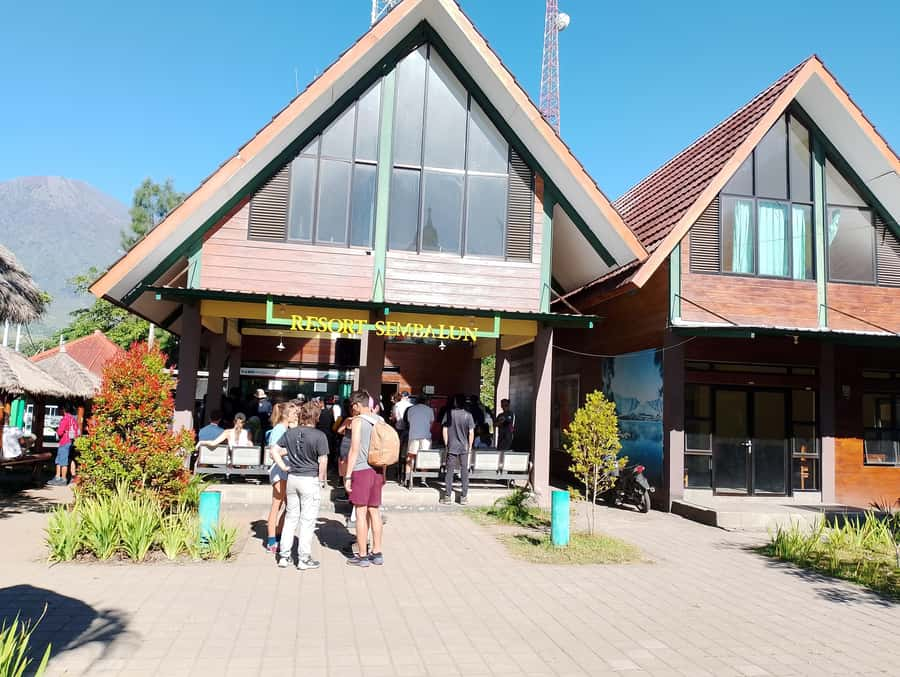
If you stay in Sembalun, pickup is scheduled for about 8:30 a.m. If you stay in Senaru, pickup is around 7 a.m., followed by a 4WD transfer to Sembalun. You register at the Rinjani Trek Centre before setting off at roughly 1,156 meters.
The first part of the trail crosses open grassland. This is the gentler-looking side of Rinjani, with broad views and plenty of sky. You pass Pos 1 and Pos 2, stopping for rests and snacks, then reach Pos 3 at about 1,800 meters for a longer lunch break.
After lunch, the mood changes. The trail climbs sharply toward Sembalun Crater Rim at 2,639 meters. The open route offers little cover, so sun protection matters during the day. A hat, sunglasses, sunscreen, and enough water should be easy to reach in your daypack.
Camp at the crater rim is the reward for the afternoon climb. From here, you can see Segara Anak Lake, the summit, and the broad northern part of Lombok. Sunset is one of the strongest moments of the trip, though cloud and weather can affect the view.
The package includes a tent, mattress, sleeping bag, toilet tent, toilet paper, and cooking equipment carried by the porters. Do not expect hotel comfort. You are sleeping high on a volcanic rim, and the night can be cold enough that you may keep your warm clothing on inside the sleeping bag.
Day two: summit sunrise, crater lake, and hot springs
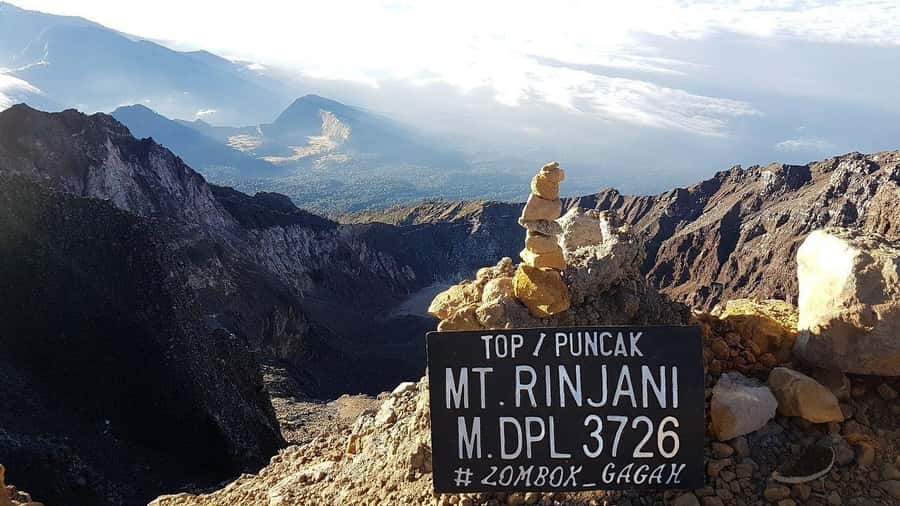
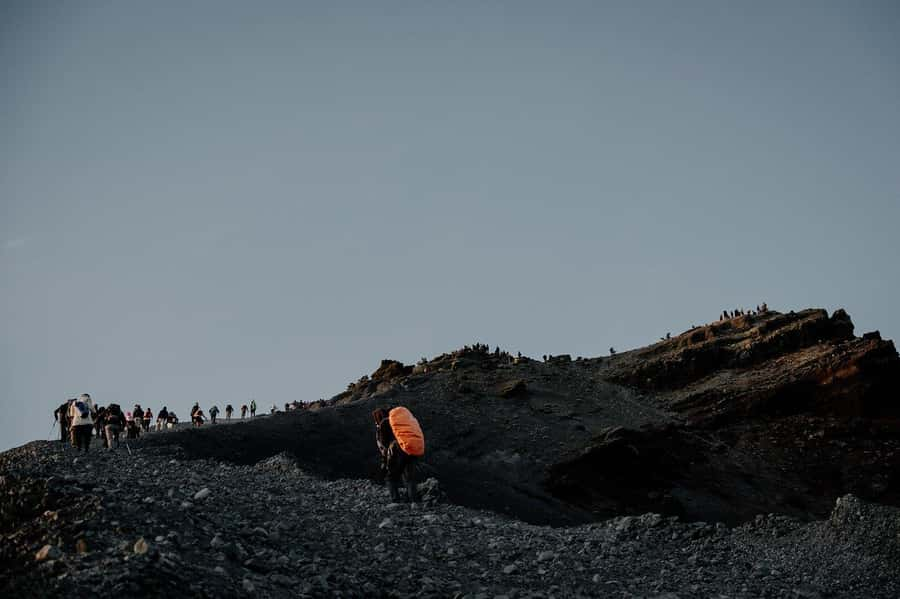
The alarm comes at about 3 a.m. You eat a light breakfast and begin the climb to the summit. The three-hour ascent is steep and tiring, with volcanic ground that makes each step feel slow. The goal is to reach 3,726 meters in time for sunrise.
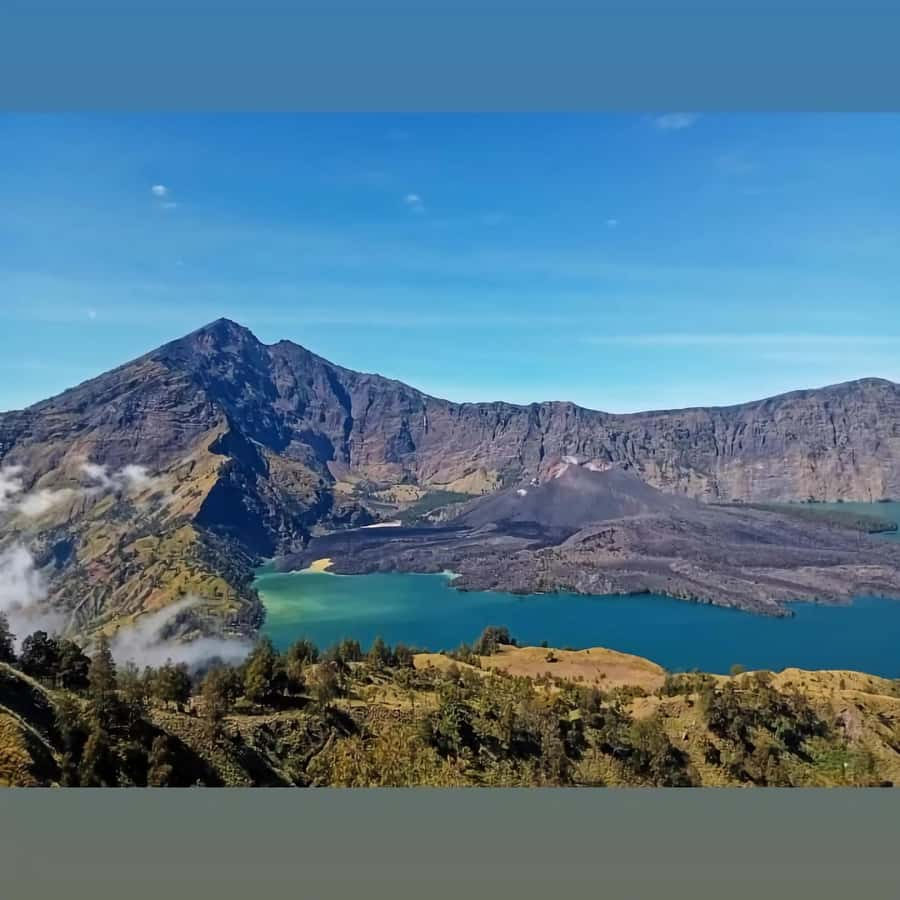
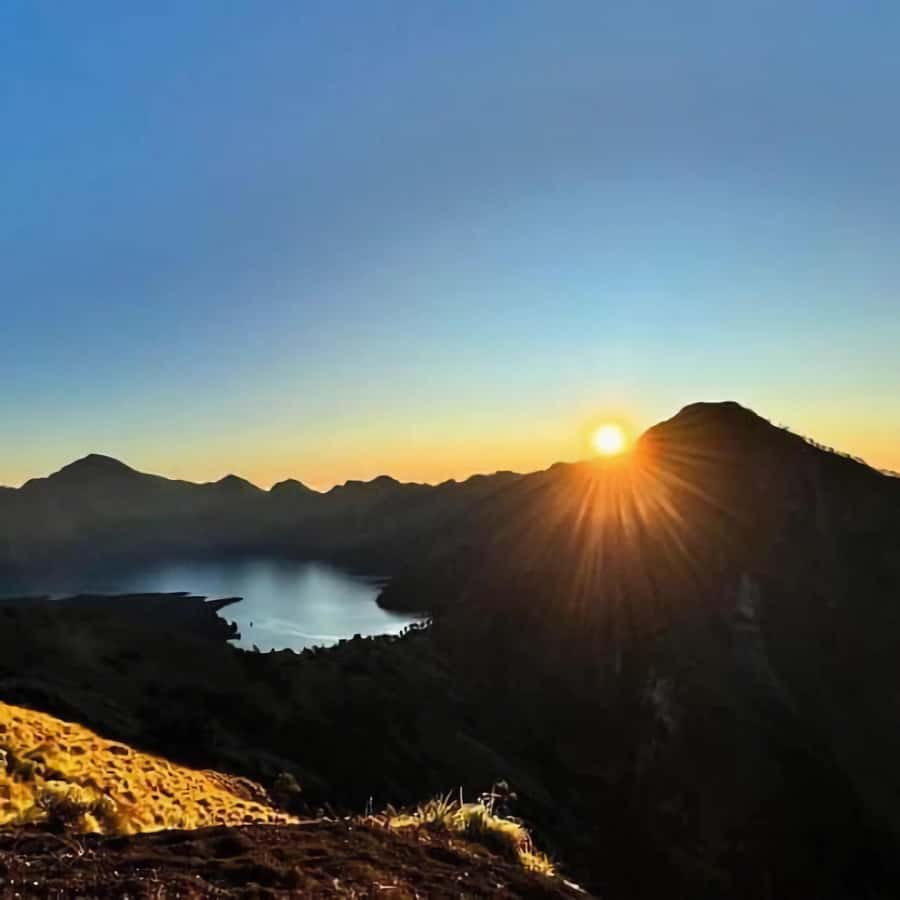
At the top, the payoff is a wide view over Lombok, the crater, Segara Anak Lake, and, when conditions allow, Mount Agung in Bali and the Gili Islands. Sunrise is the reason many people accept the early start and hard climb. Keep your gloves, jacket, and hat close. The summit can feel very cold before the sun rises.
You then descend to the first campsite for a hot breakfast and a rest. This pause matters, but it does not turn day two into an easy day. You still need to drop into the crater and reach the lakeshore at around 2,000 meters.
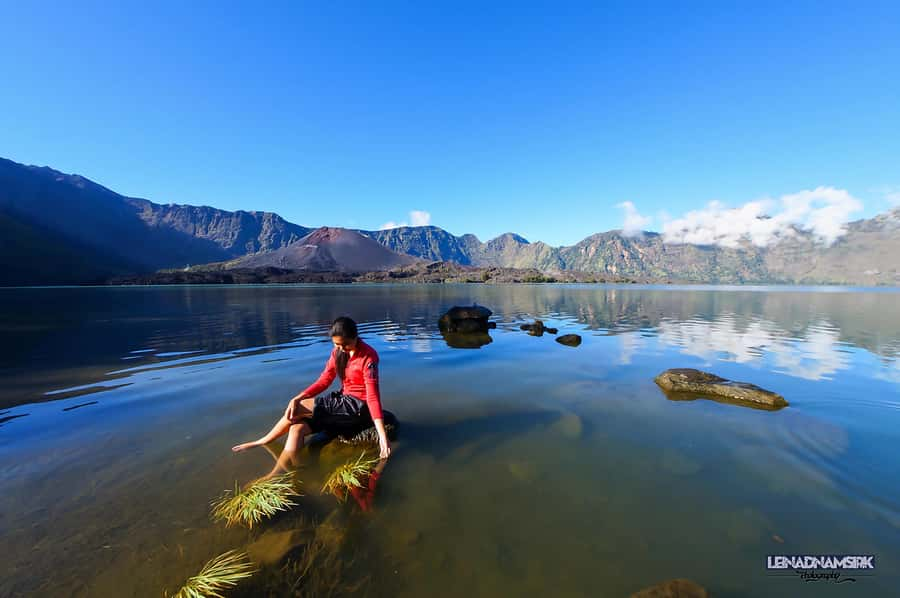
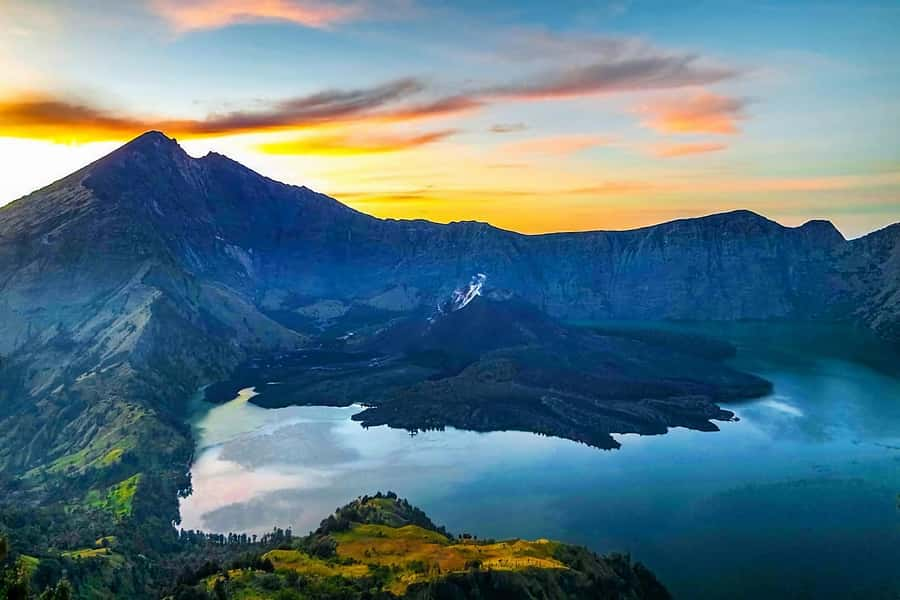
Segara Anak is one of the most memorable parts of the route. The lake fills the old volcanic crater, and Gunung Baru, a smaller volcanic cone, rises within it. After lunch beside the water, you can spend a few minutes in the nearby hot springs. It is a welcome break for tired legs, but do not mistake it for a long spa visit. The schedule still has a difficult climb ahead.
The trail then follows the lakeshore before rising toward Senaru Crater Rim. This section is steep and rocky, with dense forest in places. It is also the part most likely to feel overwhelming after the summit attempt and descent to the lake.
You camp at Senaru Crater Rim at about 2,641 meters. From here, you can look back toward the summit and lake. The view can include Mount Agung in Bali and the Gili Islands, giving you a sense of how far you have crossed.
The day can involve seven hours or more of walking after the summit, depending on pace and conditions. One group found the schedule too exhausting and stopped short of the full plan. That is not a sign of failure. The itinerary asks a lot from your legs, balance, and stamina in a single day.
Day three: five hours down through Senaru forest
After breakfast, you begin the descent toward Senaru at about 601 meters. The route passes Pos 3, Pos 2, and Pos 1, with breaks along the way and a longer pause for lunch.
The forest grows thicker and more humid as you lose height. Compared with Sembalun’s exposed grasslands, this section feels shaded and enclosed. It is also kinder to you in one important way: the direction is downhill, even though tired knees and sore feet can make the final hours feel long.
Arrival in Senaru is expected at about 1 p.m. From there, the included transfer can take you toward Senggigi, Bangsal Port, or Mataram. That onward transport adds useful value if you are connecting to a beach stay, a boat departure, or a hotel in the main tourism areas.
The final descent can take four to six hours depending on pace. Plan your next activity conservatively. You may reach Senaru around the stated time, but a demanding mountain trek does not always finish on a precise schedule.
Same steam, a different pool:
- Bali/Mount Batur: Private Sunrise Jeep Tour & Hot Spring
★ 4.8 · 3,528 reviews - From Ubud: Mount Batur Shared Jeep Sunrise & Hot Spring Tour
★ 4.8 · 1,842 reviews - Mount Batur Sunrise Jeep Tour with Optional Activities
★ 5.0 · 1,555 reviews - Bali: Shared Mount Batur Jeep Sunrise with Hot Springs
★ 4.9 · 1,332 reviews
What the $154 price really covers
At $154 per person, this trip includes a large amount of practical support. You receive hotel pickup in Senaru or Sembalun, an English-speaking guide, professional porters, meals, drinking water, camping gear, a trekking pole, a headlamp or hand torch, and transport after the trek.
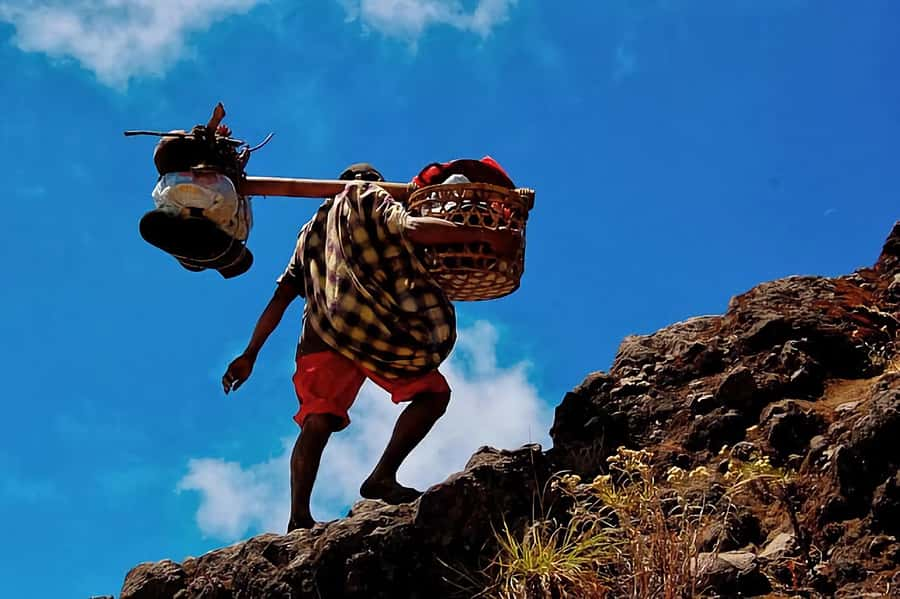
The porters carry cooking gear and camping equipment, which makes a real difference. You still carry your personal clothing, camera, water, and other essentials, but you are not hauling the entire camp up the volcano.
Meals are included throughout the trek. The stated package includes two lunches, three dinners, and two breakfasts, along with food prepared on the route. The cooking has been described as surprisingly good for mountain conditions, with fried rice, curry, noodles, pancakes, vegetables, and fresh fruit. That kind of food matters when you are facing a long climb.
The park fee is not included. Budget IDR 250,000 per person per day for the national park entrance charge. Over three days, that can add IDR 750,000 per person if charged for every trekking day, so confirm the exact amount before departure.
Rain protection is also extra. Trekking shoes are not supplied, and neither is a raincoat. Those are not optional purchases for this route. Pack proper hiking shoes with good grip, a raincoat, warm layers, and a headlamp even though a light is listed as included.
Guides, porters, and group size
The experience is available as a private trek or in a small group. The exact group arrangement matters because pace differences become very noticeable on day two. One group of 12 hikers had two guides and five porters, with guide Agus singled out for caring for people during difficult stretches.
A good guide can help you judge when to rest, how to manage the summit attempt, and when a section is unsafe. Porters also do more than carry gear. They prepare meals, set up camp, and help make the basic mountain routine possible.
Still, a guide cannot remove the physical challenge. You need to be able to walk for long hours, climb steep volcanic trails, and cope with early starts. The minimum age rule only says the trek is not suitable for children under four. It does not mean the route is suitable for every older child or adult.
What to pack for cold nights and rough trail
Your packing list should focus on warmth, grip, and easy access. The most useful items include:
- Hiking shoes with solid traction
- Warm jacket and thermal layers
- Gloves and a hat
- Long hiking pants
- Raincoat
- Sunglasses and sunscreen
- Headlamp or flashlight
- Towel and sandals for the hot springs
- Water bottle and cash
- Camera, power bank, and optional binoculars
The cold-weather advice deserves extra emphasis. One hiker used thermal trousers and shirts, a padded jacket, gloves, and a hat, and slept fully dressed inside the sleeping bag. That gives you a realistic idea of the conditions at altitude.
Use the trekking pole on steep and loose sections. Keep your flashlight handy for the pre-dawn summit walk and any late movement around camp. The listed water supply is two liters of mineral water per person per day, so ask how much extra water you should carry for your own pace and needs.
Who should choose this trek?
I would choose this trip if you want the full Rinjani route and care more about scenery and adventure than comfort. It suits hikers who are ready for a long summit day, cold camping, steep descents, and basic facilities.
You may prefer a shorter option if your main goal is the summit sunrise without the lake and second crater rim. The three-day route gives you more of Rinjani, but it also makes the schedule much harder. One experienced group felt that even fit hikers could find the 3-day, 2-night plan exhausting.
The hot springs are a nice reward, but they come with a cost: you must climb out of the crater afterward. If you mainly want a manageable mountain walk, a program without the hot springs and with one night on the mountain may be safer and less tiring.
The route direction can also change. The intended plan starts at Sembalun and ends at Senaru, but the operator notes that the route may reverse if permits at the Sembalun gate are full. Confirm the starting gate before you pack and before arranging transport around the trek.
Should you book the Mount Rinjani summit, lake, and hot springs trek?
Book it if you want a serious three-day mountain challenge with a summit sunrise, crater lake, hot springs, two crater-rim camps, and a forest descent. The included guides, porters, meals, equipment, and transfers make $154 a useful package price, though the park fee and personal gear raise the real cost.
Do not book it simply because the itinerary sounds scenic. The second day is genuinely demanding, and damaged trail sections can become dangerous when people are tired or moving after dark. If you have solid hiking fitness, proper shoes, warm clothing, and patience for a long day, this can be a powerful way to see Rinjani from several sides. If you want comfort or an easy summit walk, choose a shorter route instead.
FAQ
How long is the Mount Rinjani trek?
The trek lasts three days and two nights. The planned route starts at Sembalun, crosses the summit and crater lake area, camps at Senaru Crater Rim, and finishes in Senaru.
Is the national park entrance fee included?
No. The national park fee is listed as IDR 250,000 per person per day and must be paid separately.
What meals are included?
The package includes two lunches, three dinners, and two breakfasts, along with food prepared during the trek.
Is drinking water provided?
Yes. The package includes two liters of mineral water per person per day on the trek.
Do I need to bring hiking shoes and a raincoat?
Yes. Trekking shoes and a raincoat are not included. You should also bring warm layers, gloves, a hat, long pants, and a flashlight or headlamp.
Is the trek available as a private group?
Yes. Private and small-group options are available, with an English-speaking guide. Pickup is provided from hotels in Senaru or Sembalun.
New places to soak around Indonesia
- Amazing Mount Batur Sunrise Trekking and Hot Spring★ 5.0 · 15 reviews
- 6 Day North Sumatra Jungles Orangutans Overnight trek and Hot Springs★ 5.0 · 2 reviews
- Turtle Tales of Pulau Banyak★ 5.0 · 4 reviews
- Mount Rinjani 3D2N Private Trek – Summit, Crater Rim & Hot Spring★ 5.0 · 13 reviews
- 3D/2N Rinjani trekking summit,lake and hot springs.★ 5.0 · 85 reviews
- Explore Mount Rinjani To Summit, Lake & Hot Spring (3D 2N)★ 5.0 · 19 reviews
- Sunrise Jeep With Natural Hot Spring Tour Packages★ 5.0 · 3 reviews
- Mount Batur Sunrise Trekking with Natural Hot Springs★ 5.0 · 3 reviews
Hot Spring Hiking Tours: more water worth the trip.
Bali: Mount Batur Sunrise Guided Hike and Natural Hot Spring
Read our review →
Mount Batur Sunrise Hike and Natural Hot Spring Option
Read our review →
Private Tour Mount Batur Sunrise Trekking and Natural Hot Spring
Read our review →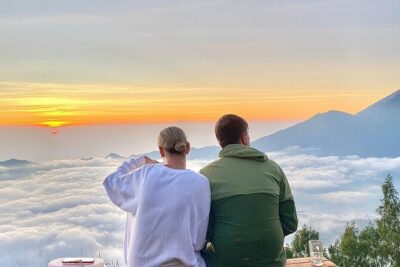
Mount Batur Sunrise Hike, Breakfast & Hot Spring
Read our review →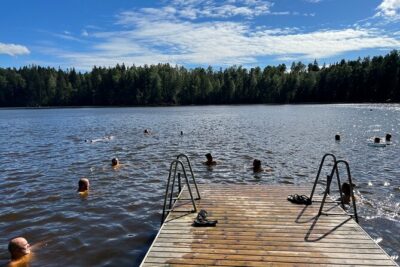
National Park Hike & Finnish Smoke Sauna Experience with Campfire Lunch
Read our review →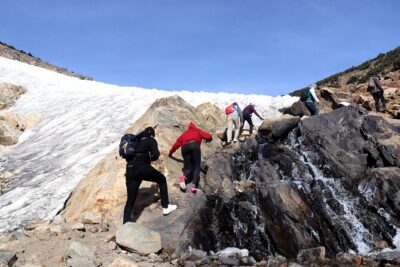
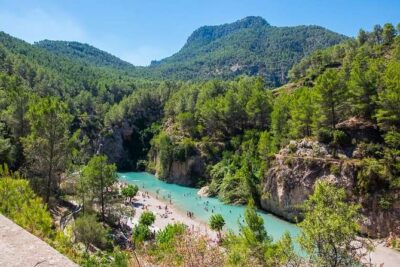
Montanejos Hiking Tour & Thermal Pools from Valencia
Read our review →
Landmannalaugar Hike and Hot Springs from Reykjavik & Hella
Read our review →Lists this soak appears on