
Review · USA
Philadelphia Walking Tour: A Lot of Colonial Nonsense
Philadelphia’s best-known symbols are packed into a small area, but the stories behind them are far less tidy than the polished version in a schoolbook. This two-hour walk with Fayge takes you through Old City’s famous sights while asking you to look past the usual founding-father script.
I like the very small group, capped at five, and the way the tour treats history as something to question rather than memorize. I also like the route itself: it links major landmarks with quieter corners such as Franklin Court and the Revolutionary War tomb in Washington Square. The main drawback is clear: most stops are viewed from outside, so this is not the tour for entering Independence Hall, the Liberty Bell Center, or the Betsy Ross House.
Key points to know before you book
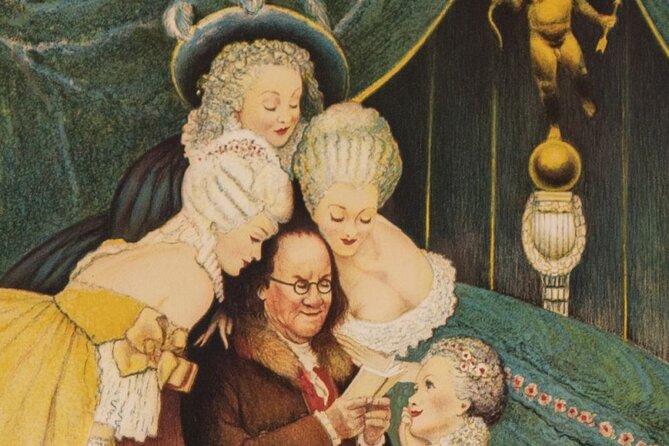
- Fayge brings a modern, questioning angle to colonial Philadelphia, with stories that reach beyond the standard textbook account.
- Nine Old City stops fit into about two hours, covering roughly two miles at a steady walking pace.
- The group maximum is five people, which should make questions and conversation easier.
- Most sights are exterior views, including Independence Hall, the Liberty Bell Center, and the Betsy Ross House.
- The route ends at the Betsy Ross House, close to other Old City attractions and public transportation.
- The $45 price pays for interpretation, not admission tickets, since the tour itself includes no paid entry.
A different way to read Philadelphia’s colonial core
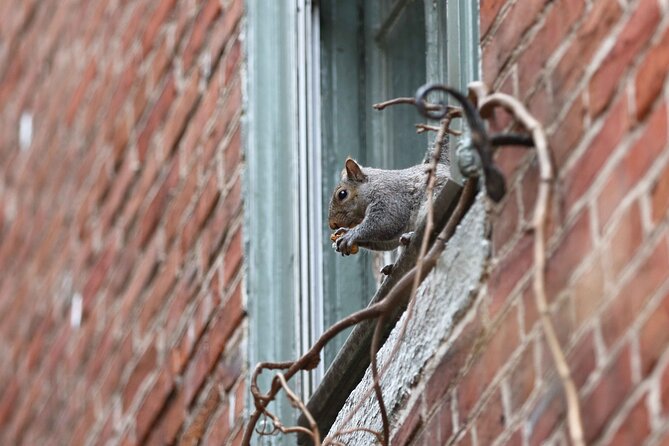
The playful title, A Lot of Colonial Nonsense, gives you a useful clue. This is not a solemn march from one famous building to the next. Fayge’s approach is lively, thoughtful, and willing to poke at the neat stories Americans often learn in school.
That does not mean the tour ignores the major figures. Benjamin Franklin, George Washington, the founders, and the birth of the country all remain central. The difference is in the questions raised along the way: who received credit, who was left out, how old stories were shaped, and why these places still matter now.
The strongest feature is Fayge’s storytelling. You can expect humor, surprise details, and connections between Philadelphia’s past and present. The information is not delivered as a long lecture. Instead, the walk gives you a series of places to look at while Fayge supplies the context that buildings and plaques often leave out.
A small group helps here. With no more than five people, you should have room to ask about an obscure detail or pause when something catches your interest. The tour also suits families with older children. A 17-year-old, in particular, may find the questioning tone more engaging than a standard school-style presentation.
More warm water worth the trip in the USA:
- Northern Lights & Chena Hot Springs Tour
★ 4.5 · 1,278 reviews - Small-Group Zipline Tour in Hot Springs
★ 5.0 · 711 reviews - Hoover Dam & Hot Springs Kayak Tour with Lunch & Expert Guide
★ 5.0 · 318 reviews
Benjamin Franklin’s grave, seen from Christ Church Cemetery
The walk begins at 522 Arch Street and quickly brings you to Benjamin Franklin’s grave, viewed from outside Christ Church Cemetery. You do not receive a cemetery admission ticket as part of the tour, so expect an exterior look rather than a long visit inside.
The stop takes about 10 minutes. That is enough time to place Franklin in the setting of early Philadelphia and to consider why his public image has lasted so well. Franklin was a printer, writer, inventor, diplomat, and political figure, but a good guide can also show you the gap between the familiar legend and the more complicated person.
This is a good opening stop because it sets the tone. You are not simply collecting photographs of famous names. You are being asked to think about how those names became part of the national story.
Independence Hall without the ticket line
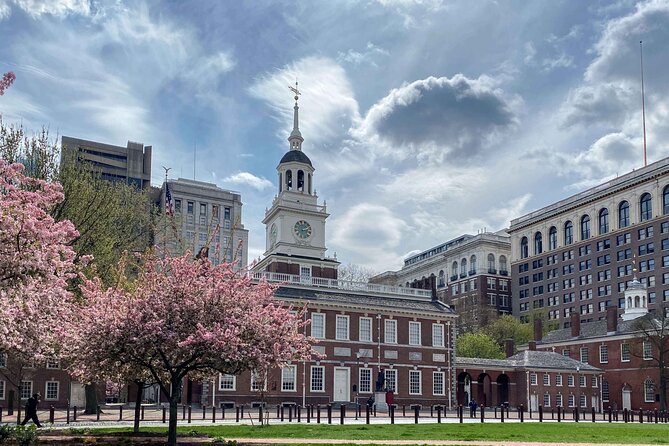
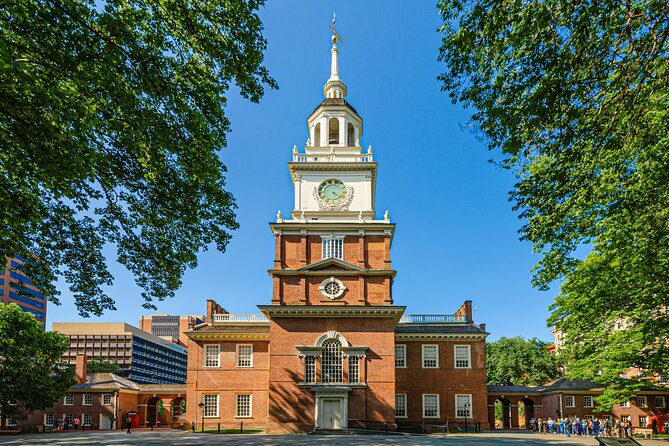
The tour then moves to Independence Hall, where you view the exterior for about 20 minutes. The building is one of Philadelphia’s most recognizable sights, but this visit does not include entry.
That limitation matters. If walking through the interior rooms is a priority, you will need to arrange a separate visit. Still, the outside gives Fayge a strong place to explain the building’s role in the country’s founding and to add the kind of detail that a quick photograph cannot provide.
This is also where the small-group format earns its keep. The building’s importance is familiar, so the value depends on the guide making the setting feel less predictable. Fayge’s focus on lesser-known details and overlooked perspectives is especially useful here.
Allow about 20 minutes, the longest scheduled stop on the route. The pace gives you time to look closely and ask questions rather than rushing straight to the next landmark.
The President’s House and the Liberty Bell Center
At the President’s House site, you get about 15 minutes to view the archaeology site. The stop offers a chance to consider the early presidency in a setting that is not just a grand, intact building.
The site is especially useful for the tour’s broader purpose. Philadelphia’s founding story includes ideals about government and liberty, but it also contains conflicts and exclusions. Fayge’s style, based on the experience described by past participants, brings those tensions into the conversation without turning the walk into a dry classroom lesson.
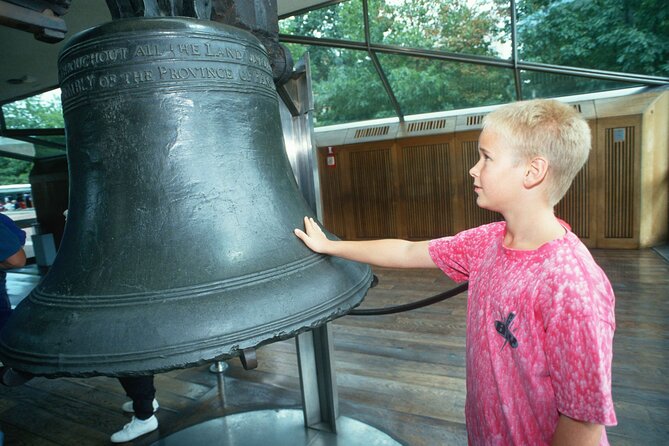
Next comes the Liberty Bell Center. You view the bell from outside the building for around 10 minutes. Again, no admission is included. If you want an indoor look at the bell, you will need to visit the center separately.
From the sidewalk, the stop is still worthwhile because the Liberty Bell is one of the city’s most powerful symbols. The guide can help explain how an object became larger than its original use and how symbols gather new meaning over time. It is a short stop, so do not expect a long examination of the exhibit.
Same steam, a different pool:
- Chena Hot Springs Day Tour
★ 5.0 · 264 reviews - Lake Yellowstone Half Day Kayak Tours Past Geothermal Features
★ 5.0 · 211 reviews - Glacier Hiking & Geothermal Cave Pools Tour
★ 5.0 · 139 reviews - Fun! Open-Air Banyan Tree Forest & Blowhole Sight-Seeing MauiTour
★ 5.0 · 137 reviews
Washington Square’s Revolutionary War tomb
Washington Square provides a welcome change from the streets and building facades. The group enters the park for about 10 minutes and views the tomb of the Revolutionary War unknowns.
This is one of the more unusual stops on the route. The famous names of the Revolution tend to dominate the story, while unidentified soldiers rarely receive the same attention. A memorial to unknown dead gives the tour a quieter and more human pause.
The park also breaks up the sequence of historic exteriors. After several stops tied to major public figures and national symbols, this visit shifts the focus toward ordinary people affected by war. It is a small detail in the itinerary, but it adds balance.
Carpenters’ Hall and Franklin Court
At Carpenters’ Hall, you spend about 10 minutes viewing the exterior. If the building is open, the group may go inside as well, but interior access is not guaranteed.
That wording is worth noting if you are planning around indoor visits. Treat the building as an exterior stop first, and consider any interior look a bonus rather than a promise. The guide can still explain why this building belongs in a walk through Philadelphia’s early political life.
Franklin Court follows, with another 10-minute stop. Here you view the ghost houses and pass through the archway. The ghost houses are a striking bit of design: they suggest the shape of Franklin’s former home without presenting a complete historic house.
This stop fits the tour’s questioning mood. You are looking at a modern interpretation of the past, not simply an untouched colonial structure. It gives Fayge a natural way to discuss Franklin’s place in Philadelphia and how cities choose to display history.
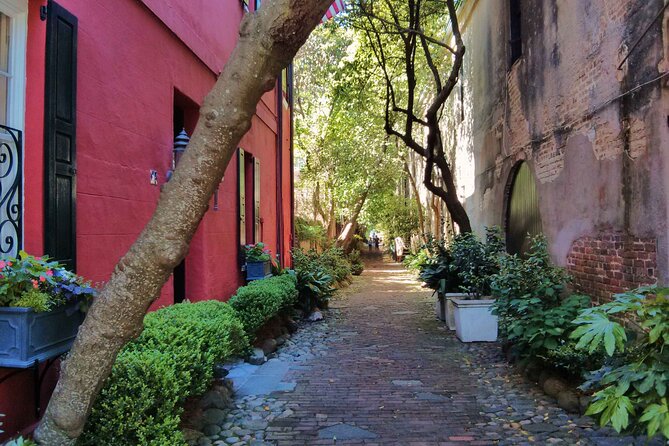
Elfreth’s Alley, one short street with a lot to notice
The walk continues to Elfreth’s Alley, where you spend about 10 minutes walking down the street. Its narrow scale offers a sharp contrast to the grand public buildings connected with national history.
Here, the focus can shift from presidents and famous patriots to everyday urban life. The alley helps you picture how people moved through the city, lived close together, and built communities in a much smaller Philadelphia.
Do not expect a long residential-house tour during this stop. The scheduled time is brief, and the route keeps moving. Still, Elfreth’s Alley is one of the best places on the walk for understanding that colonial Philadelphia was not only a stage for famous speeches. It was also a working city filled with homes, trades, families, and daily routines.
The narrow passage can also be a useful reminder that Old City is a real neighborhood as well as a historic district. You are seeing a place where preservation and modern city life meet.
Ending at the Betsy Ross House

The final stop is the exterior of the Betsy Ross House, where the tour ends. You spend about 10 minutes seeing the house from outside.
As with several earlier stops, entry is not included. If the interior interests you, plan a separate visit. The exterior stop is enough for Fayge to discuss the Betsy Ross story and the way familiar national legends are formed and repeated.
Ending here works well from a practical point of view. The Betsy Ross House is at 239 Arch Street, close to other Old City sights. Fayge can give you directions after the tour, so you can continue sightseeing, find food, or make your way to another part of Philadelphia.
What $45 really buys you
The price is $45 per person. No admission tickets or bottled water are included. Water can be purchased at the nearby Wawa for about $3, so bring cash or a payment method if you want a drink before or during the walk.
At first glance, the price may seem high for a route built around free exterior views. That is the right question to ask. You are not paying to enter nine attractions. You are paying for Fayge’s time, interpretation, and ability to connect places that you could technically visit on your own.
The value depends on how you like to sightsee. If you are comfortable reading plaques, using a map, and researching the background yourself, you may prefer an independent walk. If you want someone to connect the stops, answer questions, add humor, and challenge the standard version of the story, $45 can be fair.
The small group improves the value. A maximum of five people is much more personal than a large group trailing behind a flag. It also gives you a better chance to ask about a particular person, building, or historical claim.
Still, be honest about what the fee does not cover. You do not receive entry to Independence Hall, the Liberty Bell Center, Christ Church Cemetery, or the Betsy Ross House. If indoor access is essential, budget for those visits separately and use this walk as an introduction.
Walking demands, timing, and practical planning
The tour begins at 10:00 a.m. at 522 Arch Street. It lasts about two hours and finishes outside the Betsy Ross House at 239 Arch Street. The route covers about two miles, and the activity information advises against joining if you cannot walk that distance without assistance or a mobility aid.
Most of the experience takes place outdoors. Wear comfortable shoes and dress for the weather. The information provided does not promise indoor shelter at each stop, and several buildings are viewed only from the street.
The tour is near public transportation, which helps if you are staying outside Old City. Since the start and finish are at different addresses, the route is best treated as a one-way walk rather than a loop. That is convenient if you plan to continue exploring near Arch Street afterward.
Service animals are allowed, and most people can participate. The group limit of five should make the walk easier to follow, but the two-mile distance remains the key physical consideration.
Free cancellation is available if you cancel at least 24 hours before the start time. Changes or cancellations made within 24 hours are not refunded, and the cut-off follows Philadelphia local time.
Who will enjoy this walk most
I would choose this tour if you want Philadelphia’s major colonial sights explained with more wit and context than you get from a sign or a quick photo stop. It is especially suited to people who enjoy asking why a story became famous, whose viewpoint is missing, and how old events connect to life now.
It also works well for families with older children and teenagers. Fayge’s humor and surprise details can keep the material moving, while the short stops prevent the walk from becoming a long lecture in one place.
You may want something else if you expect interior access, extensive time at each landmark, or a slow photography-focused route. Nine stops in two hours means the schedule is purposeful. You will see a lot, but you will not linger at every site.
The walk is also a good first activity in Philadelphia. It gives you a map of Old City and helps you decide which buildings deserve a longer return visit. Just remember that the tour itself is an overview with strong commentary, not a series of museum admissions.
Should you book A Lot of Colonial Nonsense?
Book it if you want a small, lively history walk led by Fayge, especially if the usual founding-father story feels too tidy. The guide’s strength is the added context, humor, and willingness to question familiar versions of American history.
Skip it if entering the major sites is your main goal or if two miles of walking is difficult for you. At $45, the cost makes sense for personal interpretation rather than admission. For curious visitors who want Old City to feel more complicated and more human, that is a worthwhile trade.
FAQ
How long does the Philadelphia walking tour last?
The tour lasts approximately two hours.
Where does the tour begin?
It begins at 522 Arch Street, Philadelphia, Pennsylvania 19106, at 10:00 a.m.
Where does the tour end?
The walk ends outside the Betsy Ross House at 239 Arch Street. Fayge can provide directions for your next destination.
Does the tour include entry to Independence Hall or the Liberty Bell Center?
No. Independence Hall and the Liberty Bell Center are viewed from outside, and admission is not included.
How many people can join the tour?
The tour has a maximum of five participants.
Is the tour accessible for someone who cannot walk two miles?
The activity is not recommended for someone who cannot travel two miles without assistance or a mobility aid. Service animals are allowed, and most people can participate.
New places to soak around the USA
- Natural Indoor Hot Spring and Spa Utah Crater Soak & Swim★ 4.5 · 20 reviews
- Secret Desert Hot Springs: 4-Hour Private Adventure★ 5.0 · 2 reviews
- Spa Service: Hot Stone Body Massage with Private Sauna★ 4.5 · 13 reviews
- Hot Springs Hop Scavenger Hunt★ 4.5 · 10 reviews
- Hot Springs NP Self Guided Driving and Walking Audio Tour★ 4.5 · 14 reviews
- Yellowstone in a Day – Wildlife, Canyons, & Hot Springs★ 5.0 · 20 reviews
- Guided Yellowstone Hot Spring & Geyser Basin Tour★ 5.0 · 4 reviews
- Signature Massage & Spa with Master Therapist and Infra Red Sauna★ 5.0 · 3 reviews
USA Hot Springs: more water worth the trip.

Hoover Dam & Hot Springs Kayak Tour with Lunch & Expert Guide
Read our review →


Fun! Open-Air Banyan Tree Forest & Blowhole Sight-Seeing MauiTour
Read our review →
Spectacular Hot Spring Experience with Northern Lights
Read our review →Lists this soak appears on