Review · INDONESIA
Mount Rinjani Trekking 2D/1N Summit Sunrise & Sunset Views
Mount Rinjani gives you a serious mountain day wrapped around one spectacular payoff: reaching the summit before sunrise and watching light spread across Segara Anak Lake and Lombok. You climb from Sembalun, sleep at the crater rim, then face the loose, gravelly summit slope in the dark.
I like the strong guide and porter support, including cooking, carrying camp gear, supplying water, and keeping the group moving. I also like the useful transport arrangement after the hike, with drop-off toward Bangsal Harbor or Mataram. The catch is simple: this is a hard trek, not a scenic stroll. Cold summit weather, loose footing, changing conditions, and an early start demand real fitness.
Key points to know before booking
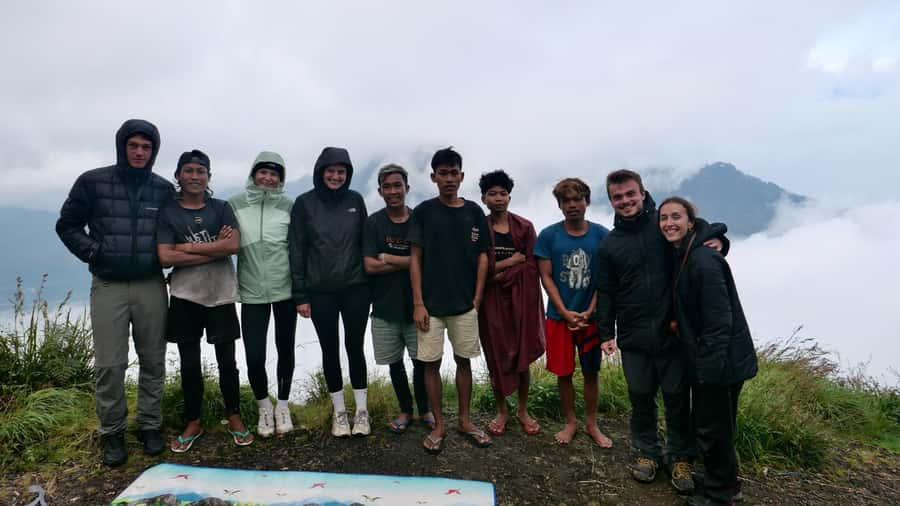
- Summit sunrise starts around 2:30 a.m. after a quick breakfast at the crater rim.
- The final summit slope is loose and strenuous, with gravel-like rock that makes progress slow.
- Camping, food, water, porters, and cooking gear are included, which makes the $200 price easier to justify.
- The route begins at Sembalun, while the descent may lead toward Sembalun or through Senaru rainforest.
- Guides and porters are a major part of the experience, with names such as Jack, Nun, Ajis, Wahdi, and Peaky appearing among recent guide assignments.
- Weather can close the summit, so the sunrise is a goal, not a promise.
Sembalun is the serious beginning
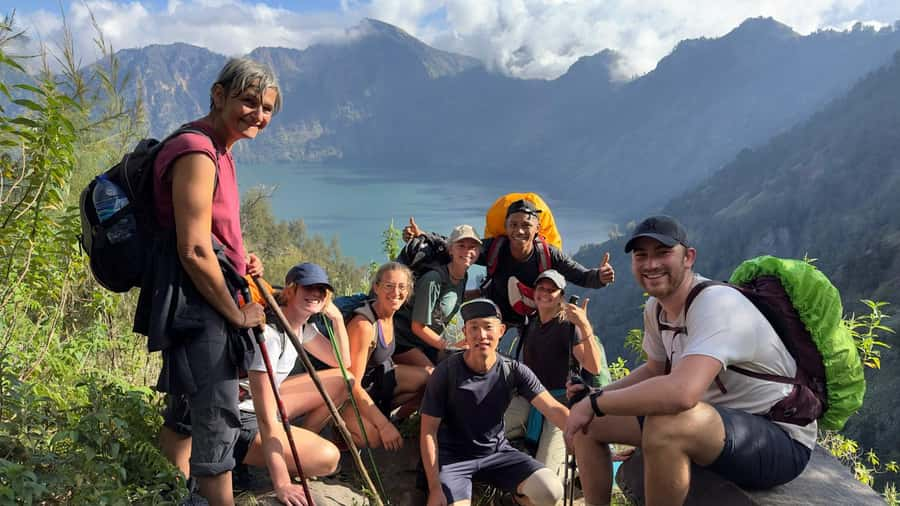
Your morning starts with breakfast and coffee or tea, followed by about an hour of driving to Sembalun. This matters because the trek begins with a long climb, and you want food in you before the trail takes over your day.
The Sembalun Route is the route for the summit attempt described here. The first day is not a gentle warm-up. You hike for most of the day, stop for lunch, and continue uphill until reaching the crater rim in the late afternoon.
The appeal is clear. Sembalun gives you broad views as you gain height, and the changing scenery helps break up a demanding climb. The drawback is equally clear: the uphill work comes early and keeps coming. If you are not used to long mountain walks, the first day may feel harder than the distance suggests.
Your guide sets the walking pace and helps with the practical details. Porters carry the tent, sleeping equipment, cooking utensils, and food. That support does not make the mountain easy, but it keeps you from carrying the full camp on your back.
Recent guide assignments have included Jack, August, Nun, Ajis, Wahdi, and Peaky. Names may vary, but the important point is the guide’s role. You need someone who can manage the pace, explain the route, watch the weather, and keep an eye on you when the trail gets tiring.
More Hot Spring Hiking Tours in Indonesia
- Bali: Mount Batur Sunrise Guided Hike and Natural Hot Spring
★ 4.8 · 9,284 reviews - Mount Batur Sunrise Hike and Natural Hot Spring Option
★ 5.0 · 1,927 reviews - Private Tour Mount Batur Sunrise Trekking and Natural Hot Spring
★ 5.0 · 431 reviews
Crater-rim camp gives you the first big reward
You should reach the crater rim in the late afternoon, with the porters already working on camp. This is your overnight base before the summit attempt.
The crater rim is where the trek changes character. You have finished the first long climb, and the views open toward the volcanic crater and Segara Anak Lake. The high viewpoint gives you a strong sense of the scale of Rinjani, especially after spending hours focused on the trail beneath your feet.
Dinner is prepared by the guide and porter team. The package includes three meals a day, fruit such as pineapple and bananas, tea, coffee, and drinking water. You receive up to three liters of mineral water per day, though you should still bring personal snacks and enough extra water for your own needs.
The food earns special credit here. One group described the meals as fresh, warm, and better than expected for a mountain trek. That is useful because a hot dinner at the end of the first day is not a small matter. Another person felt breakfast portions should be larger, so bring snacks rather than counting on breakfast alone.
Expect a basic camp, not a hotel with a view. A tent, sleeping bag, sleeping mat, and toilet tent are included. Toilet paper is also listed, but carrying a small personal supply is sensible. The sleeping setup gives you shelter and warmth, yet the night can still feel cold at altitude.
The tour information refers to crater-rim camping and also mentions camping near Segara Anak Lake in its highlights. The detailed two-day schedule places your overnight camp at the crater rim, so confirm the exact camping point when you book. The summit sunrise plan is clear. The lake-camping detail is less clear for this short version.
The 2:30 a.m. summit push
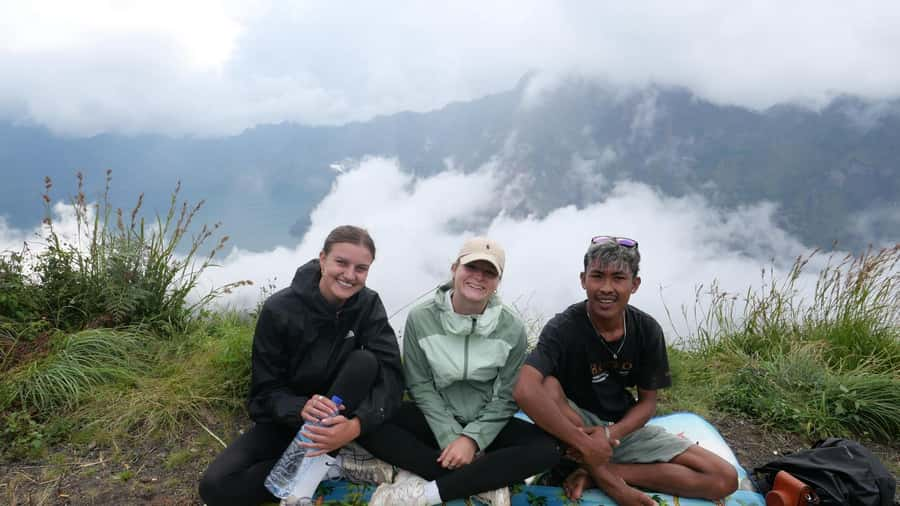
You wake around 2:00 a.m. for a quick breakfast. The climb begins at about 2:30 a.m., using a headlamp or flashlight to pick out the path.
This is the part that separates a memorable mountain experience from an ordinary hike. You are walking in darkness, tired from the first day, and trying to save enough energy for the final climb. The reward is timing. If conditions cooperate, you reach the summit shortly before sunrise.
Bring a proper flashlight or headlamp. One recent trekker specifically recommended a flashlight and walking boots, and that advice is practical. Your phone light is a poor substitute when you need both hands for balance or when the trail becomes rough.
The hardest section arrives around 5:00 a.m. The slope is rocky, loose, and gravel-like. Your feet may slide backward as you take each step. The issue is effort rather than a sheer drop, but you still need to move carefully and follow your guide’s instructions.
Good hiking shoes matter here. The package does not include trekking shoes, so you must bring or rent your own. Warm clothing matters just as much. The summit can be cold, and you may spend 20 to 30 minutes at the top waiting for and watching the sunrise.
This is also where fitness tells. People in good shape may find the pace manageable, but the final slope can still be exhausting. The experience is not suitable for someone with a low fitness level, heart problems, or vertigo. If you have any doubt about your health, speak with a medical professional before booking.
Sunrise from the summit is the payoff
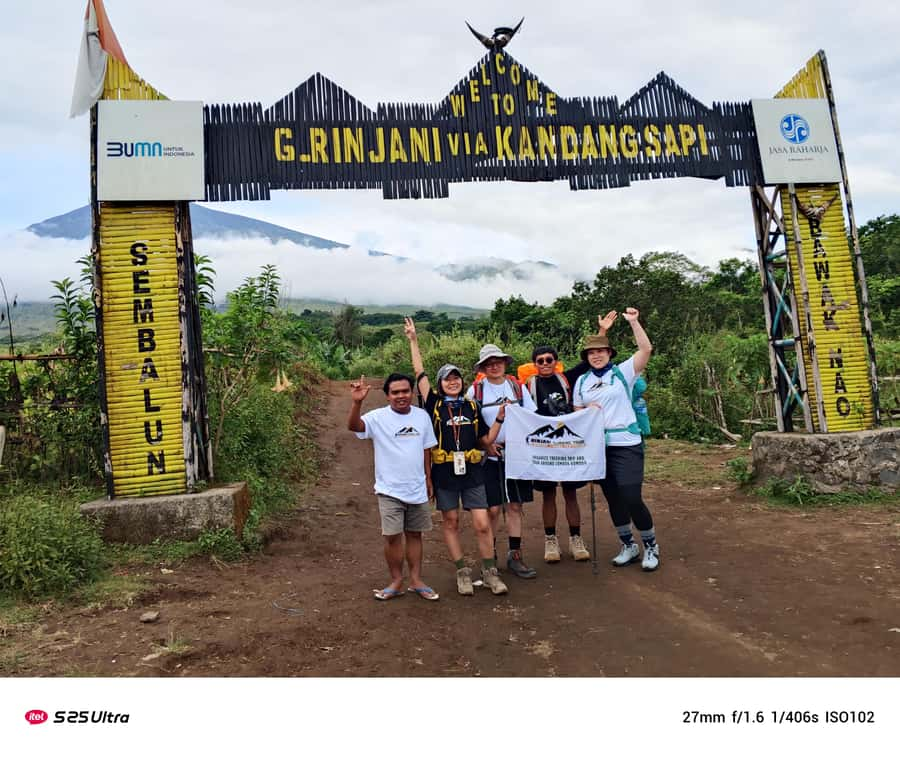
At the summit, you get a short window to enjoy the view before descending. The best-case version gives you sunrise over Lombok, the crater, Segara Anak Lake, and the surrounding area.
Do not treat the summit as guaranteed. Weather can change the plan, and one group reached the mountain when the summit was closed. They still had a worthwhile outing with their guide, but the central goal was unavailable. This is mountain travel: you can prepare well and still lose the view to cloud, wind, or safety rules.
You should also set realistic expectations about time at the top. The planned stay is about 20 to 30 minutes, not a long picnic. It can be cold, crowded, windy, or cloudy. Still, even a brief clear view can make the night climb worthwhile.
The guides appear to make a real difference during this push. One guide, described as moving back and forth to check on the group, helped maintain contact between faster and slower walkers. That is what you want from a summit guide. You do not need a race. You need a steady pace and someone who knows when to wait.
More Sunrise Hot Spring Tours in Indonesia:
- Bali/Mount Batur: Private Sunrise Jeep Tour & Hot Spring
★ 4.8 · 3,528 reviews - From Ubud: Mount Batur Shared Jeep Sunrise & Hot Spring Tour
★ 4.8 · 1,842 reviews - Mount Batur Sunrise Jeep Tour with Optional Activities
★ 5.0 · 1,555 reviews - Bali: Shared Mount Batur Jeep Sunrise with Hot Springs
★ 4.9 · 1,332 reviews
Descending means choosing between two different routes
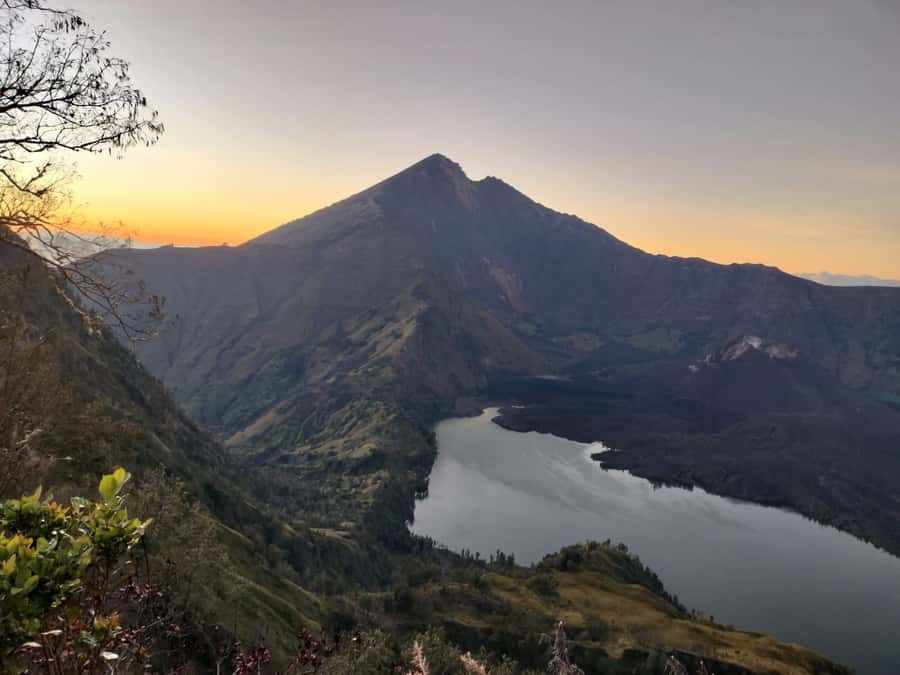
After the summit, you return to the crater rim for a larger breakfast. Then the long descent begins.
If your group returns toward Sembalun, the descent is described as mildly steep. That route may be simpler to understand, but descending still puts pressure on your knees and legs after a difficult summit morning.
If you descend toward Senaru, much of the day passes through thick rainforest. This creates a different finish, with more shade and a greener setting, but it does not make the day short. You stop for lunch around midday, then continue to the trailhead.
The information for this experience allows for either direction after the summit, and one guide had to explain a route change to a group after the direction was reversed. That is a useful warning: ask for the exact route before you start, especially if the tour description refers to both Sembalun and Senaru.
The sunset claim also needs a little care. The highlights describe the best sunset from Senaru Crater Rim, but the detailed two-day plan has you camping at the crater rim before a sunrise summit attempt. Your actual sunset view depends on the route, arrival time, and camping location. Ask the operator to confirm whether a Senaru Crater Rim sunset is part of your specific plan.
What the $200 price really covers
At $200 per person, this is not just a guiding fee. The price includes an English-speaking guide, professional porters, transport to the starting point, transport after the trek toward Bangsal Harbor or Mataram, meals, fruit, drinking water, cooking gear, tent, sleeping bag, sleeping mat, toilet tent, tea, coffee, trekking insurance, hotel pickup around Senaru, and storage for the backpack items you do not need on the trail.
That is a solid package for a two-day mountain trip. The porters carry camp equipment and cooking supplies, while the guide handles route support. You also avoid arranging separate transport after a tiring descent.
The price does not include trekking shoes, warm clothing, a small daypack, extra food, or a GoPro. Tips for the guide and porters are also extra. Those omissions are normal enough, but they can affect your real budget. Add the cost of proper boots, warm layers, snacks, and a tip if you plan to give one.
Bring a small pack for the things you need during the day. Store the rest at the company office if you are staying near Senaru and do not want to carry your full travel bag up the mountain.
Food, water, and equipment you should bring
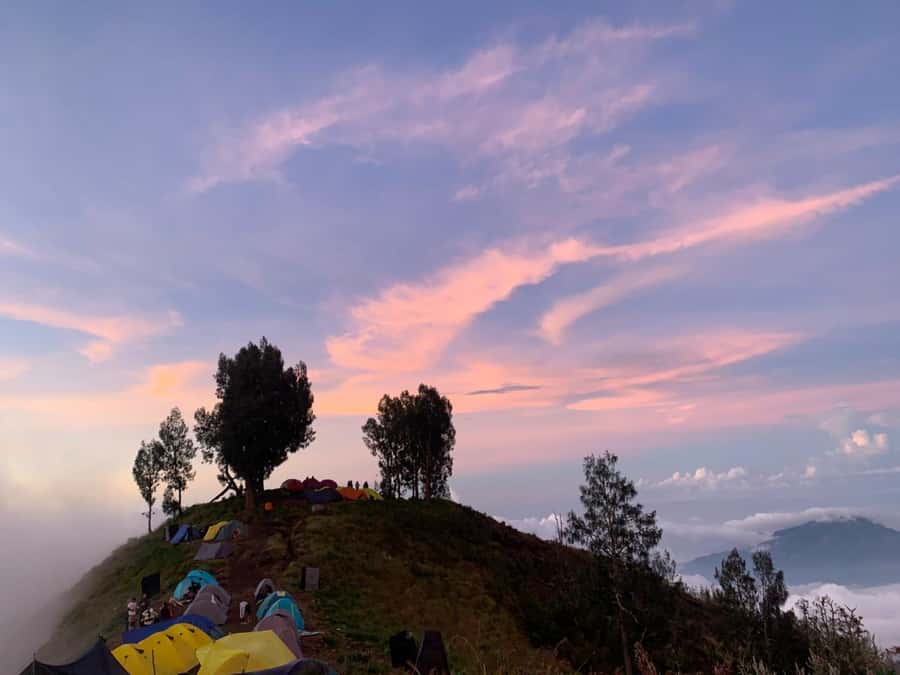
The included supplies are useful, but you should arrive prepared. I would pack:
- Warm clothing for camp and the summit
- A hat and rain gear
- Hiking shoes with dependable grip
- A headlamp or flashlight
- Sunscreen
- Snacks for the summit push
- A camera
- A small daypack
The tour supplies water, but the instructions still tell you to bring enough water and snacks for personal use. That is sensible. The hardest section comes before sunrise, when you may want quick energy but will not want to stop for a full meal.
Do not assume the mountain will stay dry because the forecast looked good in town. Weather conditions can alter the itinerary. Rain gear takes little space and can make the difference between an uncomfortable night and a manageable one.
The environmental rules are basic and important: do not smoke, litter, or touch plants. Follow the guide’s instructions and respect local customs. Porters work hard to carry the camp and food, so treat them with the same courtesy you would give the guide.
The guide and porter team shapes the trip
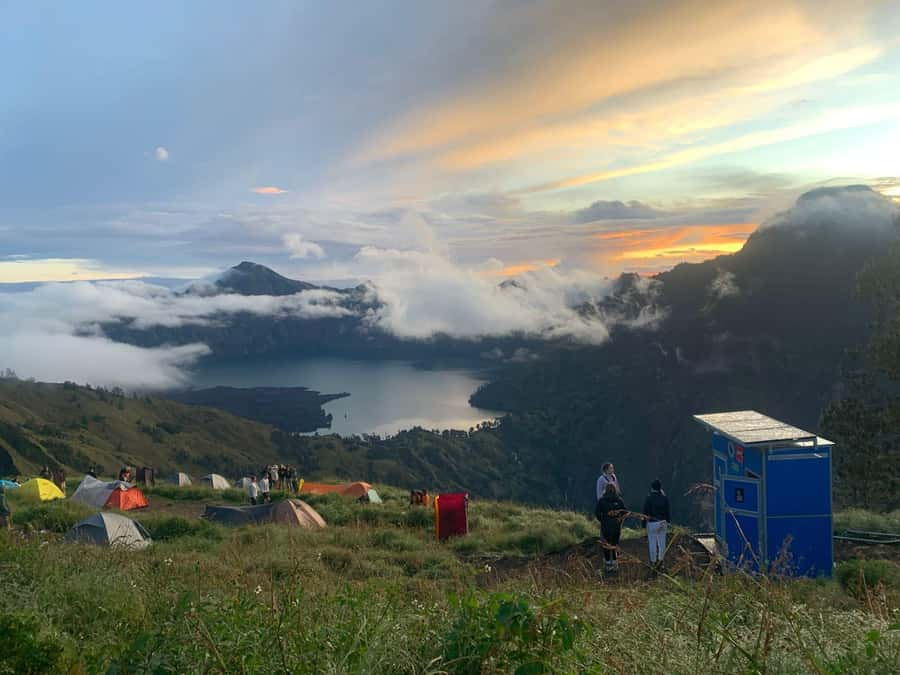
The most consistently praised part of this experience is the human support. Guides have been described as kind, attentive, professional, and good at keeping groups motivated during the rough stretches. Porters handle heavy loads, prepare meals, bring tea and coffee, and help make camp functional.
That support is especially valuable on day two. A guide who checks on the group can help you avoid pushing too hard early in the morning. A porter who gets breakfast ready means you can refuel rather than worry about cooking after the summit.
The named guides include Jack, August, Nun, Ajis, Wahdi, and Peaky, but you should not assume you will receive a particular person unless the operator confirms it. What you can reasonably expect is an English or Indonesian-speaking guide, with a private group available if you prefer a more personal arrangement.
The overall rating is 4.7 from 67 reviews, with especially strong praise for the guides, porters, food, organization, and views. The weaker points are not usually about poor service. They concern the physical demand, breakfast size, weather closures, and one route change that was not explained early enough.
Who should book this Rinjani trek?
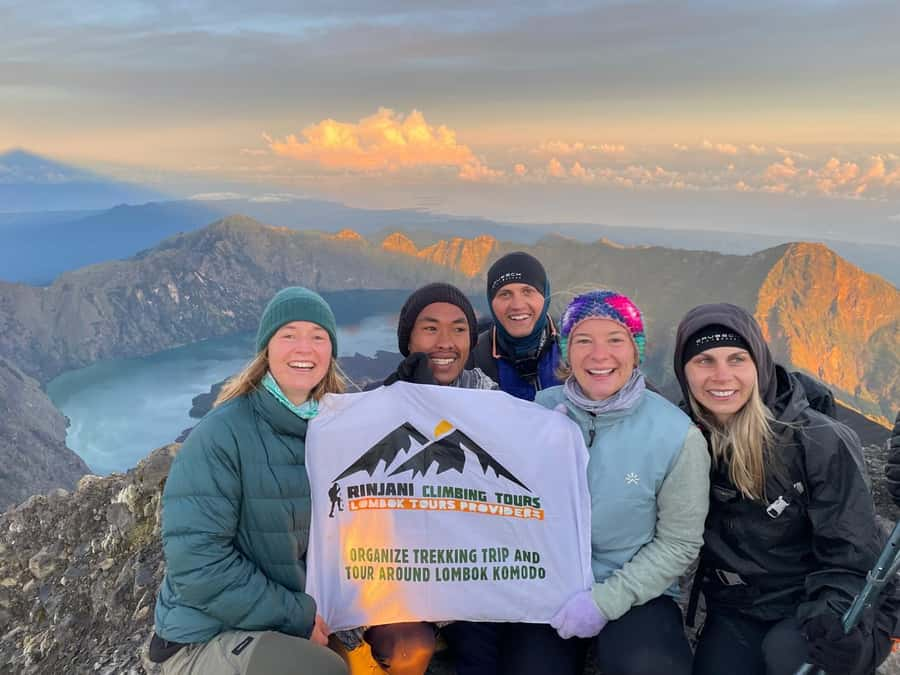
You should consider it if you want a demanding mountain challenge in a short format, care about reaching the summit, and like having meals and camp handled by a support team. It suits fit hikers who can manage a full day of uphill walking followed by a pre-dawn climb on loose rock.
It is also a good fit if you are traveling through Lombok and want transport arranged toward Bangsal or Mataram afterward. The storage option around Senaru is useful when you are carrying luggage for a wider Indonesia trip.
Think twice if you dislike early mornings, cold nights, long descents, basic camping, or uncertain weather. A two-day schedule leaves little room for fatigue. The three-day version may be worth asking about if you want a slower pace, since several bookings and comments refer to a 3D/2N trek rather than this two-day format.
You can cancel up to 24 hours before departure for a full refund, and reserve now while paying later. Those flexible terms help, especially when you are still watching the weather. Private groups are available, and the tour operates in English and Indonesian.
Should you book the $200 Mount Rinjani trek?
Book it if the summit sunrise is your main goal and you are ready for a hard, tightly timed climb. The price is fair because it includes the guide, porters, camp, meals, water, transport, and storage, not just access to the trail.
Before paying, confirm three details: your exact descent route, the actual camping location, and what happens if the summit closes because of weather. Bring boots, warm layers, a flashlight, and more snacks than you think you need.
I would recommend this trek to fit hikers who want a serious adventure and value strong local support. I would not recommend it to anyone hoping for a relaxed nature walk. Rinjani rewards preparation, patience, and sturdy legs.
FAQ
How long is the Mount Rinjani trek?
The advertised experience lasts two days and includes one overnight camp at the crater rim.
What time does the summit climb begin?
You wake around 2:00 a.m. for a quick breakfast, then begin the summit climb at about 2:30 a.m.
Is food included?
Yes. The package includes three meals a day, fruit, tea, coffee, and drinking water. You should still bring snacks and any extra food you want.
Are hiking shoes included?
No. Trekking shoes are not included, so you need to bring or rent suitable footwear.
Where does the trek start?
The trek starts with transport to Sembalun, reached by about a one-hour drive. Hotel pickup is available around Senaru.
Can the summit attempt be canceled?
Yes. Weather conditions can affect the itinerary, and the summit may be closed. The summit sunrise should be treated as weather dependent.
Two-day hot spring trips around Indonesia
- Mt. Batur: 2 Day Camping Trip, Summit Hike, and Hot Springs
★ 4.9 · 25 reviews - 2-Day Tunisian Sahara Tour with Food & Stay from Hammamet
★ 4.5 · 80 reviews - 2 Days Tour of the Sahara from Hammamet
★ 3.5 · 11 reviews - Private 2 Day Tour: Hobbiton, Waitomo, Rotorua Geothermal & Hamilton Gardens
★ 4.0 · 5 reviews
New places to soak around Indonesia
- Amazing Mount Batur Sunrise Trekking and Hot Spring★ 5.0 · 15 reviews
- 6 Day North Sumatra Jungles Orangutans Overnight trek and Hot Springs★ 5.0 · 2 reviews
- Turtle Tales of Pulau Banyak★ 5.0 · 4 reviews
- Mount Rinjani 3D2N Private Trek – Summit, Crater Rim & Hot Spring★ 5.0 · 13 reviews
- 3D/2N Rinjani trekking summit,lake and hot springs.★ 5.0 · 85 reviews
- Explore Mount Rinjani To Summit, Lake & Hot Spring (3D 2N)★ 5.0 · 19 reviews
- Sunrise Jeep With Natural Hot Spring Tour Packages★ 5.0 · 3 reviews
- Mount Batur Sunrise Trekking with Natural Hot Springs★ 5.0 · 3 reviews
Hot Spring Hiking Tours: more water worth the trip.
Bali: Mount Batur Sunrise Guided Hike and Natural Hot Spring
Read our review →
Mount Batur Sunrise Hike and Natural Hot Spring Option
Read our review →
Private Tour Mount Batur Sunrise Trekking and Natural Hot Spring
Read our review →
Mount Batur Sunrise Hike, Breakfast & Hot Spring
Read our review →
National Park Hike & Finnish Smoke Sauna Experience with Campfire Lunch
Read our review →
Montanejos Hiking Tour & Thermal Pools from Valencia
Read our review →