
Review · ARGENTINA
Pachamama – Argentine Cooking Experience in Buenos Aires
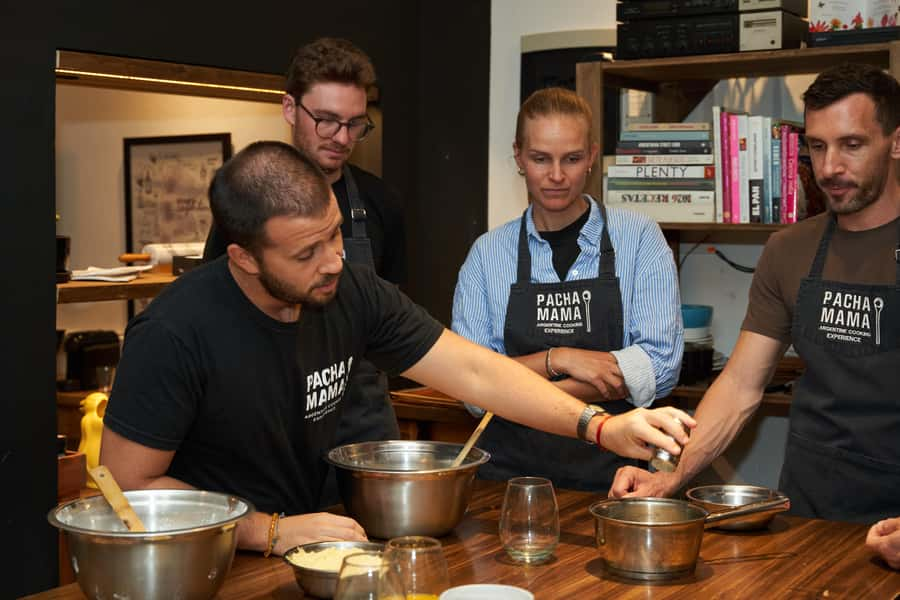
Buenos Aires is best understood at the table, and Pachamama gives you a hands-on way to get there. You start with a welcome picada and vermouth, then help prepare chipá, beef empanadas, humita stew, and flamed dulce de leche crepes before sitting down to eat.
I like the small-group format, which keeps the kitchen social without turning it into a cooking factory. I also like the pairing of Durigutti wines from Mendoza with the meal, plus the useful extras: recipes by QR code, class pictures, and local Buenos Aires tips.
One thing to know: you do not necessarily cook every dish from start to finish by yourself. The work is shared among the group, so this suits you if you want an interactive meal and cultural lesson, not a private master class.
Key points at a glance
- A five-step Argentine menu: Picada, chipá, empanadas, humita stew, and dulce de leche crepes make up the food journey.
- A social kitchen: The current small-group details list up to 10 participants, while the provider gives a maximum capacity of 14.
- Wine is part of the meal: Durigutti wines from Las Compuertas, plus vermouth, water, and homemade lemonade, are included.
- Franco and his team lead in English: Private groups can request Spanish.
- Dietary needs can be handled: Vegetarian, gluten-free, and lactose-free versions are available.
- Useful take-home extras: You receive recipes in PDF form through a QR code, along with class photos and Buenos Aires recommendations.
Why this cooking class works in Buenos Aires
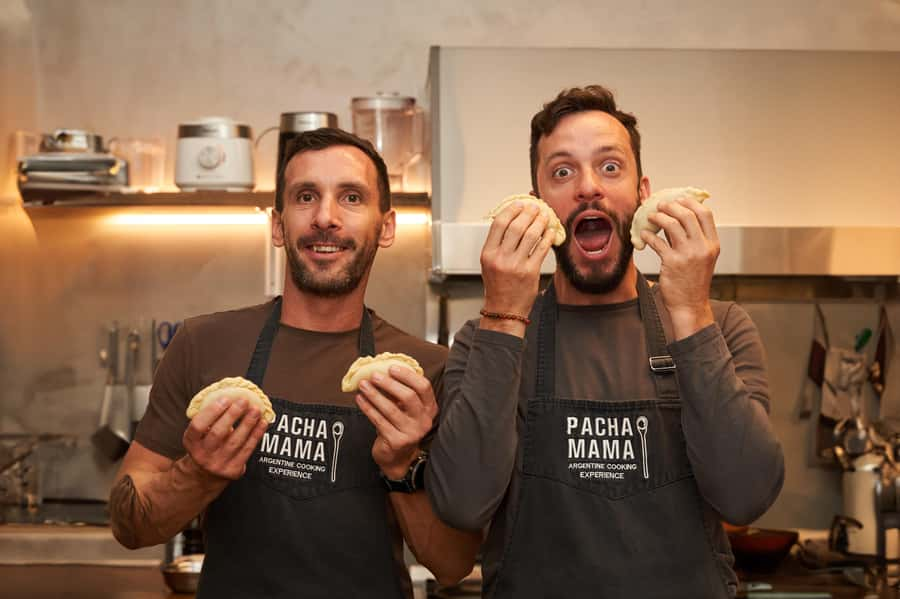
Pachamama is not simply a lesson in making empanadas. It uses food to explain Argentina: mate, chimichurri, regional spices, preserved foods, local wine, and the habit of gathering around a table.
That matters in Buenos Aires, where eating is often a long social event rather than a quick stop between sights. The format gives you context while your hands are busy. You are not only told what a dish is called. You learn where it fits into Argentine food culture and how the ingredients connect to local customs.
The setting is described as cozy and homey, which fits the tone of the experience. This is designed for conversation, shared preparation, and a final meal together. If you prefer a quiet demonstration where a chef does all the work, this may feel too communal. If you like meeting people over food, the format is a good match.
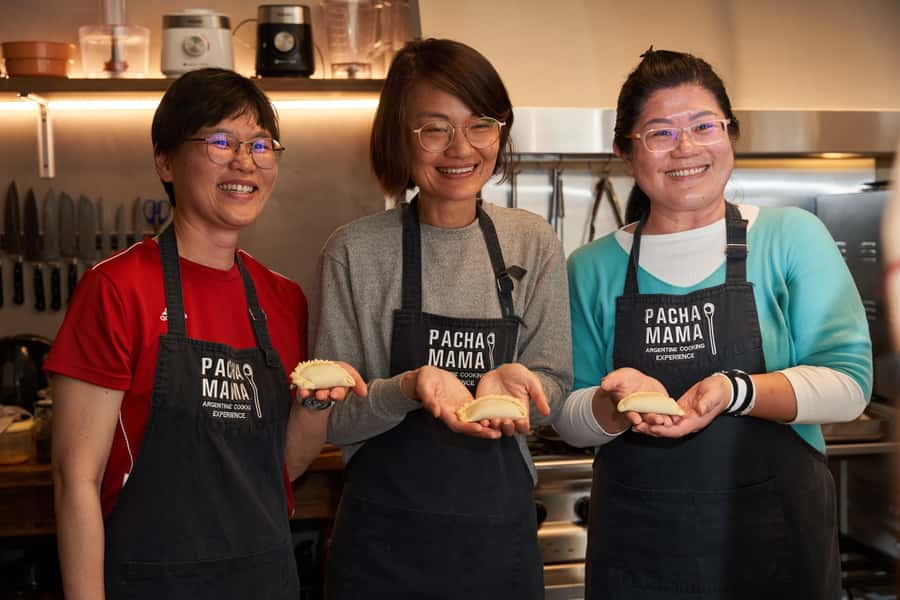
The class is given in English, and Franco and his team lead the session. Private groups can arrange Spanish. The small-group size helps the cooking feel manageable, although you should check the final number when booking because the supplied details give both a limit of 10 for the current activity and a wider capacity of 14.
More warm water worth the trip in the world:
- Budapest: Széchenyi Spa Day Ticket with Optional Upgrades
★ 4.3 · 23,911 reviews - Krakow–Zakopane: Cable Car, Chocholow Baths, Cheese & Vodka
★ 5.0 · 10,720 reviews - Bali: Mount Batur Sunrise Guided Hike and Natural Hot Spring
★ 4.8 · 9,284 reviews
Starting with picada, vermouth, and Argentine food culture
The class begins with a homemade picada, a spread of local bites served with homemade preserves, pickles, and local bread. A vermouth cocktail is included, along with water and homemade lemonade.
This opening gives you time to settle in before the cooking starts. It also introduces a style of eating that is central to the evening: several small tastes, conversation, and food meant to be shared. The introduction covers the background of Argentine cuisine, including familiar customs such as mate and chimichurri.
I like this beginning because it gives the meal a sense of place before the recipes arrive. You can ask questions, taste the preserves, and get used to the group. It is also a practical start for anyone arriving hungry, since you are not expected to wait three hours for the first bite.
The picada is not one of the four recipes you prepare from scratch. Think of it as the welcome course and a preview of the meal to come.
Making chipá with sauces
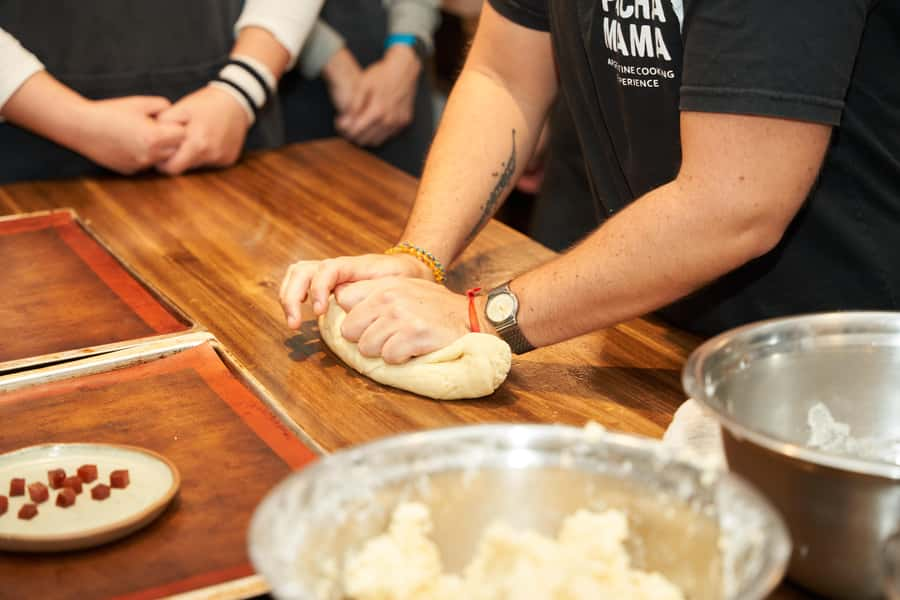
The first prepared item is chipá, a small cheese bread associated with regional South American cooking. At Pachamama, it comes with barbecue sauce and a fermented spicy sauce.
Chipá is a smart choice for a group class. It is familiar enough to enjoy immediately, but it also introduces a food that many people may not have tried before. The sauces add contrast and show how a simple baked bite can be served in a more complete Argentine meal.
You will take part in the preparation rather than simply watch a chef work. The exact amount of hands-on time for each person depends on the group, since the dishes are made as a shared effort. One useful point is that you may help with selected stages instead of making a full individual portion of every recipe.
That arrangement keeps the class moving, but it is also the main limitation for serious home cooks who want full control. If you want to practice every technique yourself, ask how jobs are divided at the start.
Folding beef empanadas and mixing chimichurri
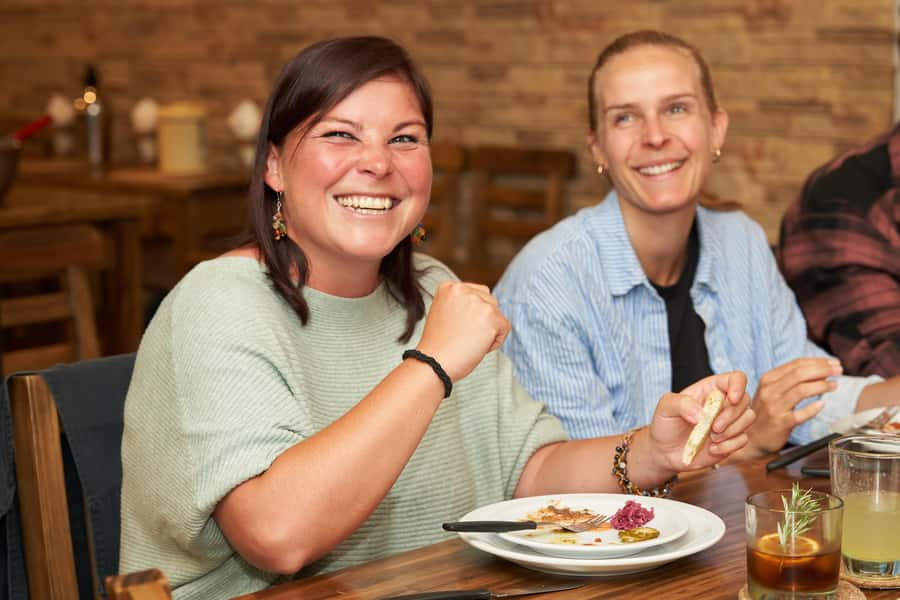
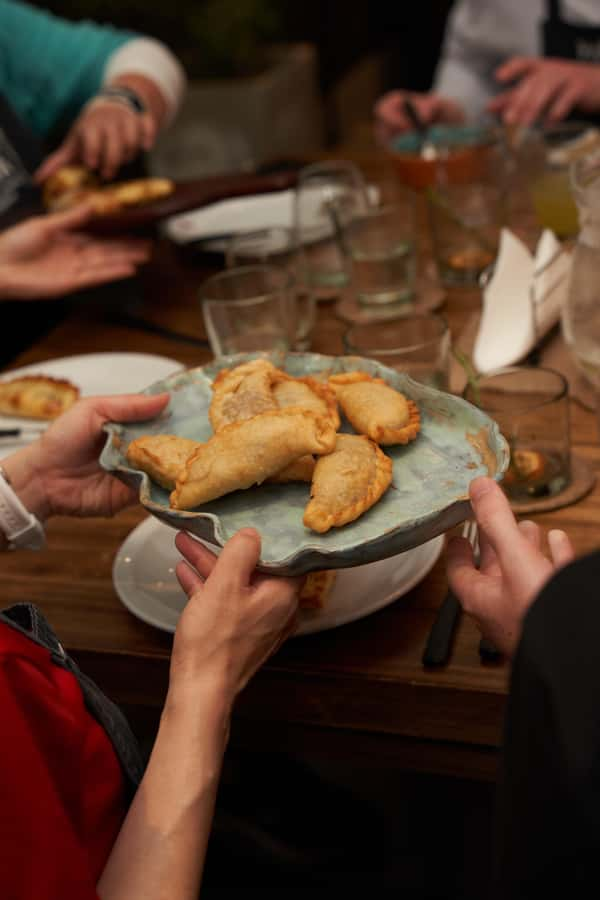
Empanadas are the familiar centerpiece of many Argentine food introductions, and here you prepare beef empanadas with chimichurri sauce. The class uses the dish to explain traditional flavors and the role of regional seasoning.
The value is in the small decisions: how the filling is seasoned, how the pastry is handled, and how the sauce changes the finished bite. Chimichurri gives you a direct taste of one of Argentina’s most recognizable condiments, especially alongside beef.
This part should be fun for families, couples, and solo participants because folding empanadas gives everyone a clear task. It is also the course where the shared format is most obvious. You may work alongside other people rather than produce a separate plate from beginning to end.
That is not a flaw for most people. The point is to learn the method, taste the result, and talk with the people at your table. Still, if your main goal is to return home with a fully practiced empanada recipe, pay attention during the preparation and use the recipe PDF afterward.
Same steam, a different pool:
- Reykjavik: Sky Lagoon Entrance Pass With 7-Step Spa Ritual
★ 4.8 · 6,166 reviews - From Reykjavik: Golden Circle, Kerid, & Secret Lagoon Tour
★ 4.8 · 6,009 reviews - Krakow: Zakopane, Thermal Springs, Cable Car, Local Tasting
★ 4.8 · 5,419 reviews - Chiang Mai: Chiang Rai Temples, Karen Tribe and Hot Springs
★ 4.7 · 5,401 reviews
Humita stew with a baked finish
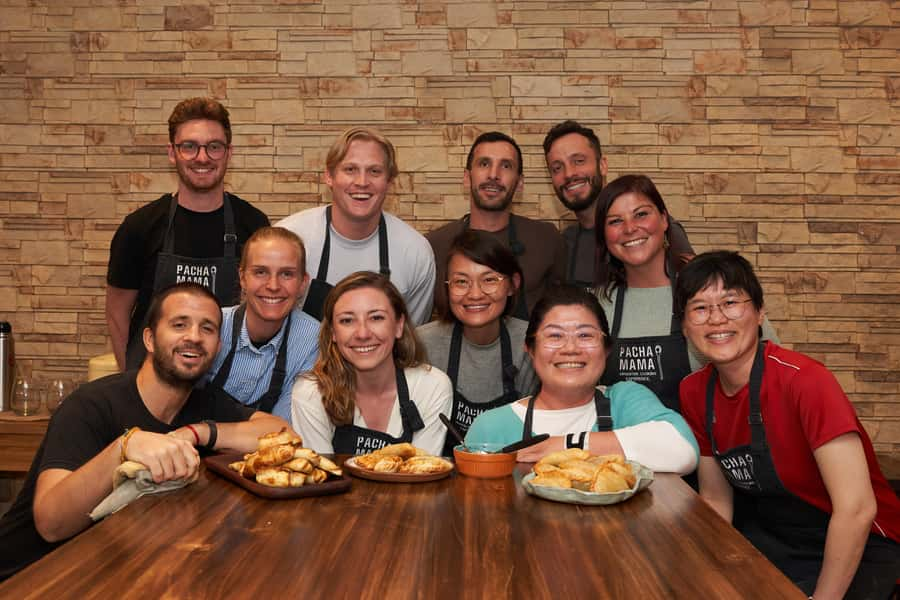
The humita stew brings a different texture and flavor to the meal. It is finished gratin-style, giving the dish a baked top rather than leaving it as a loose stew.
This course adds useful range to the menu. The meal is not built only around meat and pastry. Humita shows how corn-based dishes fit into Argentine regional cooking, and the gratin finish makes it feel hearty enough to share as a main part of the meal.
The class also offers dietary adaptations. Vegetarian, gluten-free, and lactose-free versions can be arranged, which is important because the standard menu includes beef, bread, cheese, and dairy-based elements. Tell the provider about your needs before the session rather than waiting until you arrive.
The supplied details do not specify every substitution, so you should confirm what your adapted menu will include. The experience is flexible, but the exact replacement ingredients are not listed.
Finishing with flamed dulce de leche crepes
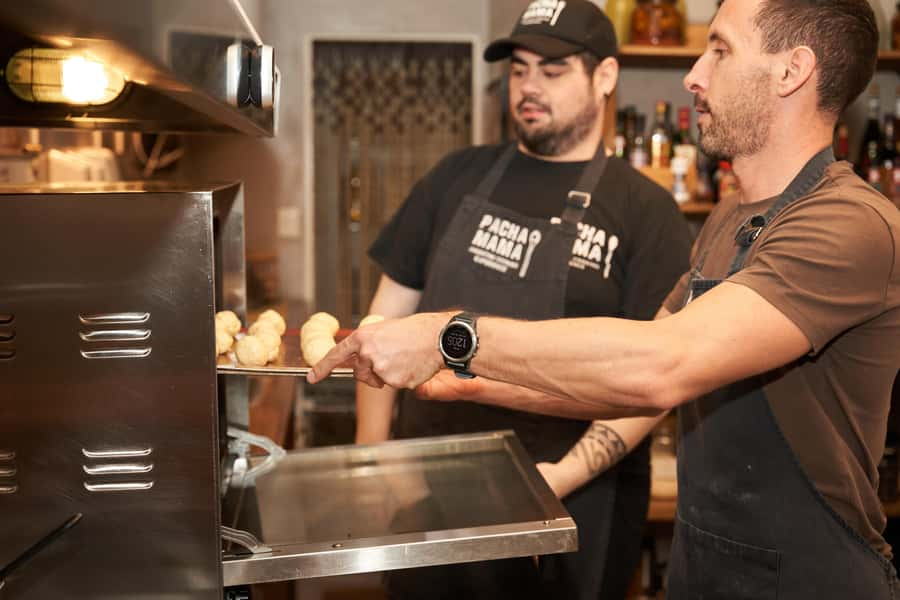
Dessert is a strong finish: dulce de leche crepes are flamed and served with ice cream and homemade limoncello.
Dulce de leche is one of Argentina’s signature sweet flavors, and the crepes let you encounter it in a more theatrical form. The flaming step also gives the group a clear final task and a natural moment to gather around the finished dessert.
The homemade limoncello adds a sharp citrus note to a rich course. Ice cream makes the plate familiar and easy to enjoy, even if you are already full from the earlier dishes.
As with the other recipes, the group shares the work. You might find that one person handles a particular stage while others prepare components or watch closely. That makes the dessert social and efficient, but not a private pastry lesson.
The wine pairing and final table
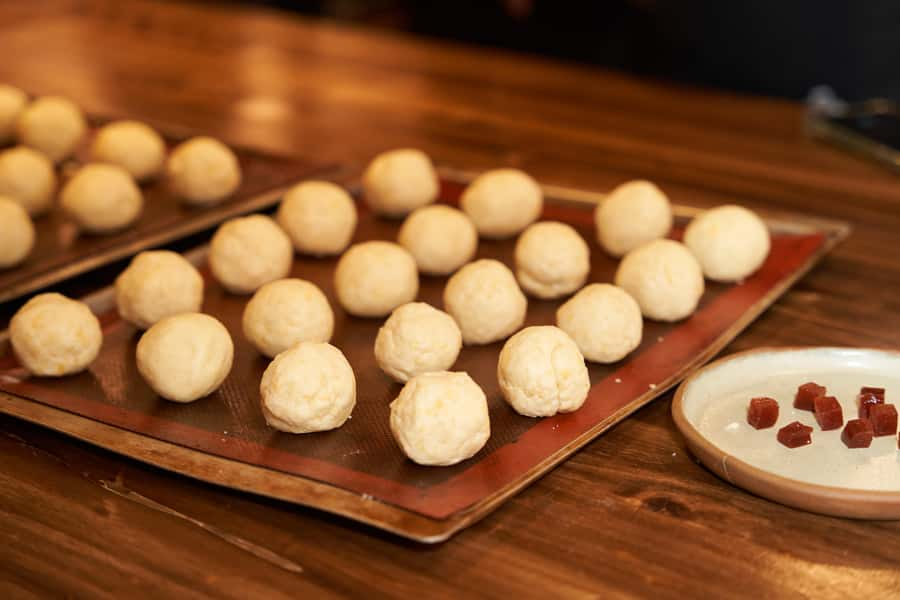
Once the cooking is finished, you sit down and eat the dishes together. The menu is paired with Durigutti wines from Las Compuertas in Mendoza, one of Argentina’s major wine regions.
Wine is included with the meal, along with vermouth, water, and homemade lemonade. That makes the $75 price easier to assess. You are paying for instruction, ingredients, a full meal, drinks, and a hosted social setting rather than just a short cooking demonstration.
The final table is where the separate dishes make sense as one meal. You have the picada and sauces, the cheese bread, beef empanadas with chimichurri, humita, and dessert. The wine pairing gives you a chance to see how Argentine food is enjoyed in a longer, more relaxed setting.
I would not book this expecting a formal wine course. The emphasis is on enjoying local dishes with suitable wines, not on detailed tasting instruction. For most people, that is the right balance after several hours of cooking.
What the $75 price includes
At $75 per person, Pachamama sits in the range of a substantial meal with added instruction and entertainment. The value is strongest if you make use of everything included:
- A welcome picada with preserves, pickles, and bread
- A vermouth cocktail
- Four prepared recipes
- A five-step meal
- Durigutti wines from Mendoza
- Water and homemade lemonade
- Recipe PDFs through a QR code
- Class pictures
- Local Buenos Aires recommendations
A comparable restaurant meal might give you Argentine food and wine, but not the preparation, explanations, or chance to meet people around a shared kitchen. A cheaper cooking class might teach one dish and provide a smaller tasting. Here, the menu is broad enough to give you a proper introduction to Argentine food.
The price is less attractive if you do not drink wine, dislike group activities, or want to cook each dish independently. You also need to arrange your own way to the venue because hotel pickup and drop-off are not included.
Timing, group size, and language
The activity is listed as about three hours, while the full description gives three and a half hours and notes that private groups can sometimes use a two-and-a-half-hour version. Check the start time and expected length when you book, especially if you have evening plans.
The current activity information describes a small group limited to 10 people. The provider also gives a capacity of up to 14, so the precise size may depend on the session or booking type. Either way, this is intended to be intimate rather than a large lecture.
Instruction is in English. Private groups can request Spanish. The format works best if you are comfortable listening, asking questions, and taking turns with other people.
The class is wheelchair accessible according to the activity details. Since no further access information is provided, you should confirm any specific mobility requirements before booking.
Who should book Pachamama
I would choose this for your first or second day in Buenos Aires if you want local food context that can shape the rest of your trip. The city recommendations and recipes give you something useful beyond the meal itself.
It also suits couples, solo visitors, and small groups who enjoy meeting people. The shared cooking format gives solo participants an easy way to join a conversation, while couples can work together without needing to organize a private class.
Families may enjoy the empanada folding and dessert preparation, though you should consider the three to three-and-a-half-hour length. Younger children may not have the patience for every explanation, and the supplied information does not give a minimum age.
I would be more cautious if you want an advanced culinary course. The focus is cultural, social, and practical. You will learn traditional recipes, but you will not necessarily spend equal hands-on time with every dish.
Should you book Pachamama?
Book it if you want more than a restaurant meal and like the idea of cooking Argentine food with an English-speaking team. The combination of picada, four recipes, wine, dessert, recipes, photos, and local tips gives you plenty for the price.
Skip it if you prefer a private session, dislike shared preparation, or need a tightly fixed three-hour schedule. Also confirm the duration, group size, and dietary substitutions before paying.
For most food-focused visitors, Pachamama is a well-rounded Buenos Aires activity. You leave with a fuller sense of Argentine cooking, a few recipes to try at home, and the memory of eating a meal you helped make.
FAQ
How long does the Pachamama cooking experience last?
It is listed as three hours, while the full experience description gives three and a half hours. Private groups can sometimes arrange a two-and-a-half-hour version. Check the schedule and duration when booking.
What food will I prepare?
You help prepare chipá with barbecue and fermented spicy sauces, beef empanadas with chimichurri, humita stew gratin, and flamed dulce de leche crepes with ice cream and homemade limoncello.
Is wine included?
Yes. The five-step menu is paired with Durigutti wines from Las Compuertas in Mendoza. Vermouth, water, and homemade lemonade are also included.
Can the menu accommodate dietary restrictions?
Yes. Vegetarian, gluten-free, and lactose-free versions can be arranged. Contact the provider in advance to confirm the details of your adapted menu.
Is the class taught in English?
Yes. The experience is given in English. Private groups can request a Spanish-language session.
Is transportation from my hotel included?
No. Hotel pickup and drop-off are not included. You need to arrange your own transportation to and from the experience.
New places to soak around the world
- Private Traditional Lakeside Sauna with Midnight Sun★ 5.0 · 6 reviews
- Lakeside Sauna Trip with Ice Fishing and Ice Swimming★ 4.5 · 3 reviews
- Whaka Geothermal Trails Self-Guided Tour★ 3.5 · 44 reviews
- Finnish Traditional Sauna Escape : Fire, Ice and BBQ★ 5.0 · 31 reviews
- Private Tour Waiotapu Geothermal Shore Excursion up to 8 passengers★ 5.0 · 6 reviews
- Polynesian Spa Rotorua: Family Hot Pools and Freshwater Pool★ 3.5 · 14 reviews
- Wai Ariki Hot Springs and Spa Restorative Journey (2hrs)★ 4.5 · 73 reviews
- Lake Rotoiti Guided Hot Pools Kayak Trip★ 5.0 · 23 reviews