
Review · AUCKLAND
Auckland: Rotorua Māori Cultural & Geothermal Tour & Lunch
Rotorua gives you two very different New Zealand experiences in one long day: a Māori cultural program with song, dance, food, and a warrior canoe display, followed by the eerie colors and volcanic heat of Wai-O-Tapu Thermal Wonderland. I like the contrast. You move from human traditions to forces beneath the earth without changing vehicles.
I also like the small-group minibus and the care taken by guides such as Karthik, who has been praised for keeping a good pace, answering questions, and making rest stops manageable. The drawback is the length: 13 hours is a full day, and the cultural stop is a staged visitor experience rather than a permanently inhabited Māori village.
Key points to know before booking
- A two-part Rotorua day: Enjoy Mitai Māori Village first, then walk through Wai-O-Tapu’s volcanic features.
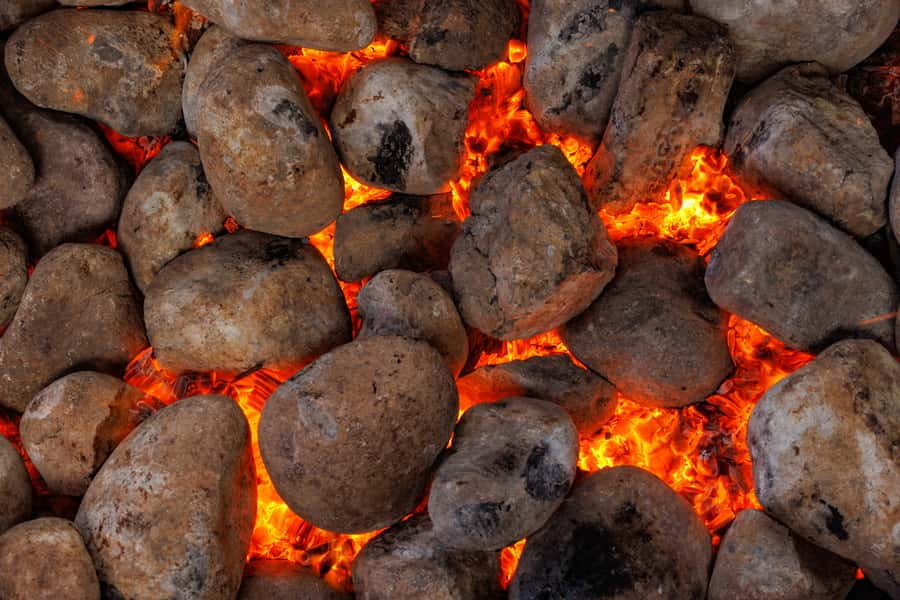
- The hangi is cooked underground: Food is placed in baskets over hot stones in a pit roughly 1 to 2 meters deep.
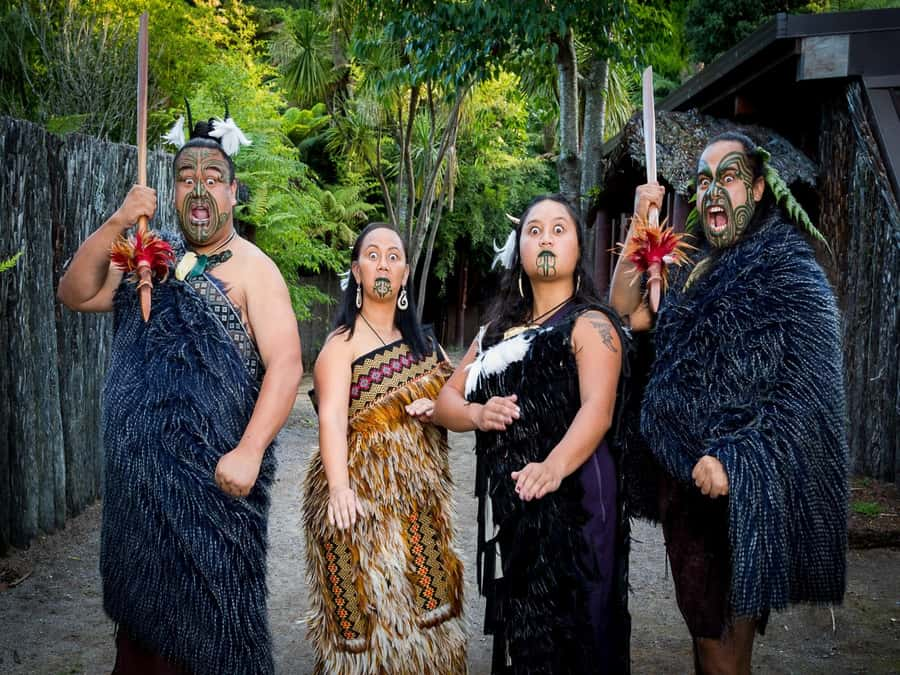
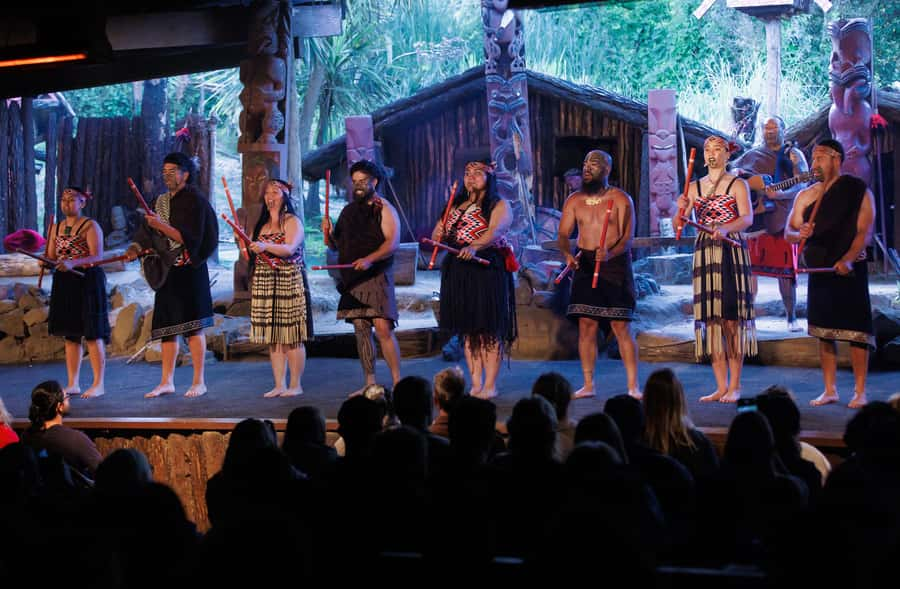
- The cultural program is more than a dance show: It includes a wero, pōwhiri, waiata, mōteatea, poi, haka, carving, tā moko, weapons, and combat displays.
- Wai-O-Tapu takes 45 to 90 minutes: The route includes Champagne Pool, Devil’s Bath, bubbling mud, steaming ground, craters, and sinter terraces.
- The ride is scenic but long: Waikato farmland, mountains, and farm animals fill much of the journey from Auckland.
- Wear real walking shoes: Uneven ground, unpaved paths, stairs, sun, and changing weather make sandals a poor choice.
Why this Auckland to Rotorua day trip works
Rotorua is too far from Auckland for a casual side trip by local bus, but it is reachable on a carefully planned day tour. This experience handles the long drive, the regional scenery, two major attractions, lunch, and return transport in one package.
The day begins with pickup from an Auckland CBD hotel. You travel in a temperature-controlled minibus with Wi-Fi, water, and onboard refreshments. The small vehicle matters here. A 13-hour outing can feel tiring in a large coach, while a smaller group usually makes stops and questions easier to manage.
The route passes through the Waikato region, an area known for open farmland and broad views. Keep your camera ready for mountain scenery, farm animals, and changing countryside. This is not just dead time between Auckland and Rotorua, though the drive is still long. You should expect a substantial portion of the day to be spent on the road.
The English-speaking escort remains with you throughout the journey. Karthik has received particularly strong praise for his friendly manner, useful information about New Zealand, and sensible timing. One older participant appreciated the regular rest stops, a small detail that makes a real difference on a day this long.
More Hot Springs with Lunch in New Zealand:
- Lake Rotoiti Evening Kayak Tour including Hot Springs, Glowworm Caves and BBQ Dinner
★ 5.0 · 60 reviews - Hot Pools Kayak & Evening Barbecue
★ 5.0 · 12 reviews - Antalya Pamukkale Hot Springs & Hierapolis Tour With Lunch
★ 5.0 · 1,092 reviews
Mitai Māori Village and the meaning behind the welcome
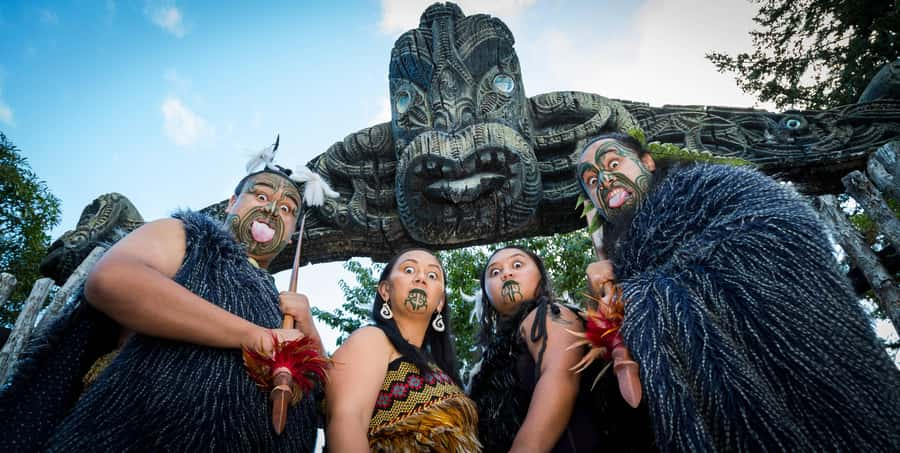
The first main stop is Mitai Māori Village, where the cultural program begins with a traditional welcome. You may see a wero, the formal challenge offered by a warrior, followed by a pōwhiri, song, chant, poi, and haka.
The program also introduces Māori carving, tā moko, traditional weaponry, and combat techniques. These sections give useful context to the performances. The haka is not simply a dramatic dance for photographs. It carries strength, identity, challenge, and emotion, and the weapon displays help explain the warrior traditions behind the movements.
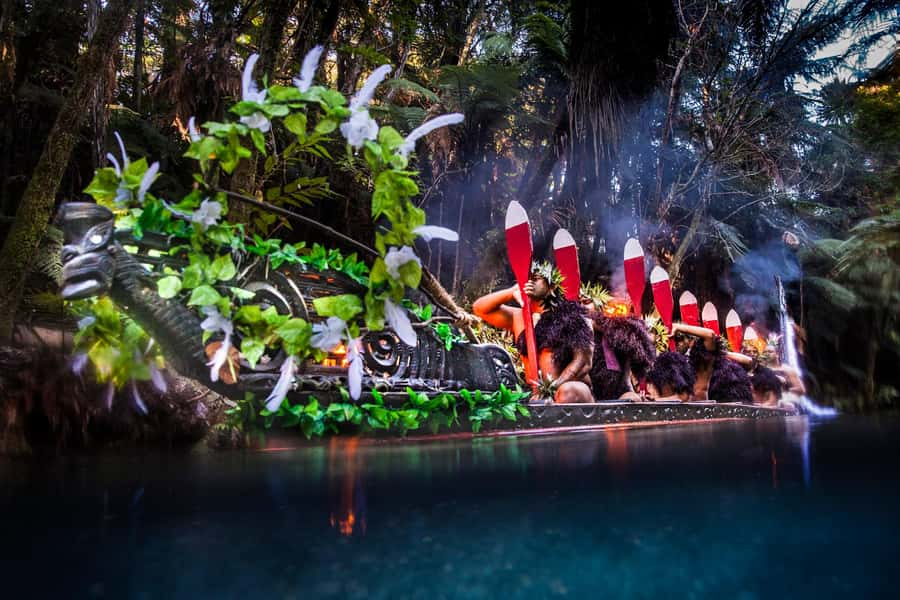
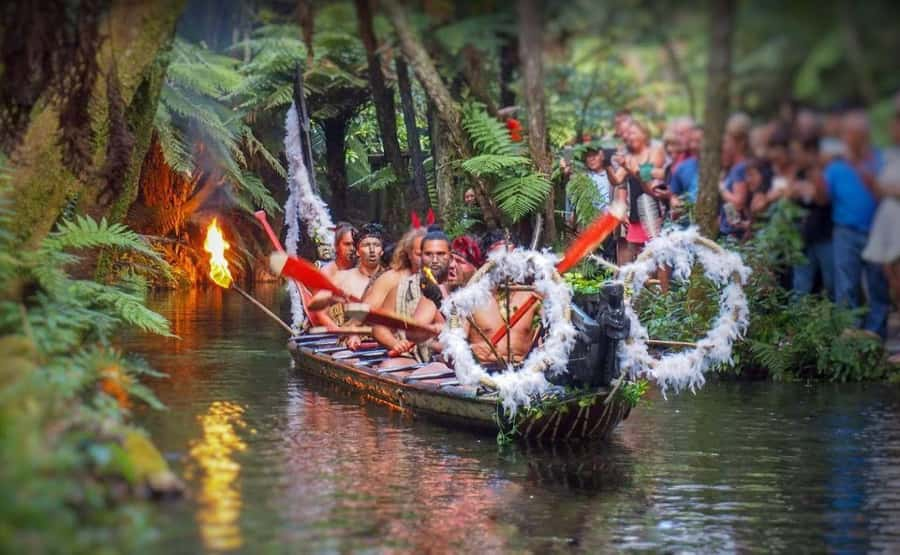
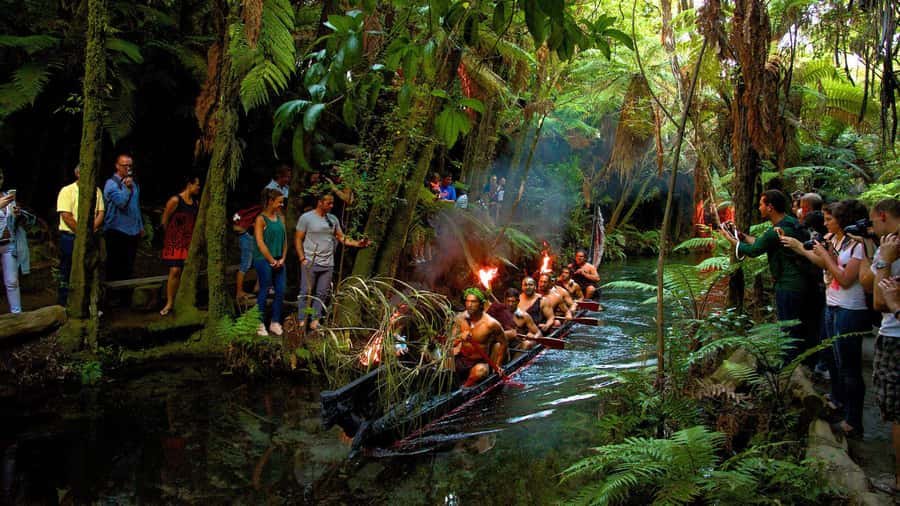
A warrior canoe display takes place on the Wai-o-Whiro stream. Watching warriors guide a waka through still water gives the program a strong sense of place. It is one of the more distinctive parts of the day because it connects the performance to the natural setting rather than keeping everything on a stage.
The cultural experience is designed for visitors, and it is best understood that way. This is a purpose-built venue with performers presenting Māori traditions, not a normal residential village where daily life continues around you. That does not make the cultural content worthless, but it does set an honest expectation. You are attending an organized cultural presentation with food and demonstrations.
Some visitors may find the presentation a little polished or commercial. That is a fair consideration for anyone seeking an informal community encounter. On the other hand, the structure makes it accessible. You receive explanations, see several traditional arts in one sitting, and do not need prior knowledge of Māori customs to follow what is happening.
Hangi lunch: a meal cooked in the earth
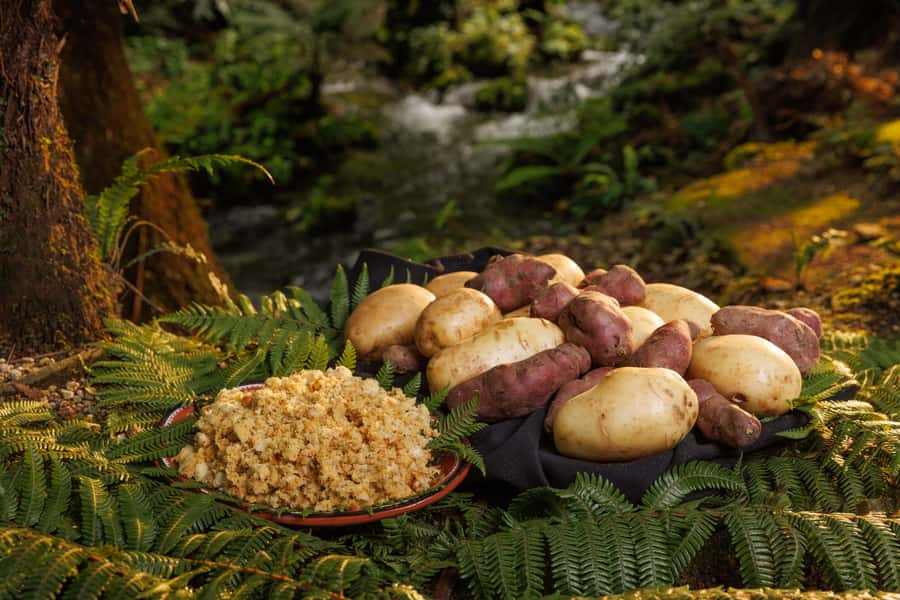
Lunch is a traditional hangi buffet. Hangi cooking uses an earth oven, with a pit about 1 to 2 meters deep. Baskets of food are placed over hot stones, covered, and left to cook slowly in the ground.
The method gives the food its distinctive smoky, earthy character. This is not a quick buffet assembled for convenience. The cooking process itself is part of the cultural lesson, and the meal helps connect the performance to everyday Māori food traditions.
The food has been one of the most warmly praised parts of the day. I would count the meal as a real benefit when comparing this trip with a standard sightseeing transfer, since lunch is included and you get something closely tied to the region rather than a generic cafe stop.
There are limits. The provider says some dietary requests may be possible, but it cannot meet every need because of the nature of Māori kai. Vegan visitors should check carefully before booking, as vegan choices are not guaranteed. One piece of feedback also raised a concern about the cleanliness of the lunch dishes. That appears to have been an individual experience, but it is worth noting if food presentation and dining standards are especially important to you.
Wai-O-Tapu’s volcanic colors and hot ground
After the cultural program and lunch, the tour continues to Wai-O-Tapu Thermal Wonderland. This is one of New Zealand’s most colorful geothermal areas, with self-guided walks lasting about 45 to 90 minutes.
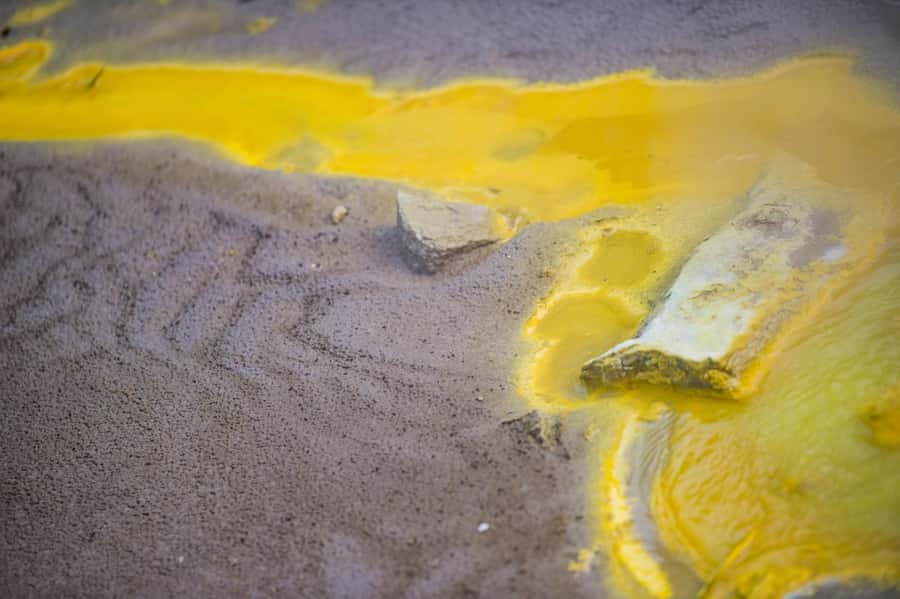
The paths lead through a strange, open-air world of volcanic craters, hot springs, mineral terraces, mud pools, and steaming ground. The colors are produced by heat, minerals, and chemical reactions. You might see yellow sulfur, green water, orange deposits, and pale mineral crusts beside darker earth.
The famous Champagne Pool is the headline feature. Its broad rim and unusual colors make it one of the park’s best photo stops. You also see Devil’s Bath, naturally colored springs, bubbling mud, and wide views across the volcanic area.
The bubbling mud is especially memorable because it feels active and unpredictable. Instead of the clean, still beauty of a lake, you get popping pools and thick mud that constantly shifts. Steam rising from the ground adds to the sense that the earth is working beneath your feet.
This is a self-guided walk rather than a fully escorted interpretation of every feature. That gives you freedom to stop for photographs and set your own pace, but you should not expect a guide beside you explaining each pool. The escort handles the larger schedule, while you explore the park on your own.
Take the safety rules seriously. This is an active geothermal area. Stay on marked paths, do not touch plants, and do not wander toward hot ground for a closer photograph. The paths can be uneven, and the tour requires you to manage stairs and unpaved sections.
More places to soak around New Zealand:
- Rotorua: Wai-O-Tapu Geothermal Park Entry Ticket
★ 4.6 · 2,601 reviews - Rotorua Rafting: Kaituna River White Water Rafting & Free Sauna
★ 5.0 · 1,952 reviews - Rotorua: Hell’s Gate Outdoor Mud Spa & Guided Walk
★ 4.7 · 1,140 reviews - Rotorua Rafting: Kaituna River Rafting Experience-Free Sauna
★ 4.9 · 401 reviews
How hard is the day physically?
The tour is suitable for people of all ages who have an easy to good level of fitness. You need to walk on uneven terrain and be able to climb and descend stairs. Sturdy walking shoes are strongly recommended.
Do not plan to wear flip-flops, jandals, high heels, or flimsy sandals. Comfortable shoes are not just a packing suggestion here. They affect your footing at Wai-O-Tapu and make the long day less tiring.
The tour operates in all weather. Bring a hat, sunscreen, water, a camera, and a jacket or warm layer. Rotorua’s geothermal sites can feel hot near active features, while the open paths and long drive may be cooler or wet. Dress in layers rather than assuming New Zealand will provide one steady temperature.
The experience is not suitable for wheelchair users, pregnant women, or people with back or heart problems. If you have a medical condition that makes long transport, walking, stairs, or heat difficult, this is not the right day trip.
What the $264 price really covers
At $264 per person, this is not a bargain-basement transfer to Rotorua. The value comes from combining several costs and arrangements in one day.
Your price includes Auckland CBD pickup and return, a temperature-controlled minibus, an English-speaking escort, onboard water and refreshments, Wi-Fi, admission to Mitai Māori Village, the cultural performance, hangi buffet lunch, and entry to Wai-O-Tapu. You also avoid arranging separate intercity transport and admission tickets.
The strongest value is convenience. If you tried to reproduce the day alone, you would need to coordinate the Auckland to Rotorua journey, local transport, two attraction tickets, lunch, and the return trip. You would also need to watch the clock closely so that you did not miss the ride home.
The tradeoff is time. You pay for access to two major Rotorua experiences, but you also spend many hours traveling. If your main goal is a relaxed Rotorua stay, spend at least one night in the area instead. If you have only one Auckland base and want a broad introduction, this tour makes better sense.
The tour also includes built-in leisure time, but do not read that as unlimited free time. The day has to fit a cultural program, lunch, Wai-O-Tapu, and the long return journey. Your guide may adjust the pace if a cultural introduction runs longer than planned. One such delay meant less spare time later, so keep your expectations realistic.
Who will get the most from this experience?
I would recommend this day to first-time visitors who want a clear introduction to Māori culture and Rotorua’s geothermal features without changing hotels. Families can benefit from the variety, since the day includes visual performances, food, moving water, volcanic color, mud, and steam.
It also suits solo visitors and couples who prefer a guided day rather than navigating New Zealand roads themselves. The minibus setting makes it easier to ask questions and get practical help. Karthik, in particular, has been singled out for being patient and well prepared, which is useful when the schedule is tight.
The tour is less suitable for anyone who wants slow travel. You will not have hours to linger over every hot spring or spend a full afternoon at the Māori venue. It may also disappoint visitors expecting a living village experience rather than a formal cultural presentation.
Photographers should enjoy Wai-O-Tapu, but protect your equipment from rain and steam, and do not step off the paths for a better angle. The most useful camera is the one you can carry comfortably for a 45 to 90 minute walk.
Practical details that can save the day
Be at the pickup point 10 minutes early. The minibus is identified by registration number KYQ418 or TOURME, and it cannot wait for late passengers. No refund is provided for a missed pickup or no-show, so allow extra time to reach the Auckland CBD meeting point.
The tour requires a minimum number of participants. If that minimum is not met, you are offered another date or experience, or a full refund. You can cancel up to 24 hours before departure for a full refund.
Bring a phone or camera, sunscreen, a hat, water, and a warm layer. You receive water and refreshments onboard, but your own bottle is still sensible for the walking sections.
Do not smoke during the experience, and do not touch plants. The geothermal area has uneven ground, so follow marked routes and listen to the escort’s instructions.
Should you book this Rotorua tour?
Book it if you have one Auckland base, want Māori culture and geothermal scenery in the same day, and value an organized ride more than a leisurely schedule. The strongest parts are the combination of a hangi meal, the warrior canoe display, the haka and other cultural arts, and Wai-O-Tapu’s colorful volcanic features.
Think twice if you need vegan food, have mobility or medical limitations, or want a noncommercial encounter with a Māori community. Also consider staying overnight in Rotorua if the 13-hour return day sounds exhausting.
For most first-time visitors with limited time, the tour offers a practical way to see two of the North Island’s most distinctive experiences. Just wear proper shoes, arrive early, and accept that this is a full day on the road.
FAQ
How long is the Auckland to Rotorua tour?
The experience lasts 13 hours, including pickup and return transport from Auckland CBD.
Is pickup included?
Yes. Pickup and drop-off from Auckland CBD are included. You should arrive at the pickup location 10 minutes early.
What transport is used?
You travel in a temperature-controlled minibus. Onboard refreshments, water, and complimentary high-speed internet are included.
Which language is the tour conducted in?
The tour has a live English-speaking guide and an English-speaking escort throughout the journey.
What food is included?
A traditional hangi buffet lunch at Mitai Māori Village is included. Some dietary requests may be possible, but vegan options and all other dietary needs cannot be guaranteed.
How long do you spend walking at Wai-O-Tapu?
The self-guided walk generally takes 45 to 90 minutes, depending on your pace and how long you stop at each feature.
What should I wear and bring?
Wear comfortable clothing, sturdy walking shoes, sun protection, and a warm layer. Bring a hat, camera, sunscreen, and water.
Is the tour suitable for people with limited mobility?
You must be able to climb and descend stairs and walk on unpaved or uneven ground. The experience is not suitable for wheelchair users, pregnant women, or people with back or heart problems.
New places to soak around New Zealand
- Whaka Geothermal Trails Self-Guided Tour★ 3.5 · 44 reviews
- Private Tour Waiotapu Geothermal Shore Excursion up to 8 passengers★ 5.0 · 6 reviews
- Lake Rotoiti Guided Hot Pools Kayak Trip★ 5.0 · 23 reviews
- Polynesian Spa Rotorua: Family Hot Pools and Freshwater Pool★ 3.5 · 14 reviews
- Wai Ariki Hot Springs and Spa Restorative Journey (2hrs)★ 4.5 · 73 reviews
- Lake Rotoiti Evening Kayak Tour including Hot Springs, Glowworm Caves and BBQ Dinner★ 5.0 · 60 reviews
- Floating Sauna & Lake Plunge Experience – Queenstown★ 5.0 · 2 reviews
- Waitomo Glow Worm Caves & Te Puia – Rotorua’s Geothermal Valley★ 5.0 · 9 reviews
Hot Springs with Lunch: more water worth the trip.
Antalya Pamukkale Hot Springs & Hierapolis Tour With Lunch
Read our review →
Furnas: Night-Time Experience with Thermal baths and Dinner
Read our review →
Bandung: White Crater Hotspring Tea Plans And Lunch Included
Read our review →
Private Golden Circle, Sky Lagoon and Friðheimar Greenhouse Lunch
Read our review →
Hoover Dam & Hot Springs Kayak Tour with Lunch & Expert Guide
Read our review →
Batu Caves,Waterfalls and Hot Springs Tour With Lunch
Read our review →
National Park Hike & Finnish Smoke Sauna Experience with Campfire Lunch
Read our review →
Best Of Lapland: Sauna, Ice swimming, Dinner & Northern Lights
Read our review →Lists this soak appears on