
Review · THAILAND
Chiang Mai to Chiang Rai: 3 Temples & Hot Springs & Pickup
Chiang Rai’s temples are not quiet relics from the past. They are bold, modern works of art, and this long day trip takes you to the three most unusual: the gleaming White Temple, the electric-blue Wat Rong Sue Ten, and the dark, strange Black House. You also get a hot-spring stop and transport from Chiang Mai, which makes the far-away city practical to visit without arranging your own car.
I like the way the tour brings together three very different artistic visions. I also like the value: pickup within six kilometers of central Chiang Mai, an air-conditioned minibus, guide, lunch, water, standard entrance fees, and accident insurance are included. The drawback is the length of the day, plus an itinerary that may feel less tidy if the optional Karen village is added or if stops differ from the advertised plan.
Key points at a glance
- Three sharply different art sites: The White Temple represents a polished modern vision, the Blue Temple uses intense color and Buddhist imagery, and the Black House is a museum rather than a temple.
- A very long Chiang Mai day trip: You leave Chiang Mai, cross to Chiang Rai Province, visit several sites, and return in the evening.
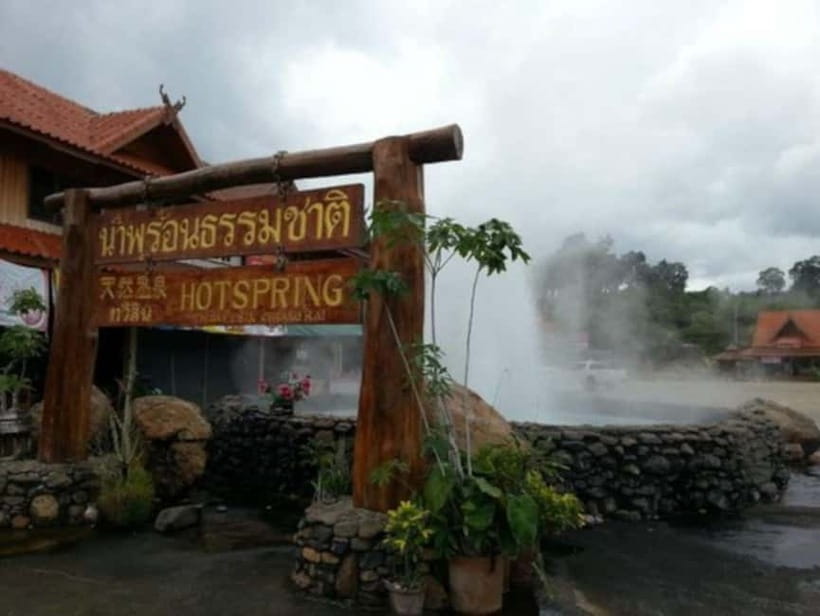
- Mae Khachan hot springs are a brief roadside stop: Expect hot pools, shops, and local egg cooking rather than a private spa.
- The Karen village costs extra: The Long Neck Karen Village admission is 300 THB per person and is optional.
- Lunch is included, but food expectations should stay modest: It is billed as a Thai buffet, with limited choices and spicy dishes possible.
- Guide quality matters: Siruin received especially warm praise, but guide assignment is not guaranteed.
Why Chiang Rai is worth the long ride
Chiang Mai is famous for old Lanna temples and mountain culture. Chiang Rai takes a different path. Its best-known religious buildings are modern creations shaped by artists who use color, sculpture, symbolism, and spectacle as much as traditional Buddhist design.
That contrast makes this trip worthwhile. You are not simply ticking off three similar temples. You are comparing three very different ideas about faith and art. The route also gives you a taste of northern Thailand beyond Chiang Mai, though the price of that reach is a full day on the road.
The tour includes free pickup and drop-off within six kilometers of Chiang Mai’s city center. The operator asks for your hotel name and its exact address or Google location, since a general Chiang Mai location may not be enough to find you. Pickup is shared and done in sequence, so you need to wait at your hotel rather than expect a precise private-car departure.
You travel in an air-conditioned minibus with an English-speaking guide. That matters on a day this long. The vehicle gives you a place to rest between stops, though anyone who dislikes long road journeys should think carefully before booking. The tour is not suitable for wheelchair users, babies under one year, people over 70, or people with pre-existing medical conditions.
More places to soak around Thailand:
- Chiang Mai: Chiang Rai Temples, Karen Tribe and Hot Springs
★ 4.7 · 5,401 reviews - Krabi: Tiger Cave Temple, Emerald Pool and Hot Springs Tour
★ 4.8 · 3,616 reviews - Krabi: Tiger Cave, Hot Springs and Emerald Pool Jungle Tour
★ 4.2 · 2,643 reviews
Mae Khachan hot springs: useful stop, modest setting
The first major pause is Mae Khachan hot springs. The plan presents it as a chance to relax, dip your feet, and enjoy the hot pools. In practice, keep your expectations realistic. This is a public roadside stop with hot wells, shops, and local egg cooking. It is not a secluded bathing resort.
That setting can still be interesting. You may watch eggs being cooked in the hot water, take a short break from the minibus, and buy a snack or souvenir. A foot soak can feel welcome after an early start. But if you picture a peaceful spa surrounded by nature, you may find the stop disappointing.
This is also where the tour’s value depends on your priorities. The hot springs are a pleasant pause, not the main reason to book. I would treat them as a chance to stretch your legs and see a local roadside attraction, not as a full thermal-bath visit.
The White Temple and its polished modern drama
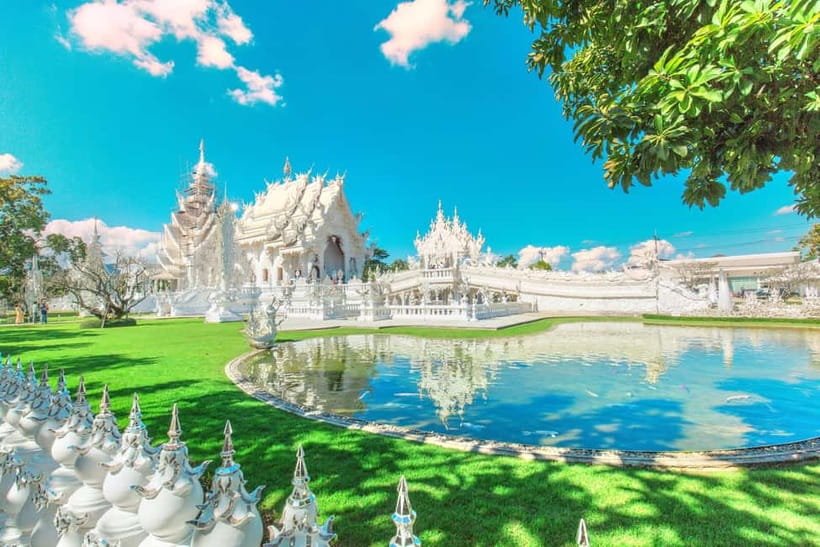
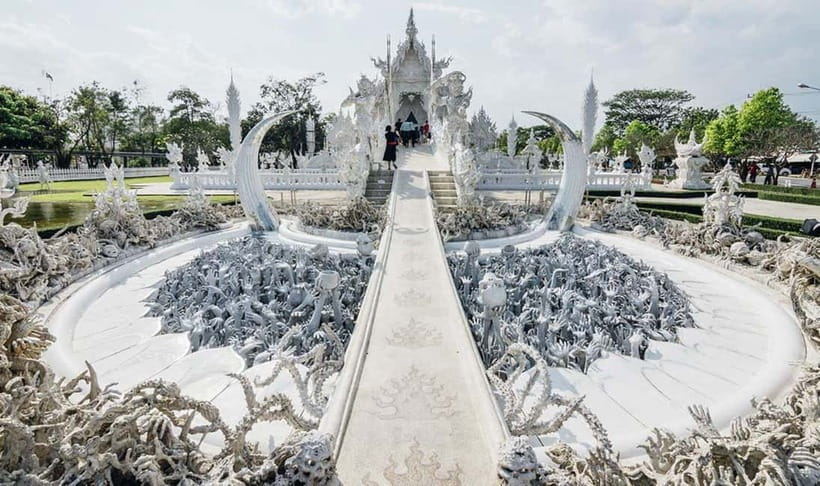
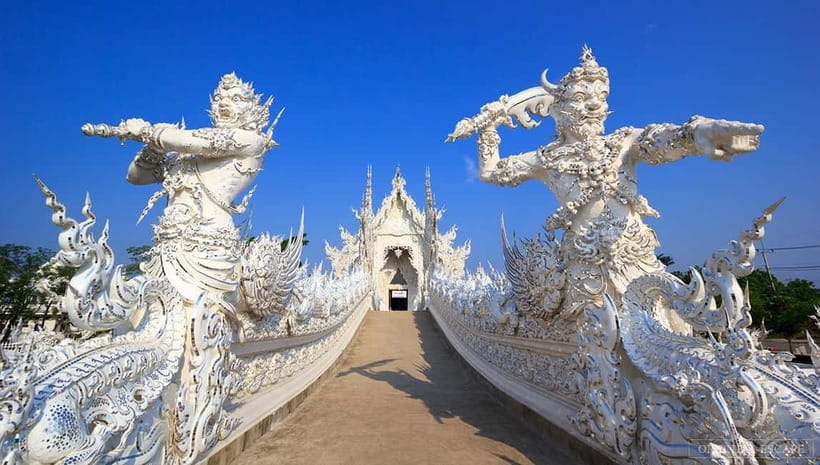
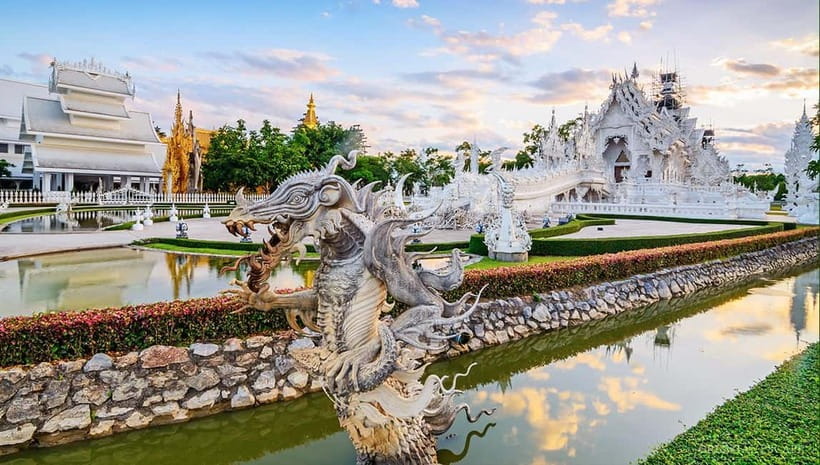
Wat Rong Khun, commonly called the White Temple, is the visual centerpiece. Its white surfaces, ornate details, and carefully planned sculptures make it look unlike an ordinary Thai temple. The building is modern, created by a renowned Thai artist who wanted Chiang Rai to have a landmark on the scale of the Taj Mahal.
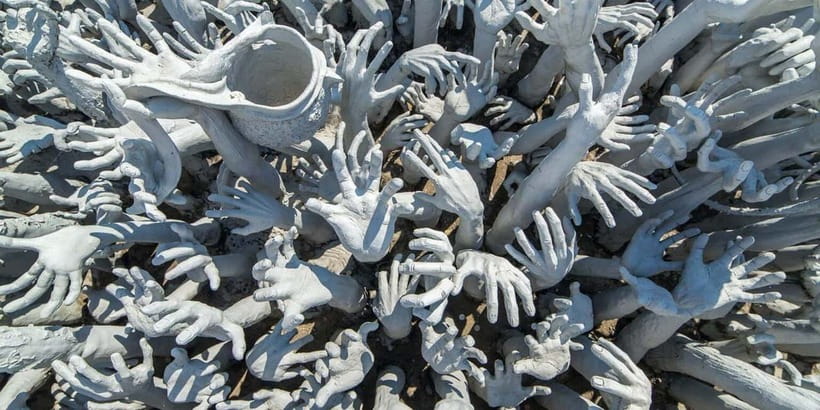
That modern date is important. You are not looking at an ancient monument. You are looking at a living art project that uses Buddhist ideas, fantasy, and moral symbolism. The attraction presents themes of good and evil in a way that can feel strange, theatrical, or even unsettling.
The site works best if you take time to look closely rather than rush in, take one photograph, and leave. The small details are part of the point. Some imagery may not suit every visitor, especially if you prefer calm, traditional temple spaces.
Temple etiquette still applies. Wear a T-shirt or another modest top, not a tank top, and choose sneakers, sports shoes, or other secure footwear instead of flip-flops. The dress rule is practical as well as respectful, since this is a full day with plenty of walking and standing.
Wat Rong Sue Ten, the Blue Temple
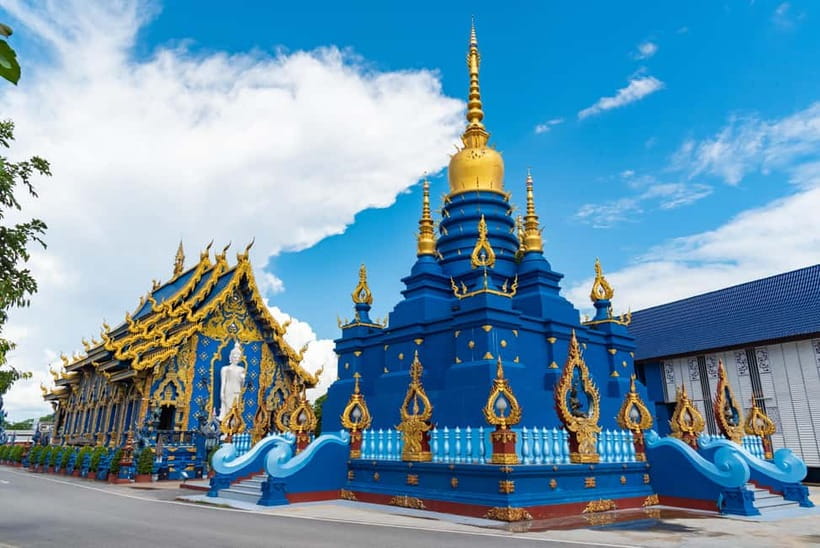
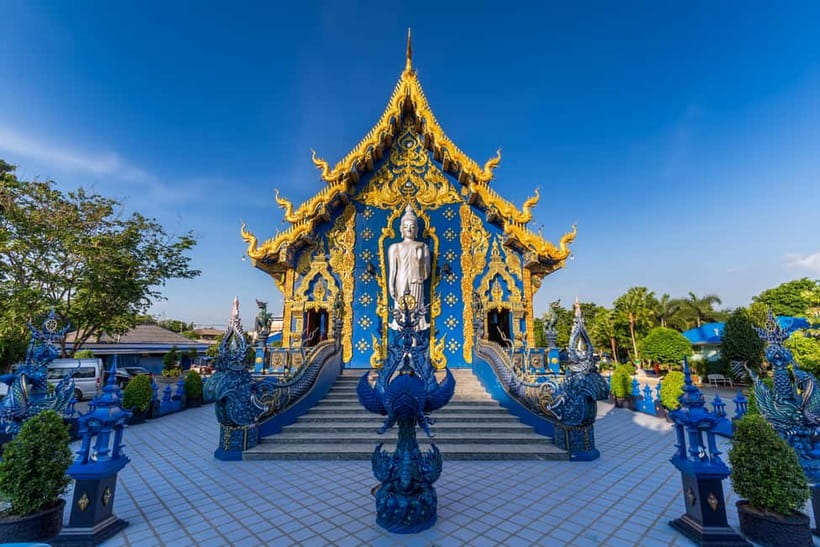
The Blue Temple, or Wat Rong Sue Ten, offers a sharp change of mood. Where the White Temple is pale and intricate, the Blue Temple surrounds you with intense blue tones, gold details, and Buddhist imagery. Its design shows how modern Thai artists can use traditional religious forms without copying an old temple.
I like this stop because it helps explain Chiang Rai’s artistic identity. The color is not a minor decoration. It controls the whole feeling of the place and makes the temple easy to remember after a long day of sightseeing.
Your guide can add meaning to what you are seeing, but the supplied information does not promise a fixed talk or a particular amount of time at the site. Since this is a shared tour, the pace may be set by the group and by the rest of the route. If photography matters to you, stay alert for your chance to look around before the group moves on.
Same steam, a different pool:
- Chiangmai to Chiangrai: 3 Temples, Hot Springs& Lalitta Cafe
★ 4.5 · 659 reviews - Ao Nang: Hot Spring, Emerald Pool & Tiger Cave Temple Tour
★ 4.7 · 576 reviews - All day Krabi Jungle Tour (Hot Spring Water, Emerald Pool, Tiger Cave Temple)
★ 4.5 · 323 reviews - Discover Krabi – Emerald Pool, Hot Springs & Tiger Cave Temple
★ 5.0 · 296 reviews
The Black House is a museum, not a temple
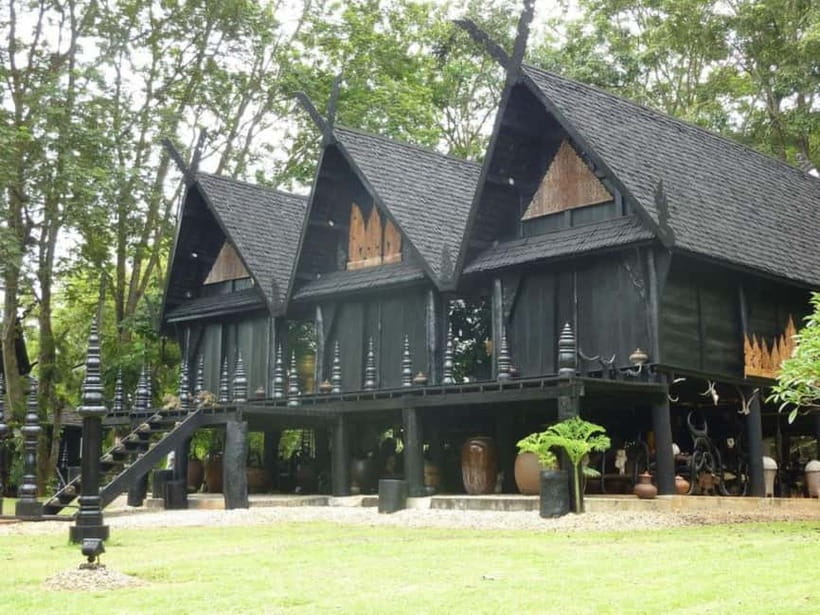
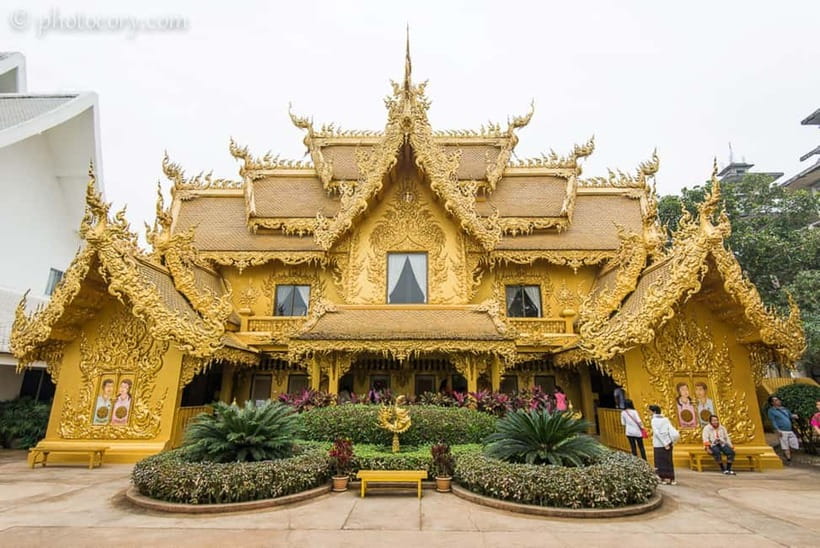
The Black House, also known as Baan Dam or the Black Museum, is the most unusual stop on the route. Calling it a temple is misleading. It is an art museum and collection of dark wooden buildings associated with the Thai artist Thawan Duchanee.
The mood is far removed from the White Temple. Expect dark timber, unusual objects, and artistic themes connected with mortality, animals, and power. It can be fascinating if you enjoy art that provokes a reaction. It may feel uncomfortable if you want only beautiful architecture and traditional Buddhist worship.
There is an important practical point here. The advertised route names the Black House, but one account of the day did not include it and instead included a red temple with a Big Buddha. Another mention involved a possible Lalitta Café charge. This suggests that routes or packages may differ despite similar titles. Before paying, ask the operator to confirm that the Black House is included in your exact booking, and ask about any café or optional stop fees.
That small check can prevent the biggest disappointment of the day. The Black House is not a minor substitute for another temple. It is a completely different kind of place, and many people book this tour specifically to compare it with the White Temple and Blue Temple.
The optional Long Neck Karen Village
The Long Neck Karen Village is listed as the last activity when that option is selected. Admission is not included and costs 300 THB per person. The village should therefore be treated as an optional add-on, not part of the basic price.
You may want to visit for cultural reasons, but you should also consider the setting carefully. One account described the village as created mainly for tourism and objected to the presentation of women wearing neck rings. If you are uncomfortable with staged cultural displays, skip this option.
There is another practical issue. If some people in your shared group choose the village and you do not, you may still need to wait while they visit. Ask before departure how long the stop will take and whether nonparticipants can remain elsewhere nearby. This is especially important on a packed day when every extra pause can push the return to Chiang Mai later.
Lunch is included, but keep expectations modest
A Thai buffet lunch is included, along with drinking water. That helps keep the day’s cost under control, and you do not need to search for a restaurant while moving between distant stops.
Still, lunch is not a major selling point. The food may be limited to a few rice-based dishes, and some choices can be quite spicy. One account described the meal as poorly suited to people wanting mild, varied food. If you have dietary restrictions, tell the operator in advance, as the tour specifically asks guests to report food limitations.
I would bring a small backup snack if you are particular about meals. That is not a criticism of Thai food. It is simply sensible on a full-day trip where the lunch format and menu may not match your tastes.
What the $36 price really covers
The listed price is $36 per group up to one person, so check the final booking total carefully if you are booking for more than one guest. On paper, the package includes a good amount: central pickup and return, air-conditioned transport, a private English-speaking guide, standard entrance fees, lunch, water, and travel accident insurance.
That makes the price attractive for someone who wants to see Chiang Rai without renting a car or arranging separate transport. The distance alone makes a private plan more complicated. You are paying not just for admission, but for the long transfer, route planning, and a guide who can keep the day moving.
The value weakens if the actual itinerary replaces the Black House, adds an unexpected café charge, or requires a stop you did not want. Confirm the exact route, the entrance fees covered, and the status of the Karen village before booking. A low headline price is useful only when the inclusions match your plan.
How to prepare for a smoother day
Give the operator your hotel name and full location when booking. Shared pickup means patience is needed, since the minibus collects people in order. If the vehicle seems late, contact the operator rather than leaving your hotel.
Wear respectful clothing from the start. A T-shirt and comfortable shoes meet the stated temple requirements better than a tank top and flip-flops. Bring water, sun protection, and a small snack, since the day includes outdoor stops and a lunch that may not suit every appetite.
The tour is offered in English. Guide Siruin received especially strong praise for making the day enjoyable, though you should not assume that every departure will have the same guide. If your booking details differ from the people in your party, such as a child’s age, height, or the number of participants, correct the information before departure. Any extra charge caused by a mismatch is payable upfront.
You can cancel up to 24 hours ahead for a full refund. The operator may also change the date, offer another tour, or refund you if a rare cancellation becomes necessary.
Who should book this Chiang Rai day trip?
I would choose this tour if you have limited time in northern Thailand and want the famous Chiang Rai art sites without handling the long drive yourself. It suits first-time visitors who enjoy unusual architecture, symbolic art, and a structured day with a guide.
It is less suitable if you want a relaxed pace, a quiet hot-spring retreat, or a carefully designed food-focused outing. It is also a poor fit if you dislike shared transport, optional tourist stops, or long hours away from Chiang Mai.
The biggest decision is not the White Temple. That stop is clearly the heart of the route. The real decision is whether you are comfortable with possible itinerary changes and the optional Karen village. Confirm those details in writing, then judge the $36 price against the exact plan you will receive.
Should you book it?
Book it if your priority is seeing the White Temple, Blue Temple, and Black House in one day, with transport and basic costs handled for you. The artistic contrast is memorable, and a well-organized guide, such as Siruin, can make the long route much easier.
Skip it if you want a private, unhurried day or if the Black House is essential and the operator cannot confirm it. I would also pass on the Karen village unless you have considered the ethical concerns and confirmed that skipping it will not leave you waiting for a large part of the afternoon.
FAQ
Is hotel pickup included from Chiang Mai?
Yes. Free pickup and drop-off are included for hotels within six kilometers of Chiang Mai’s city center. You need to provide the hotel name and exact address or Google location.
What temples are included?
The stated route includes Wat Rong Khun, known as the White Temple, Wat Rong Sue Ten, known as the Blue Temple, and the Black House or Black Museum.
Is the Black House definitely included?
The advertised route includes it, but the itinerary may vary. Confirm the exact stops with the operator before booking, especially if the Black House is a priority.
Is the Long Neck Karen Village included in the price?
No. Admission costs 300 THB per person. The village is visited only when that option is selected.
Is lunch included?
Yes. A Thai buffet lunch and drinking water are included. Tell the operator about food restrictions in advance.
How do I need to dress for the temples?
Wear casual, respectful clothing. Tank tops and flip-flops are not allowed. T-shirts, sneakers, sports shoes, and similar footwear are acceptable.
Is this tour suitable for children?
Children aged three to six have a child ticket price. The experience is not suitable for babies under one year. The supplied information does not give a child price for every age, so check the booking details.
Can I cancel for a refund?
Yes. You can cancel up to 24 hours in advance for a full refund.
New places to soak around Thailand
- Krabi Jungle Tour (Emerald Pool, Hot Spring & Tiger Cave)★ 3.0 · 2 reviews
- Krabi Reset & Relax: Onsen, Hydro, Sound Healing & more★ 5.0 · 4 reviews
- Krabi’s Hidden Gems: Emerald Pool & Hot Spring Tour★ 5.0 · 2 reviews
- ECO Premium Jungle Hot Springs and Temple Tour★ 5.0 · 50 reviews
- Krabi Emerald Pool, Hot Spring and Tiger Temple★ 3.0 · 7 reviews
- Krabi Jungle Adventure: Emerald Pool, Hot Springs & ATV★ 3.5 · 5 reviews
- Half Day Jungle Tour to Emerald pool and Krabi Hot Spring★ 4.0 · 34 reviews
- Full-Day Tour to Emerald Pool, Hot Springs & Tiger Cave Temple from Krabi★ 3.0 · 6 reviews
Thailand Hot Springs: more water worth the trip.
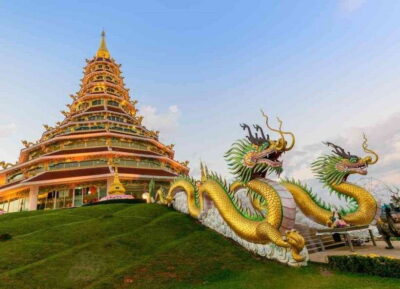
Chiang Mai: Chiang Rai Temples, Karen Tribe and Hot Springs
Read our review →
Krabi: Tiger Cave Temple, Emerald Pool and Hot Springs Tour
Read our review →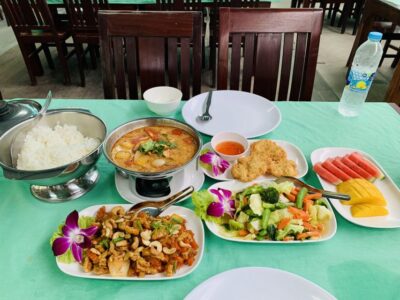
Ao Nang: Hot Spring, Emerald Pool & Tiger Cave Temple Tour
Read our review →
All day Krabi Jungle Tour (Hot Spring Water, Emerald Pool, Tiger Cave Temple)
Read our review →
Krabi: Tiger Temple, Hot Springs & Crystal Pool Jungle Tour
Read our review →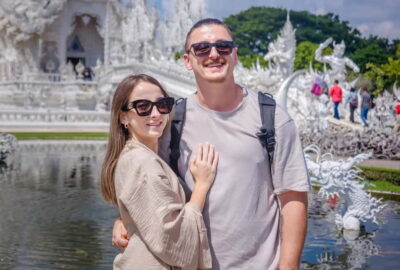
Red, Blue, White Temples & Hot Spring Trip from Chiang Mai
Read our review →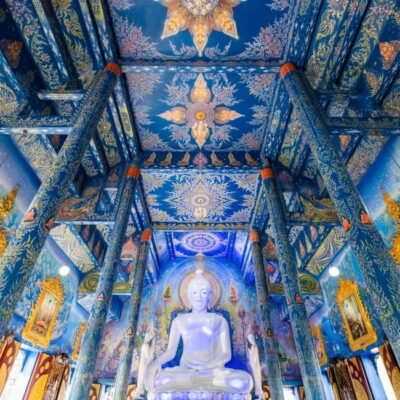
Chiang Mai: Chiang Rai Famous Temples & Hot Springs Day Trip
Read our review →
Bangkok: All-Day Pass to Yunomori Sathorn Onsen Bath and Spa
Read our review →Lists this soak appears on