
Review · CHIANG MAI
Chiang Rai White Blue Red Temples with Hot Spring from Chaing Mai
Chiang Rai’s three famous temples offer three very different moods in one long day. You’ll see the mirror-covered White Temple, the blue-and-gold Blue Temple, and Wat Huay Pla Kang, often called the Red Temple, with its huge Guan Yin statue and nine-level pagoda. The route also includes a short stop at a natural hot spring.
I like the small maximum group of 12, which should make hotel pickups and temple visits easier to manage. I also like the practical pricing: at $47.95, you get transport from Chiang Mai Old Town, lunch, water, entrance fees, a guide, and insurance in one package.
The catch is the road time. You may spend about three hours each way in an air-conditioned van, making this a roughly 10-hour day. It is a good value for seeing Chiang Rai in limited time, but it is not a relaxed outing.
Key points to know before booking
- Three temples, three distinct styles: White Temple is intricate and symbolic, Blue Temple is calm and richly colored, and Red Temple centers on Guan Yin and a nine-level pagoda.
- About six hours on the road: The long transfer from Chiang Mai is the main cost in energy and time.
- Small-group format: The tour accepts up to 12 people, with English and Thai-speaking guides.
- Hot spring stop included: You can dip your feet in the mineral water, but full-body bathing is not allowed.
- Long Neck Village is optional: Add it for THB 300 per person if you want an extra cultural stop.
- Temple clothing matters: Wear sneakers or sports shoes, a T-shirt, and long trousers or another below-the-knee option.
Why this Chiang Rai day trip works
The appeal is simple: Chiang Rai has several striking sights, but reaching them from Chiang Mai takes time and planning. This tour bundles the main stops into one day, with a pickup from Chiang Mai Old Town and a return to the same meeting area.
You leave at 7:00 a.m., which is early but sensible. The distance between the two cities means a late start would push the return well into the evening. The total duration is about 10 hours, including hotel transfers and the road sections between stops.
The tour suits you best if you want to see Chiang Rai without changing hotels or arranging a private driver. It also works well for couples, families, solo visitors, and small groups who prefer a guide to handle the route.
The tradeoff is clear. You will spend much of the day seated in the van, and the exact timing can shift. Traffic, pickup arrangements, and time spent at each site may affect the schedule.
More places to soak around Chiang Mai:
- Chiang Mai: Chiang Rai Temples, Karen Tribe and Hot Springs
★ 4.7 · 5,401 reviews - Chiangmai to Chiangrai: 3 Temples, Hot Springs& Lalitta Cafe
★ 4.5 · 659 reviews - Red, Blue, White Temples & Hot Spring Trip from Chiang Mai
★ 4.4 · 143 reviews
The road from Chiang Mai to Chiang Rai
The journey is part of the experience, but you should treat it as transport rather than sightseeing time. The drive can take around three hours each way, and one account described the air-conditioned van ride as pleasant. Another raised a concern about fast driving on the return trip.
That mixed picture is useful. The van and included transfers remove the stress of finding the temples yourself, but your comfort depends partly on traffic and driving style. If you dislike long road journeys, a private overnight visit to Chiang Rai may suit you better.
For a day trip, the vehicle setup is practical. The group limit of 12 is more manageable than a large coach, especially when people are getting in and out at several locations. Bring water, though drinking water is included, and consider carrying a light layer for the air conditioning.
A warm start at the Chiang Rai hot spring
The first stop lasts about 30 minutes and provides a quick break after the morning drive. You can relax beside the natural hot spring and dip your feet in the mineral water.
Do not plan on a full soak. Only foot dipping is permitted, and full-body bathing is prohibited. This is best seen as a short refreshment stop rather than a spa visit.
The hot spring also breaks up the transfer before the temples begin. Half an hour is enough to stretch your legs and take a few photos, but not enough for a long visit. If you are hoping for a quiet, private bathing experience, this stop will feel limited.
Wat Rong Khun, the White Temple
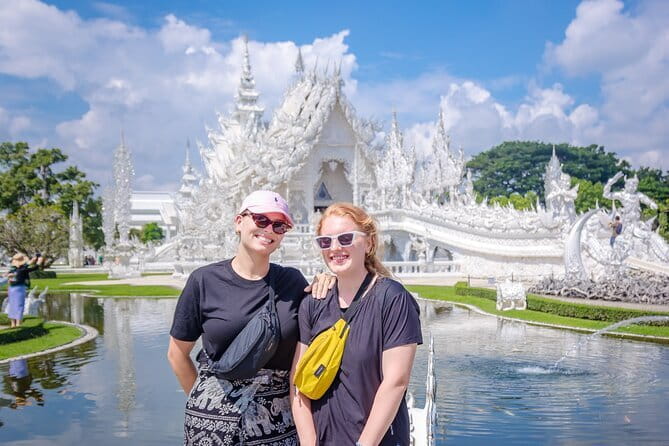
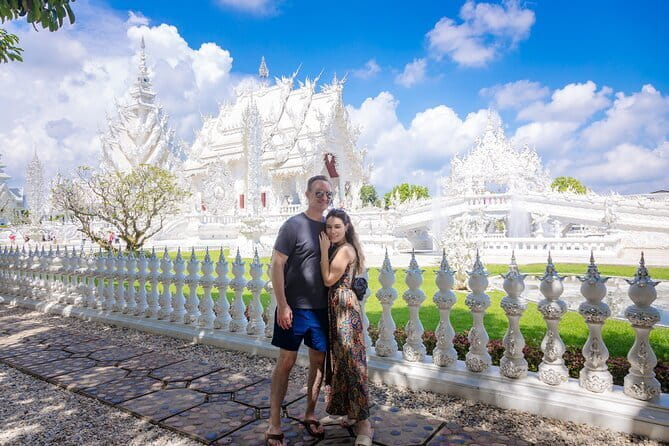
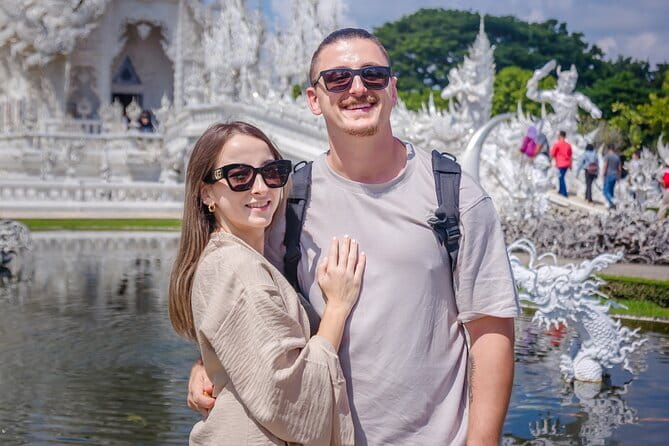
Wat Rong Khun is the main visual event of the day for many people. Its white surfaces, mirrored details, and elaborate decoration give it a look unlike a traditional Thai temple.
The design is modern Thai art rather than an old monument. The reflective pieces catch the light, while the many sculpted details make the temple worth seeing slowly. Buddhist ideas appear throughout the architecture, so this is not simply a photo stop.
You have about two hours here, the longest scheduled visit of the day. That gives you time to look beyond the first impression and notice the symbolic details. You will want comfortable shoes, since temple grounds require walking and flip-flops are not permitted.
The White Temple can be busy. That does not erase its appeal, but it affects how peacefully you can examine the details or take photographs. Keep your expectations realistic: this is one of Chiang Rai’s best-known sights, not an isolated place with no crowds.
The two-hour allocation is useful because the building rewards patience. Walk around the exterior, study the carvings, and allow time for the guide to explain what the imagery means. The tour includes the entrance fee, so you do not need to budget for a separate admission at the stop.
Same steam, a different pool:
- Chiang Mai: Chiang Rai Famous Temples & Hot Springs Day Trip
★ 4.0 · 129 reviews - Full-Day Chiang Rai Temples Tour from Chiang Mai with Hot Spring
★ 4.5 · 48 reviews - Chiang Rai One Day: White Temple, Golden Triangle, Akha Hilltribe
★ 4.5 · 32 reviews - Chiang Mai: Mae Kampong Village, Hot Springs & Bor Sang Tour
★ 5.0 · 30 reviews
Wat Rong Suea Ten, the Blue Temple
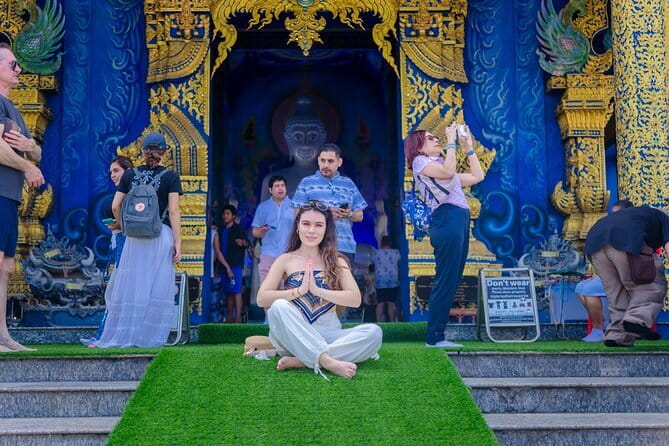
The Blue Temple, also known as Wat Rong Suea Ten, changes the mood completely. Its strong blue and gold decoration creates a calmer, more unified interior than the White Temple’s highly detailed exterior.
You get about one hour here. That is enough for a focused visit, particularly if you want to take in the interior colors and spend a few quiet minutes inside. The temple is known for its peaceful atmosphere, so this is a good place to slow down after the busy visual impact of Wat Rong Khun.
I would pay attention to the contrast between the two temples. The White Temple pulls your eye in many directions with mirrors and sculpted forms. The Blue Temple uses color and a more settled interior mood. Seeing both on the same day makes the differences easier to appreciate.
As with all the temples, dress respectfully. T-shirts are acceptable, but tank tops and short pants are not. Sneakers or sports shoes are allowed, while flip-flops are not. Long pants, such as jeans, are the safest choice.
Wat Huay Pla Kang and the Red Temple
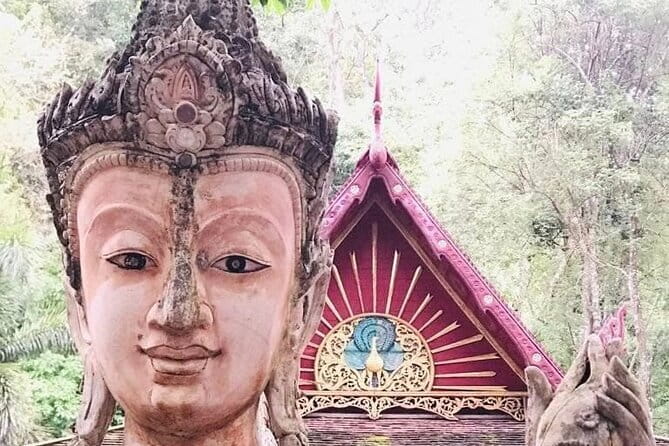
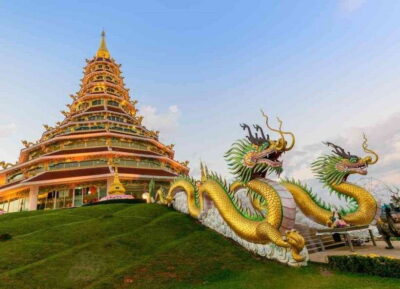
The final temple stop is Wat Huay Pla Kang, commonly presented on this tour as the Red Temple. Its main feature is a 25-meter Guan Yin statue, a figure associated with mercy and compassion.
The statue gives the site a very different character from the first two temples. Instead of focusing mainly on unusual surface design, this stop gives you a large religious figure and a broader sense of scale. A nine-level pagoda adds another strong feature and offers views of the surrounding area.
The scheduled visit lasts about one hour. You can use that time to see the pagoda, look toward the statue, and take in the setting. The large Guan Yin figure is especially memorable, and the pagoda provides a useful change from the enclosed temple interiors.
Some visitors choose this stop instead of the Black Temple and museum when comparing Chiang Rai attractions. That is a sensible choice if you prefer an active temple visit with a major statue and pagoda rather than a museum-focused stop.
Lunch, water, and what the price covers
Lunch is included, along with drinking water. That matters on a packed day because you do not need to spend time arranging a separate meal while moving between distant sights.
The meal is a practical part of the package, not necessarily a reason to book the tour by itself. If you are particular about food or dining atmosphere, keep your expectations measured. The meal stop helps keep the schedule moving, and one assessment specifically suggested using a different lunch location.
At $47.95 per person, the value is strongest when you use all the included parts: round-trip Old Town transfers, a professional English and Thai-speaking guide, lunch, water, entrance fees, and travel insurance. Paying separately for a driver, fuel, admissions, and a guide would take more planning and could cost more for a solo visitor or couple.
The price is less compelling if you are already renting a car, staying in Chiang Rai, or planning an overnight visit. A self-guided trip gives you more control over timing, though you would take on the route planning and driving.
Guides and the small-group format
The guide can shape the day, especially when the road time is so long. The tour uses professional guides in English and Thai, and named guides including Chin, New, Eddy, and Da-da have been associated with the experience.
Chin is described as informative and pleasant. New is noted for being attentive, while Da-da is described as friendly. Eddy is also praised for helping capture group memories. These details suggest that the guide role goes beyond pointing out buildings. You can expect help with temple explanations, timing, and group coordination.
Still, guide quality can vary from one departure to another. The small group limit of 12 gives you a better chance to ask questions than a large coach tour, but it does not guarantee a private experience.
The guide can also help you judge how to spend your time. At the White Temple, that may mean explaining symbolic features. At the Blue Temple and Red Temple, it may mean giving context before allowing you to explore at your own pace.
The optional Long Neck Village visit
The Long Neck Village is not part of the standard included stops. You can add it for THB 300 per person.
This option is best for you if learning about Karen traditions is a priority and you want a cultural element beyond the temples. It adds another layer to the day, but it also means less free time or a tighter schedule, depending on the day’s route.
Ask about the timing before adding it, especially if you already find a 10-hour tour demanding. The three temples are the core of the experience, while the village is an extra choice for people with a specific interest in Karen culture.
Clothing, comfort, and practical preparation
Temple etiquette is not difficult, but you need to plan for it. Wear:
- Long trousers or another respectful long option
- A T-shirt rather than a tank top
- Sneakers or sports shoes rather than flip-flops
These rules apply across the temple visits. Dressing correctly saves you from needing to change clothes or feeling uncomfortable at the entrance.
The day starts at 7:00 a.m., so arrange your morning around an early pickup. Transfers are offered from Chiang Mai Old Town, and the tour ends back at the meeting point. The total time includes pickup and drop-off, so do not schedule another fixed activity close to the advertised return time.
Children aged 3 to 6, and children under 120 centimeters, are charged the child rate. Most people can take part, and the activity is near public transportation, though the tour itself provides the planned transfers.
Cancellation and weather considerations
Free cancellation is available if you cancel at least 24 hours before the local start time. Changes or cancellations made within 24 hours are not accepted for a refund.
The tour requires suitable weather. If poor weather forces cancellation, you can receive a different date or a full refund. The same applies if the minimum number of participants is not reached, with the choice of another date, another activity, or a refund.
The schedule can change, and the listed times are approximate. That is normal for a route with hotel pickups, long-distance driving, and several temple visits. Keep the evening open rather than booking a timed dinner, show, or onward connection.
Who should book this Chiang Rai temple tour?
I would choose this tour if you have only a few days in Chiang Mai and want to see Chiang Rai’s major temples without arranging a complicated route. It is especially useful for solo visitors and couples, since the shared cost includes transport, admissions, lunch, and a guide.
Families can also make it work, provided everyone is comfortable with a long van ride and an early start. The hot spring stop gives children a brief change of pace, but this is still a full-day road outing rather than a light local excursion.
You should think twice if you dislike long transfers, want extensive time at each temple, or prefer to set your own meal and departure schedule. The temples are the reward, but the six hours on the road are a real part of the deal.
Should you book it?
Book this tour if your priority is seeing the White, Blue, and Red Temples in one organized day from Chiang Mai. The strongest reasons are the unusual temple designs, the included transport and admissions, the small group size, and guides such as Chin, New, Eddy, and Da-da.
Skip it in favor of an overnight Chiang Rai visit if you want a slower pace or more control. For most people with limited time, though, $47.95 is a fair price for a demanding but efficient day. Wear proper shoes, dress for temple rules, accept the long drive, and you’ll get a memorable look at Chiang Rai’s modern religious art.
FAQ
How long does the Chiang Rai temple tour take?
The tour lasts about 10 hours, including hotel transfers and travel between Chiang Mai and Chiang Rai. The drive can take about three hours each way.
What time does the tour start?
The stated start time is 7:00 a.m. The activity ends back at the meeting point in Chiang Mai.
Which temples are included?
The tour visits Wat Rong Khun, known as the White Temple; Wat Rong Suea Ten, known as the Blue Temple; and Wat Huay Pla Kang, presented as the Red Temple.
Is the hot spring a full bathing stop?
No. You may dip your feet in the hot spring, but full-body bathing is prohibited.
Is the Long Neck Village included in the price?
No. The Long Neck Village is optional and costs an additional THB 300 per person.
What should I wear to the temples?
Wear sneakers or sports shoes, a T-shirt, and long pants such as jeans. Flip-flops, tank tops, and short pants are not permitted for temple visits.
New places to soak around Chiang Mai
- White Temple, Black House Museum and Hot Spring Tour from Chiang Mai (SHA Plus)★ 3.5 · 3 reviews
- Chiang Rai Tour: Hot Spring,White Temple, Golden Triangle, Yao★ 4.0 · 3 reviews
- Lost in Chiang Mai – Secret Village, Hot Spring & Waterfall – A Cultural Therapy★ 5.0 · 3 reviews
- Extream Zipline @ Kingkong Smile and Dip in Hot Spring★ 5.0 · 9 reviews
- Private Chaing Dao Tour. Village, Cave,Hot springs, Sticky Waterfall.★ 5.0 · 4 reviews
- Chiang Mai Pai Full Day Sai Ngam Hot Spring, Pai Canyon, White Buddha, Santichon★ 4.0 · 3 reviews
- Mae Kampong Village, Hot Springs, Bor Sang Umbrellas Making Tour★ 5.0 · 6 reviews
- Chiang Rai One Day: White Temple, Golden Triangle, Akha Hilltribe★ 4.5 · 32 reviews
Chiang Mai Hot Springs: more water worth the trip.
Chiang Mai: Chiang Rai Temples, Karen Tribe and Hot Springs
Read our review →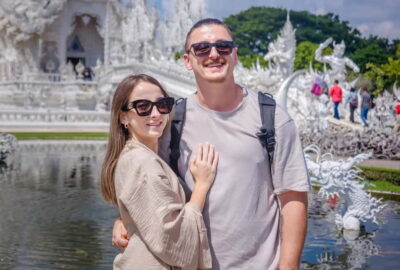
Red, Blue, White Temples & Hot Spring Trip from Chiang Mai
Read our review →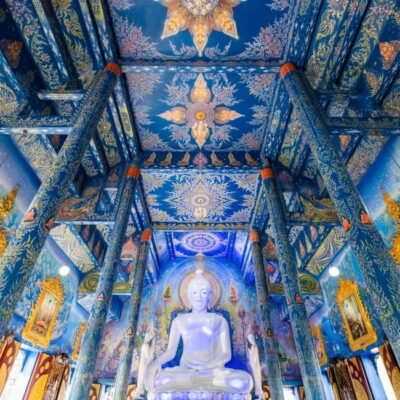
Chiang Mai: Chiang Rai Famous Temples & Hot Springs Day Trip
Read our review →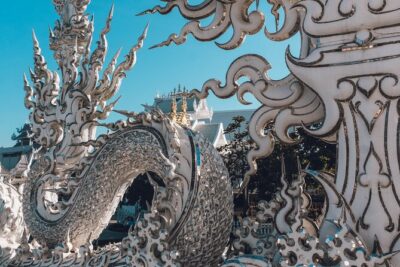
Full-Day Chiang Rai Temples Tour from Chiang Mai with Hot Spring
Read our review →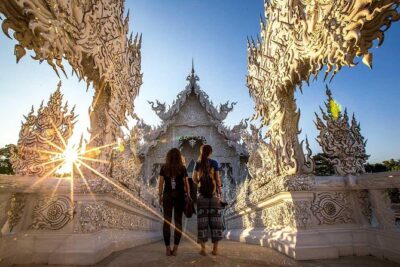
Chiang Rai One Day: White Temple, Golden Triangle, Akha Hilltribe
Read our review →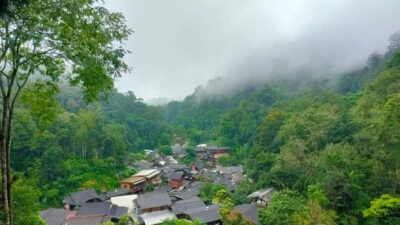
Chiang Mai: Mae Kampong Village, Hot Springs & Bor Sang Tour
Read our review →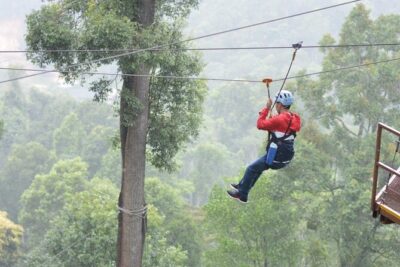
Extream Zipline @ Kingkong Smile and Dip in Hot Spring
Read our review →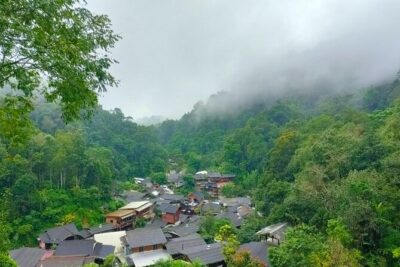
Mae Kampong Village, Hot Springs, Bor Sang Umbrellas Making Tour
Read our review →Lists this soak appears on