
Review · PERU
From Cusco: 7 Lagoons of Ausangate Trek with Hot Springs
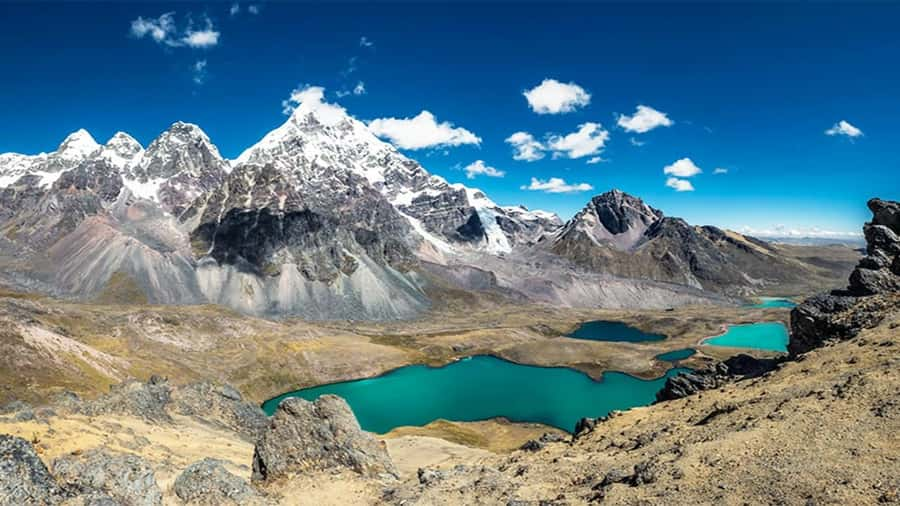
The main event is a string of seven turquoise lakes beneath snowy Ausangate, Peru’s great Andean mountain. You leave Cusco before dawn, climb as high as 4,867 meters, then return to Pacchanta for hot springs and a hearty local lunch.
I like the mix of wild scenery and local life. You may see llamas, alpacas, vizcachas, and, with luck, an Andean condor. I also like that breakfast, lunch, transport, and a guide are included. The catch is serious: this is a demanding high-altitude hike, not a quick photo stop with a little walking attached.
Key points
- Seven named lagoons: Azulcocha, Otorongo, Oq’ecocha, Pucacocha, Pachaspata, Alqacocha, and Q’omercocha.
- Very high route: The lakes sit between about 4,618 and 4,867 meters above sea level.
- Early start: Hotel pickup begins at 4:30 AM, with arrival back in Cusco around 6:30 PM.
- A useful finish: Pacchanta’s hot springs offer a warm break after the hike.
- Wildlife along the way: Look for llamas, alpacas, vizcachas, and possibly an Andean condor.
- Guide support matters: Guide Ozuna Baby is specifically noted for watching the group and helping people who needed extra support.
Seven lagoons beneath Ausangate
This route takes you into the high country around Ausangate, a snow-covered peak with a strong place in Andean belief. The lakes are the reason to come, but the scale of the mountain country is what gives the hike its force.
The water changes color with the light and weather. The names are useful because they give the day a clear rhythm:
- Azulcocha Lagoon, about 4,618 meters
- Otorongo Lagoon, about 4,620 meters
- Oq’ecocha Lagoon, about 4,631 meters
- Pucacocha Lagoon, about 4,670 meters
- Pachaspata Lagoon, about 4,867 meters
- Alqacocha Lagoon, about 4,752 meters
- Q’omercocha Lagoon, about 4,666 meters
Pachaspata is the high point listed for the route. At nearly 4,900 meters, altitude is more important than the distance on paper. A short uphill stretch here can feel harder than a much longer walk at home.
I like that the route gives you several views rather than one single lookout. You get repeated changes in angle, color, and distance from Ausangate. The downside is that the lakes are not low-effort attractions. You need to earn the views with steady uphill walking and careful pacing.
More Hot Spring Hiking Tours in the world:
- Bali: Mount Batur Sunrise Guided Hike and Natural Hot Spring
★ 4.8 · 9,284 reviews - Mount Batur Sunrise Hike and Natural Hot Spring Option
★ 5.0 · 1,927 reviews - Private Tour Mount Batur Sunrise Trekking and Natural Hot Spring
★ 5.0 · 431 reviews
The 4:30 AM start from Cusco
Pickup is offered from several central points: Cusco Plaza Hostel, Plaza San Francisco, Limacpampa, Plazoleta de San Blas, and Avenida El Sol. The pickup time is 4:30 AM, so organize your clothing and water the night before.
The drive to Pacchanta takes about two hours. You have breakfast there before starting the hike, which is practical because you need food in you before gaining more altitude. Do not treat breakfast as a replacement for snacks. The advice for this trip includes bringing extra food, water, sunscreen, and cash.
The return to Cusco is expected around 6:30 PM, making this a long day. You are looking at roughly fourteen hours from pickup to return, with a mountain hike in the middle. That schedule works well if you have only one free day, but it leaves little room for a relaxed morning or evening.
Transport is included, as is hotel pickup. The final stop is Plaza Regocijo, rather than necessarily your hotel door. Check your own plans for the evening before booking a late dinner or another activity.
Breakfast before the climb
Pacchanta is the practical base for the day. You eat breakfast here, begin the trek, and return later for hot springs and lunch. This keeps the day centered on the local community rather than turning the area into a quick roadside stop.
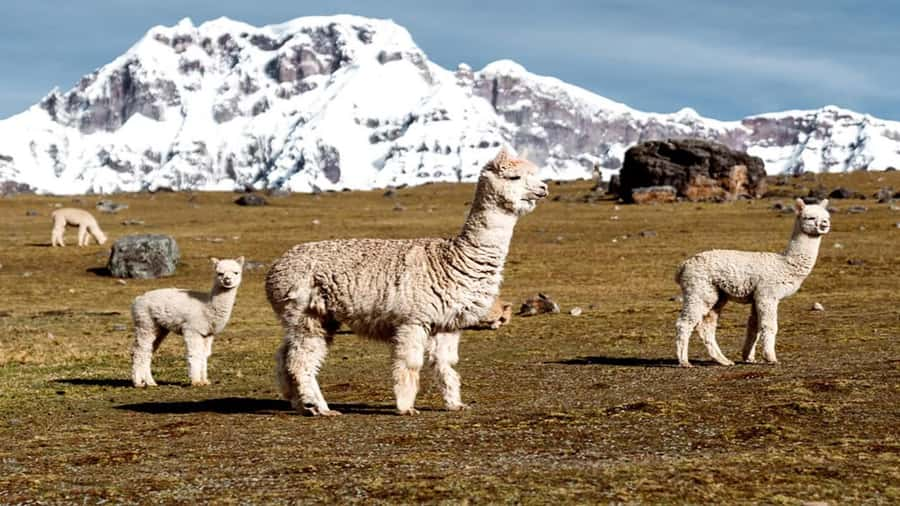
The community is associated with llama and alpaca herding. That matters because the animals you see are part of daily life here, not staged wildlife attractions. Keep your camera ready, but give animals and local people room.
At this height, the morning can be very cold. Warm clothing is essential, along with a hat and comfortable shoes. Sunscreen is also important because strong sun and cold air can fool you into thinking your skin is protected.
The seven stops on foot
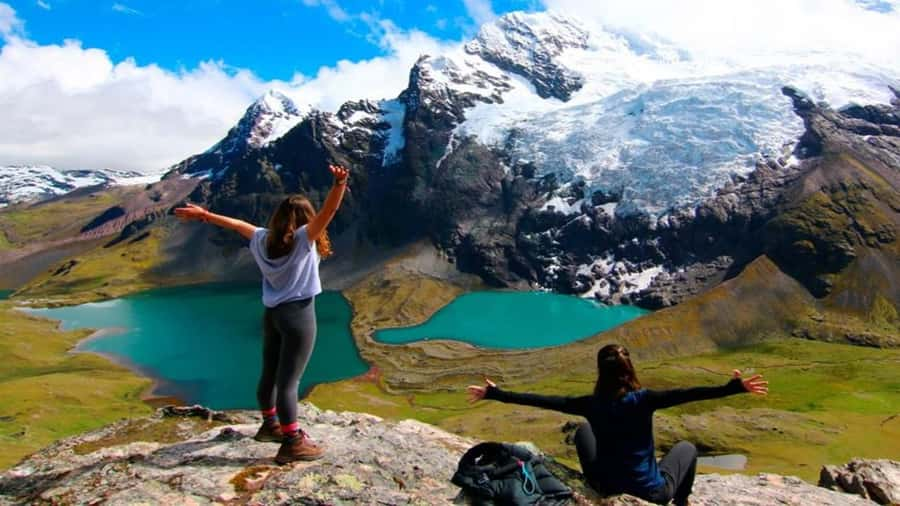
The hike includes guided visits, photo stops, and free time near the lakes. Your guide leads the route and helps keep the group moving, but you still need to manage your own pace.
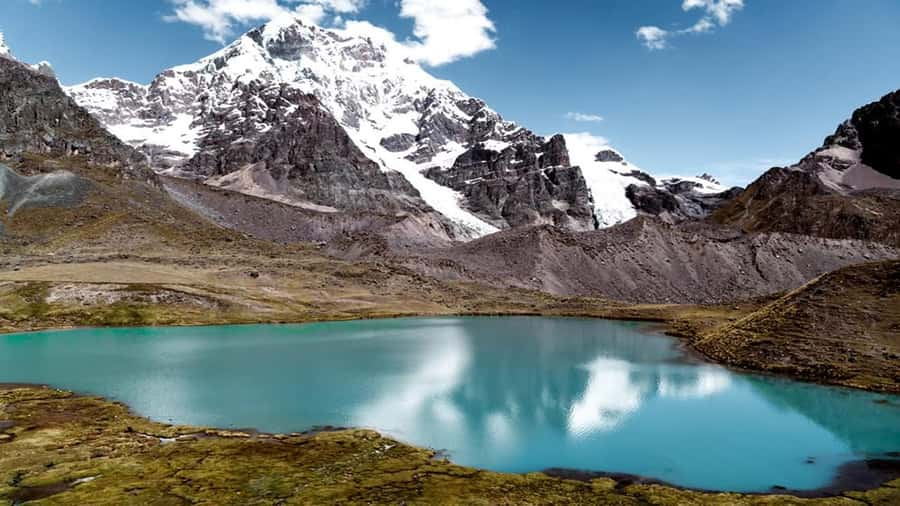
Azulcocha and Otorongo are among the first named lakes, at just over 4,600 meters. Their turquoise water and the surrounding high peaks give you an early sense of what the day is about. The first lakes can feel especially rewarding because you see results soon after starting.
Oq’ecocha and Pucacocha continue the climb. At Pucacocha, the elevation is about 4,670 meters. The air is thin enough that you should slow down, take regular pauses, and avoid racing ahead for a photograph.
Pachaspata is the highest lake on the stated route. At about 4,867 meters, it is the point where altitude becomes the day’s main test. If you feel unwell, tell the guide. Do not try to prove something to yourself by pushing through serious symptoms.
Alqacocha and Q’omercocha complete the seven-lake circuit. By then, you will have seen the route’s full range of water colors and mountain views. The walk back to Pacchanta is welcome, but it is not automatically easy. Tired legs and high altitude can make the return feel longer than expected.
The route is rated moderate, but the altitude and weather make that label worth treating carefully. One verified account described it as very demanding and stressed that it is not a casual, social-media photo outing. That is good advice. You should have a reasonable level of fitness and some comfort with long mountain walks.
More places to soak around the world:
- Budapest: Széchenyi Spa Day Ticket with Optional Upgrades
★ 4.3 · 23,911 reviews - Krakow–Zakopane: Cable Car, Chocholow Baths, Cheese & Vodka
★ 5.0 · 10,720 reviews - Reykjavik: Sky Lagoon Entrance Pass With 7-Step Spa Ritual
★ 4.8 · 6,166 reviews - From Reykjavik: Golden Circle, Kerid, & Secret Lagoon Tour
★ 4.8 · 6,009 reviews
Animals of the high Andes
Llamas and alpacas are the most likely animals to see along this route. You may also spot vizcachas, small Andean mammals that are often seen among rocky slopes. An Andean condor is possible, though never guaranteed.
The wildlife adds life to what can otherwise feel like a stark, open mountain setting. I like this part of the trip because it connects the scenery to the people and animals who use this high country.
Do not book the tour solely for the condor. Treat that as a bonus. The dependable attractions are the lagoons, Ausangate, the mountain air, and the chance to see herding communities and livestock in their natural setting.
Ausangate in Andean belief
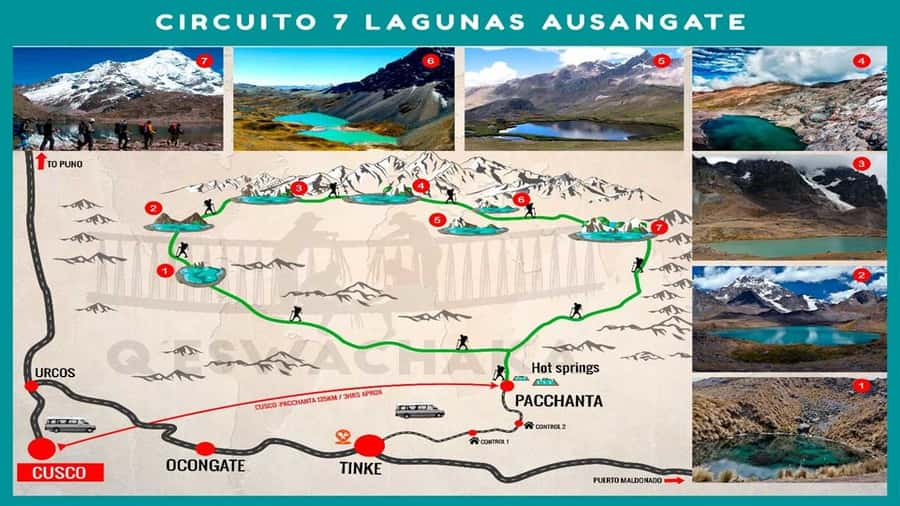
Ausangate is more than a dramatic peak. In Inca mythology, the mountain and nearby lakes are linked with masculine energy that fertilizes Pachamama, Mother Earth.
The water is also tied to a larger cycle. According to the tradition shared for this area, water eventually reaches the Amazon, then returns each night in transformed form as the River of Stars, the Milky Way. You do not need to accept every part of the story literally to appreciate what it tells you: these mountains, lakes, glaciers, and rivers are viewed as one connected living system.
The Chillca community is made up largely of llama and alpaca herders and is known as a guardian of these remote places. The wider area also has longer hiking routes, lodges, and tambos, including Machuracay Tambo on the Path of the Apu Ausangate.
The annual Qoyllur Rit’i festival takes place on Ausangate’s northern side before Corpus Christi. Thousands of Quechua people make a pilgrimage to the Lord of Qoyllur Rit’i at the Sinakara temple. The pilgrimage is recognized on UNESCO’s Representative List of the Intangible Cultural Heritage of Humanity.
You are not attending that festival on this day trip, but knowing this context makes the mountain feel less like a scenic backdrop. The route passes through a place with living religious meaning.
Pacchanta hot springs after the hike
After visiting all seven lakes, you return to Pacchanta for free time in the hot springs. This is a smart ending to a strenuous day. Warm water gives you a chance to rest before lunch and the drive back to Cusco.
Do not expect the springs to erase every effect of the hike. Your body has still spent hours at high altitude, and you may remain tired. But the stop breaks up the return journey and gives the day a more pleasant finish than simply getting straight back into a vehicle.
Bring what you need for the hot springs, but keep your packing simple. The supplied information specifically calls for comfortable shoes, warm layers, a hat, sunscreen, water, snacks, and a camera. Smoking is not allowed during the activity.
Lunch and what the $43 price covers
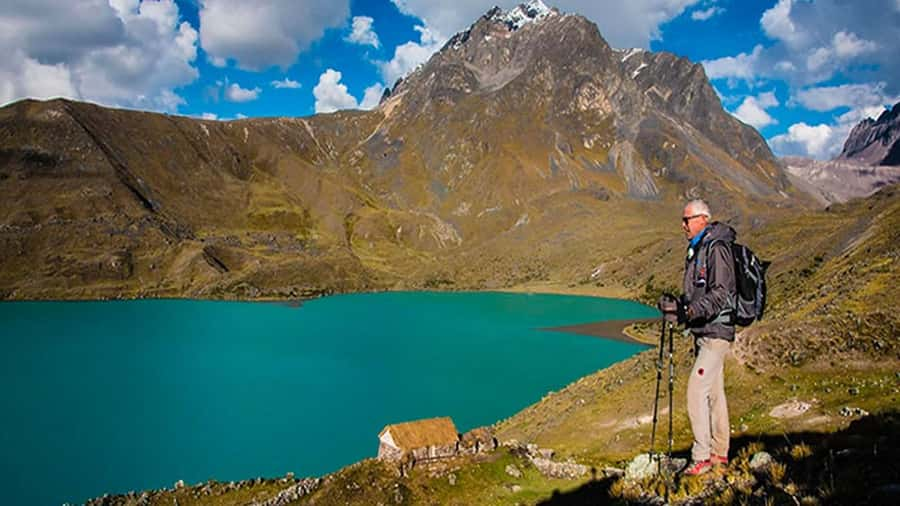
At about $43 per person, the tour offers good value if you want transport and meals arranged for a single day. The price includes hotel pickup, transportation, breakfast, a typical lunch, and a live guide in English or Spanish.
That package matters here because the departure is early and the route is remote. Arranging transport, breakfast, and lunch yourself would add effort to a day that already demands plenty of energy. A guide also helps you understand the route and respond if someone needs assistance.
The price does not include the entrance fee, dinner, or personal expenses. The entrance cost is not specified in the information provided, so budget extra rather than assuming the advertised price is the final total.
Bring cash. There may not be ATMs available, and you may need money for personal expenses or a horse if you find the route too demanding. The horse advice comes directly from the practical reality of this hike: if your fitness is limited, carrying cash gives you another option.
Altitude, weather, and physical effort
Altitude is the biggest issue. The lakes sit far above Cusco, with the route reaching nearly 4,900 meters. Altitude sickness pills are recommended, but medication does not make poor acclimatization or low fitness disappear.
You should not book this trip if you currently have altitude sickness. It is also not suitable for pregnant women, people with back problems, or people with a low level of fitness.
The weather can be very cold, especially at night and during the early start. Pack layers rather than relying on one heavy coat. You want to adjust your clothing as the day changes, since the sun, wind, and effort can produce very different sensations.
A good approach is to walk slowly and keep your breathing controlled. Stay close enough to hear the guide, and speak up early if you feel dizzy, unusually weak, or unwell. The guide named for this experience, Ozuna Baby, is noted for staying attentive and helping people who needed support. That is encouraging, but your own preparation still matters.
Who should book this day trip
I would choose this trip if you want a serious high-Andes experience but do not have time for a multiday Ausangate trek. You get the mountain, seven lakes, local animals, a traditional meal, and hot springs in one long day.
It suits people who are comfortable with a demanding walk and who understand that the altitude is the main challenge. Strong scenery alone is not enough. You need warm clothes, water, snacks, a reasonable fitness base, and patience with a slow pace.
I would skip it if you are looking for an easy sightseeing outing from Cusco. The early pickup, long return, cold weather, and thin air can make the day uncomfortable for anyone who has not prepared.
Cancellation is free up to 24 hours before the activity, and you can reserve now and pay later. Those policies help if your Cusco plans are still moving, but they do not change the physical demands of the route.
My verdict on the Ausangate experience
Book this tour if the idea of seeing seven high-altitude lagoons beneath Ausangate excites you more than the thought of a long, tiring day. The best features are specific and worthwhile: the seven named lakes, the chance to see llamas and alpacas, the local food, and the hot springs at Pacchanta.
Go in with clear expectations. This is not simply an attractive place to pose for photos. It is a high mountain hike that reaches nearly 4,900 meters. Prepare properly, carry cash, pace yourself, and tell the guide when you need help. If you do that, the $43 package offers a practical way to experience one of the most striking mountain areas near Cusco in a single day.
FAQ
How long is the Ausangate seven-lagoon tour?
It lasts one day. Pickup begins at about 4:30 AM, and arrival back in Cusco is expected around 6:30 PM.
What time does pickup begin?
Pickup begins at 4:30 AM from selected central Cusco locations, including Plaza San Francisco, Limacpampa, Plazoleta de San Blas, Avenida El Sol, and Cusco Plaza Hostel.
Where does the tour finish?
The activity finishes at Plaza Regocijo in Cusco.
How high are the seven lagoons?
The lagoons are located between about 4,618 and 4,867 meters above sea level. Pachaspata Lagoon is the highest listed lake.
Which lagoons will I visit?
The route includes Azulcocha, Otorongo, Oq’ecocha, Pucacocha, Pachaspata, Alqacocha, and Q’omercocha.
Is breakfast included?
Yes. Breakfast is provided in Pacchanta before the hike begins.
Is lunch included?
Yes. A typical lunch is included after the hike and hot springs visit.
Are the hot springs included?
The itinerary includes free time to relax in the Pacchanta hot springs after visiting the seven lagoons. An entrance fee is listed separately as not included, but its amount is not provided.
What languages does the guide speak?
The live guide service is available in English and Spanish.
Is the hike suitable for everyone?
No. The hike is considered moderately difficult, with very high altitude and cold conditions. It is not suitable for pregnant women, people with back problems, people with altitude sickness, or people with a low level of fitness.
New places to soak around the world
- Private Traditional Lakeside Sauna with Midnight Sun★ 5.0 · 6 reviews
- Lakeside Sauna Trip with Ice Fishing and Ice Swimming★ 4.5 · 3 reviews
- Whaka Geothermal Trails Self-Guided Tour★ 3.5 · 44 reviews
- Finnish Traditional Sauna Escape : Fire, Ice and BBQ★ 5.0 · 31 reviews
- Private Tour Waiotapu Geothermal Shore Excursion up to 8 passengers★ 5.0 · 6 reviews
- Lake Rotoiti Guided Hot Pools Kayak Trip★ 5.0 · 23 reviews
- Polynesian Spa Rotorua: Family Hot Pools and Freshwater Pool★ 3.5 · 14 reviews
- Wai Ariki Hot Springs and Spa Restorative Journey (2hrs)★ 4.5 · 73 reviews
Hot Spring Hiking Tours: more water worth the trip.
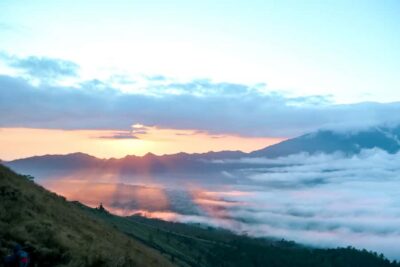
Bali: Mount Batur Sunrise Guided Hike and Natural Hot Spring
Read our review →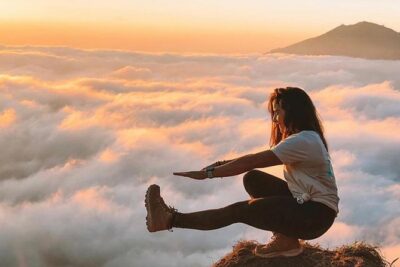
Mount Batur Sunrise Hike and Natural Hot Spring Option
Read our review →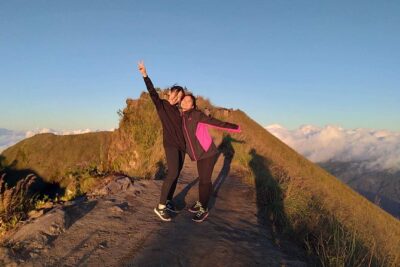
Private Tour Mount Batur Sunrise Trekking and Natural Hot Spring
Read our review →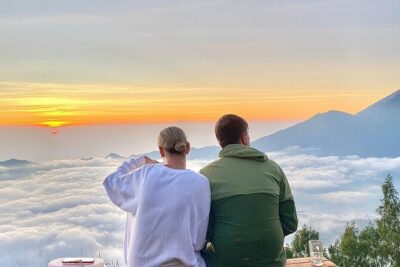
Mount Batur Sunrise Hike, Breakfast & Hot Spring
Read our review →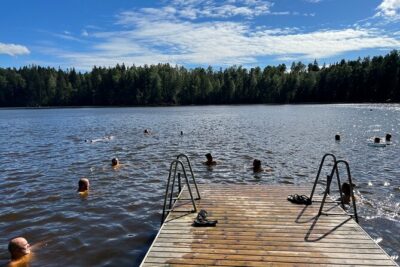
National Park Hike & Finnish Smoke Sauna Experience with Campfire Lunch
Read our review →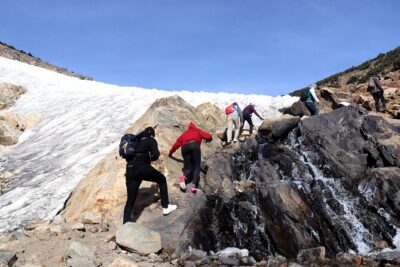
Montanejos Hiking Tour & Thermal Pools from Valencia
Read our review →
Landmannalaugar Hike and Hot Springs from Reykjavik & Hella
Read our review →Lists this soak appears on