
Review · ROTORUA
Rotorua: Hell’s Gate Geothermal Walk
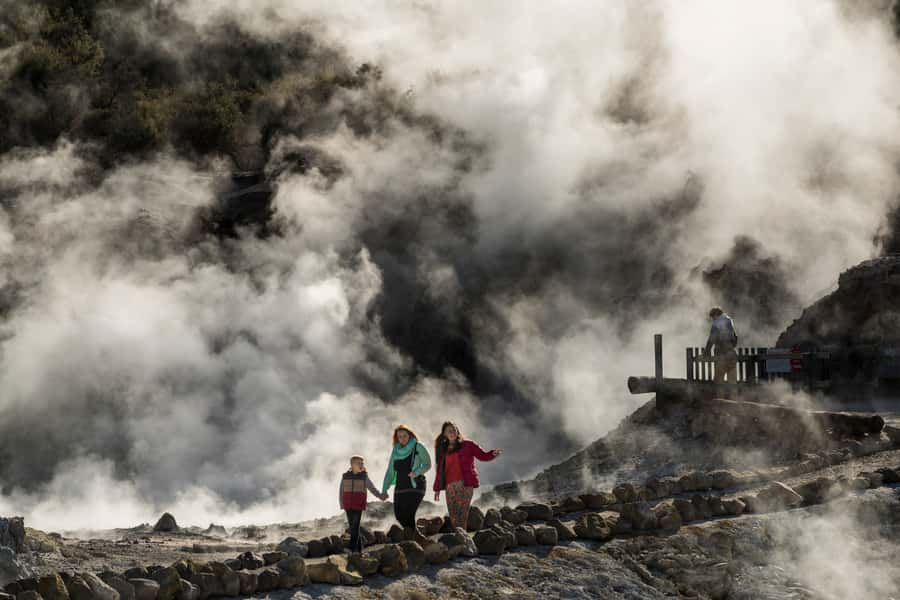
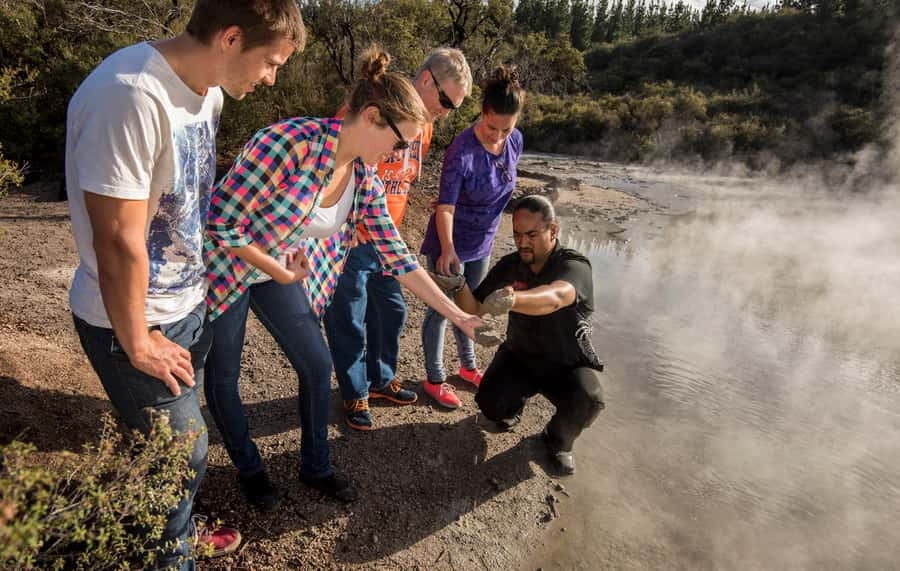
Hell’s Gate is Rotorua’s most active geothermal park, and its appeal is the close-up mix of boiling mud, steaming fumaroles, sulfur crystals, hot lakes, and a bush track that leads to a hot waterfall. The geothermal field feels raw and powerful, not polished into a simple row of viewing platforms.
I like the excellent self-guided map, which lets you set your own pace, and the chance to add a local guide who explains the science, Māori connections, and plant life. The main drawback is the sulfur smell, which can be strong, and the route is not suitable for people with mobility impairments.
Key points to know before you go
- New Zealand’s largest active mud volcano: The bubbling mud and hot ground are the main event, with plenty of safe viewing points along the marked route.
- A 2-kilometre walk: Plan about one hour for the self-guided route, though the guided option lasts about 1.5 hours.
- Two guided departures: English tours are offered at 10:30 AM and 2:30 PM, subject to availability.
- More than geothermal pools: The route includes bush, hot waterfalls, sulfur deposits, boiling pools, and what the site describes as land coral.
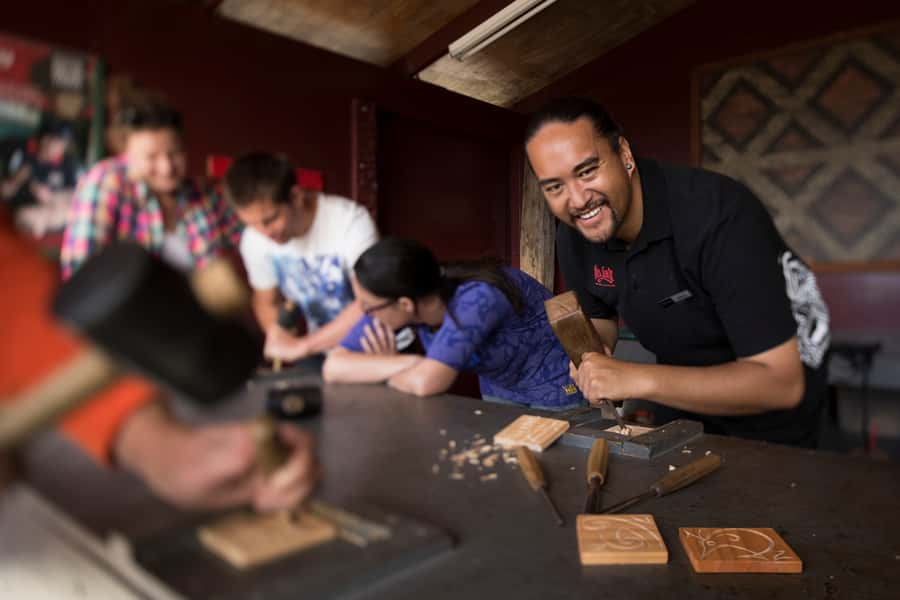
- Māori carving is a useful bonus: A complimentary carving activity may be available, but children must be at least 12 to take part.
- Bring protection from the weather: Comfortable shoes, water, sunscreen, sunglasses, and weather-appropriate clothing are sensible. Rain capes can be bought onsite.
Why Hell’s Gate feels different from other Rotorua geothermal parks
Rotorua gives you several ways to see geothermal activity, but Hell’s Gate has a particularly forceful character. You are not simply looking at a pretty hot pool. You are walking through an active field where mud boils, steam rises from the ground, and water can reach temperatures above 100 degrees Celsius.
The site includes New Zealand’s largest active mud volcano and the Southern Hemisphere’s largest hot waterfalls. Those claims give you a sense of scale, but the real pleasure comes from seeing several kinds of geothermal activity close together. One pool may be still and glassy, while another hisses, bubbles, or sends up steam.
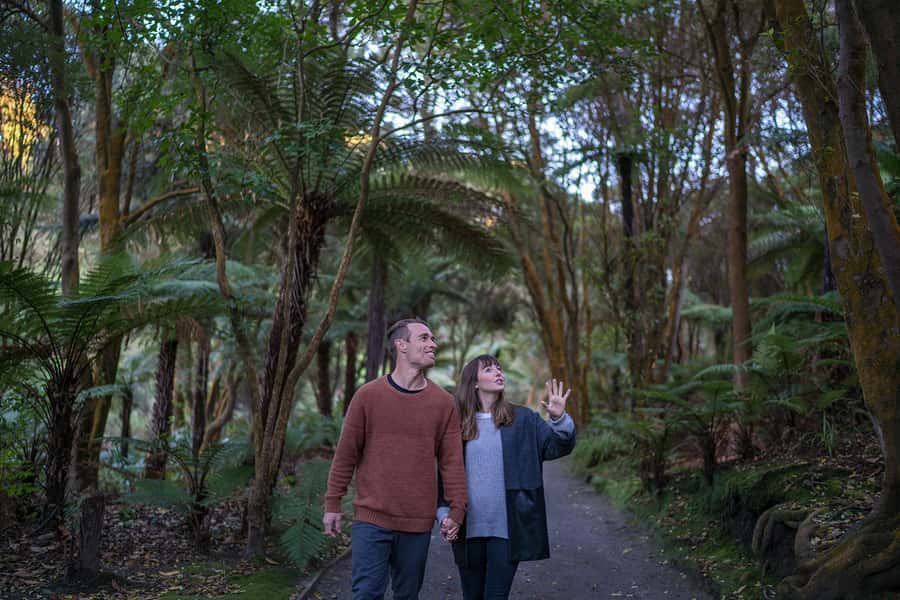
I also like the contrast between the open geothermal plain and the vegetated bush section. The greenery helps you see how unusual the hot ground is. It is not all bare rock and sulfur. Plants grow beside areas of heat, steam, and mineral deposits, creating a route with more variety than a straightforward pool-to-pool walk.
Do not expect every feature to look like a classic, towering geyser. The site has erupting waters and powerful geothermal activity, but one of the most useful points to keep in mind is that there is not a hot-water geyser in the style found at some other geothermal parks. Hell’s Gate is strongest for mud, fumaroles, mineral deposits, and the overall feeling of an active volcanic field.
More places to soak around Rotorua:
- Rotorua: Wai-O-Tapu Geothermal Park Entry Ticket
★ 4.6 · 2,601 reviews - Rotorua Rafting: Kaituna River White Water Rafting & Free Sauna
★ 5.0 · 1,952 reviews - Rotorua: Hell’s Gate Outdoor Mud Spa & Guided Walk
★ 4.7 · 1,140 reviews
Arriving from Rotorua and getting your bearings
Hell’s Gate is about a 15-minute drive from central Rotorua. From the city, follow State Highway 30 east, continue about five minutes past the airport, then turn toward Whakatane. The reserve is roughly 3 kilometres along that road.
Once you arrive, you can choose between a self-guided walk and a guided tour if space is available. The map is an important part of the experience. It identifies the different geothermal features and gives you enough background to understand what you are seeing, rather than leaving you to stare at bubbling water with no context.
The self-guided route takes about one hour and covers roughly 2 kilometres. That is a manageable distance for most people who can walk comfortably, though the reserve specifically says it is not suitable for people with mobility impairments. Wear shoes with a good grip and expect an outdoor route rather than a fully sheltered attraction.
The guided walk normally leaves at 10:30 AM or 2:30 PM and lasts about 1.5 hours. If the geology and Māori connections matter to you, I would try to match your visit to one of these departures. Guides such as T, Luke, and Liam have been singled out for clear explanations, humor, storytelling, and a lively manner.
If your schedule is tight, the self-guided route works well. You are not forced to wait for a departure, and you can pause for photographs or move on when you have had enough of a particular pool.
Walking past boiling pools and steaming fumaroles
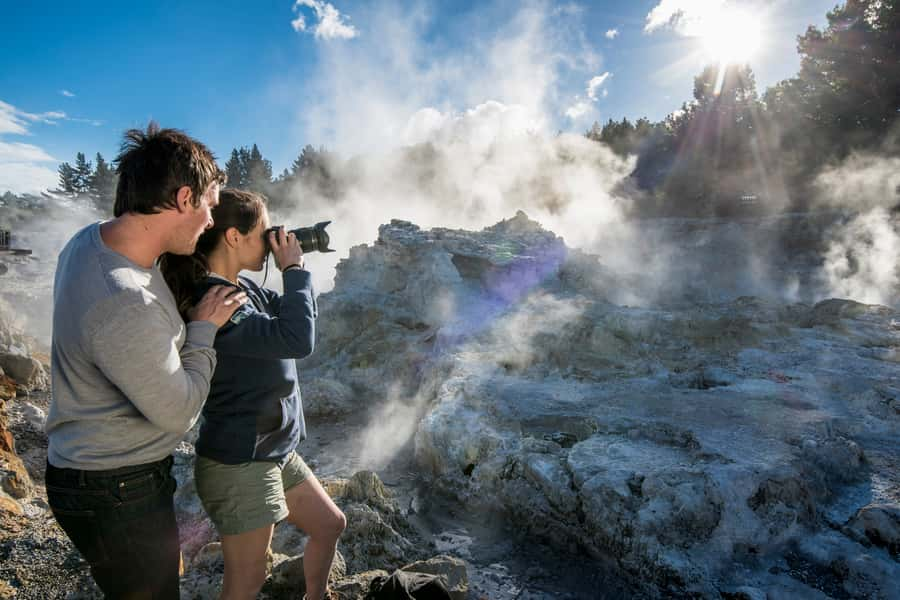
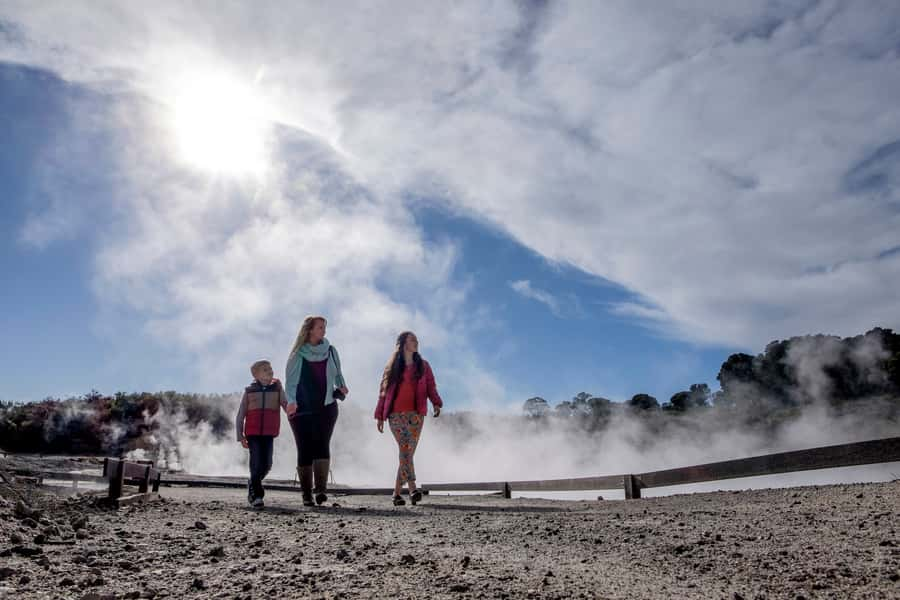
The route takes you into the heart of the geothermal field, where the main lesson is that the ground is active in many different ways. Fumaroles release steam and gases. Hot pools show different colors and textures. Mud pools bubble in thick, uneven bursts rather than flowing like ordinary water.
The sulfur smell is part of the experience and can be quite pungent. You may recognize the rotten-egg odor before you see the next pool. Many people find it bearable, but it can be overwhelming for some children and anyone sensitive to strong smells. I would not plan this as a surprise outing for a very young child, especially since the carving activity is limited to children aged 12 and over.
Stay on the marked route and follow the site’s instructions around boiling mud and hot water. One person specifically felt that some fences could be higher near dangerous features, so you should take the safety barriers seriously and avoid leaning over them for a closer photograph. The dramatic pictures come from the heat and color, not from getting right to the edge.
The map helps you notice details that you could easily miss. Look for sulfur crystals and mineral deposits around the pools. These deposits explain why the ground has such strong colors and textures. You can also see the effects of hot water and steam on nearby soil and vegetation.
The mud volcano, hot waterfalls, and bush section
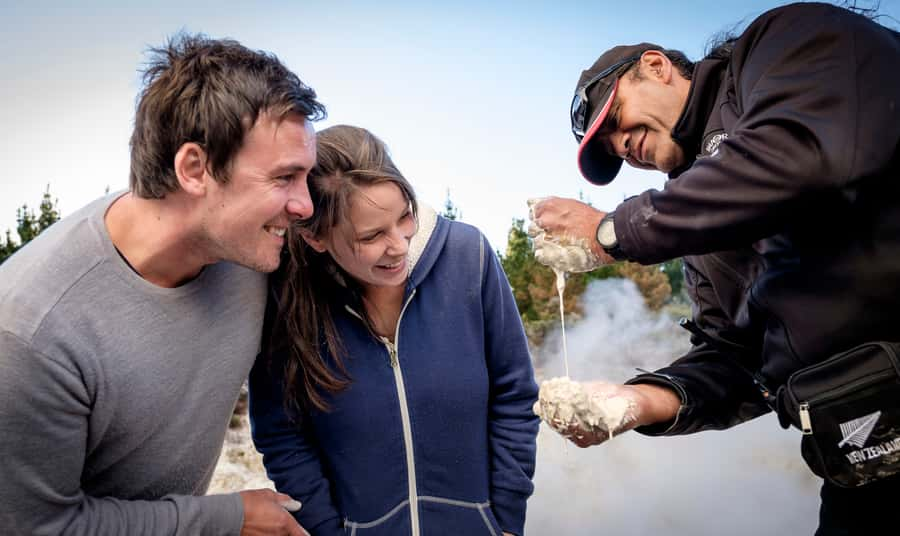
The largest active mud volcano is one of the reserve’s signature features. A mud volcano does not look like a cone of lava. It is a mound or active area where gases and heated water push mud upward, producing a thick, restless surface. It is a good reminder that volcanic activity can be wet, slow, and messy rather than explosive.
The hot waterfalls are another highlight. The combination of falling water and geothermal heat is unusual, and it gives the walk a memorable focal point. You can photograph the waterfall, but the wider setting matters too. The route shows how geothermal water moves through the area, from boiling pools and hot lakes to streams and falls.
The bush walk brings a welcome change of pace. It is cooler in feel and more shaded in appearance, with vegetation close to the geothermal features. The contrast is one of the best reasons to choose Hell’s Gate over a site that offers only a concentrated cluster of hot pools.
The reserve also points out examples of land coral. This is a small detail, but it adds to the sense that the site is not only about heat. Water, minerals, plant growth, and unusual formations all appear along the same walk.
Same steam, a different pool:
- Rotorua Rafting: Kaituna River Rafting Experience-Free Sauna
★ 4.9 · 401 reviews - Polynesian Spa Rotorua: Deluxe Lake Spa Hot Spring Bathing
★ 4.5 · 358 reviews - Polynesian Spa Rotorua: Deluxe Lake Spa Hot Spring Bathing
★ 4.5 · 227 reviews - Polynesian Spa Rotorua: Pavilion (12+ yrs) Hot Pool Bathing
★ 4.5 · 154 reviews
Self-guided map or local guide?
The self-guided option is perfectly workable. The route is easy to follow, and the map includes descriptions of the different pools and geothermal features. If you want a quiet hour, need to fit the visit around another Rotorua activity, or prefer to stop for as many photographs as you like, this is the practical choice.
The written information may feel brief if you want a detailed scientific explanation. A guide adds meaning to the sights, especially when you want to understand why one pool boils, why another has a different color, or how vegetation survives in a hot environment.
A guided walk also brings local history and Māori connections into the experience. The best guides are not simply reciting labels. They use humor, stories, and clear explanations to make the place easier to understand. Guides named T, Luke, and Liam have been praised for being entertaining and informative, but guide availability can change.
The tradeoff is timing. The guided tours run at set times, and the listed departures are 10:30 AM and 2:30 PM. Check the current schedule when booking so you do not assume a guide will be available at any hour. If you arrive outside those times, the self-guided walk remains a useful option.
Māori carving and the mud foot pool
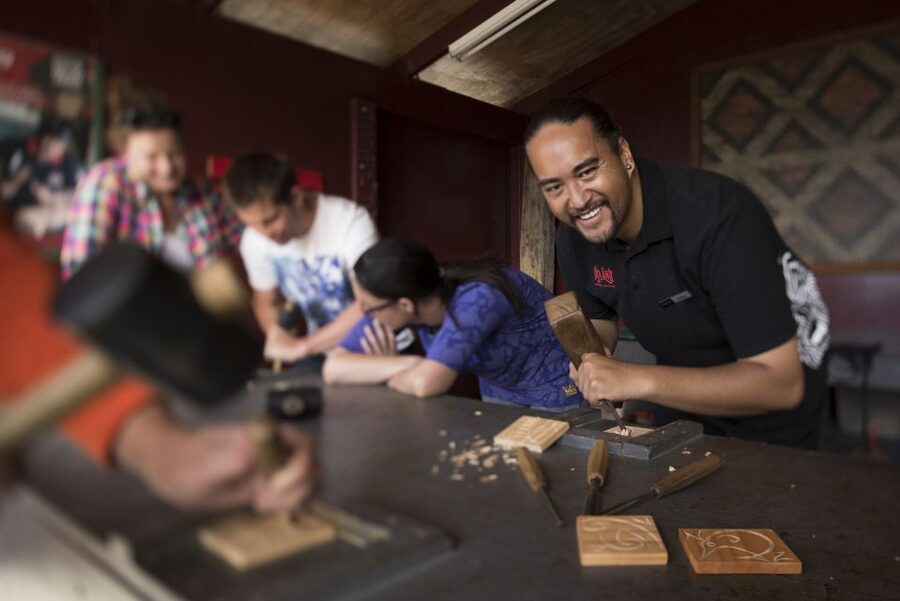
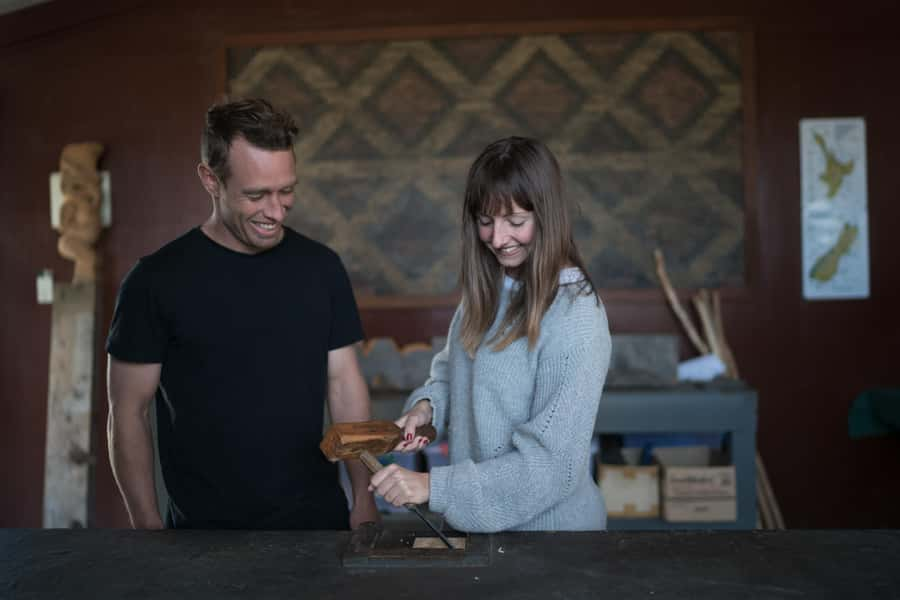
A complimentary Māori carving activity may be offered after the walk. This gives the visit a cultural element beyond geology, and it is especially worthwhile if you have time to stay after the geothermal route. The carving session is subject to availability, and children must be aged 12 or over to participate.
A mud foot pool may also be available. It is not guaranteed, so treat it as an extra rather than the reason to buy your ticket. The same applies to any other optional hands-on activity at the reserve.
If you take part, ask staff for clear instructions before entering a pool. One piece of practical feedback called for more guidance around using the pools and more benches in the changing rooms. That is a useful reminder to listen carefully and allow a little extra time if you plan to use any spa facilities.
The reserve also has food and café options. A coffee at the end can be welcome, especially after walking in rain or cool weather.
Rain, sulfur, jewelry, and other practical details
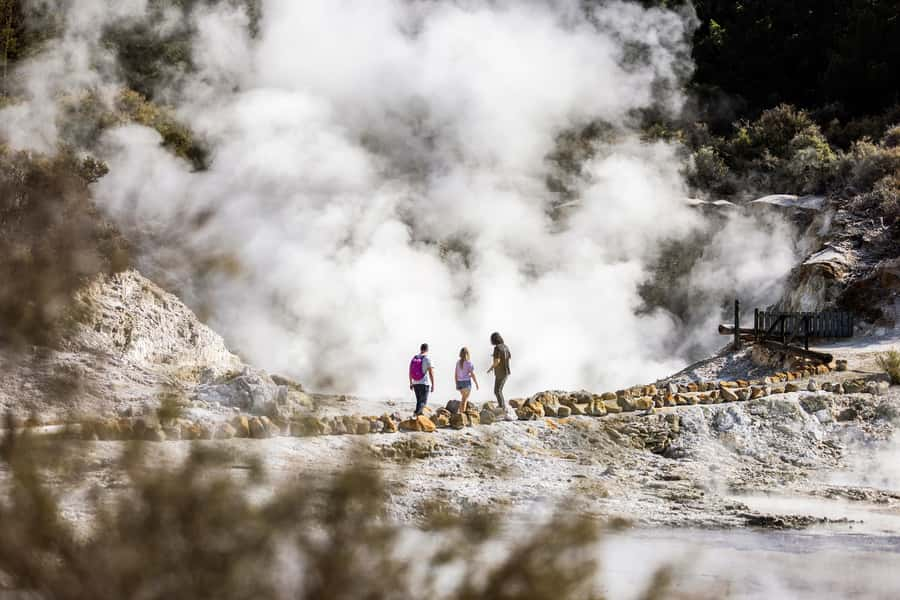
Hell’s Gate operates in all weather, and rain can make the geothermal park particularly atmospheric. Wet conditions bring out the steam and can make the hot ground feel even more dramatic. You still need to dress sensibly, since the route is outdoors and the rain cape is not included.
Bring:
- Comfortable walking shoes
- Water
- Sunglasses
- Sunscreen
- Weather-appropriate clothing
Rain capes are available to buy onsite. Smoking and drones are not allowed.
Take off valuable jewelry before entering the geothermal area. Sulfur and mineral residue can tarnish gold and silver items, and this damage may not be obvious until later. It is a small precaution that can save you an unpleasant surprise.
The route is not suitable for people with mobility impairments. The supplied information does not give detailed terrain specifications, so contact the reserve directly if you need a precise assessment of paths, surfaces, or facilities.
Is $26 good value?
The stated price is $26 per person, but check exactly what your booking includes because the activity details also say that the entry ticket is not included. The total cost may therefore be different from the headline figure.
Value depends on how you use the visit. If you only want a quick look at geothermal pools, you may find the price less compelling than a larger attraction with more facilities. If you spend time on the full walk, take in the mud volcano and hot waterfalls, use the map, and join the guided explanation, the visit offers a good amount to see in about an hour to 1.5 hours.
The Māori carving, mud foot pool, and café can make the stop feel more complete, but they are not all guaranteed. I would judge the price mainly on the geothermal walk, then treat the hands-on activities as welcome additions.
The reserve is also easy to add to a Rotorua driving day because it is close to the city and airport. You do not need to commit a full day, yet the experience has enough variety to feel like more than a quick roadside stop.
Who should book Hell’s Gate?
You should book Hell’s Gate if you want:
- Active mud and steam rather than only colorful pools
- A walk that combines geothermal features with bush and a waterfall
- The choice between a guide and an independent route
- A short Rotorua activity that fits into a busy schedule
- A cultural add-on through Māori carving, if available
- Good photographic variety in rain or sunshine
You may want another attraction if you are very sensitive to sulfur smells, need step-free access, or expect a classic erupting geyser. Families should also consider the strong odor and the age limit for Māori carving. The route is manageable for children who can walk comfortably, but hot ground and boiling water demand close attention.
Should you book Hell’s Gate?
Yes, if you want a compact and varied introduction to Rotorua’s geothermal activity. The hot waterfalls, active mud volcano, bush section, fumaroles, and sulfur deposits give the walk a stronger sense of place than a simple line of viewing platforms.
Choose the guided departure if you want geology, stories, and Māori connections explained as you go. Choose the self-guided route if you value flexibility and want to finish in about an hour. Just confirm the full price, check guide availability, leave jewelry at your accommodation, and bring clothing for rain.
FAQ
How long does the Hell’s Gate geothermal walk take?
The self-guided geothermal route takes about one hour and covers roughly 2 kilometres. The guided tour lasts about 1.5 hours.
Where is Hell’s Gate located?
Hell’s Gate is just outside Rotorua. From the city, travel east on State Highway 30, turn toward Whakatane about five minutes past the airport, and continue roughly 3 kilometres to the reserve.
What time are the guided tours?
The English guided walks are listed at 10:30 AM and 2:30 PM. Guided tours are subject to availability.
Can I visit without a guide?
Yes. You can explore independently with the map provided at the reserve. The self-guided route takes about one hour.
What will I see on the walk?
You can see steaming fumaroles, hot water lakes, boiling pools, sulfur crystals and deposits, New Zealand’s largest active mud volcano, hot waterfalls, land coral, and a bush section.
Does Hell’s Gate have a geyser?
The reserve includes erupting waters and strong geothermal activity, but it does not have a hot-water geyser like some other geothermal sites.
Is Māori carving included?
A complimentary Māori carving activity may be available, but it is subject to availability. Children must be at least 12 years old to participate.
What should I bring?
Bring comfortable shoes, sunglasses, sunscreen, water, and clothing suited to the weather. Rain capes can be purchased onsite. Smoking and drones are not allowed.
New places to soak around Rotorua
- Whaka Geothermal Trails Self-Guided Tour★ 3.5 · 44 reviews
- Private Tour Waiotapu Geothermal Shore Excursion up to 8 passengers★ 5.0 · 6 reviews
- Lake Rotoiti Guided Hot Pools Kayak Trip★ 5.0 · 23 reviews
- Polynesian Spa Rotorua: Family Hot Pools and Freshwater Pool★ 3.5 · 14 reviews
- Wai Ariki Hot Springs and Spa Restorative Journey (2hrs)★ 4.5 · 73 reviews
- Lake Rotoiti Evening Kayak Tour including Hot Springs, Glowworm Caves and BBQ Dinner★ 5.0 · 60 reviews
- Rotorua: Wai Ariki Hot Springs & Spa 1hr Restorative Bathing★ 4.8 · 16 reviews
- Rotorua: Lakefront Hot Springs & Spa – Luxury Māori Wellness★ 4.8 · 58 reviews
New Zealand Hot Springs: more water worth the trip.
Rotorua: Hell’s Gate Outdoor Mud Spa & Guided Walk
Read our review →
Polynesian Spa Rotorua: Deluxe Lake Spa Hot Spring Bathing
Read our review →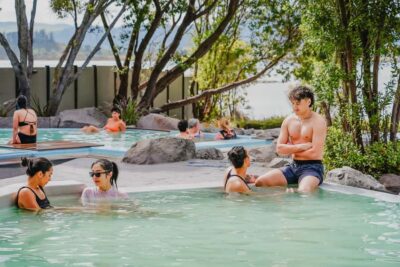
Geothermal Mineral Baths Experience: Pavilion Pools for 12+
Read our review →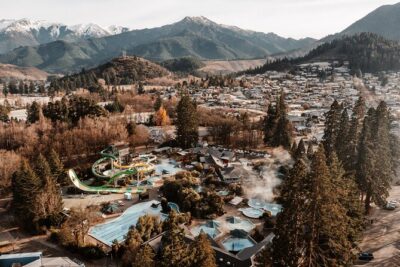
Ōpuke Thermal Pools: Adults-Only Entry with Swim Up Bar
Read our review →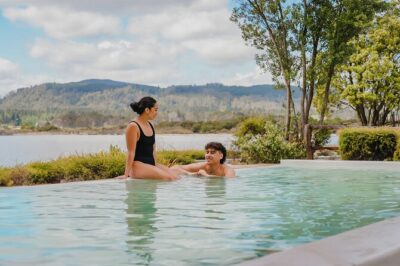
Polynesian Spa Rotorua: Pavilion (12+ yrs) Hot Pool Bathing
Read our review →Lists this soak appears on