
Review · ROTORUA
Rotorua: Wai Ariki Hot Springs & Spa 1hr Restorative Bathing
Wai Ariki turns a one-hour spa visit into a carefully ordered ritual. You begin with a Māori blessing, move through hot, herbal, cold, and bubbling waters, then finish with another blessing beside Lake Rotorua. The setting pairs geothermal water and Māori healing traditions with sleek architecture and broad lake views.
I like the mix of five distinct pools, especially the practical hydrotherapy stations and the 12°C cold plunge. I also like that the experience is adults only, quiet, sheltered in all weather, and priced at a reasonable $59. The main limitation is time: one hour passes quickly, particularly if you want to try every pool more than once.
Key points at a glance
- Five different waters in one hour: Mineral, hot, cold, herbal, and hydrotherapy pools each serve a different purpose.
- Māori ritual at both ends: Te Hihiri and Te Ngao give the bathing session a clear cultural beginning and finish.
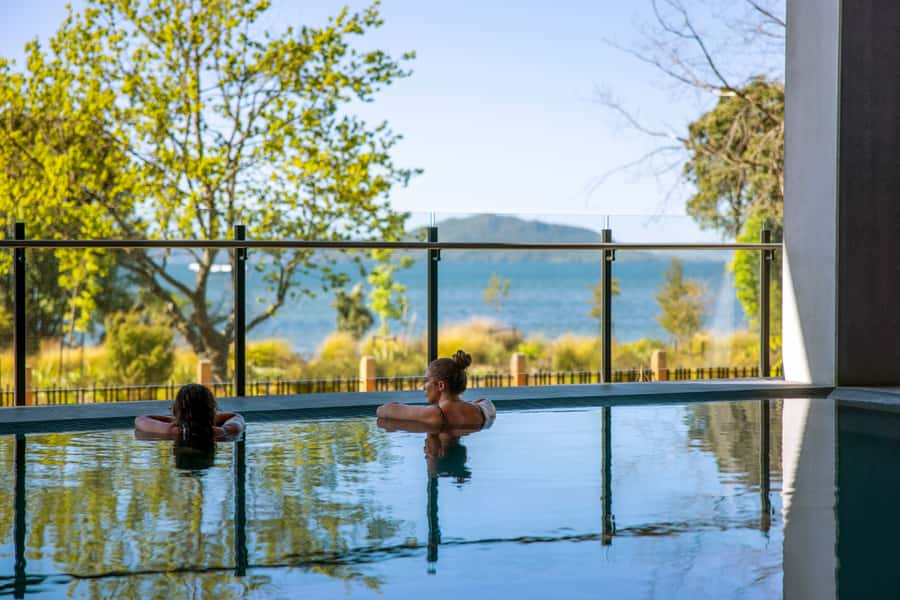
- Lake Rotorua setting: You can soak with views toward Mokoia Island from the hot pool.
- Useful hydrotherapy features: Submerged beds, shoulder jets, lower-back jets, and waterfall showers target tired muscles.
- Good all-weather option: The high roof shelters you from Rotorua’s rain and strong sun.
- Adults only from age 16: This suits couples and solo visitors seeking a calm hour, but it is not a family activity.
Five healing waters beside Lake Rotorua
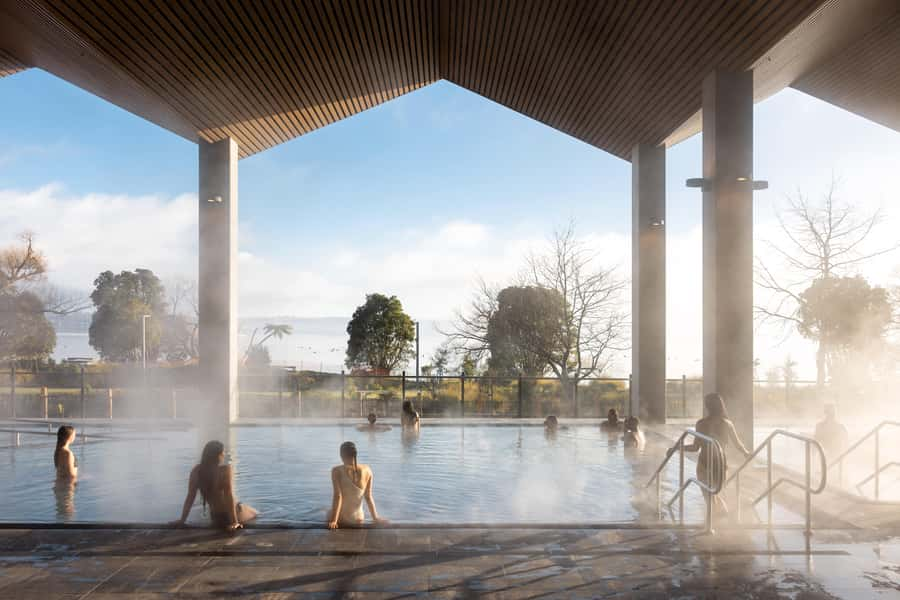
Wai Ariki is not simply a hot pool with a few jets added on. The hour has a sequence, and each water has a different feel and purpose. You can treat the session as a gentle circuit, moving between heat, cold, plants, and massage-style water pressure.
The complex sits near the edge of Lake Rotorua, so the setting matters. The lake and volcanic surroundings give the experience a strong sense of place. This is not a generic city spa relocated to New Zealand. Its names, rituals, plants, and geothermal water all connect the bathing experience to Rotorua and to Māori traditions.
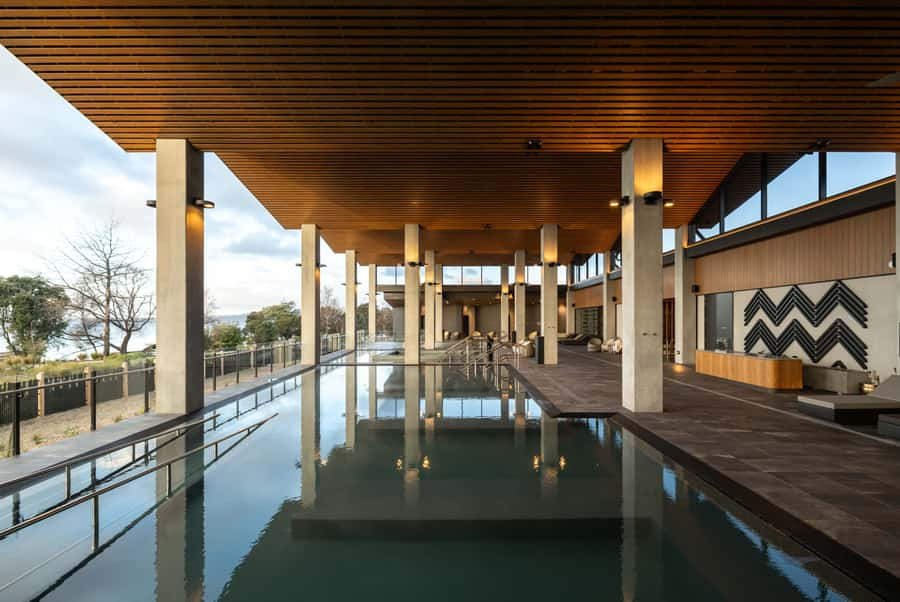
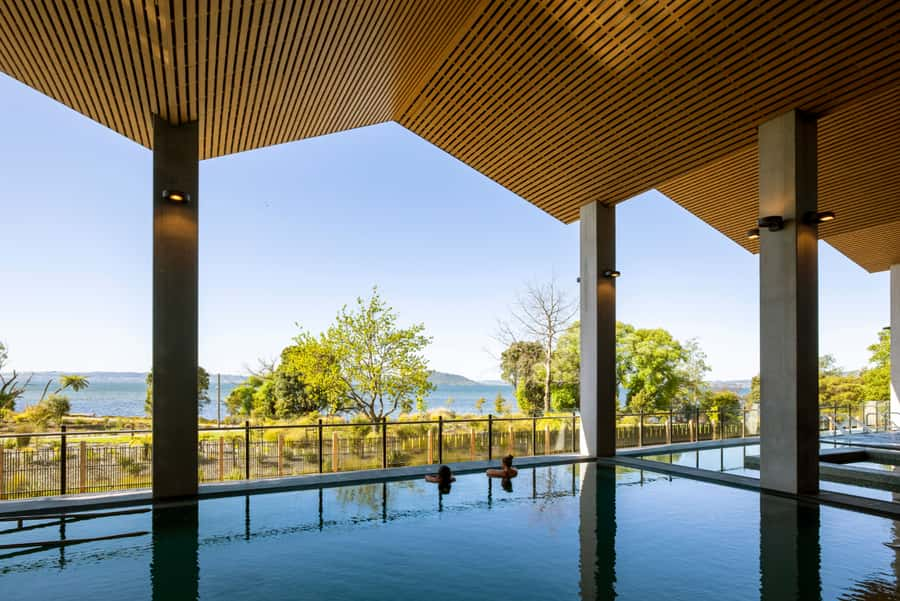
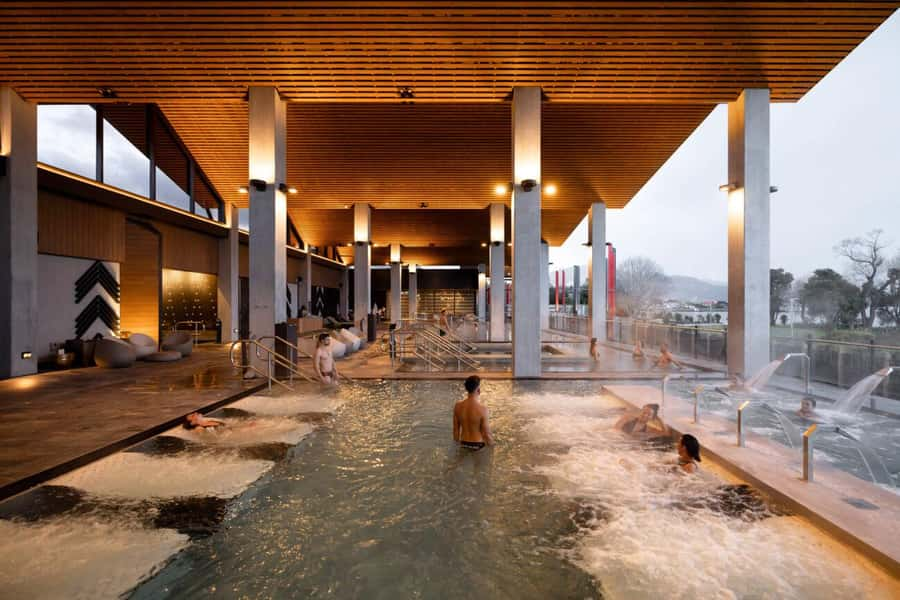
The architecture also helps. A high roof keeps the bathing area protected from rain and direct sun, which is useful in Rotorua’s changeable weather. You can plan this activity even when the forecast looks poor. The roof may also soften the outdoor feel, though the lake views keep the setting open and spacious.
The price is $59 per person for one hour. That is fair if you want a focused wellness stop with several types of water, a locker, towel, drinking fountains, and parking included. It is less compelling if you only want a long, lazy soak, since the one-hour limit encourages you to keep moving.
More places to soak around Rotorua:
- Rotorua: Wai-O-Tapu Geothermal Park Entry Ticket
★ 4.6 · 2,601 reviews - Rotorua Rafting: Kaituna River White Water Rafting & Free Sauna
★ 5.0 · 1,952 reviews - Rotorua: Hell’s Gate Outdoor Mud Spa & Guided Walk
★ 4.7 · 1,140 reviews
Te Hihiri begins with a Māori blessing
Your session starts at Te Hihiri, the blessing stone. This is a tuhua, or obsidian, stone brought from Mt Tarawera, and it represents the mauri, or life force, of the experience.
A karakia, or blessing, opens the session. The purpose is not just ceremonial decoration. It gives you a moment to pause before entering the pools and to leave daily worries behind. The blessing connects the bathing to the land, ancestors, and Māori spiritual ideas.
You should allow a little extra time to arrive and check in. The property asks you to arrive 15 minutes early, which is sensible. A rushed start would undercut the quiet mood of the ritual, and you will want time to put away personal belongings before entering the pools.
The blessing is delivered in English as part of a live guided experience. No individual guide names are provided, so you should not book expecting a named cultural guide or a long cultural talk. The cultural element is present, meaningful, and concise, woven into the bathing rather than presented as a separate lecture.
Whangapipiro offers the gentle first soak
The first main water is Whangapipiro, a geothermal soak kept between 38 and 40°C. The water comes from below the earth’s crust and is described as silica-rich and mineral alkaline.
This is the easy starting point. You can settle into the heat, let your muscles loosen, and take in the setting before trying anything more intense. The temperature is warm without being the hottest part of the circuit, making it a good place to get used to the water.
The claimed benefits include calmer muscles, relief for achy bones, and softer-feeling skin. Those effects will vary from person to person, so I would treat them as possible benefits rather than promises. The reliable value is simpler: warm mineral water gives you a comfortable transition into the session.
If you prefer quiet soaking, spend a few minutes here. If you want to use the full circuit, do not linger too long. One hour sounds generous until you account for five pools, the opening blessing, the final blessing, and changing afterward.
Puna Wai Wera brings the strongest heat
Puna Wai Wera is the hottest pool, at 40 to 41°C. It is still within a conventional hot-pool range, but the extra heat is noticeable after the gentler mineral soak.
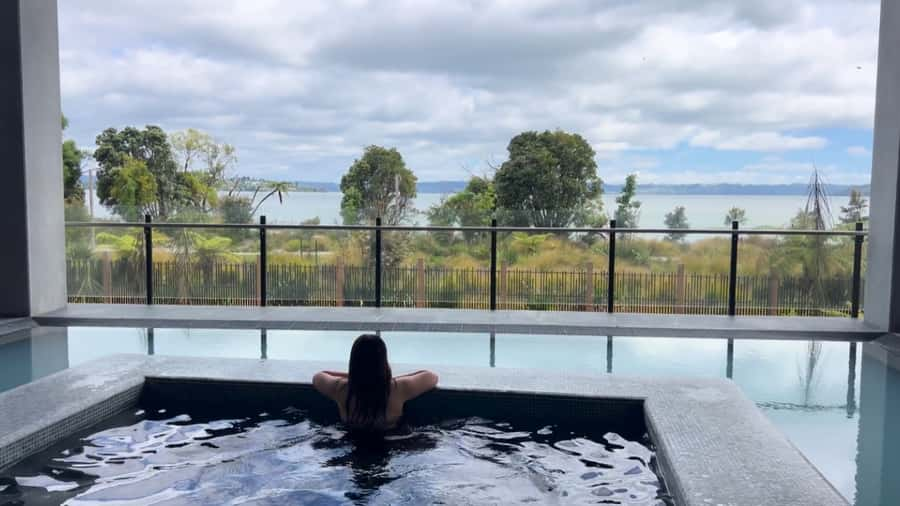
This pool is especially appealing after the cold plunge, when the warmth feels more dramatic. It also provides views toward Lake Rotorua and Mokoia Island, giving you something to look at while you rest. The view is one of the strongest reasons to slow down here rather than treat the pool as just another stop.
Take care with the heat. You do not need to force yourself to stay in the hottest water for the full session. Alternating between pools should feel restorative, not like a test of endurance. People with heart problems are advised not to take this activity, and pregnant women and children under 16 are not permitted.
Same steam, a different pool:
- Rotorua Rafting: Kaituna River Rafting Experience-Free Sauna
★ 4.9 · 401 reviews - Polynesian Spa Rotorua: Deluxe Lake Spa Hot Spring Bathing
★ 4.5 · 358 reviews - Polynesian Spa Rotorua: Deluxe Lake Spa Hot Spring Bathing
★ 4.5 · 227 reviews - Rotorua: Hell’s Gate Geothermal Walk
★ 4.4 · 217 reviews
Puna Tio is the sharp change at 12°C
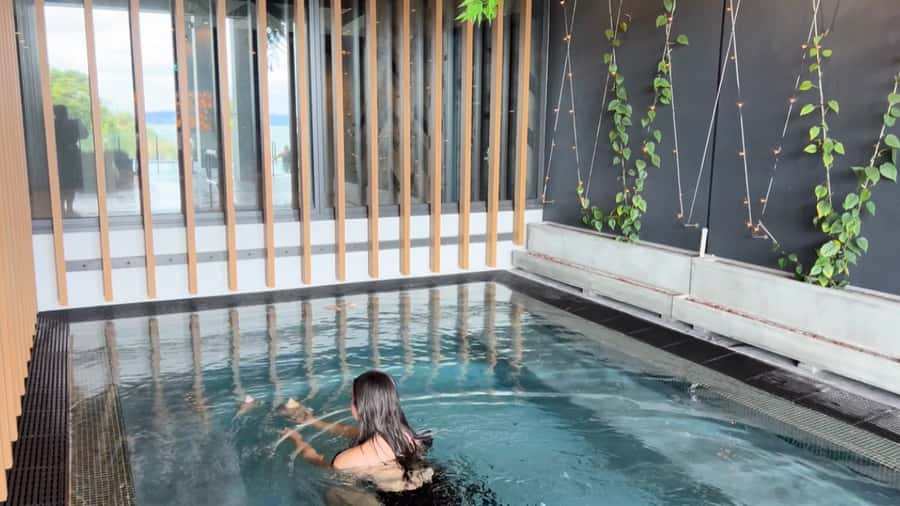
Puna Tio is the cold plunge pool, held at 12°C. This is the most demanding part of the circuit and the one most likely to divide opinion.
The idea is to alternate hot and cold water, a practice associated here with Māori traditions and modern wellness routines. A short cold plunge can feel bracing and refreshing after the hot pools. It changes the rhythm of the session quickly and makes the following hot soak feel warmer.
You do not have to treat the cold pool as a challenge. If 12°C sounds unpleasant, a brief entry is enough, or you can skip it and spend more time in the herbal or hydrotherapy pools. The cold plunge is a feature, not a requirement for getting value from the visit.
This is also where you should listen to your body. The experience is designed for relaxation and restoration, not athletic performance. Move carefully, follow the facility rules, and avoid turning the pool into a dare.
Wai Paheko uses kawakawa, mānuka, and kānuka
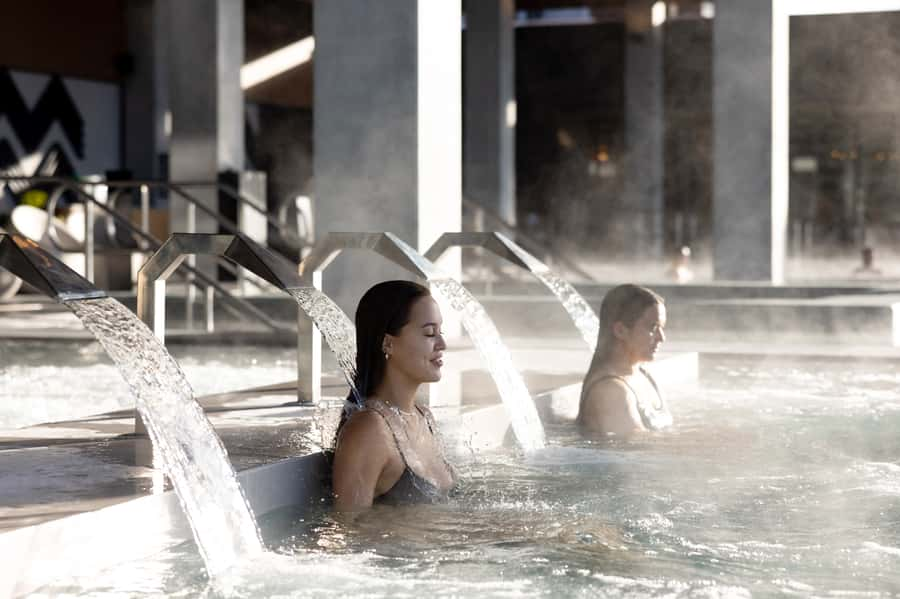
Wai Paheko is the herbal pool, kept between 38 and 39°C. The water is infused with kawakawa, mānuka, and kānuka, plants with a strong place in New Zealand’s natural and cultural traditions.
The scent gives this pool a different character from the mineral soaks. You get warmth plus a gentle plant-based aroma, which makes it a good place to settle after the cold plunge or the hottest pool. The water is inspired by the waters at Maketū, associated with the landing of the Te Arawa canoe and the first settlement of Ngāti Whakaue ancestors.
That detail gives the herbal pool more meaning than a standard spa treatment. You are not simply sitting in scented water. The pool refers to a particular place and to the history of Te Arawa and Ngāti Whakaue.
The experience does not include a meal, drinks, or a separate treatment. If you want a longer spa day with massage or lunch, you will need to arrange those separately. For a one-hour bathing visit, though, the herbal pool adds variety without requiring extra booking.
Wai Whakaoho is the most practical pool
Wai Whakaoho is the hydrotherapy pool, heated to 36°C. It is cooler than the main hot pools and built around water pressure rather than simple soaking.
You can rest on submerged relaxation beds while bubbling water moves around you. Waterfall showers and targeted jets focus on the shoulders, neck, and lower back. If you spend your holiday walking, driving, or carrying luggage, this is likely to be the pool you appreciate most.
The temperature makes it easier to stay here for a while. The jets also give you something active to do, although you should not expect a private massage. This is shared hydrotherapy, so the experience depends partly on how busy the pool is at your session time.
I would make this pool a priority if muscle tension is your main reason for booking. The mineral pools provide the setting and heat, but Wai Whakaoho offers the clearest physical function. You can alternate between a few minutes under the jets and quiet rest on the submerged beds.
Te Ngao closes the hour with another blessing
The final stage is Te Ngao, where a second karakia closes the bathing experience. It focuses on taha wairua, or spiritual wellbeing, and gives the session a proper ending.
This closing moment helps separate the spa hour from the rest of your day. You are not simply climbing out of a pool and rushing to the changing area. The experience asks you to pause once more before leaving.
The opening and closing blessings are important if you want cultural context rather than only hot water. They are brief, but they frame the pools as part of a wider Māori approach to healing, connection, and wellbeing. If you prefer a purely clinical spa, this spiritual element may feel less familiar. If you appreciate place-based experiences, it adds real value.
What to bring and how the hour works
Bring swimwear, flip-flops, comfortable clothes, toiletries, any personal medication, and a reusable water bottle. Towels and lockers are included, but robes are not, so do not assume you will be wrapped in a spa robe between pools or after bathing.
Water fountains are available throughout the complex. That matters in a hot-water setting, especially if you spend time moving between the hottest pools and the cold plunge. Meals and drinks are not included, and personal expenses are separate.
Free parking is available onsite. The location is near the shore of Lake Rotorua, so you do not need to arrange transport as part of the booking. Transportation to and from Wai Ariki is not included, however.
Several rules are designed to keep the pools calm and safe. No alcohol, drugs, smoking, vaping, pets, glass, jewelry, chewing gum, or nudity are allowed. Jumping and diving are also prohibited. These restrictions may sound strict, but they fit an adults-only wellness setting where the aim is quiet rather than poolside play.
The facility is wheelchair accessible. The experience is guided in English. Cancellation is free up to 24 hours before the start time, and a reserve-now, pay-later option may help if your Rotorua plans are still shifting.
Who will get the most from Wai Ariki
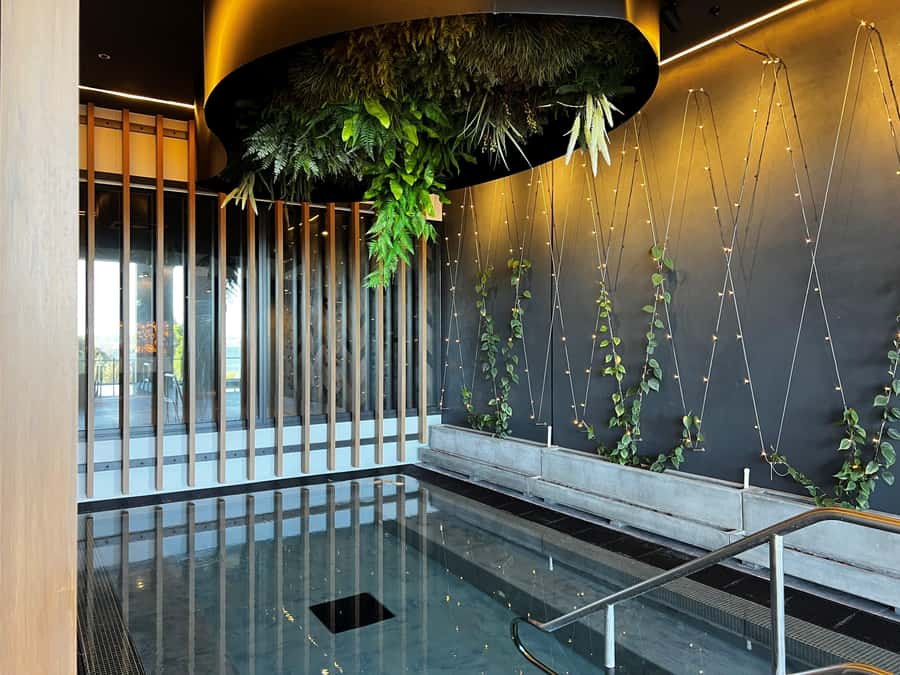
I would recommend this for adults who want a short, organized break between Rotorua’s geothermal sights and other activities. It works well for couples, solo visitors, and anyone who likes trying several forms of bathing rather than sitting in one pool for hours.
It is also a good poor-weather plan. The high roof protects you from rain and strong sun, while the lake views keep the setting from feeling enclosed. If you have only one hour available, the structured circuit helps you make a clear choice instead of wandering around a large spa.
The experience is not suitable for children under 16, pregnant women, or people with heart problems. It may also be a poor fit if you dislike cold water, cannot tolerate hot pools, or want a full-day spa package with food and treatments.
The strongest points are the peaceful mood, the friendly service, the range of pools, and the way Māori ideas are included without turning the visit into a long presentation. The main weakness is the clock. You will need to choose your priorities, especially if you want time for both the hydrotherapy jets and a relaxed soak with lake views.
Should you book this one-hour bathing experience?
Book Wai Ariki if you want a polished, culturally grounded hot-pool visit and can spare one focused hour. At $59, the five waters, towel, locker, fountains, parking, blessings, and lake setting make the price reasonable.
Plan your circuit before you enter. Give a little time to Te Hihiri, try the mineral pool first, use the cold plunge only as much as you like, then make Wai Whakaoho your main stop if muscle relief matters most. Leave time for Te Ngao at the end.
Skip it if you want a family activity, a long open-ended soak, or a full spa day with meals and treatments. For adults seeking a calm Rotorua experience with genuine cultural framing and useful hydrotherapy features, it is a strong one-hour choice.
FAQ
How long does the Wai Ariki bathing experience last?
The restorative bathing experience lasts one hour.
How much does it cost?
The price is $59 per person.
What pools are included?
Access includes the Whangapipiro geothermal soak, Puna Wai Wera geothermal hot pool, Puna Tio cold plunge, Wai Paheko herbal pool, and Wai Whakaoho hydrotherapy pool.
How cold is the plunge pool?
The Puna Tio cold plunge is kept at 12°C.
How hot are the warm pools?
Whangapipiro is 38 to 40°C, Puna Wai Wera is 40 to 41°C, Wai Paheko is 38 to 39°C, and Wai Whakaoho is 36°C.
Are Māori blessings part of the experience?
Yes. A karakia is offered at the beginning at Te Hihiri, and another blessing takes place at Te Ngao at the end.
Is the experience suitable for children?
No. Children under 16 are not permitted.
Is Wai Ariki suitable during pregnancy?
No. The experience is not suitable for pregnant women.
What should I bring?
Bring swimwear, comfortable clothes, flip-flops, toiletries, personal medication, and a reusable water bottle.
Are towels and lockers included?
Yes. A towel and locker are included, along with access to water fountains. Robes are not included.
New places to soak around Rotorua
- Whaka Geothermal Trails Self-Guided Tour★ 3.5 · 44 reviews
- Private Tour Waiotapu Geothermal Shore Excursion up to 8 passengers★ 5.0 · 6 reviews
- Lake Rotoiti Guided Hot Pools Kayak Trip★ 5.0 · 23 reviews
- Polynesian Spa Rotorua: Family Hot Pools and Freshwater Pool★ 3.5 · 14 reviews
- Wai Ariki Hot Springs and Spa Restorative Journey (2hrs)★ 4.5 · 73 reviews
- Lake Rotoiti Evening Kayak Tour including Hot Springs, Glowworm Caves and BBQ Dinner★ 5.0 · 60 reviews
- Rotorua: Lakefront Hot Springs & Spa – Luxury Māori Wellness★ 4.8 · 58 reviews
- Rotorua: Secret adventure kayaking to natural hot springs★ 3.8 · 3 reviews
New Zealand Hot Springs: more water worth the trip.
Rotorua: Hell’s Gate Outdoor Mud Spa & Guided Walk
Read our review →
Polynesian Spa Rotorua: Deluxe Lake Spa Hot Spring Bathing
Read our review →
Geothermal Mineral Baths Experience: Pavilion Pools for 12+
Read our review →
Ōpuke Thermal Pools: Adults-Only Entry with Swim Up Bar
Read our review →
Polynesian Spa Rotorua: Pavilion (12+ yrs) Hot Pool Bathing
Read our review →Lists this soak appears on