
Review · ROTORUA
Rotorua: Lakefront Hot Springs & Spa – Luxury Māori Wellness
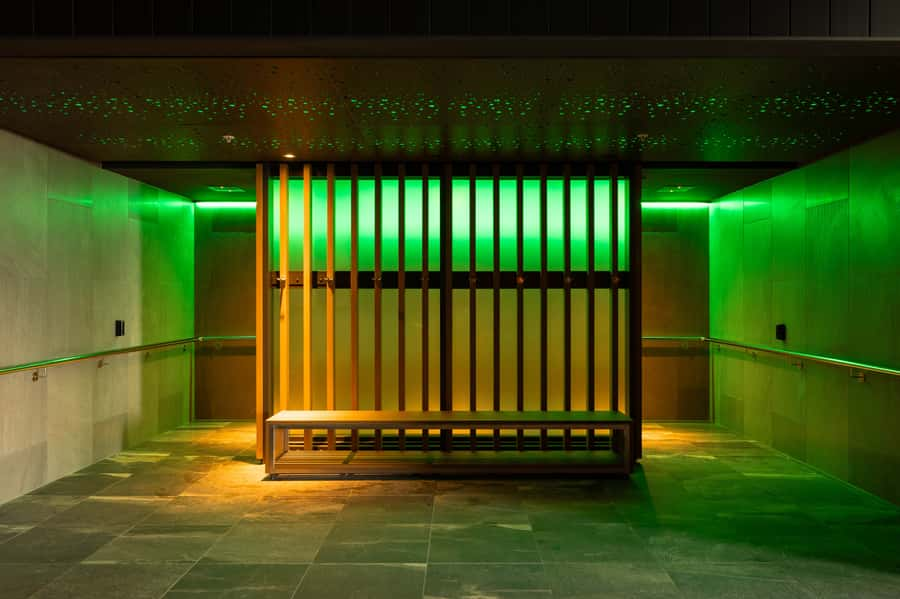
Rotorua’s best spa experience is less about pampering in a quiet room and more about moving through heat, cold water, mineral pools, mud, and steam with a clear cultural purpose. At Wai Ariki Hot Springs & Spa, the Ngāti Whakaue-inspired Restorative Journey begins and ends with Māori blessings, with Lake Rotorua and Mokoia Island outside.
I like the meaningful opening at the mauri stone, where you are invited to set aside stress before entering the spa. I also like the variety: this is not just a long soak, but a two-hour circuit that includes fire and ice therapy, hydrotherapy, geothermal mud, and steam.
The main consideration is time. Two hours can feel short once you understand how many rooms and pools are included. The mud portion is also a bowl of mud mixed with honey and Indigenous plant ingredients for self-application, not a full-body mud bath.
Key points to know before you book
- A Māori blessing gives the spa circuit a clear sense of place, connecting the treatments to Ngāti Whakaue culture and the geothermal setting.
- The Fire & Ice room combines saunas, a wade pool, and a frigidarium, giving you a brisk hot-and-cold reset.
- The geothermal pool area includes mineral alkaline water, a cold plunge, herbal water, and hydrotherapy pools.
- The mud treatment is self-applied, using natural geothermal mud mixed with Indigenous plants and oils. Expect a bowl, not a mud-filled soaking pool.
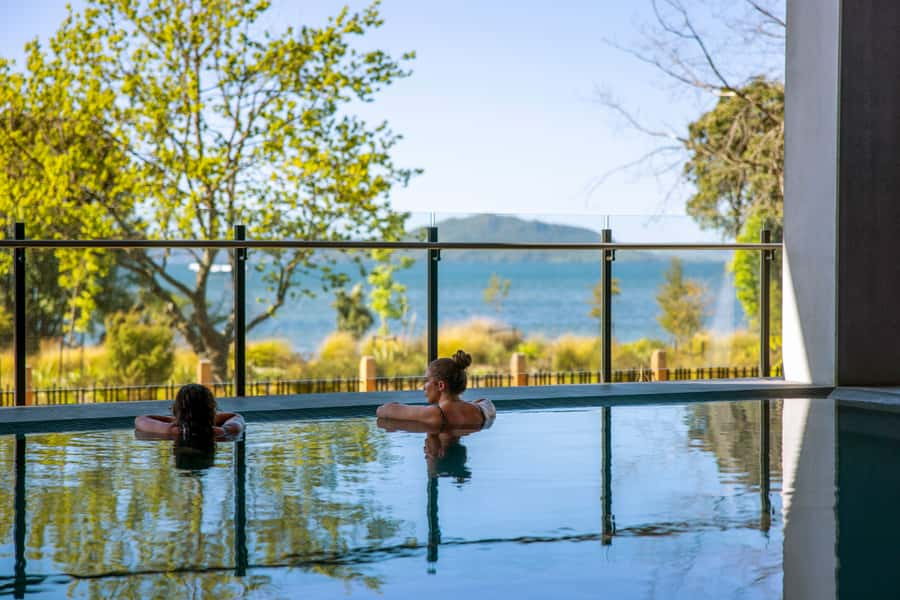
- Lake Rotorua and Mokoia Island provide the setting, and the spa is an easy walk from the city center.
- The $104 price is reasonable for a two-hour, multi-stage spa circuit, though you may want extra time if you prefer a slow, unhurried visit.
Arriving at Wai Ariki on Lake Rotorua
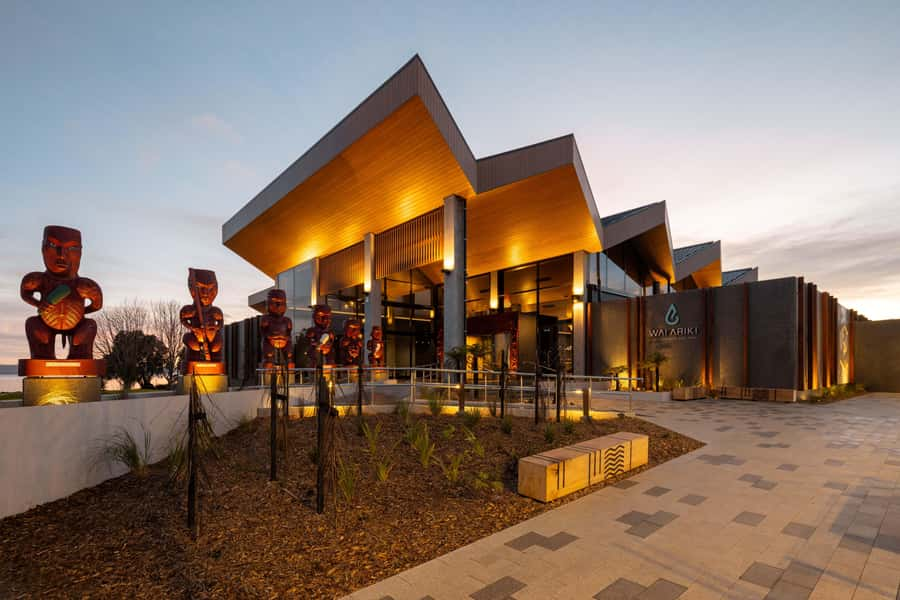
Wai Ariki is on the foreshore of Lake Rotorua and easy to spot from the Novotel Hotel. From central Rotorua, you can walk there, and free parking is available on site if you are driving.
The building is described as architecturally striking, but the setting matters just as much. You are not entering a sealed-off urban spa with no connection to its surroundings. The lakefront location helps explain why the experience places so much emphasis on water, geothermal heat, and local cultural traditions.
Bring swimwear, comfortable clothes, flip-flops, toiletries, a hair tie, any personal medication, and a reusable water bottle. A robe and towel are provided, but slippers are not included. You can use the water stations during the visit, and a credit card is useful for any extra spending since food and drinks are not part of the package.
This is an English-language experience with a host or greeter. The facility is wheelchair accessible. The minimum age is 16, and the experience is not suitable for pregnant women.
More places to soak around Rotorua:
- Rotorua: Wai-O-Tapu Geothermal Park Entry Ticket
★ 4.6 · 2,601 reviews - Rotorua Rafting: Kaituna River White Water Rafting & Free Sauna
★ 5.0 · 1,952 reviews - Rotorua: Hell’s Gate Outdoor Mud Spa & Guided Walk
★ 4.7 · 1,140 reviews
Beginning at the mauri stone
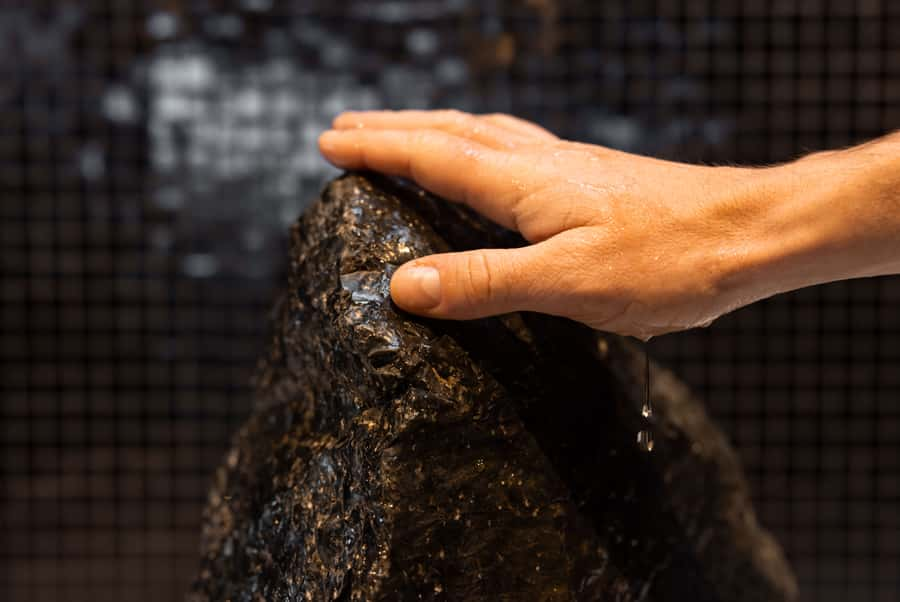
Your journey starts at the mauri, or lifeforce stone. This is more than a quick check-in point. A traditional Māori blessing called Te Hirihiri is offered here, and you are invited to release tension, worries, or whatever you do not want to carry into the spa.
I appreciate this opening because it gives the two hours a beginning and a purpose. Many spa visits start with a locker, a towel, and a rush to the first pool. Here, the first step asks you to pause.
The cultural material is presented through pūrākau, or stories that help explain the treatments. You should not expect a long lecture or a formal cultural tour. Instead, the traditions provide a frame for the wellness circuit, linking each stage to ideas of renewal, connection, and the local land.
The closing blessing, Te Ngao, gives the journey a matching end. That bookended structure makes the experience feel more considered than a simple collection of hot tubs.
Waterfall showers and the first change of temperature
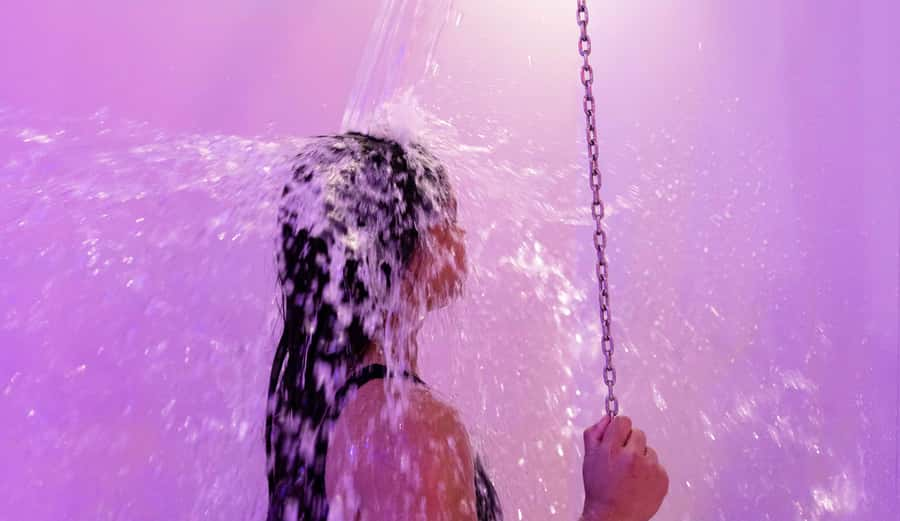
The first treatment is Wairere, a series of waterfall showers. These cleanse and prepare you before the hotter stages begin.
This part is practical as well as pleasant. You are moving from ordinary clothes and the outside world into a sequence of wet areas, so the showers help mark that transition. They also make the experience feel active from the beginning rather than leaving you to sit still for two hours.
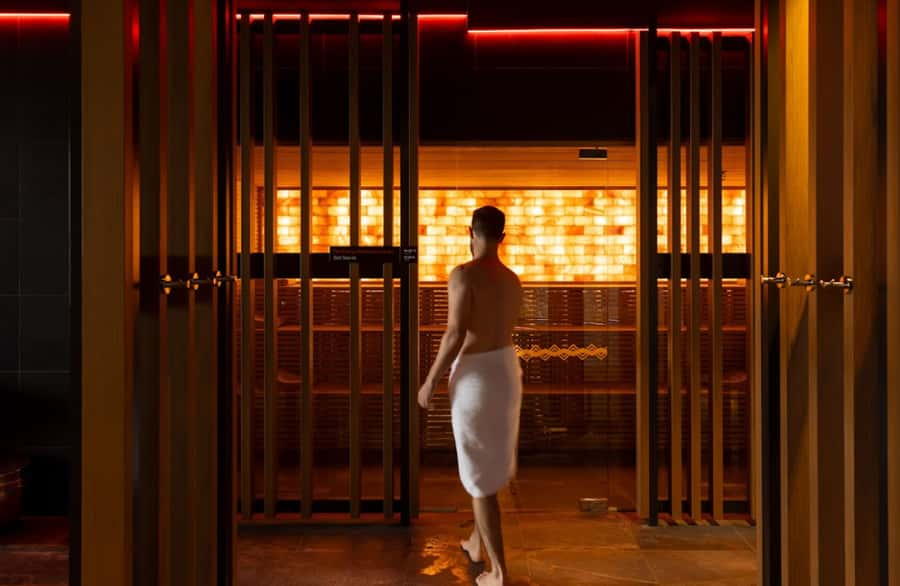
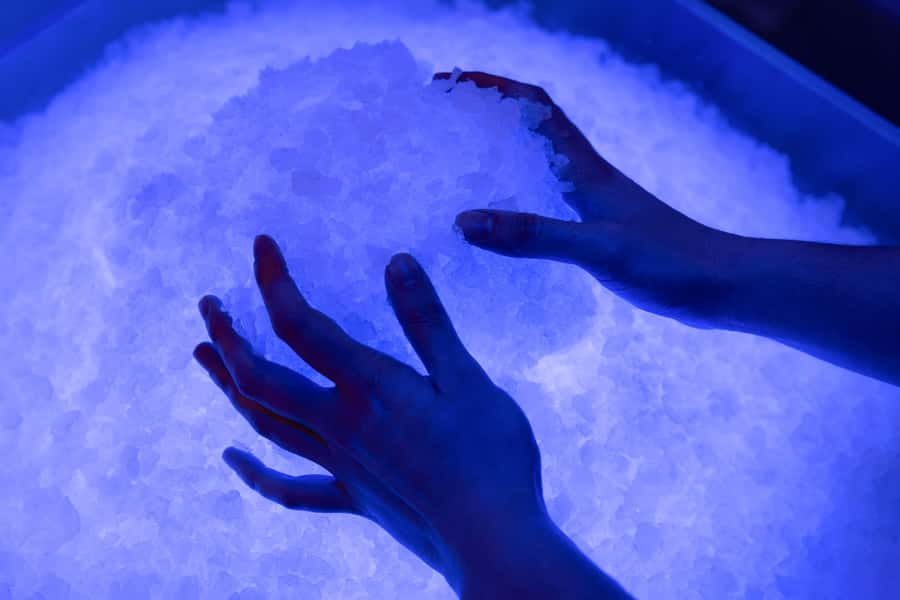
You then move into Te Tukinga, the Fire & Ice room. This area includes saunas, a wade pool, and a frigidarium, or very cold room. The point is the contrast between heat and cold. You warm up, cool down, and repeat the process according to the flow of the facility.
If you enjoy thermal bathing, this will likely be one of the strongest sections. The hot-and-cold pattern wakes up the senses and gives the body a clear change of pace. If you dislike sharp temperature shifts, take this section gently and use the available pools at your own comfort level.
The frigidarium is not a small detail. Cold therapy can feel intense, and you should not treat it as a challenge to endure. The experience works best when you listen to your body rather than trying to prove how long you can stay in the cold.
Geothermal pools and hydrotherapy
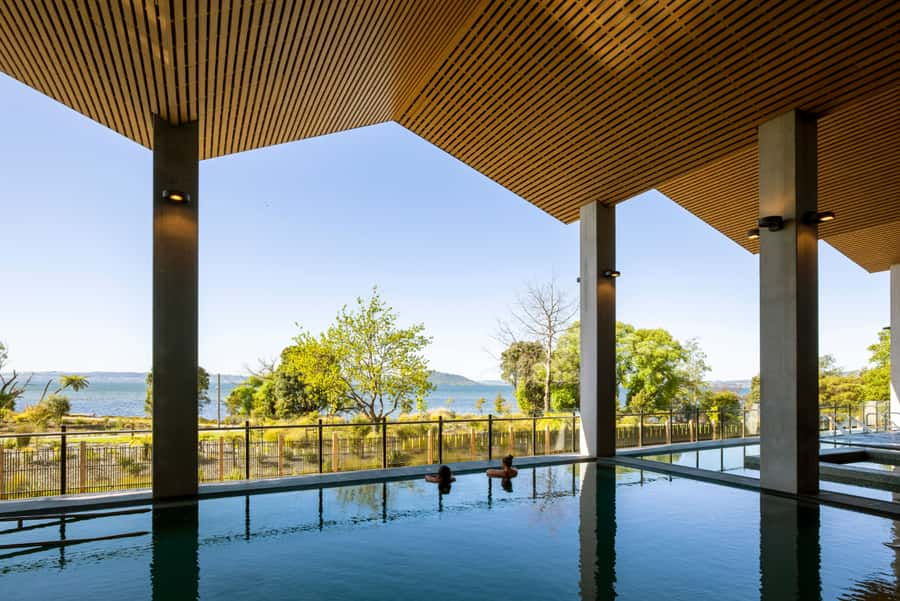
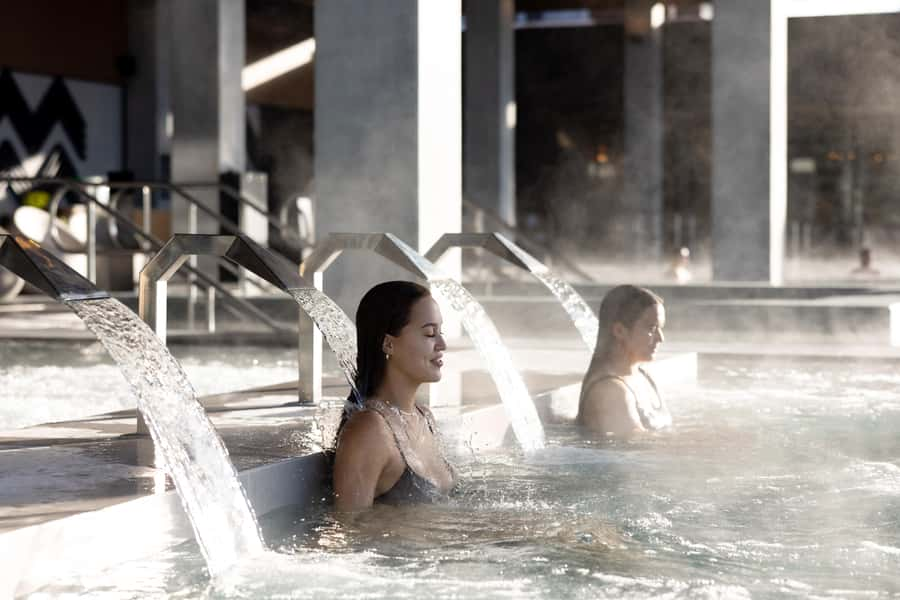
The central water area, Te Taiwhanga Matua, brings together several different types of water treatment. You can use a geothermal mineral alkaline pool, a cold-water plunge, an herbal pool, and hydrotherapy pools.
The mineral water is the heart of the Rotorua setting. Geothermal bathing has been part of the region’s identity for generations, and here the water is presented as both a natural resource and part of a wellness tradition. You get the pleasure of soaking, but the cultural framing keeps the experience tied to place.
The cold plunge gives you another sharp temperature change after the warmer pools. The herbal pool offers a softer contrast, while hydrotherapy adds movement. Rather than simply floating, you can use water pressure and gentle motion to help ease tight muscles.
I would allow yourself time to notice the difference between each pool. A rushed circuit can turn every stage into the same blur of warm water. The variety is the reason the experience costs more than a basic public soak, so use it deliberately.
At $104 per person, the value depends on how fully you use this section. If you spend the entire two hours moving between the pools, saunas, mud lounge, and steam room, the price is fair for a premium spa visit. If you mainly want one long soak, a simpler hot pool may suit you better.
Same steam, a different pool:
- Rotorua Rafting: Kaituna River Rafting Experience-Free Sauna
★ 4.9 · 401 reviews - Polynesian Spa Rotorua: Deluxe Lake Spa Hot Spring Bathing
★ 4.5 · 358 reviews - Polynesian Spa Rotorua: Deluxe Lake Spa Hot Spring Bathing
★ 4.5 · 227 reviews - Rotorua: Hell’s Gate Geothermal Walk
★ 4.4 · 217 reviews
The geothermal mud lounge
Te Pae Paru is the geothermal mud lounge. This is where you apply natural mud yourself, mixed with honey and Indigenous plant ingredients or oils.
The treatment is designed to soothe, soften, and cleanse the skin. It is also one of the more distinctive parts of the experience because it uses a substance closely tied to Rotorua’s geothermal character.
Set your expectations correctly. This is not a full bath where you lower your whole body into a pool of mud. You receive a bowl and apply the mixture yourself. One French Polynesian review specifically found the activity better than expected but noted the difference between expecting a mud bath and receiving a mud application.
That detail may matter if the mud treatment is your main reason for booking. If you want a classic full-body mud soak, this is not that. If you like the idea of applying a geothermal treatment at your own pace, the bowl format is easier, cleaner, and less demanding.
The honey and Indigenous plant ingredients also make this feel more like a spa treatment than a simple geothermal novelty. You can take your time with the application, then rinse before moving on.
Steam, reflection, and the final blessing
The final treatment is Kohu Wai Ariki, a steam room with a heated stone. After the hot and cold rooms, pools, hydrotherapy, and mud, the steam provides a quieter finish.
This is a good place to stop trying to follow a schedule. Sit, breathe, and let the heat settle the pace of the visit. The heated stone adds to the sense that the room is connected to traditional heat practices rather than being just another modern sauna.
The steam room is also where the two-hour limit can become noticeable. You have several areas to visit, and it would be easy to spend too long in the pools before reaching the final stage. Keep an eye on the clock if you want to experience every part.
The journey closes with Te Ngao, a Māori blessing. That final moment returns the focus to culture and intention. You are not simply finishing a spa appointment; you are being brought back out of the experience with a formal closing.
How the cultural element changes the visit
The Māori content is not an optional performance added around the edges. It appears at the beginning, guides the meaning of the treatments, and returns at the end.
The experience is inspired by the Ngāti Whakaue people, whose connection to Rotorua gives the spa its local foundation. The use of the mauri stone, pūrākau, Māori blessings, geothermal water, plant ingredients, and heated stone creates a clear link between the treatments and the place.
You should still think of this as a wellness activity, not a substitute for a longer cultural visit or a detailed history program. The emphasis is on healing traditions and personal restoration. That makes it a good choice if you want cultural context while relaxing, but less suitable if you are looking for an extended explanation of Māori history and customs.
The staff also shape the mood. Athena received special praise for going out of her way to make the experience exceptional. Individual staff interactions can vary, but the mention is useful: good service appears to be part of the appeal, not an afterthought.
Is two hours enough?
Two hours is enough to sample every major stage, but it is not a leisurely full-day spa visit. You need to move through the circuit with some purpose.
A sensible approach is to treat the itinerary as a progression:
- Begin with the blessing and waterfall showers.
- Use the saunas and cold area in moderation.
- Spend most of your soaking time in the geothermal and hydrotherapy pools.
- Leave enough time for the mud lounge and steam room.
- Keep a few quiet minutes for the closing blessing.
You can also book extra time if available and if you prefer not to rush. One review suggested staying two hours longer because there is so much to do. That is a useful clue for anyone who likes long spa sessions, although the listed experience itself lasts two hours.
Do not arrive expecting a quick dip before dinner. The circuit has enough stages to fill the scheduled period, especially if you include changing, rinsing, and moving between areas.
Who will enjoy this experience most?
I would recommend Wai Ariki to adults who want a polished spa outing with a strong Rotorua identity. It suits you if you enjoy hot and cold therapy, mineral pools, hydrotherapy, mud treatments, and steam, but also want a cultural element rather than a generic resort spa.
It is particularly appealing after a busy day of sightseeing. The opening blessing encourages you to put the day aside, and the mixture of water and heat gives you several ways to relax. The lake views add a sense of calm without requiring a separate excursion.
It is less suitable if you want a traditional mud bath, dislike cold water, or prefer a very slow visit with no schedule. The two-hour format asks you to keep moving, and the frigidarium may be too strong for some people.
Children under 16 cannot take part, and pregnant women should not book this activity. Smoking, vaping, alcohol, drugs, intoxication, food, drinks, chewing gum, nudity, and loud noise are not allowed. These rules make the atmosphere quiet and orderly, which most spa users will appreciate.
What the $104 price includes
The $104 fee covers the full two-hour Wellness Journey, both Māori blessings, the waterfall showers, Fire & Ice room, geothermal and cold-water pools, herbal and hydrotherapy pools, mud lounge, and steam room.
You also receive a robe and towel, plus access to water stations. The fee does not include transport, food, drinks, or slippers.
For the setting and number of treatments, I think the price is fair. You are paying for a complete circuit rather than one massage or one pool session. The cultural opening and closing also give the visit a local identity that a standard day spa may not offer.
Still, value depends on your habits. If you want to linger in one pool for hours, the fixed two-hour schedule may feel restrictive. If you enjoy variety and want to fit a wellness experience into a Rotorua itinerary, $104 is easier to justify.
Free cancellation is available up to 24 hours before the start time, and you can reserve now and pay later. Check the available start times when booking, since the activity is scheduled rather than open-ended.
Should you book Wai Ariki?
Book this experience if you want Rotorua geothermal bathing with Māori blessings, cultural context, and several different treatments in one visit. The lakefront setting, geothermal pools, Fire & Ice room, mud lounge, and steam room give you plenty to do, while the Ngāti Whakaue-inspired structure keeps the visit connected to Rotorua.
Think twice if your ideal spa day means a full-body mud bath or hours of unhurried soaking. For everyone else, especially adults with a free two-hour window in Rotorua, this is a well-priced way to rest, reset, and experience the area’s geothermal character from a more thoughtful angle.
FAQ
Where is Wai Ariki Hot Springs & Spa located?
Wai Ariki is on the foreshore of Lake Rotorua. You can easily see the building from the Novotel Hotel, and it is within walking distance of Rotorua’s central business district.
How long does the Restorative Journey last?
The Wellness Journey lasts two hours. Starting times vary, so check availability when booking.
What treatments are included?
The journey includes a Māori blessing, waterfall showers, saunas, a wade pool, a frigidarium, geothermal mineral alkaline water, a cold plunge, herbal and hydrotherapy pools, a geothermal mud lounge, and a steam room with a heated stone.
Is the mud treatment a full mud bath?
No. The mud lounge provides natural geothermal mud mixed with honey and Indigenous plant ingredients or oils for self-application. It is not a full-body mud soaking pool.
What should I bring?
Bring swimwear, comfortable clothes, flip-flops, toiletries, a hair tie, personal medication, and a reusable water bottle. You may also want a credit card. A robe and towel are supplied, but slippers are not.
Who cannot take part?
Children under 16 and pregnant women are not suitable for this experience. The spa also does not allow smoking, vaping, alcohol, drugs, intoxication, food, drinks, chewing gum, nudity, or loud noise.
New places to soak around Rotorua
- Whaka Geothermal Trails Self-Guided Tour★ 3.5 · 44 reviews
- Private Tour Waiotapu Geothermal Shore Excursion up to 8 passengers★ 5.0 · 6 reviews
- Lake Rotoiti Guided Hot Pools Kayak Trip★ 5.0 · 23 reviews
- Polynesian Spa Rotorua: Family Hot Pools and Freshwater Pool★ 3.5 · 14 reviews
- Wai Ariki Hot Springs and Spa Restorative Journey (2hrs)★ 4.5 · 73 reviews
- Lake Rotoiti Evening Kayak Tour including Hot Springs, Glowworm Caves and BBQ Dinner★ 5.0 · 60 reviews
- Rotorua: Wai Ariki Hot Springs & Spa 1hr Restorative Bathing★ 4.8 · 16 reviews
- Rotorua: Secret adventure kayaking to natural hot springs★ 3.8 · 3 reviews
New Zealand Hot Springs: more water worth the trip.
Rotorua: Hell’s Gate Outdoor Mud Spa & Guided Walk
Read our review →
Polynesian Spa Rotorua: Deluxe Lake Spa Hot Spring Bathing
Read our review →
Geothermal Mineral Baths Experience: Pavilion Pools for 12+
Read our review →
Ōpuke Thermal Pools: Adults-Only Entry with Swim Up Bar
Read our review →
Polynesian Spa Rotorua: Pavilion (12+ yrs) Hot Pool Bathing
Read our review →Lists this soak appears on