
Review · NEPAL
Pkr/Kathmandu: 5-Day Annapurna Base Camp & Hot spring Trek
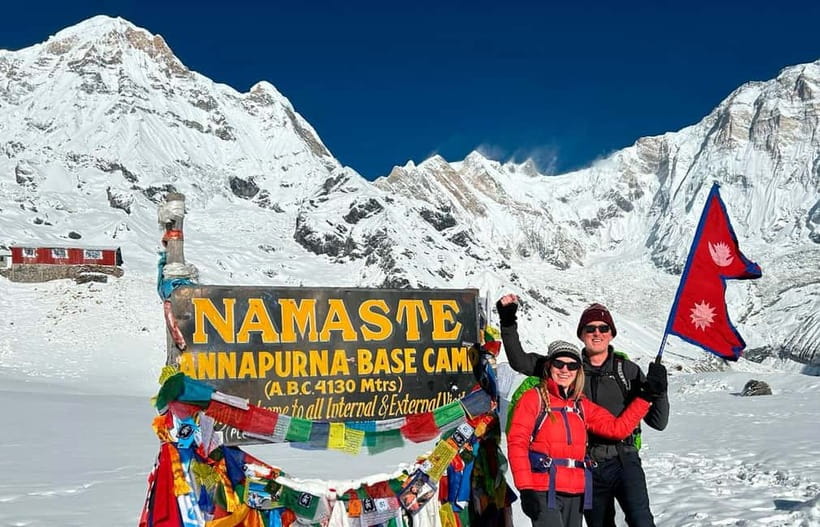
Reaching Annapurna Base Camp at 4,130 meters in only five days is the main draw here. You move from Pokhara by jeep, walk through forest and mountain villages, pass waterfalls and rivers, then spend a night inside the Annapurna Sanctuary beneath Annapurna I, Machapuchare, and Hiunchuli.
I like the route’s variety: one day brings dense forest and waterfalls, another opens into a high mountain bowl. I also like the practical support, including a private guide, tea-house lodging, permits, and borrowed sleeping bags, duffle bags, and trekking poles when needed.
The main catch is the pace. This is a moderate to challenging trek with a quick rise in altitude, and the short schedule leaves little spare time if weather, tired legs, or altitude problems slow you down.
Key points to know before booking
- Annapurna Base Camp in five days: You reach 4,130 meters on Day 3, then begin the long descent the following morning.
- A fast altitude gain: The route climbs from 2,340 meters at Sinuwa to 3,230 meters at Deurali, then to ABC the next day.
- Private guiding: You trek with a private group and an English, French, Japanese, or Chinese-speaking guide.
- Tea-house nights: Four nights are spent in basic mountain guest houses, with stays at Sinuwa, Deurali, ABC, and Bamboo or Sinuwa.
- Jhinu Danda option: The return route passes the natural hot springs, a welcome way to ease tired muscles if conditions and timing allow.
- Budget price, extra costs: The advertised $60 rate is attractive, but meals, porter service, drinks, insurance, and some transport options depend on the package you choose.
Why this five-day route works
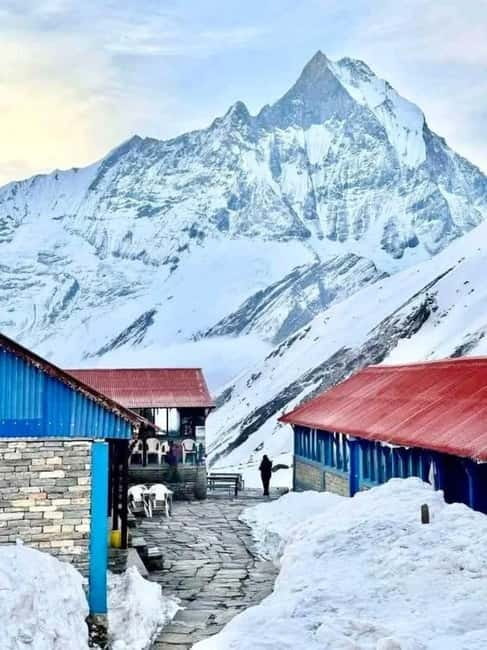
The Annapurna Base Camp trek is popular because it gives you a close look at high Himalayan peaks without requiring a long expedition. The path enters the Annapurna Sanctuary, a mountain basin surrounded by huge summits. Annapurna I rises to 8,091 meters, while Machapuchare, often called Fishtail, gives the route its most recognizable profile.
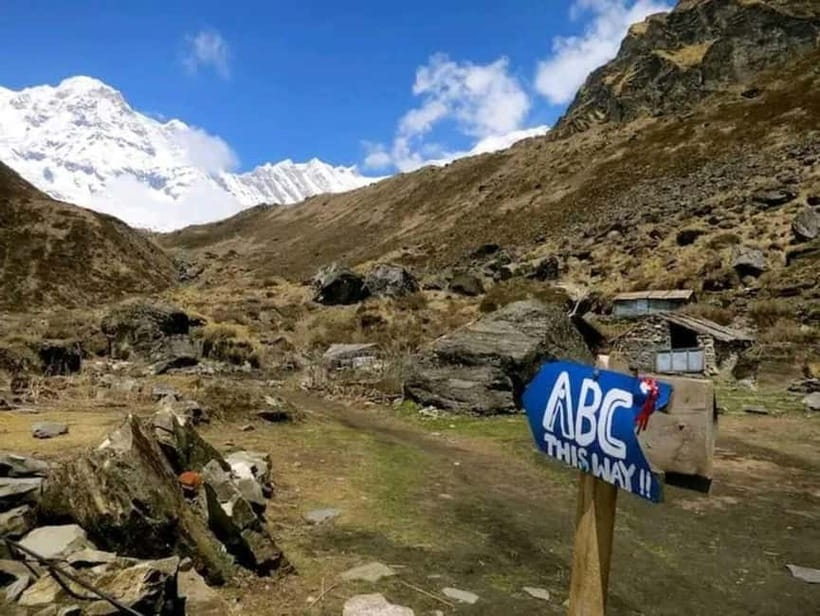
This version is designed for people with limited time. The trek begins from Simrung after a two to three hour jeep ride from Pokhara, and the walking days are carefully packed. You will not spend several days easing into the route. By Day 3, you are already climbing toward ABC.
That makes the plan efficient, but it also demands honest preparation. You need a good level of fitness, comfortable hiking shoes, warm layers, water, sunscreen, and travel insurance. If you have heart or respiratory problems, a history of altitude sickness, limited mobility, or a low level of fitness, this is not a sensible choice.
The private format helps. Your guide can manage the walking pace, arrange the guest houses, and keep an eye on how you are handling the altitude. Guides named Sagar, Raj, Shiva, and Nareen have received especially strong praise for pacing, safety, organization, and personal care. Porters such as Naron, Visnu, Bimal, and Azis have also been singled out for practical help on difficult days. Still, guide quality does not remove the physical demands of the route.
More Hot Spring Hiking Tours in Nepal:
- Pokhara: 5 Day Annapurna Base Camp Trek & Natural Hot Spring
★ 4.9 · 44 reviews - From Pokhara: 5-Day Annapurna Basecamp Trek with Hot Springs
★ 4.9 · 26 reviews - Pokhara: 7-Day Annapurna Base Camp Trek & Natural Hot Spring
★ 5.0 · 11 reviews
Day 1: Pokhara to Sinuwa through Simrung
Your guide picks you up at your hotel in Lakeside Pokhara. From there, a shared jeep drives toward Simrung by way of Nayapul. The drive takes about two to three hours, then you begin walking.
The first trekking day lasts roughly four to five hours, ending at Sinuwa at 2,340 meters. This is a useful introduction to the route, with forest paths, mountain scenery, and the first taste of the stone steps that make many Annapurna trails surprisingly demanding.
Sinuwa is your first mountain guest-house stop. Accommodation is simple, and you should expect a basic room rather than hotel comforts. The value is not luxury. It is the chance to sleep along the route, eat near the trail, and avoid returning to Pokhara each evening.
If you start in Kathmandu, the day begins with a roughly 30-minute flight to Pokhara before the road transfer. That adds another moving part, so a Pokhara start is the simpler option if you are already in the city.
The $60 headline price needs careful reading at this stage. Hotel pickup and drop-off in Pokhara are included, as is the shared Pokhara to Simrung transfer. From Kathmandu, the flight is included only when that option is selected. Meals and porters also depend on choosing the all-inclusive package, so compare the final price rather than judging the trip by the base figure alone.
Day 2: Waterfalls and forest on the way to Deurali
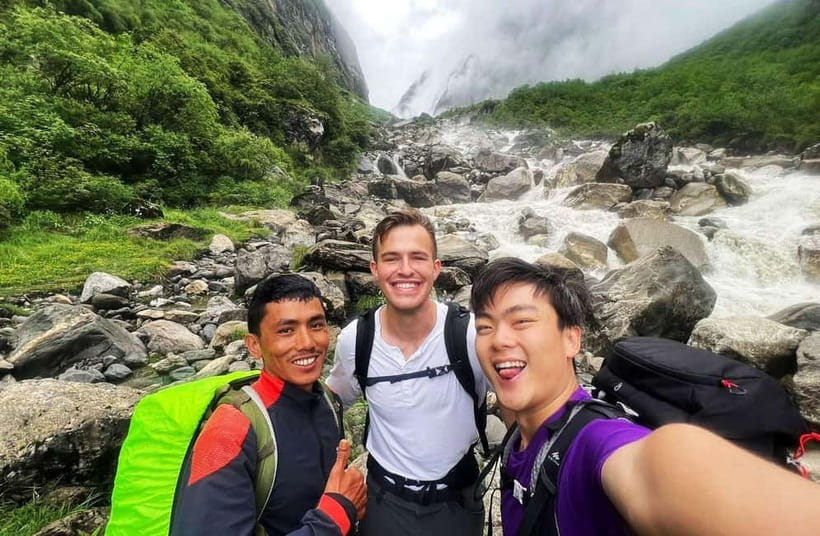
Day 2 takes you from Sinuwa to Deurali, with about five to six hours on foot. You pass through a dense forest and several waterfalls, giving this section a cooler, greener feel than the higher parts of the route.
Himalaya, a small settlement with tea houses, is one of the day’s useful points along the path. It is the kind of place where a warm drink and a short rest matter more than sightseeing. Drinks are not included, so carry enough water and budget for tea or other purchases along the way.
Deurali sits at about 3,230 meters. This is where the altitude becomes a serious part of the trek. You have climbed nearly 900 meters from Sinuwa, and the next day takes you higher still. Walk steadily, drink water, and tell your guide early if you develop a headache, unusual breathlessness, nausea, or other signs that you are not adjusting well.
The route’s five-day schedule does not provide a separate acclimatization day. That is the biggest practical difference between this fast version and a longer Annapurna Base Camp plan. A fit hiker may appreciate the efficiency. Anyone uncertain about altitude should consider a slower itinerary instead.
Day 3: Machapuchare Base Camp to Annapurna Base Camp
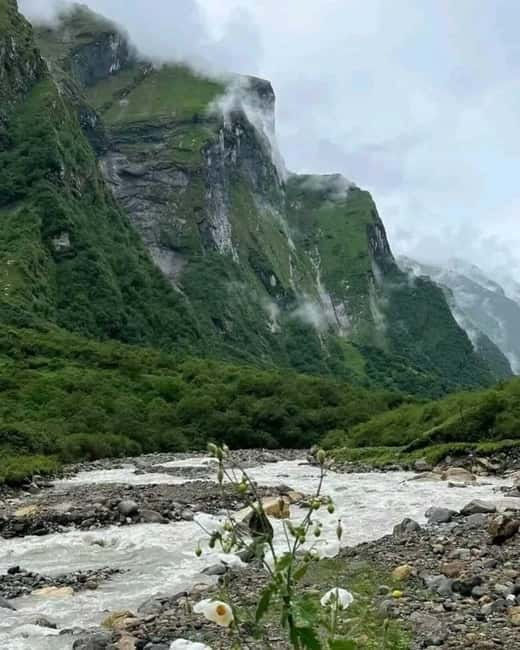
This is the key day. You leave Deurali and walk for about five to six hours toward Annapurna Base Camp, passing through Machapuchare Base Camp, also known as MBC.
The scenery changes as the forest gives way to the open high mountain valley. MBC is an important turning point because you are surrounded by the peaks of the Annapurna range rather than simply looking toward them from a distant trail. Machapuchare is especially striking, but the route also brings views of Annapurna I and Hiunchuli.
From MBC, the trail continues to ABC at 4,130 meters. The final approach can feel slow because of the altitude, even if the distance looks manageable on paper. Your guide’s pacing matters here. Sagar has been praised for keeping a careful rhythm and handling arrangements smoothly, while Raj has been credited with steady support on difficult slopes.
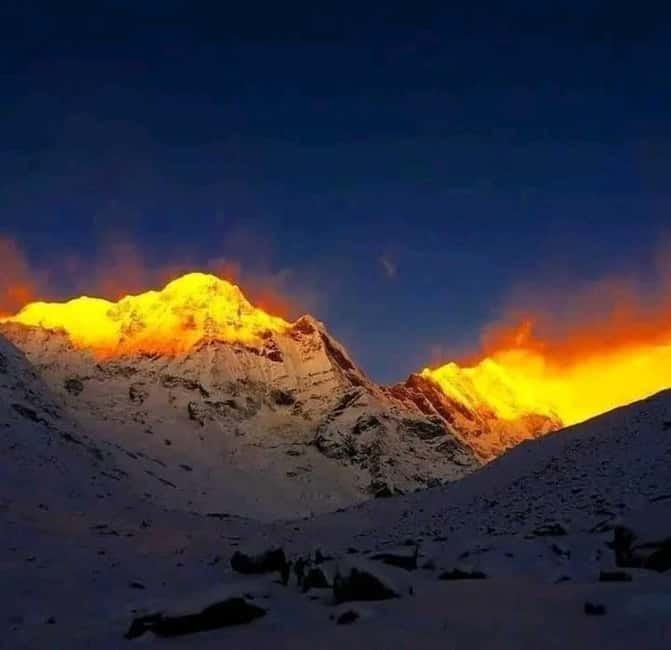
You sleep at a tea house at Annapurna Base Camp. Conditions are basic, and cold temperatures are possible, so bring warm clothing and use the available sleeping bag if you have borrowed one. The mountain setting is the reward. At sunset, the peaks can take on changing colors toward the west, and the enclosed valley gives the evening a special sense of scale.
Do not treat reaching base camp as the finish line. You still need to sleep at altitude and descend for several hours the next day. Keep your evening quiet, stay warm, and follow your guide’s advice.
Five-day hot spring trips around Nepal:
- Pokhara: 5-Day Trek to Annapurna Base Camp and Hot Springs
★ 5.0 · 4 reviews - 5-Day Annapurna Base Camp Trek with Natural Hot Springs
★ 5.0 · 3 reviews - Pokhara: 5-Day Annapurna Base Camp Trek with Hot Spring
★ 5.0 · 3 reviews
Day 4: Sunrise, then a long descent
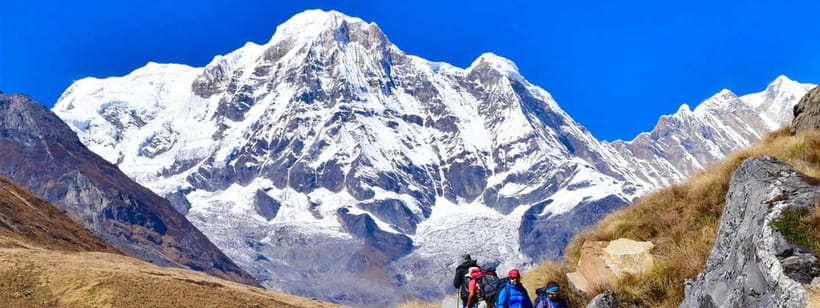
The fourth morning begins with the famous sunrise view from the ABC or MBC area. This is one of the strongest reasons to spend the night high on the route. You do not have to rush up from a lower village in the dark, and you can watch the first light reach the surrounding peaks.
After sunrise, you retrace the route through Deurali, Himalaya, and Dobhan. The walking time is about six to seven hours, so this is a full day. Descending is easier on your lungs, but it can be tough on knees and thighs, especially after the high point of the trek.
You spend the night at Bamboo or Sinuwa, with the exact stop depending on the operating plan and conditions. The altitude drops considerably from ABC, which should make the evening more comfortable. It is also a good time to check your belongings, dry wet clothing, and prepare for the final walking day.
The trip has received praise for guide organization and care, but one practical weakness is communication about schedules and equipment. One inexperienced pair found out departure times only the night before and did not receive the promised trekking poles, so the guide made temporary poles from bamboo. That is a memorable bit of resourcefulness, but you should still confirm your departure time and equipment before setting out.
Day 5: Jhinu Danda hot springs and the ride to Pokhara
The final walking section takes about three to four hours from Bamboo or Sinuwa to Simrung by way of Jhinu Danda. The hot spring stop is optional, but it is the route’s most pleasant extra if your legs and schedule allow.
Natural hot springs at Jhinu Danda offer a chance to sit in warm water after several long walking days. The stop is not the reason to book the trek, and it may not suit every group if weather, timing, or fatigue becomes an issue. Treat it as a welcome bonus rather than a guaranteed centerpiece.
From Simrung, the shared jeep returns to Pokhara in about two to three hours. The planned arrival at your Pokhara hotel or drop-off point is around 5:00 PM, though mountain roads and trail conditions can affect timing. Do not book a tightly timed evening connection without allowing extra flexibility.
The return drive also shows why the shared transport matters to the price. You are not paying for a private luxury transfer, but you do have a practical way back to Pokhara after finishing the trail.
What the $60 price really covers
At $60 per person, this is a very low starting price for a guided five-day Himalayan trek. The value can be good if you choose the budget option and already have some equipment, but you need to check the package details carefully.
The core support includes a guide, trekking permits, four nights of mountain guest-house accommodation, Pokhara hotel pickup and drop-off, and shared jeep transport between Pokhara and Simrung. Sleeping bags, duffle bags, and trekking poles can be borrowed where available. First aid is included.
The cost may not include meals, porter service, hot or cold drinks, alcoholic drinks, or insurance. Meals and a porter can be added to the budget option. The Kathmandu version may also require an extra Pokhara to Kathmandu return flight add-on, while the Kathmandu to Pokhara flight is included only with the selected flight option.
I would compare the total cost after adding the meals, porter, flights, and any equipment you need. The basic rate is best for a fit hiker who packs efficiently and is comfortable paying for food as needed. The all-inclusive choice is easier if you want fewer decisions on the trail.
Travel insurance is not included, and you should arrange it yourself. Because this is a high-altitude trek, confirm that your policy covers trekking at the elevations you will reach.
Guides, porters, and the private format
The private group setup is one of the stronger features. You are not locked into the pace of a large group, and your guide can respond to your condition each day. That matters on the long ascent to ABC and on the six to seven hour descent.
English, French, Japanese, and Chinese guiding are available. The named guides connected with this route include Sagar, Raj, Shiva, and Nareen. Sagar has been praised for careful pacing, safety checks, meal and lodging arrangements, and friendly conversation. Raj and Nareen have been especially valued for calm support during cold, wet, and snowy conditions.
A porter is included only with the all-inclusive option, or as an add-on to the budget package. That distinction matters. Carrying your own pack for five days, including warm clothing and wet-weather gear, makes the route harder. If you are not used to mountain walking, paying for a porter may be money well spent.
The guide and porter also help with the human side of the trek. You pass through traditional Gurung villages, and local staff can give you a better sense of village life, weather, food, and the practical rhythm of the trail than a self-guided walk would.
When to go and what to pack
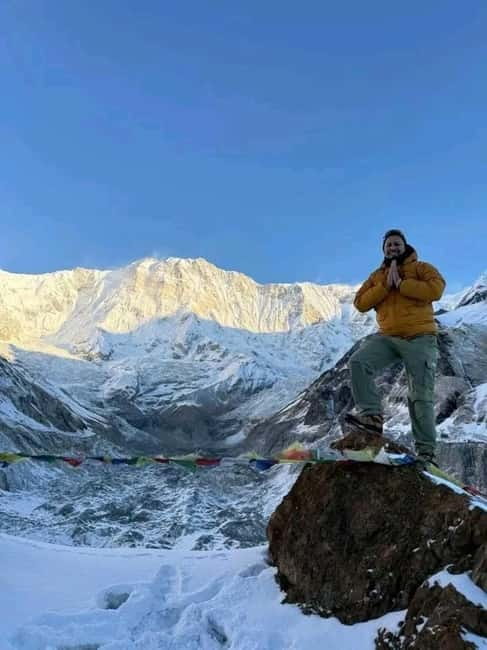
The strongest seasons are March to May and September to November. These periods are recommended for the route, but mountain weather can still change quickly. Cold temperatures, rain, and snow are possible, as shown by the difficult conditions some groups have faced even during the recommended months.
Pack warm clothing rather than relying on a single thick jacket. You also need hiking shoes, water, sunscreen, a camera, trekking gear, and travel insurance. A borrowed sleeping bag, duffle bag, or trekking pole may be available, but confirm what you will receive before departure.
Alcohol and drugs are not allowed. Drinks are also not included, so plan for separate purchases along the trail. Keep your pack light, but do not cut essentials such as warm layers, waterproof protection, and basic personal supplies.
Who should choose this trek
I would recommend this trip to an active hiker with five available days who wants a direct route to Annapurna Base Camp and prefers private guiding. It is also a good fit if you want a mix of forest, waterfalls, village scenery, high mountain views, and a hot spring option without arranging every permit and transfer yourself.
It is less suitable for a first-time hiker who has not trained, or for anyone with heart, respiratory, mobility, or altitude-related concerns. The itinerary is short, the climb is quick, and there is no spare acclimatization day.
If you are new to trekking, ask for clear information about departure times, meals, equipment, porter service, and expected weather before you leave. The guides have shown strong personal care, but good preparation will make their job, and your own trek, much easier.
Should you book the Annapurna Base Camp trek?
Book it if you value speed, private support, and a strong mix of scenery over a relaxed schedule. The route delivers an impressive mountain experience in five days, and the combination of ABC, Machapuchare, Gurung villages, waterfalls, and Jhinu Danda gives you plenty of variety.
Think twice if you want a gentle walk, hotel-level comfort, or a slow altitude program. For the right person, the $60 starting price can be excellent value, but only after you confirm which extras you need. Choose the all-inclusive option if you want meals and a porter, start in Pokhara if possible, and give yourself room in your schedule for mountain delays.
FAQ
How high is Annapurna Base Camp on this trek?
Annapurna Base Camp is at 4,130 meters. The route also passes Machapuchare Base Camp before reaching ABC.
How long does the trek take each day?
Walking times range from about three to seven hours. The longest day is Day 4, when you descend from the base camp area toward Bamboo or Sinuwa.
Is transport from Kathmandu included?
A flight from Kathmandu to Pokhara is included if you select the flight option. The return Pokhara to Kathmandu flight is an add-on.
Are meals included?
Meals are included with the all-inclusive option. They are not included with the budget or Kathmandu option unless you add them separately.
Is a porter included?
A porter is included with the all-inclusive option. For the budget or Kathmandu option, porter service is available as an add-on.
Can I visit the hot springs?
Yes. The route passes through Jhinu Danda on Day 5, where you can visit the natural hot springs. The stop is optional.
New places to soak around Nepal
- 7 Days Annapurna Base Camp Trek from Pokhara with Hot Spring★ 5.0 · 2 reviews
- Lower Mustang Jomsom Muktinath Hot Spring Tour in 4 WD Jeep★ 4.5 · 2 reviews
- Unlimited Sauna Steam and Jacuzzi★ 5.0 · 2 reviews
- POON HILL HOT SPRING – 10 Days Trek★ 5.0 · 3 reviews
- 5-Day Annapurna Base Camp Trek with Natural Hot Springs★ 5.0 · 3 reviews
- Pokhara: Amazing 7-Day ABC Trek with Natural Hot Spring★ 5.0 · 5 reviews
- Pokhara: 5-Day Trek to Annapurna Base Camp and Hot Springs★ 5.0 · 4 reviews
- Pokhara: 7-Day Annapurna Base Camp Trek & Hot Spring★ 4.0 · 3 reviews
Hot Spring Hiking Tours: more water worth the trip.
Bali: Mount Batur Sunrise Guided Hike and Natural Hot Spring
Read our review →
Mount Batur Sunrise Hike and Natural Hot Spring Option
Read our review →
Private Tour Mount Batur Sunrise Trekking and Natural Hot Spring
Read our review →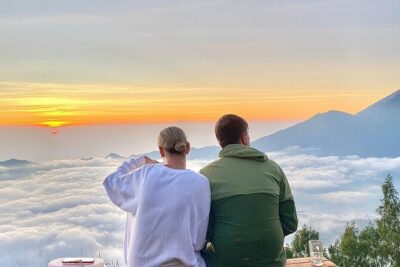
Mount Batur Sunrise Hike, Breakfast & Hot Spring
Read our review →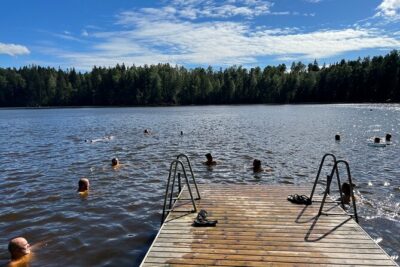
National Park Hike & Finnish Smoke Sauna Experience with Campfire Lunch
Read our review →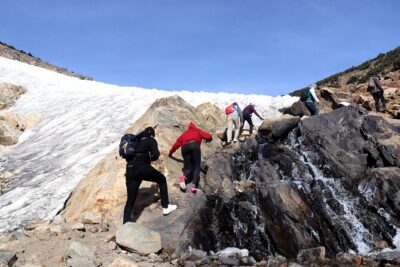
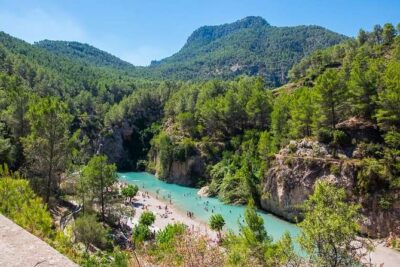
Montanejos Hiking Tour & Thermal Pools from Valencia
Read our review →
Landmannalaugar Hike and Hot Springs from Reykjavik & Hella
Read our review →Lists this soak appears on