
Review · NEPAL
Pokhara: 5-Day Trek to Annapurna Base Camp and Hot Springs
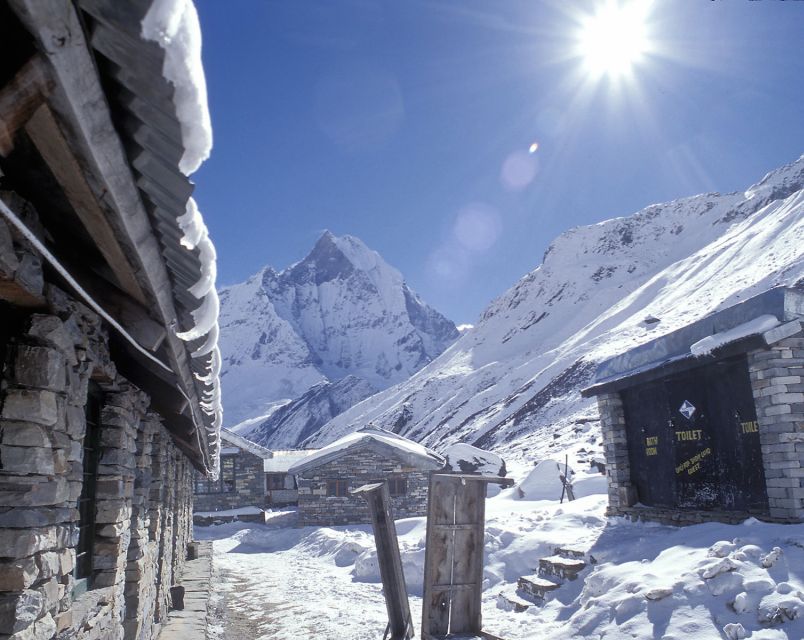
Annapurna Base Camp is the prize here, but the best part may be the changing walk to get there. Over five days, you move from the Modi Khola River and small villages into forests, high mountain valleys, glacial streams, and the stark heights around 4,120-meter Annapurna Base Camp. Then you come down through Jhinu Dada for a hot-spring soak.
I like the efficient route and the fact that permits, transport, guide services, and tourist-standard lodging are arranged for you. I also like the personal care reported from guides such as Tanka, Chhabi, and Amir, especially the habit of adjusting the pace and watching your health. The main caution is the schedule: day four is long and tough on the knees, and the advertised material contains conflicting references to five and seven days. Confirm the final plan before paying.
Key points at a glance
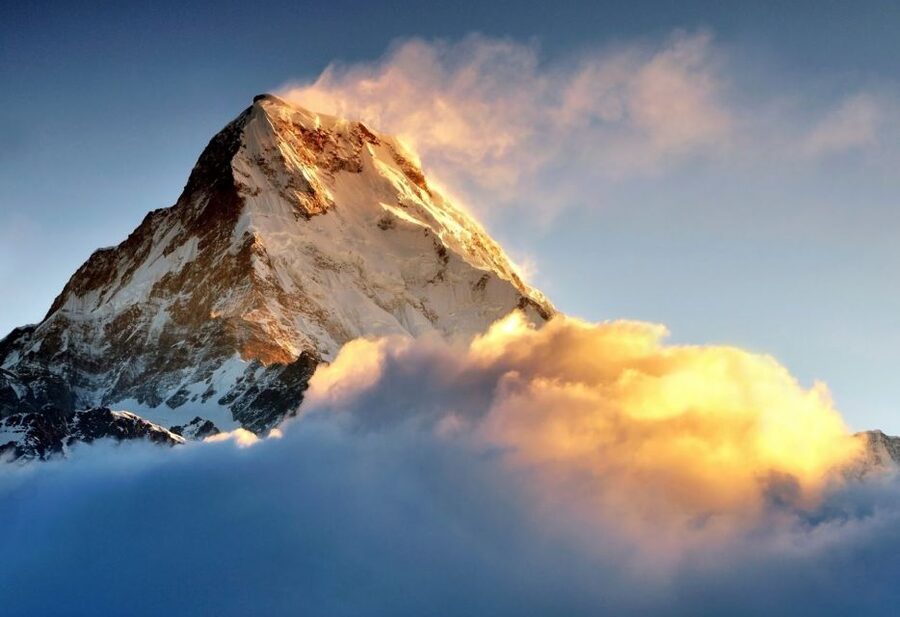
- Annapurna Base Camp at 4,120 meters: Reach the famous mountain bowl after walking from Deurali through Machhapuchhare Base Camp and the high valley.
- Jhinu Dada hot springs: End the return walk with a welcome soak, a fine reward after several demanding days.
- A five-day point-to-point route: Start with a jeep from Pokhara to the road’s end near Jhinu, then walk through Sinuwa, Deurali, and Annapurna Base Camp.
- Guide-led and permit-ready: Conservation permits, TIMS registration, government-registered guide services, and transport are included.
- Meals and porter service vary: These are included only with the all-inclusive option, so check which package you are buying.
- A demanding high-altitude hike: You need comfortable walking shoes, warm changes of clothing, sun protection, and suitable travel and rescue insurance.
Why this route works for a short Nepal trip
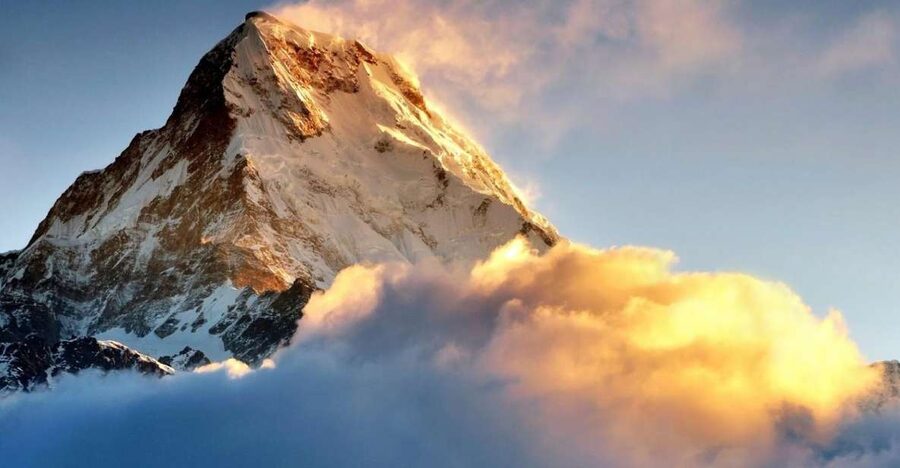
This is a compact way to reach one of Nepal’s best-known mountain destinations. You do not spend the first day simply walking out of Pokhara. A shared jeep carries you toward the trailhead, leaving more of your limited time for the actual mountain route.
The walk has a satisfying rhythm. The lower section follows the Modi Khola River and passes villages, bridges, forests, and waterfalls. Higher up, the setting becomes more open and severe, with streams, glaciers, and large peaks around the Annapurna Sanctuary. That variety is the route’s great strength.
You should also understand what this is not. It is not a gentle sightseeing walk with a few short strolls. The route includes sustained uphill sections, high altitude, long days, and a very steep descent. You sleep in simple tourist-standard lodges, not luxury hotels. The reward is direct access to the mountains, not comfort at every turn.
More Hot Spring Hiking Tours in Nepal:
- Pokhara: 5 Day Annapurna Base Camp Trek & Natural Hot Spring
★ 4.9 · 44 reviews - From Pokhara: 5-Day Annapurna Basecamp Trek with Hot Springs
★ 4.9 · 26 reviews - Pokhara: 7-Day Annapurna Base Camp Trek & Natural Hot Spring
★ 5.0 · 11 reviews
Day 1: Pokhara to Sinuwa by jeep and trail
The trip begins with hotel or airport pickup in Pokhara. You are asked to wait in your hotel lobby or at the entrance of your apartment about 5 to 10 minutes before collection, which is useful in a town where traffic can make timing loose.
A shared jeep takes you from Lakeside Pokhara toward Samrung and the last road access near Jhinu. The listed schedule allows about three hours by jeep and four hours of walking. Your permits are checked, and the guide handles the conservation entry permit and TIMS paperwork.
From the road end, the route follows the Modi Khola River and passes small villages. You cross the river and continue toward Jhinu Danda before walking on to Sinuwa. The path starts with a strong sense of place: working villages, farmland, river sounds, and forest rather than a string of major attractions.
The day is short compared with the later stages, but do not treat it as effortless. After a long jeep ride, four hours on foot can feel substantial. Keep your daypack light and carry water, sunscreen, and a change of clothes where you can reach them quickly.
Day 2: Sinuwa to Deurali through forest
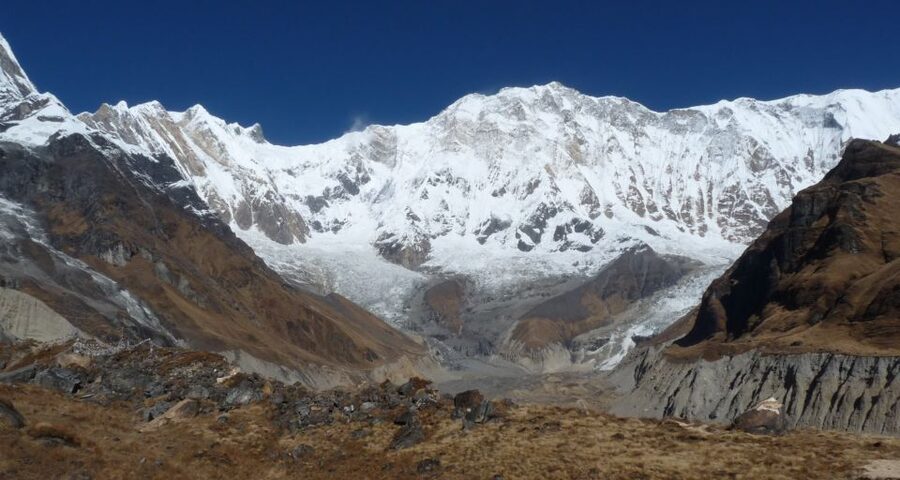
Day two is the main climb toward the high country. From Upper Sinuwa, you walk through dense forest and continue toward Deurali at about 3,230 meters. The full walking time is listed as six to seven hours.
This section is valuable because it gives your body time to gain height before the base-camp day. The forest also provides shade, though it can make the route feel enclosed compared with the wide mountain views higher up. You cross streams and pass through changing vegetation as the trail rises.
Chhomrong is one of the largest villages on the route and an important point in the approach. The route description places the walk through Chhomrong before the higher forest section, so expect steps and uphill walking around this part of the trek. Your guide should set a steady pace rather than turn the day into a race.
That matters at altitude. The German visitor who praised guide Tanka described careful attention to health and a walking speed adjusted to ability. That is exactly the kind of guiding you want here. You should tell your guide early if you have a headache, unusual breathlessness, or feel unwell. A pleasant pace on day two is worth far more than a fast finish.
Day 3: Deurali to Annapurna Base Camp
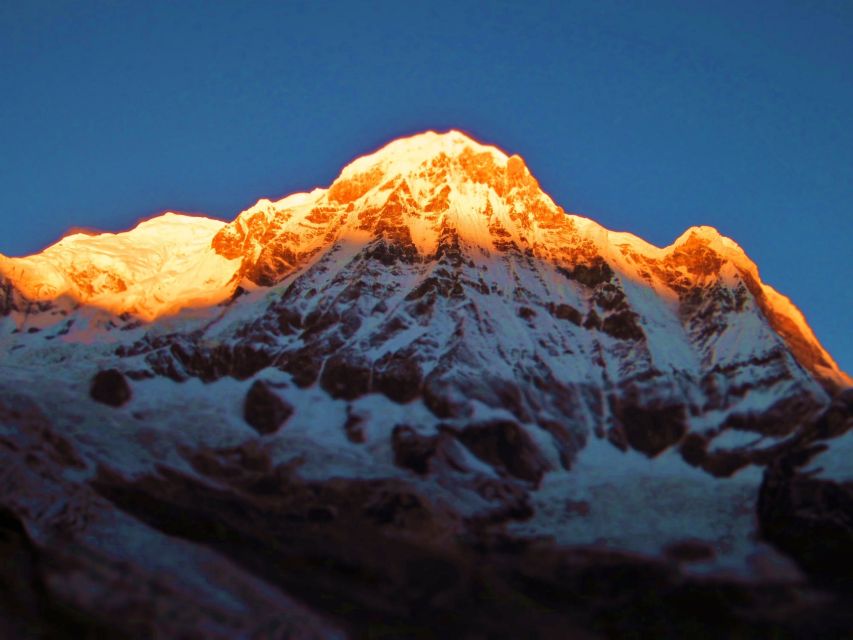
The third day is the dramatic center of the trip. From Deurali, you walk for about five to six hours toward Annapurna Base Camp, passing several streams and reaching Machhapuchhare Base Camp on the way.
Machhapuchhare, also called Fishtail, is a major marker on the route. From there, the trail continues into the high valley described as a corridor between the glacier and the mountain. You cross the hills and enter the Annapurna Sanctuary, a natural bowl surrounded by large Himalayan peaks.
The altitude now becomes the main issue. Annapurna Base Camp sits at 4,120 meters, far above Pokhara. The distance may not sound extreme on paper, but cold, thin air and uneven trails change the effort. Walk slowly, keep eating small amounts, and protect your eyes and skin from the sun.
Lunch with a mountain backdrop is one of the pleasures of the day, but the real appeal is the setting at the base camp. You are surrounded by glacial terrain and high peaks rather than merely looking at them from a distant viewpoint. Bring a warm change of clothes and keep your sunglasses and sun hat handy.
You spend the night at Annapurna Base Camp. Lodge accommodation at this height is basic, and the included package is described as tourist-standard rather than premium. That is a fair trade for reaching the mountain bowl without arranging every permit, room, and transport detail yourself.
Five-day hot spring trips around Nepal:
- Pkr/Kathmandu: 5-Day Annapurna Base Camp & Hot spring Trek
★ 5.0 · 6 reviews - 5-Day Annapurna Base Camp Trek with Natural Hot Springs
★ 5.0 · 3 reviews - Pokhara: 5-Day Annapurna Base Camp Trek with Hot Spring
★ 5.0 · 3 reviews
Day 4: The hard descent to Sinuwa
The return starts with a long descent from Annapurna Base Camp to Sinuwa. The listed walking time is seven to eight hours, making this the toughest day for many people even though you are losing altitude.
The route passes through the only way out of the Annapurna Sanctuary and drops toward Bamboo and Sinuwa. Bamboo is about 1,600 meters lower than Annapurna Base Camp, so your knees take a serious beating. Descending is not simply easier walking. Long stair sections and uneven ground can make the lower route slow and tiring.
Use trekking poles if you have them, or ask the operator what equipment is available before departure. Take short breaks before your legs become shaky, and keep your water and snacks accessible. A porter can also make a major difference if you would otherwise carry a full pack.
This is where the guide’s role becomes especially important. A good guide watches the slowest person, keeps the group together, and helps you manage the long descent. The strongest comments about this experience focus on guides who were punctual, attentive, amusing, and careful with each person’s condition. Those qualities matter more on this day than a long list of facts about the mountains.
Day 5: Sinuwa, Jhinu hot springs, and Pokhara
The final day combines more walking with the return jeep. You descend from Lower Sinuwa toward Jhinu Dada, with about four hours of trekking followed by roughly three hours by jeep back to Lakeside Pokhara.
Jhinu is the payoff. After the steep descent and several demanding days, you can rest in the hot-spring baths before the final drive. This is not a decorative extra. It breaks up the return and gives your tired legs a chance to recover.
The route also passes farmland around the river, giving the last morning a quieter feel than the high mountain section. You return to Pokhara by road, rather than adding another long day on foot.
The schedule is tight, so do not plan an important flight immediately after the return. The supplied timing is an estimate, and jeep travel in the hills can take longer than expected. Keep the final evening flexible.
Lodges, meals, porters, and what you pay for
At $206 per person, this trek offers reasonable value if you want the main logistics handled. The price includes pickup and drop-off from a Lakeside Pokhara hotel or the airport, shared jeep transport to and from the trail, tourist-standard private accommodation, permits, a government-registered English-speaking guide, guide salary, guide lodging, guide meals, government tax, and service charges.
The important detail is the package choice. Meals are included only if you select the all-inclusive option. Porter service is also included only with that option. With the budget choice, you pay for your own meals and porter separately.
That difference can change the real cost. You should budget for drinks, bottled or boiled water, showers, laundry, phone calls, battery charging, bar bills, and personal expenses. Hot, cold, and alcoholic drinks are not included.
A porter is not mandatory, but carrying less can make the high section and long descent far more manageable. If you want one, confirm the extra charge before departure. Also check how much luggage you may take in the shared jeep and what you should keep in your daypack.
Guides and the human side of the walk
The guide can make or break a trek like this. The supplied guide feedback gives you several names to ask about: Tanka, Chhabi, and Amir. Tanka was praised for adjusting the daily walk to the group, checking health, and answering questions about animals, nature, and local culture. Chhabi was described as quiet, kind, and physically strong as a porter. Amir was noted for being friendly and attentive.
You should not assume you will receive one of these specific people unless the company confirms it. Still, these details show what to request: a government-registered English-speaking guide who keeps the group together, checks on health, and explains the places you pass.
The guide is also your practical link to the lodges, permits, trail conditions, and transport. Ask questions early. If you need a slower pace, a porter, or a different meal arrangement, say so before the trail becomes difficult.
Who should book this Annapurna trek?
This trip suits you if you want to reach Annapurna Base Camp in five days and prefer a guide-led plan with transport and permits arranged. It is a good match for someone who accepts simple lodge accommodation and wants a strong mix of villages, forests, rivers, waterfalls, and high mountain scenery.
It is less suitable if you want short walking days, private transport throughout, hotel comforts, or a relaxed schedule. Pregnant people and those with heart problems are specifically advised not to take this activity. Travel and rescue insurance is strongly recommended, and you should take altitude and medical concerns seriously.
Pack hiking shoes, comfortable clothing, a warm change, sunglasses, a sun hat, sunscreen, insect repellent, toiletries, and a daypack. Bring your passport or ID card for the permit process. Pets, weapons, and sharp objects are not allowed.
One point needs checking before you book: the main plan is clearly laid out as five days, but other wording refers to a longer seven-day trek. Ask for the exact five-day route, accommodation stops, meal plan, and porter terms in writing. That simple check prevents confusion.
Is the $206 trek worth it?
I would consider this a good-value choice for a short, organized Annapurna Base Camp trip, especially if you choose the all-inclusive package and want help with permits, transport, lodging, and guiding. The hot springs at Jhinu give the route a pleasant ending, while the mountain section delivers the real reason to come.
Book it if you are ready for long walking days, a high overnight stay, basic lodges, and a hard descent. Skip it if you need a soft adventure or dislike shared transport. Before confirming, verify the five-day schedule, ask who your guide will be, and compare the budget and all-inclusive totals. Those details will tell you far more than the headline price.
FAQ
How long is the Annapurna Base Camp trek?
The activity is advertised as five days. The detailed route runs from Lakeside Pokhara to Sinuwa, Deurali, Annapurna Base Camp, back to Sinuwa, and then Pokhara via Jhinu Dada. Some supplied wording refers to seven days, so confirm the final schedule with the provider.
What altitude does Annapurna Base Camp reach?
Annapurna Base Camp is at approximately 4,120 meters. Deurali is listed at about 3,230 meters, and Bamboo is about 1,600 meters lower than Annapurna Base Camp.
Is hotel pickup included?
Yes. Pickup and drop-off are included from hotels in Lakeside Pokhara or from the airport by car. You should wait in your hotel lobby or at your residential apartment entrance 5 to 10 minutes before pickup.
Are meals included?
Meals are included only when you select the all-inclusive option. On the budget option, meals are not included. Drinks are excluded, including hot, cold, and alcoholic drinks.
Is a porter included?
A porter is included with the all-inclusive option. On the budget option, a porter costs extra if you decide you need one.
What permits are covered?
The price includes the conservation entry permit and the Trekkers’ Information Management System, or TIMS, permit. The provider also handles the related paperwork.
Can I cancel the booking?
You can cancel up to 24 hours in advance for a full refund. The activity also offers reserve-now, pay-later booking.
New places to soak around Nepal
- 7 Days Annapurna Base Camp Trek from Pokhara with Hot Spring★ 5.0 · 2 reviews
- Lower Mustang Jomsom Muktinath Hot Spring Tour in 4 WD Jeep★ 4.5 · 2 reviews
- Unlimited Sauna Steam and Jacuzzi★ 5.0 · 2 reviews
- POON HILL HOT SPRING – 10 Days Trek★ 5.0 · 3 reviews
- 5-Day Annapurna Base Camp Trek with Natural Hot Springs★ 5.0 · 3 reviews
- Pokhara: Amazing 7-Day ABC Trek with Natural Hot Spring★ 5.0 · 5 reviews
- Pokhara: 7-Day Annapurna Base Camp Trek & Hot Spring★ 4.0 · 3 reviews
- Pokhara: 7-Day Annapurna Base Camp Via PoonHill & Hot Spring★ 5.0 · 6 reviews
Hot Spring Hiking Tours: more water worth the trip.
Bali: Mount Batur Sunrise Guided Hike and Natural Hot Spring
Read our review →
Mount Batur Sunrise Hike and Natural Hot Spring Option
Read our review →
Private Tour Mount Batur Sunrise Trekking and Natural Hot Spring
Read our review →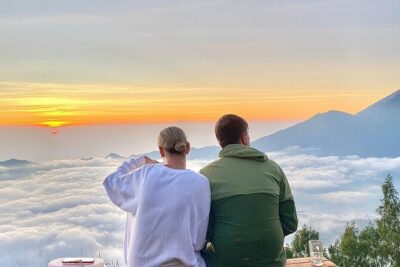
Mount Batur Sunrise Hike, Breakfast & Hot Spring
Read our review →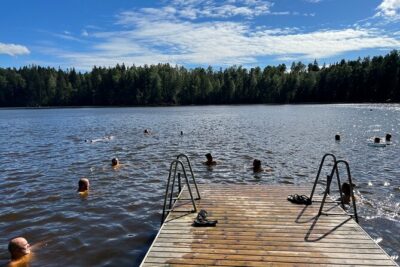
National Park Hike & Finnish Smoke Sauna Experience with Campfire Lunch
Read our review →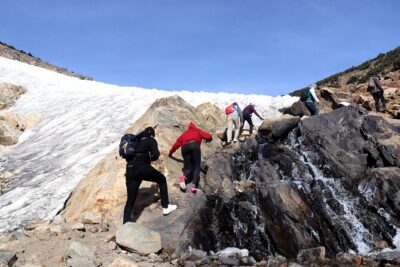
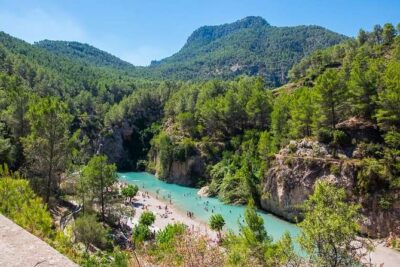
Montanejos Hiking Tour & Thermal Pools from Valencia
Read our review →
Landmannalaugar Hike and Hot Springs from Reykjavik & Hella
Read our review →Lists this soak appears on