
Review · NEPAL
Pokhara: 5 Day Annapurna Base Camp Trek & Natural Hot Spring
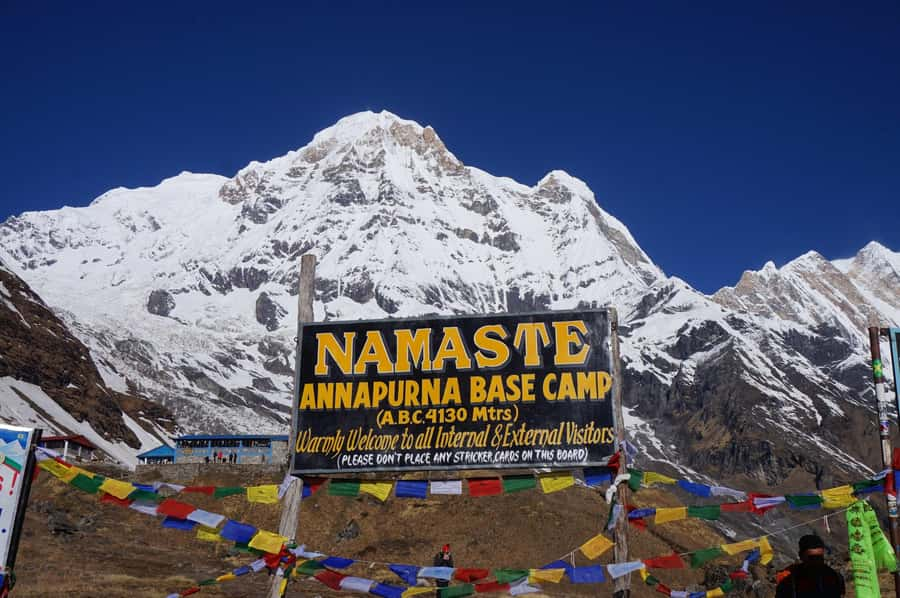
Annapurna Base Camp is one of Nepal’s most rewarding short treks because you reach a high mountain sanctuary without committing to two or three weeks on the trail. In five days, you move from Pokhara’s lakeside hotels to 4,130-meter ABC, beneath Annapurna, Machhapuchhre, and Hiunchuli.
I like the mix of terraced fields, forest paths, waterfalls, and Gurung villages. I also like the practical setup: hotel pickup, permits, a guide, shared jeeps, luggage storage in Pokhara, and trekking gear such as poles or a duffel bag if needed. The catch is the pace. Five days makes this a real physical challenge, with steep climbs, cold nights, and little spare time for altitude adjustment.
Key points to know before you book
- Five days means a fast, demanding trek: You reach Annapurna Base Camp on the third day, then descend quickly.
- The highest overnight area is cold: ABC sits at 4,130 meters, so warm layers and proper shoes matter.
- The scenery changes constantly: Rice terraces give way to forest, waterfalls, rocky trails, and high mountain views.
- Guides are a major part of the value: Deepak, Paras, Hari, Narayan, Basanta, Bidur, and others have led recent trips.
- Meals are not included for you: You buy food at the lodges, while the guide’s food and lodging are covered.
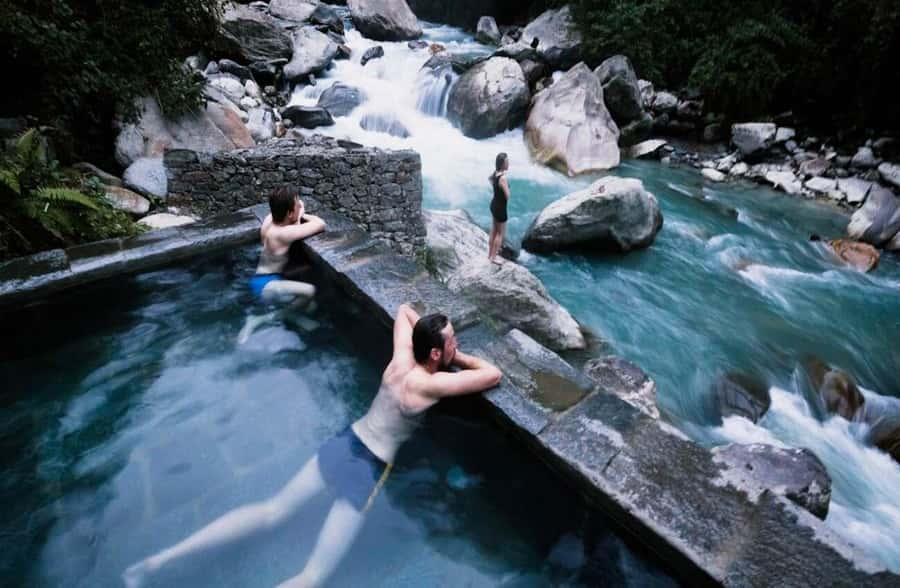
- Jhinu’s hot spring is the reward at the end: The stop comes after the trek, before your drive back to Pokhara.
Why this five-day route works from Pokhara
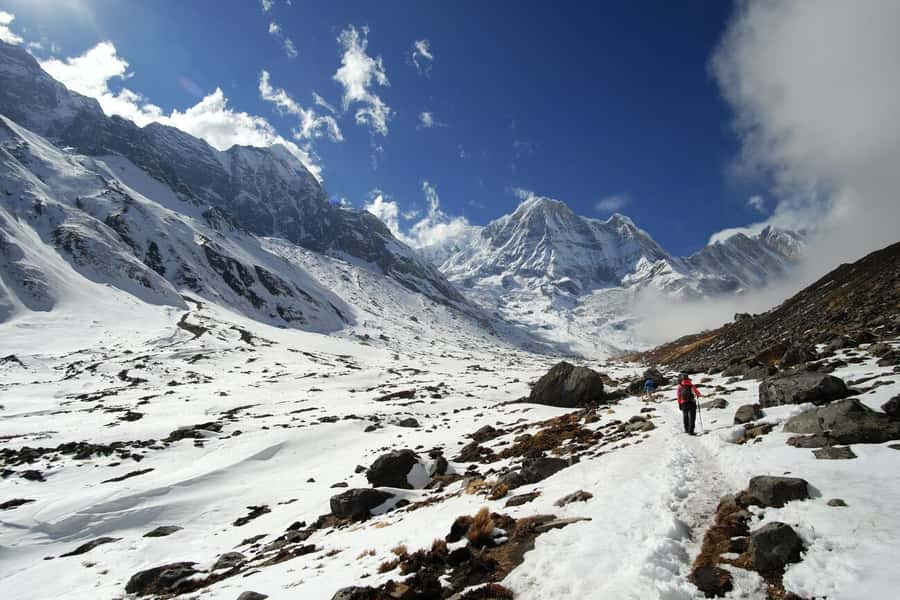
The Annapurna Base Camp trek gives you a striking range of scenery in a short period. You begin near Pokhara, where the road reaches Jhinu, then walk into the mountains through cultivated hills and wooded valleys.
The route is not simply a march toward a viewpoint. You pass homes and lodges used by local Gurung communities, cross forest trails, and move through changing temperatures and vegetation. The mountain views become more dramatic as the valley narrows and the peaks rise around you.
At $171 per person, the price is appealing for a private guided trip. The cost covers transport from Lakeside Pokhara, permits and government fees, a registered guide, private tourist-standard lodge accommodation, first-aid supplies, and some useful trekking equipment. It does not cover your meals or an optional porter, which costs $15 per day.
That makes the total cost higher than the headline price. You should budget separately for breakfast, lunch, dinner, drinks, and personal purchases at the lodges. Still, the package offers good value if you want the permits, road transport, accommodation, and guide arrangements handled together.
More Natural Hot Spring Tours in Nepal:
- Pokhara: 7-Day Annapurna Base Camp Trek & Natural Hot Spring
★ 5.0 · 11 reviews - Pokhara: Amazing 7-Day ABC Trek with Natural Hot Spring
★ 5.0 · 5 reviews - 5-Day Annapurna Base Camp Trek with Natural Hot Springs
★ 5.0 · 3 reviews
Day 1: Pokhara to Jhinu, then Lower Sinuwa
Your guide collects you from a hotel in Lakeside Pokhara or from the airport, with pickup arranged by car. A shared jeep takes about two hours to reach Jhinu, the roadhead for this version of the trek.
The drive is part of the experience, but do not expect a relaxed sightseeing transfer. Mountain roads can be tiring, and a shared jeep gives you less control over stops and comfort than a private vehicle. In return, it keeps the package price down.
From Jhinu, you hike for about five hours to Lower Sinuwa, reaching roughly 2,300 meters. The trail begins among lower-elevation vegetation and cultivated hills, then moves into forested country. You will likely notice the first serious climbs here. The distance is manageable, but the repeated uphill sections set the tone for the days ahead.
Jhinu is also known for its natural hot spring, though the scheduled hot spring stop comes on the final day. If you have time around the route, ask your guide how the stop fits into the day, since the published plan places it after the descent from Bamboo.
Lower Sinuwa is a simple overnight stop. Lodge rooms are private under this package, but the accommodation is tourist standard rather than upscale. Think functional mountain lodging, not a hotel with city comforts.
Day 2: Lower Sinuwa to Deurali
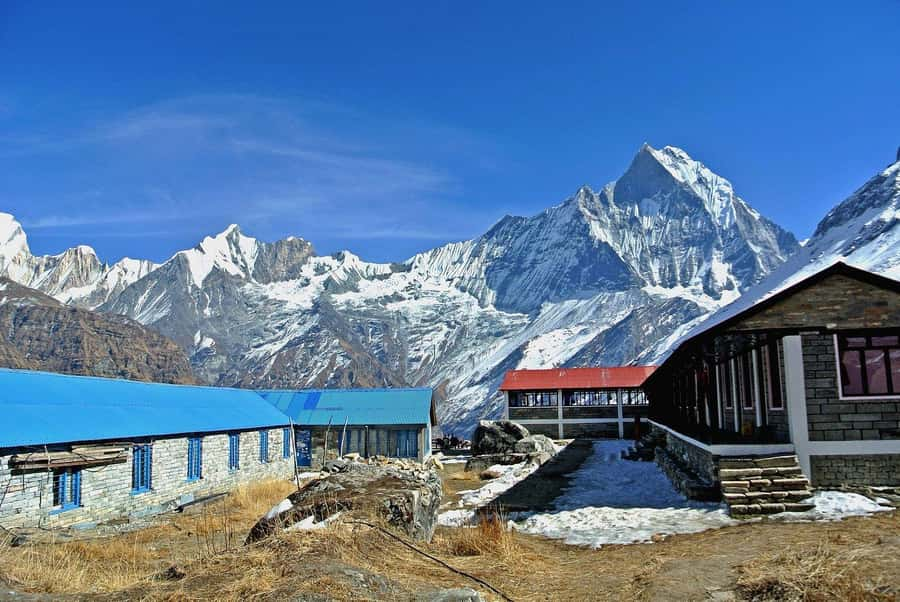
The second day is about six hours of walking to Deurali at approximately 3,200 meters. You continue through forest, with the trail becoming more rugged as you gain height.
This section is one reason you should not judge the trek by distance alone. Stone steps, steep gradients, and uneven ground can make a five-hour walk feel much longer. Take the guide’s advice on pace. The strongest aspect of the guiding service is the attention to steady progress rather than racing ahead.
The forest sections offer shade and a cooler feel, but the trail can also be wet. During the monsoon season, people have dealt with leeches and muddy conditions, so waterproof footwear and a rain layer are sensible. In the dry season, the path may feel easier underfoot, but you still face the same altitude gain.
Deurali is an important staging point before the push to base camp. At this height, you may notice thinner air, reduced appetite, a headache, or unusual tiredness. Tell your guide early if you feel unwell. Guides on this trip have helped people adjust their plans when altitude sickness appeared, rather than treating the schedule as more important than safety.
Day 3: Deurali to Machhapuchhre Base Camp and ABC
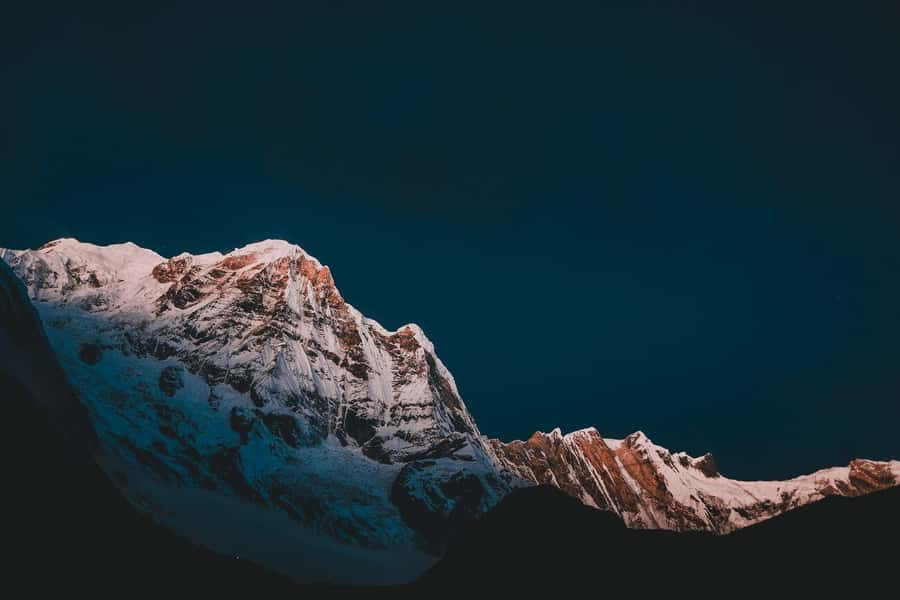
Day three is the shortest listed walking day at about four hours, but it is the emotional center of the trek. You leave Deurali for Machhapuchhre Base Camp, then continue to Annapurna Base Camp at 4,130 meters.
The terrain changes quickly. Forest gives way to more open, rocky ground, and the surrounding peaks become the main event. Machhapuchhre, also called Fishtail, is one of Nepal’s most recognizable mountains. Hiunchuli and the Annapurna range add to the huge wall of rock and snow around the route.
The final approach to ABC is not technically described as a climbing route, but it is physically serious. You are walking high above the starting point, and cold, wind, and thin air can slow you down. The short duration on paper should not tempt you to rush. At altitude, a slow pace is often the sensible pace.
Annapurna Base Camp is the payoff. You are surrounded by the mountain amphitheater, with the peaks close enough to feel immense. Clear weather gives you the best views, but mountain conditions change quickly. The trip is scheduled to spend the night near ABC, so bring warm clothing for the evening and early morning.
This is also where the five-day schedule feels tightest. A longer version of the trek would give you more time to adjust and perhaps more flexibility in poor weather. Here, you need to be ready to walk efficiently and follow your guide’s judgment.
More Hot Spring Hiking Tours in Nepal:
- From Pokhara: 5-Day Annapurna Basecamp Trek with Hot Springs
★ 4.9 · 26 reviews - Pkr/Kathmandu: 5-Day Annapurna Base Camp & Hot spring Trek
★ 5.0 · 6 reviews - Pokhara: 5-Day Trek to Annapurna Base Camp and Hot Springs
★ 5.0 · 4 reviews - POON HILL HOT SPRING – 10 Days Trek
★ 5.0 · 3 reviews
Day 4: A morning at ABC, then down to Bamboo
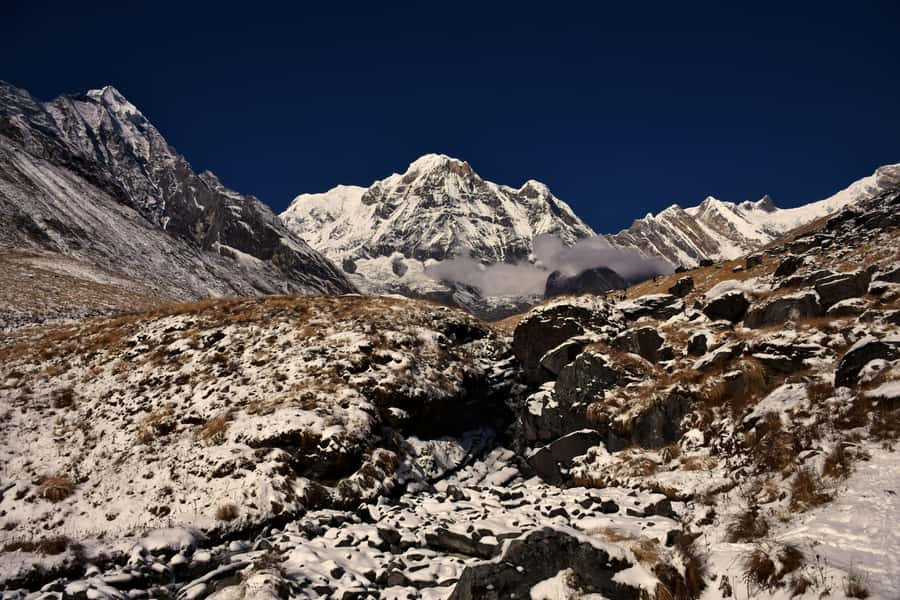
The fourth day begins with time to explore Annapurna Base Camp before descending to Bamboo. The listed walking time is about six hours, and the altitude falls to approximately 2,400 meters.
This day can be kinder to your breathing but hard on your knees. Downhill steps and loose ground place different strain on your body, especially after the push to ABC. Trekking poles are useful here, and the operator can provide them if required.
The descent brings back more vegetation and warmer air. It also gives you another chance to notice details that may have passed quickly on the way up, including forest paths, waterfalls, local shrines, and changing views through the trees.
Bamboo is a basic lodge stop, and the evening should feel easier than the night at ABC. Do not expect a long rest day, though. Six hours downhill is still a full day of walking, and the next morning includes more hiking before the road transfer.
Day 5: Bamboo to Jhinu, hot spring, and return to Pokhara
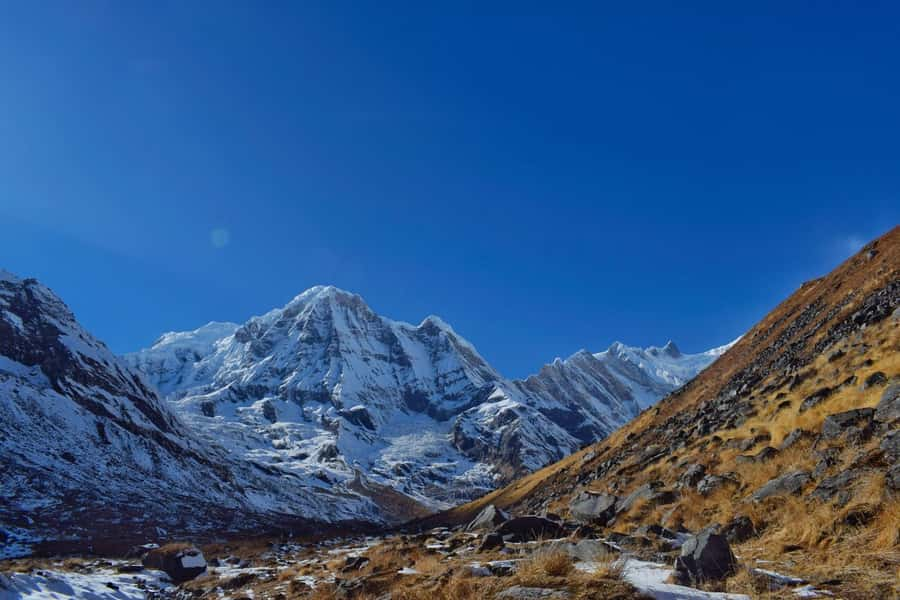
The final day involves roughly six hours of trekking from Bamboo back to Jhinu. From there, a shared jeep takes about two hours to Pokhara.
The natural hot spring at Jhinu is the trip’s well-timed finish. After several days of stone steps and steep trails, warm water offers a simple pleasure. It is not a substitute for rest, but it can make the final day feel like a reward rather than just a long exit.
The return drive ends at Lakeside Pokhara or another listed drop-off point in Pokhara. Since the route combines hiking and road travel, you should avoid scheduling an important flight immediately afterward unless you have plenty of spare time.
What the guiding service adds
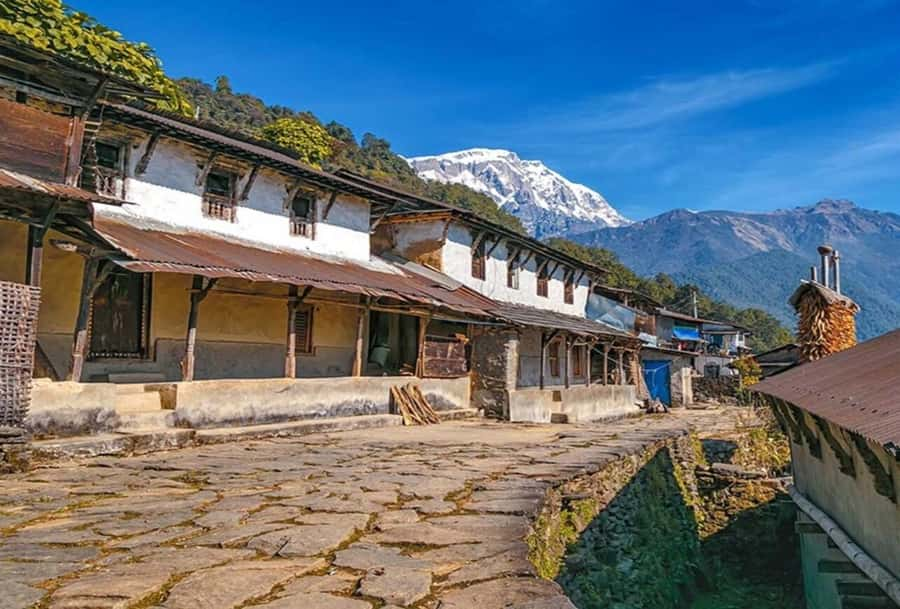
A guide is useful here for more than finding the trail. Your guide handles the pace, helps with lodge arrangements, explains the mountains and local customs, and can react if you feel sick or need a change of plan.
Recent departures have included guides named Deepak, Paras, Hari, Narayan, Sushil, Basanta, Bidur, Sandesh, Sudeep, Krishna Pariyar, and Rajendra. Deepak received especially strong praise for helping groups manage difficult sections, keeping spirits up, and responding quickly to altitude concerns. Narayan was noted for clear daily briefings and a pace that allowed time for food, rest, and photographs.
Guide assignment is not guaranteed, so treat these names as examples rather than a promise. The consistent point is that the guide can make a major difference on a five-day schedule. Ask questions before you start, especially about pace, symptoms, meal arrangements, and the next lodge.
A porter is optional at $15 per day. If you do not hire one, keep your personal pack light. Carrying a heavy bag up and down all those steps can change a rewarding trek into a miserable one.
Lodges, food, and what the $171 covers
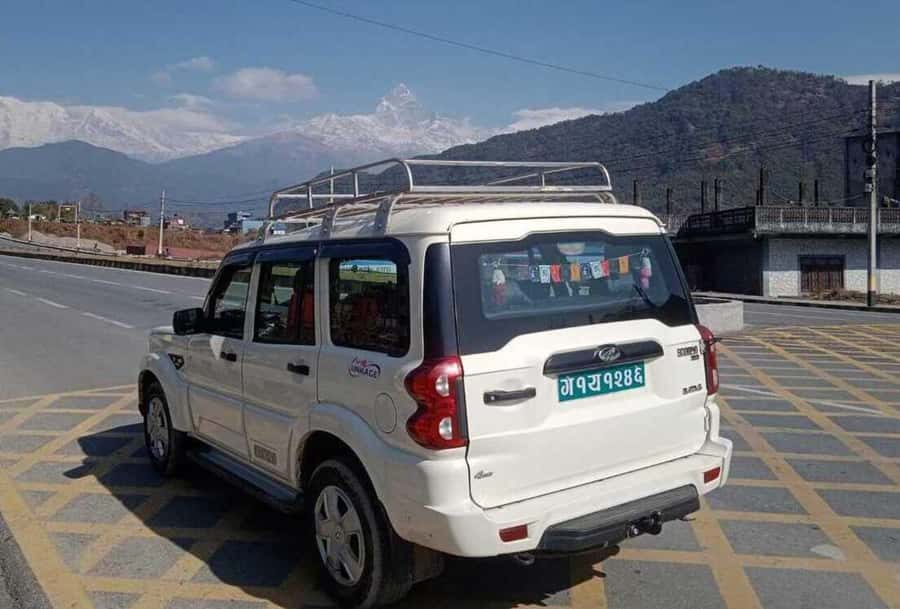
The package includes private accommodation in tourist-standard lodges. That usually means a simple room intended for trekkers, with comfort becoming more basic as you climb. Extra blankets may be available, but you should still bring warm layers and sleep clothing suitable for cold nights.
Food is available for purchase at the lodges, but your meals are not included in the $171. This is an important cost detail. Breakfast, lunch, dinner, tea, water, snacks, and personal purchases all come from your own budget.
The guide’s food, accommodation, insurance, salary, transport, and equipment are included. Government permits, the Annapurna Conservation Area permit, TIMS, and taxes are also covered. That saves you from arranging the paperwork yourself.
You can leave luggage in storage in Pokhara during the trek. The information supplied for this trip says the facility is included, although one past booking had difficulty getting a clear answer about storage. Confirm the procedure before departure, and keep valuables and important documents with you.
The real difficulty: altitude, steps, and cold
You do not need to be an experienced mountaineer for this trip, but you do need reasonable fitness and a willingness to walk uphill for several hours. One recent departure included first-time hikers who completed the route with support, but they still found it difficult.
The challenge comes from the combination of steep trails, altitude, long days, and a compressed schedule. The route reaches 4,130 meters by the third day, leaving limited time for your body to adjust. Headaches, nausea, unusual fatigue, and dizziness should be reported to your guide immediately.
The trek is not suitable for pregnant women. The operator lists comfortable shoes and a passport or identity document as basic requirements, but I would bring much more than that: warm layers, waterproof footwear, rain protection, gloves, sun protection, and cash for lodge purchases.
Season matters. Clear winter days can provide excellent mountain views, but the ABC area is cold. The monsoon months can bring rain, leeches, slippery trails, and cloud that hides the peaks. The route remains possible in wet weather, but waterproof gear becomes essential.
Who will enjoy this trek most
This is a good fit if you want a major Himalayan achievement without spending two weeks on a remote route. It suits active visitors staying in Pokhara who can manage steep walking and are comfortable with simple lodges.
It also works well for first-time trekkers who want guidance. The private group format allows the guide to adjust the pace more easily than a large group tour. Still, private does not mean easy. You will need to accept early starts, basic rooms, shared transport, and a demanding schedule.
You may want a longer route instead if you prefer slow acclimatization, relaxed mornings, or extra weather flexibility. The five-day plan is efficient, but efficiency is exactly what makes it tiring.
Free cancellation up to 24 hours before departure and reserve-now, pay-later booking add useful flexibility. Starting times depend on availability, and English-speaking guides are provided.
Should you book the Annapurna Base Camp trek?
I would book this trip if you have limited time in Nepal, want a guided route from Pokhara, and are prepared for a demanding five days. The combination of permits, transport, lodge arrangements, luggage storage, and guide support gives the $171 starting price solid value, provided you budget extra for meals and any porter.
I would not book it casually as a simple sightseeing outing. You need proper shoes, warm clothing, a light pack, and a serious attitude toward altitude. If you accept that, the reward is substantial: Gurung villages, forest trails, high mountain views, Annapurna Base Camp, and a hot spring at Jhinu before returning to Pokhara.
FAQ
How long is the Annapurna Base Camp trek?
The activity lasts five days and includes four nights. The listed walking times range from about four to six hours per day, plus road transfers.
What is the highest point on the route?
Annapurna Base Camp is the highest point, at approximately 4,130 meters.
Where does the trek start?
Pickup is available from hotels in Lakeside Pokhara or from Pokhara Airport. A shared jeep takes you to Jhinu, where the walking portion begins.
Is transport included?
Yes. The package includes hotel or airport pickup and drop-off, plus a shared jeep between Pokhara and Jhinu at the beginning and end of the trek.
Are meals included?
No. Meals are available for purchase at the lodges, but breakfast, lunch, and dinner for you are not included in the listed price.
Is a porter included?
No. A porter is optional and costs $15 per day.
What accommodation is provided?
The package includes private accommodation in tourist-standard lodges during the trek.
Is the natural hot spring included in the route?
Yes. The fifth day includes a stop at the natural hot spring in Jhinu before the drive back to Pokhara.
What should I bring?
Bring a passport or identity document, comfortable shoes, warm clothing, rain protection, and enough personal funds for meals and other purchases. Trekking poles, a duffel bag, and a trekking bag are available if required.
Five-day hot spring trips around Nepal
- Pokhara: 5-Day Annapurna Base Camp Trek with Hot Spring
★ 5.0 · 3 reviews
New places to soak around Nepal
- 7 Days Annapurna Base Camp Trek from Pokhara with Hot Spring★ 5.0 · 2 reviews
- Lower Mustang Jomsom Muktinath Hot Spring Tour in 4 WD Jeep★ 4.5 · 2 reviews
- Unlimited Sauna Steam and Jacuzzi★ 5.0 · 2 reviews
- POON HILL HOT SPRING – 10 Days Trek★ 5.0 · 3 reviews
- 5-Day Annapurna Base Camp Trek with Natural Hot Springs★ 5.0 · 3 reviews
- Pokhara: Amazing 7-Day ABC Trek with Natural Hot Spring★ 5.0 · 5 reviews
- Pokhara: 5-Day Trek to Annapurna Base Camp and Hot Springs★ 5.0 · 4 reviews
- Pokhara: 7-Day Annapurna Base Camp Trek & Hot Spring★ 4.0 · 3 reviews
Hot Spring Hiking Tours: more water worth the trip.
Bali: Mount Batur Sunrise Guided Hike and Natural Hot Spring
Read our review →
Mount Batur Sunrise Hike and Natural Hot Spring Option
Read our review →
Private Tour Mount Batur Sunrise Trekking and Natural Hot Spring
Read our review →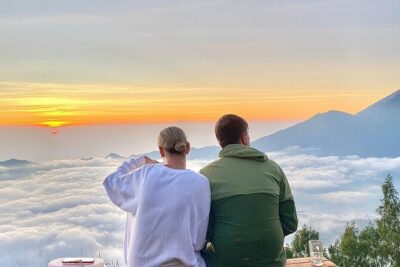
Mount Batur Sunrise Hike, Breakfast & Hot Spring
Read our review →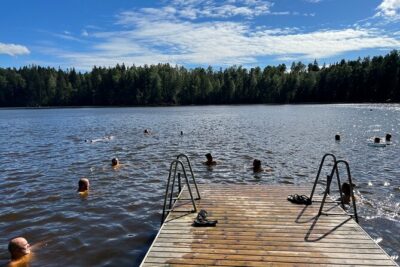
National Park Hike & Finnish Smoke Sauna Experience with Campfire Lunch
Read our review →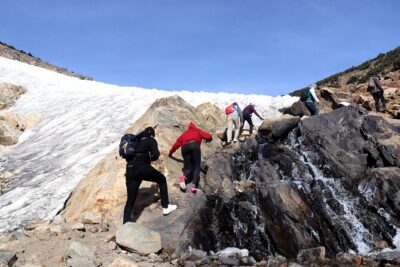
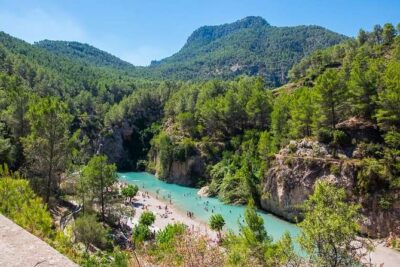
Montanejos Hiking Tour & Thermal Pools from Valencia
Read our review →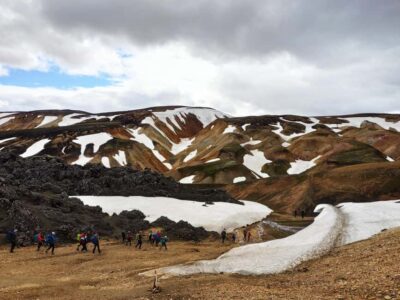
Landmannalaugar Hike and Hot Springs from Reykjavik & Hella
Read our review →Lists this soak appears on