
Review · JAPAN
Osaka: Wakayama Cat Train, Seafood market, Hot Springs Tour
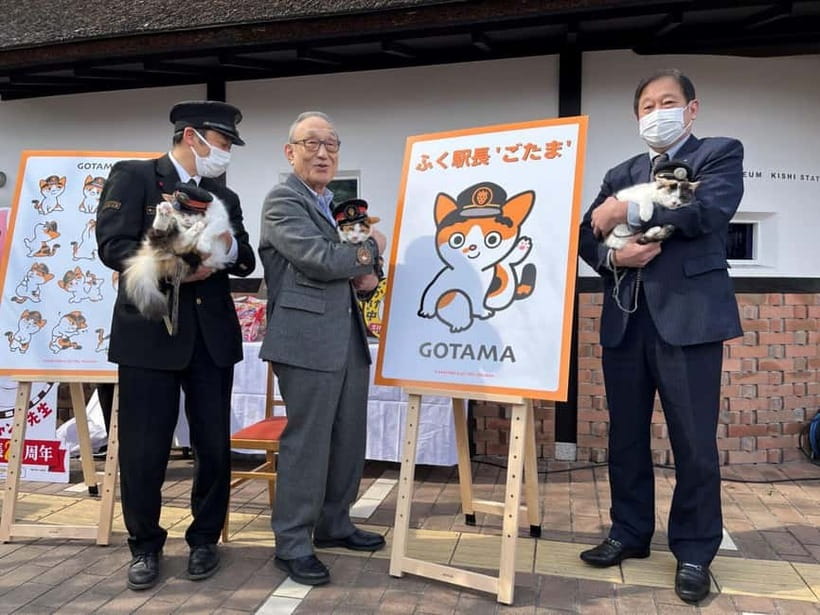
Wakayama’s cat train is the charming hook, but the day quickly grows into a full tour of seafood, hot springs, and Pacific coast scenery. At Kishi Station, you learn how a calico cat named Tama helped save a rural railway line, then meet her successor Nitama and browse cat-themed souvenirs.
I like the mix of small-town Japan and ocean views, and I like that the $83 price covers transport, the train ride, a guide, tolls, fuel, and parking. The tradeoff is time: this is a long 10-hour day, with several hours on the road, and the cat train itself lasts only about 15 minutes.
Key points to know before booking
- Kishi Station tells a memorable local story: Tama became a stationmaster and helped draw attention to a railway that was close to shutting down.
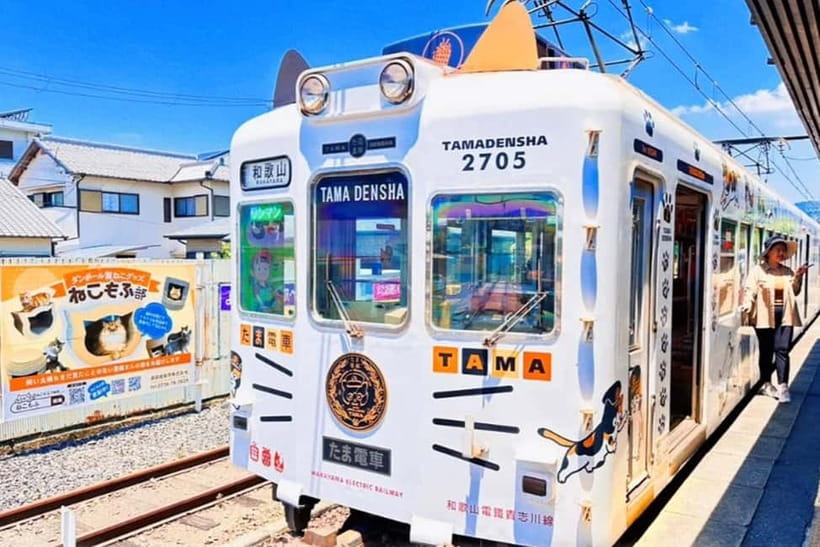
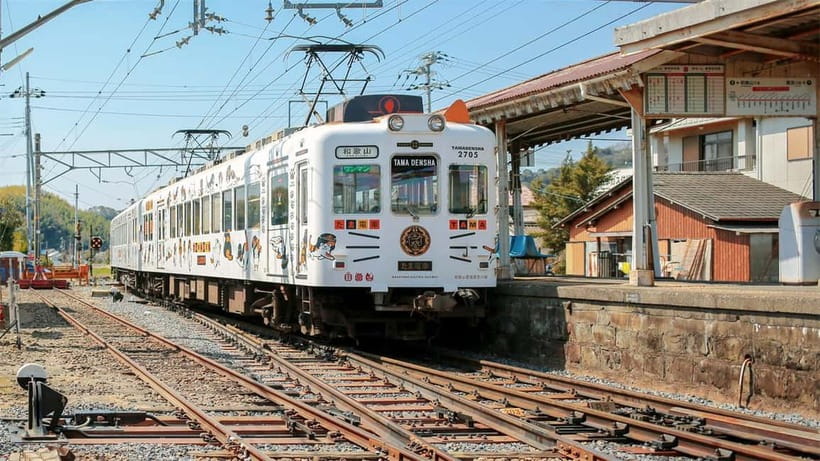
- The train design changes: You may ride the Tama Train, Strawberry Train, or Toy Train, depending on the day’s service.
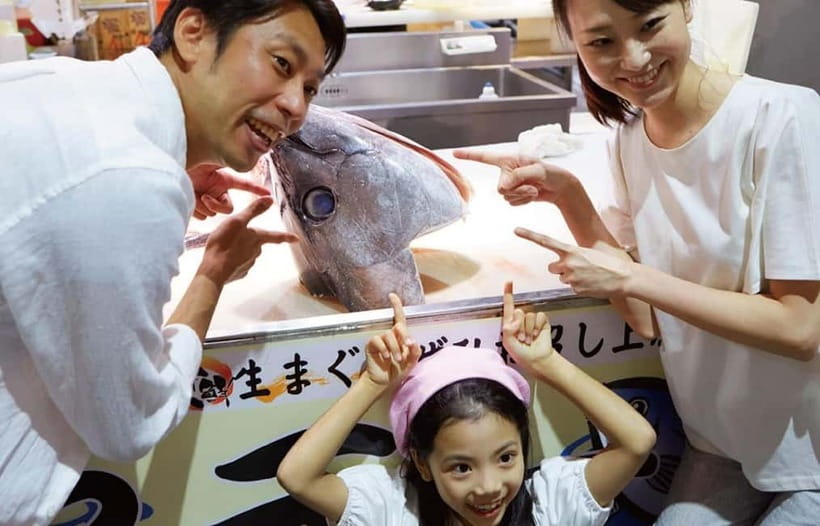
- ToreTore Market is the main food stop: You can watch a tuna cutting show, then buy lunch at your own cost.
- The coast provides the day’s best views: Senjojiki’s broad rock shelves and Sandanbeki’s sea caves make a strong pair.
- The hot spring is optional: Entry costs extra, and tattoos may restrict access.
- Guide communication is a real strength: Tiger is specifically praised for clear updates, organization, and help at the market.
Why this Wakayama day trip works
This outing gives you a slice of Japan that is hard to arrange neatly by yourself in one day from Osaka. It links a rural railway, a major seafood market, a hot spring resort, and two coastal sights. None of these stops requires a full day alone, but they sit far enough apart that a private car or organized bus makes the combination practical.
The day begins at 8:30 a.m. near Nipponbashi Station Exit 2, in the Namba and Shinsaibashi area. You need to arrive at least 15 minutes early. The meeting point can be crowded with several tour groups, so do not cut it close. You receive the final guide, driver, vehicle, and meeting details by email the evening before.
The transport is an air-conditioned bus or coach. Vehicle size depends on the number of people booked. The ride to Wakayama takes about 1.5 hours, followed by a much longer return drive of about 2.5 hours. Traffic can change the order of the stops, especially on weekends, public holidays, and during busy travel seasons.
That road time is the main compromise. You should book this as a sightseeing day, not as a restful escape. The reward is that you can see several parts of Wakayama without working out rural rail connections, bus transfers, taxi costs, or parking.
Train rides to the springs around Japan:
- Kusadasi Day Trips Magnesia, Train Museum Turkish Bath
★ 5.0 · 10 reviews
Kishi Station and the story of Tama
Kishi Station is more than a quick photo stop. Its building is shaped like a cat’s face, with ears and feline details that set the tone before you even reach the platform. The station became famous because of Tama, a calico cat who was treated as the stationmaster.
The story has a practical side. The local railway was struggling and at risk of closure. Tama’s presence attracted attention, visitors, and fresh interest in the line. She became a symbol of how a very small place could create a memorable identity without large attractions or expensive construction.
Today, Nitama, known as Second Tama, continues the station’s cat connection. The visit may appeal most to cat lovers, but you do not need to be one to enjoy the odd, very Japanese charm of the place. This is a working countryside station, not a large theme park. That is part of its appeal.
You have time to look around the Tama Shop, browse cat souvenirs, visit the café, and collect cat-themed stamps. These small details make the stop more enjoyable than simply arriving, taking a picture, and leaving. Bring cash if you plan to buy snacks, stamps, or gifts.
What to expect on the cat-themed train
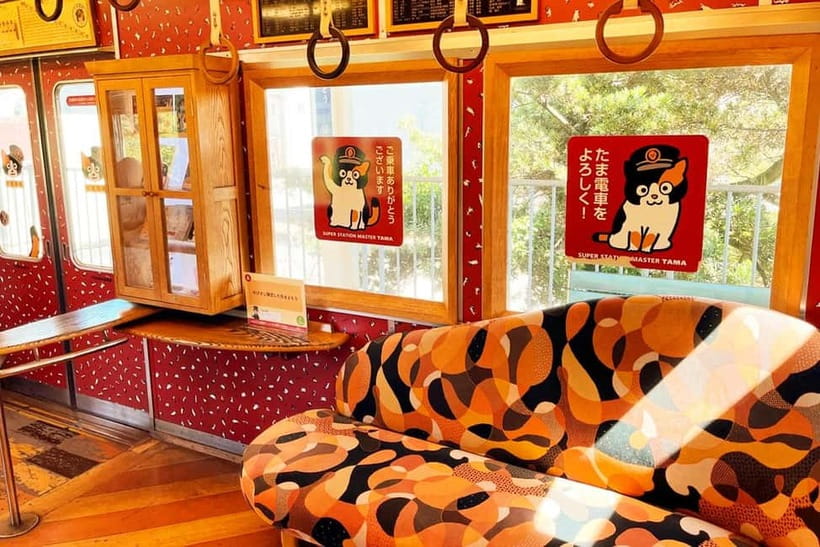
The train is a short but unusual part of the day. The service changes, so you may ride the Tama Train, Strawberry Train, or Toy Train. Each has its own look, and you cannot choose the design in advance based on the information provided.
The cat-themed train ride itself takes around 15 minutes. That matters because some people may picture a long scenic railway journey and feel disappointed by the short onboard time. The wider rail portion is described as lasting about 70 minutes in the schedule, but the specific cat train experience is the shorter part. Think of it as a delightful local railway sample, not the central transportation event of the day.
I like this arrangement because it keeps the train stop light and playful. You get the station story, a ride, and time to look around without spending half the day on a single attraction. If rail travel is your main reason for booking, though, you may want a longer independent visit on the Wakayama Railway line.
ToreTore Market and the tuna cutting show
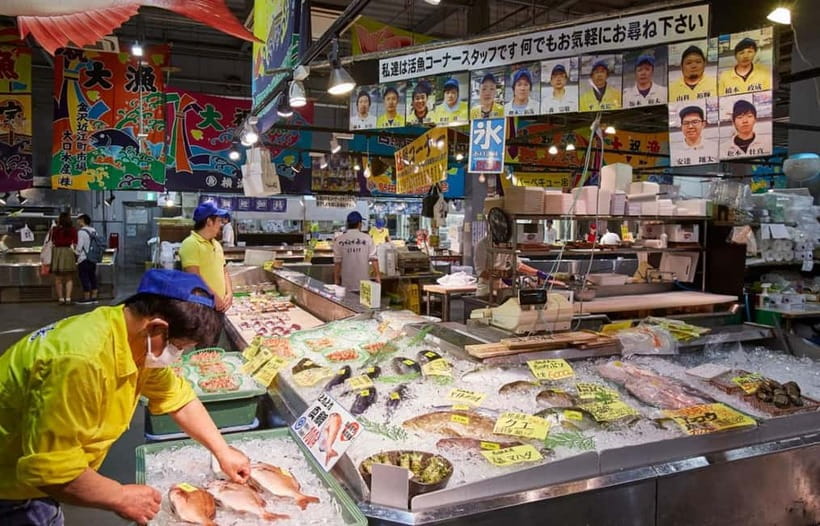
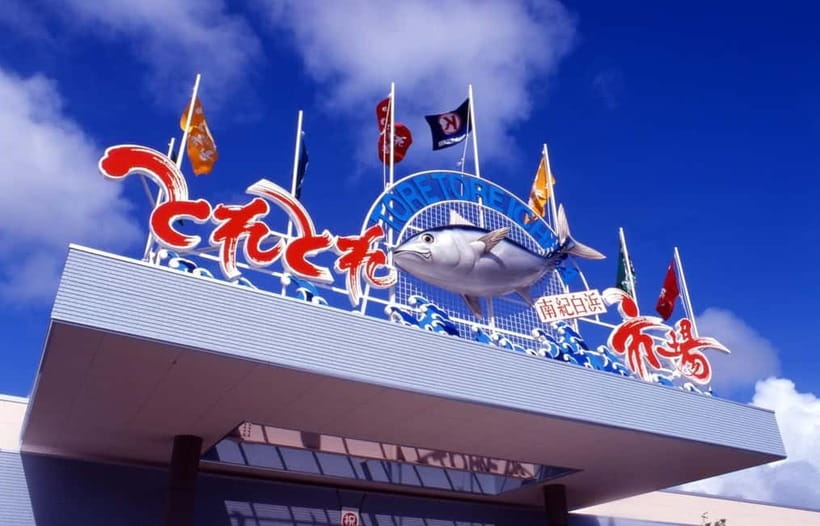
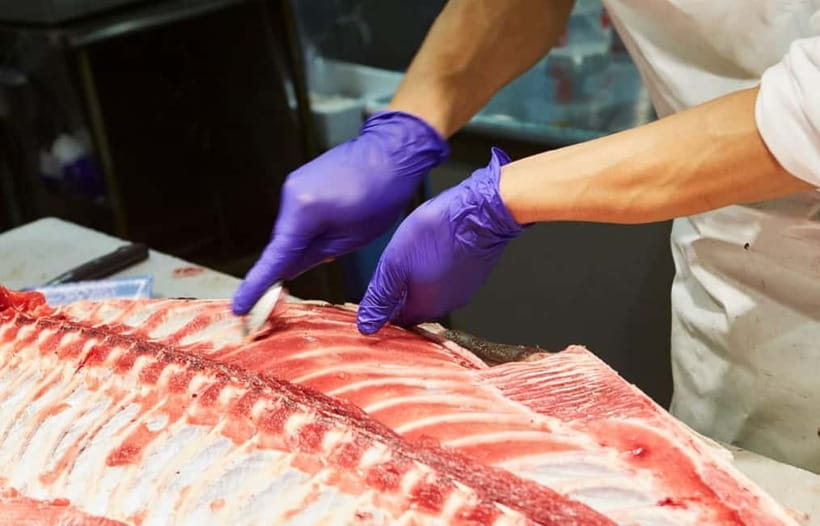
ToreTore Ichiba is the day’s biggest food stop. It is described as the largest seafood market in western Japan, and the range of fresh fish and prepared food gives you plenty to examine before choosing lunch.
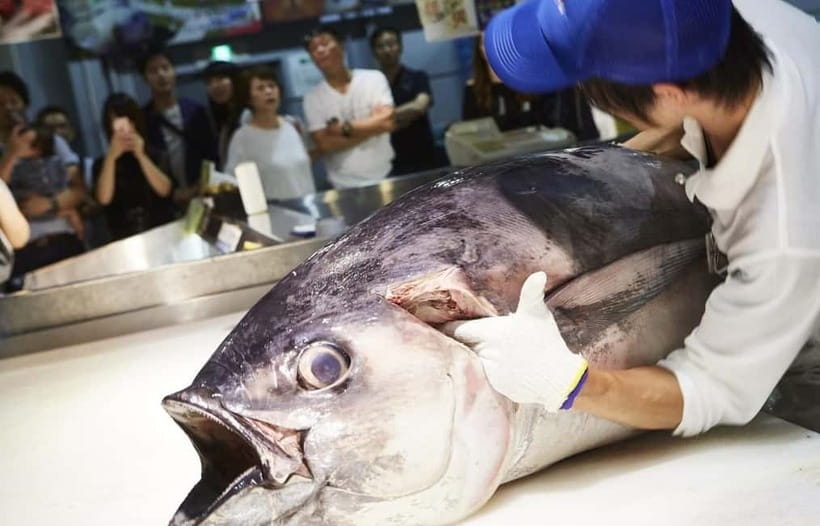
The tuna cutting demonstration is the main event. A whole tuna is broken down in front of you, with the cutter explaining the fish’s anatomy while making quick, precise cuts. It is part food presentation and part lesson in how seafood reaches the counter.
The show runs two or three times a day, but the exact time changes. Bad weather or other unexpected conditions can cancel it. You should enjoy it if the timing works, but do not treat it as guaranteed. A guide can help you understand what is happening, especially if the demonstration moves quickly.
Lunch is not included. You can buy tuna sashimi bowls, grilled fish, octopus rice, and other seafood dishes inside the market. Some areas also offer seafood for cooking at BBQ tables, according to the experience details shared by the tour. Bring cash, since it is listed as something to carry and is useful for food and small purchases.
The market works well for a group tour because you can choose your own meal instead of being placed at one fixed restaurant. The downside is that the free time may feel short if you want to compare many stalls, eat slowly, and shop for gifts. The seafood souvenir area includes seasoned fish, packaged foods, and local treats.
Guide Tiger received especially strong praise for helping people make choices at the market. If you are unsure what to order, ask for help. His communication in English and Chinese and his habit of updating the group through WhatsApp can make this busy stop easier to manage.
Market stops on bath days around Japan:
- Active Volcano, Rice Field, Hot Spring, Fruit market, Tea Plantation with Lunch
★ 5.0 · 513 reviews - Tour to the Medina of Hammamet and the Spice Market of Nabeul
★ 4.0 · 45 reviews - Seoul: Sokcho beach, market, hot spring and Seorak Cable Car
★ 4.8 · 5 reviews
The optional hot spring in Shirahama
After lunch, the tour turns toward Shirahama, a coastal resort associated with more than 1,300 years of hot spring history. The Toretore Onsen option uses sodium bicarbonate spring water described as gentle on the skin and includes Japan’s first salt-stone bedrock bath.
The hot spring is optional and costs extra, so you can decide based on your interest, budget, and available time. If you love Japanese bathing culture, this may be the most relaxing part of the day. If you would rather spend every minute outdoors, you can skip it and focus on the coast.
You need to consider bathing rules before you go. People with tattoos may be refused entry or face restrictions. Bring comfortable clothes and shoes for the rest of the day, but confirm what you need for the bath through the final tour information.
The timing can also vary. Traffic and the group’s pace may affect how long you have at each stop, so do not expect a long spa visit. This is a chance to sample a famous hot spring area within a packed sightseeing day, not a full resort stay.
Senjojiki’s broad Pacific views
Senjojiki means a place compared with many tatami mats, a reference to the wide layers of rock spread along the coast. The site gives you a chance to walk over large slabs facing the Pacific and take in the force of the sea.
You have about 30 minutes here. That is enough for photographs and a short walk, but not for a long coastal exploration. Wear shoes with a firm grip, especially if the rock is wet or uneven. Comfortable shoes are one of the suggested items for good reason.
The light can be especially attractive near sunset, though the tour schedule and traffic decide how close you get to that time. The appeal is not a single monument. It is the open view, the sound of the ocean, and the contrast with the quiet station and crowded market earlier in the day.
This stop is also a useful break after lunch. You can stretch your legs and get fresh air before returning to the vehicle.
Sandanbeki and the sea caves
Sandanbeki adds a more enclosed, dramatic stop. An elevator takes you 36 meters down to sea-level caves associated with pirates during the Heian period. Inside, displays recreate parts of that story, while waves and natural erosion have shaped the rock.
Cave admission is optional and not included in the $83 price. You can still enjoy the clifftop area and take photographs if you decide not to pay for the elevator and cave visit. The full cave experience makes more sense if you like unusual geology and historical storytelling, while the upper viewpoint is enough for people mainly interested in coastal scenery.
The planned visit is about 30 minutes. That is fairly brisk once you allow time for the elevator and moving through the cave area. If the sea is rough or the site is busy, the stop may feel even shorter.
Together, Senjojiki and Sandanbeki give the coastal section variety. One is wide and open, while the other takes you below the cliffs. You do not need to be an expert in geology or Japanese history to enjoy either one.
Is $83 good value?
At $83 per person, the price is reasonable for a 10-hour day if you want convenience. The package includes round-trip transport, an air-conditioned vehicle, the cat-themed train, a multilingual guide, tolls, fuel, parking, and a professional driver. Those transport costs could add up quickly if you tried to connect all the stops alone.
You still need to budget for lunch, hot spring entry, Sandanbeki Cave admission, souvenirs, and personal expenses. The market can make spending unpredictable because the food and gift choices are tempting. Cash is recommended.
The value is strongest for visitors based in Osaka who want to see Wakayama but do not want to plan several rural connections. It is less compelling for you if you prefer slow travel, long meals, or spending a full day at one hot spring resort.
The tour has a 4.6 rating from 24 reviews, with repeated praise for the guides and drivers. Tiger is singled out for being friendly, organized, and attentive to the group. One useful point is that he has offered extra help to English-speaking participants at the market, including advice on what to buy and cook.
Who should book this experience?
I would recommend this day to first-time visitors who want a broad introduction to southern Wakayama without renting a car. It suits families, couples, solo visitors, cat fans, seafood lovers, and anyone who likes combining food with outdoor scenery.
You should also be comfortable with a full day on the move. The group visits several places, and the road sections are long. The cat train is cute but brief, and the tuna show is dependent on timing and conditions.
This tour is not suitable for wheelchair users. It also may not suit you if you have tattoo-related concerns about entering Japanese hot springs. Ask about the bathing rules before booking rather than assuming access.
The cancellation policy is flexible: you can cancel up to 24 hours before departure for a full refund, and reserve now while paying later. Late arrivals and no-shows are not refunded, so the early meeting time matters.
Should you book it?
Book this tour if you want a well-organized day that joins Tama’s unusual railway story, fresh seafood, and Wakayama’s Pacific coast. The strongest parts are the guide support, the market, and the range of sights covered for the price.
Skip it if you want a long train ride, a slow hot spring visit, or complete control over your schedule. The cat train is a short highlight rather than a full railway adventure. For most Osaka visitors with one spare day, though, the combination is appealing, practical, and pleasantly different from the city’s usual shopping and food districts.
FAQ
Where does the tour meet in Osaka?
The meeting point is at Nipponbashi Station Exit 2, near the Namba and Shinsaibashi area. The listed address is 1-chōme-3-6 Nipponbashi, Chuo Ward, Osaka, 542-0073.
What time does the tour depart?
Departure is scheduled for 8:30 a.m. You should arrive at least 15 minutes early because several tour groups may gather at the same location.
Which cat train will I ride?
The train design depends on the daily service. You may ride the Tama Train, Strawberry Train, or Toy Train.
How long is the cat train ride?
The cat-themed train experience takes about 15 minutes. The wider schedule includes a longer rail portion of about 70 minutes.
Is lunch included?
No. Lunch is at your own expense. ToreTore Market offers seafood dishes such as tuna sashimi bowls, grilled fish, and octopus rice.
Are the hot spring and Sandanbeki Cave included?
No. Hot spring entry and Sandanbeki Cave admission are optional extras and are not included in the tour price.
What languages are available for the guide?
Guides are available in English, Japanese, and Chinese. The assigned guide, driver, and vehicle details are sent by email the evening before the tour.
Shopping stops on bath days around Japan
- Ephesus Private Tour with Shopping + Lunch – Opt Turkish Bath
★ 5.0 · 2 reviews
New places to soak around Japan
- Private Car Day Trip to the Kobe Mountains, Gardens and Hot Springs from Osaka★ 4.5 · 16 reviews
- Solaniwa Onsen: Osaka Bay Tower★ 5.0 · 4 reviews
- Kobe Night View Mt Rokko Kitano Ijinkan Arima Onsen Day Trip★ 5.0 · 5 reviews
- Osaka: Nara, Todaiji, Uji Matcha, and Hot Spring Tour★ 4.0 · 7 reviews
- Deluxe Private Tour: Hita, AOT Statues and Onsen from Fukuoka★ 5.0 · 4 reviews
- Hot Spring Capital of Yufuin Rickshaw Tour★ 5.0 · 32 reviews
- Osaka River Rapids Hike and Natural Hot Spring tour★ 5.0 · 2 reviews
- Forest Bathing in Temple and Enjoy onsen with healing power★ 5.0 · 17 reviews
Japan Hot Springs: more water worth the trip.
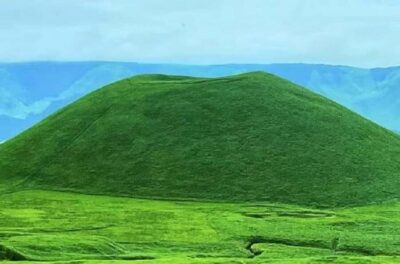
From Fukuoka: Mount Aso, Kurokawa Onsen, and Shrine Tour
Read our review →
Tokyo: Mt Takao Tour with Ramen and Tattoo-Okay Hot Spring
Read our review →
Snow Monkey & Shibu Onsen Afternoon Tour (Depart: Iiyama & Nozwa)
Read our review →
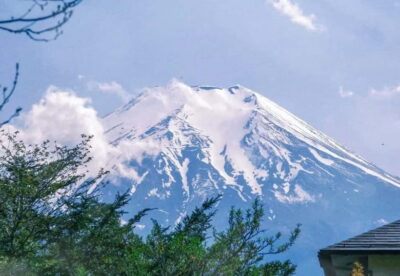
[Seasonal Limited] Mt. Fuji 5th Station &Hot Spring Day Tour
Read our review →
Full Day Hiking Tour at Mt.Takao including Hot Spring
Read our review →
Lists this soak appears on