
Review · OSAKA
Osaka: Solaniwa Onsen Hot Spring Visit
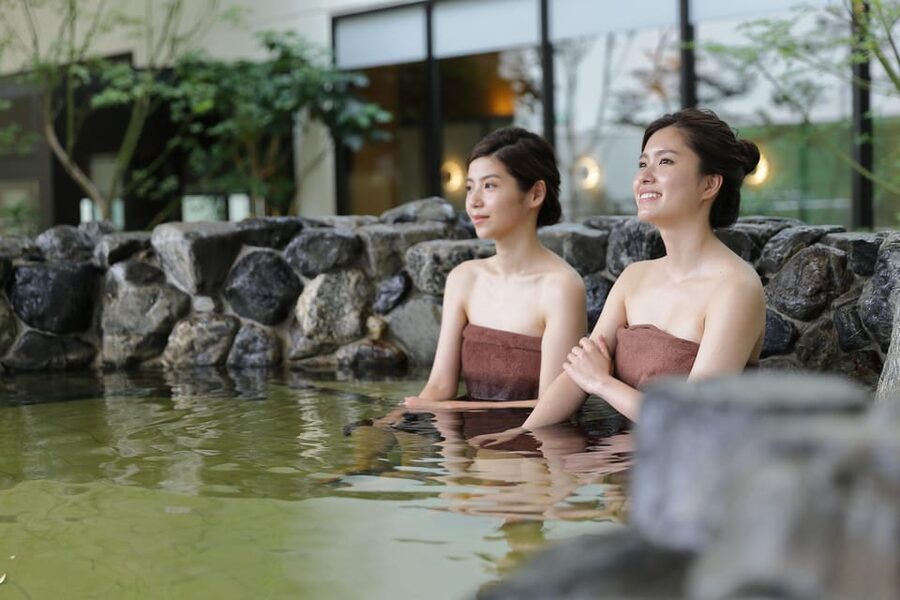
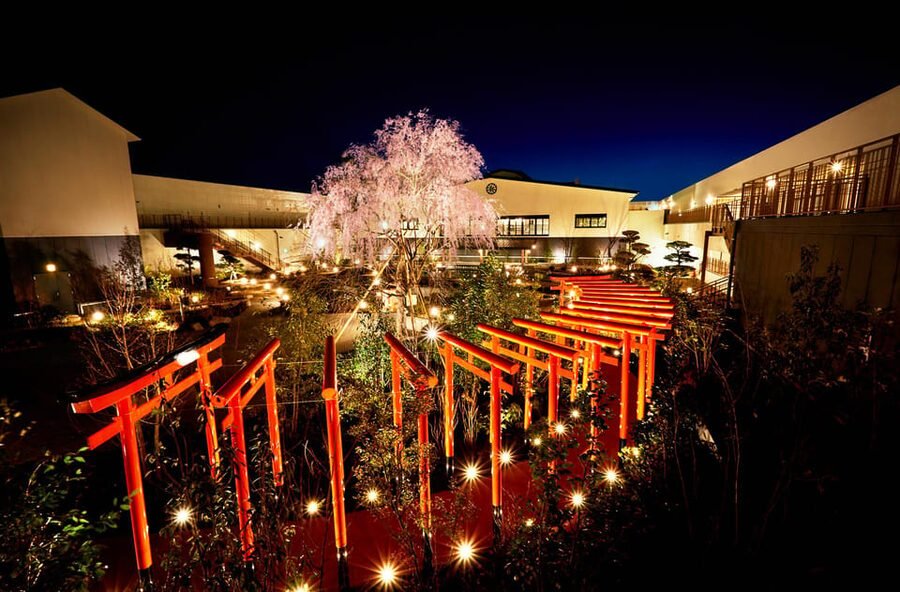
Osaka’s Solaniwa Onsen turns a city hot bath into a full-day outing. You can soak in slightly alkaline natural spring water drawn from 1,000 meters below ground, then head upstairs to the 3,000-square-meter Tenku Garden, where footbaths, seasonal plants, waterfalls, and a thousand torii gates create a calm break above Osaka Bay Tower.
I especially like the mix of nine different baths and the garden setting. You can move from an open-air bath to a garden-view bath or carbonated spring bath, then take your time outdoors with your feet in warm water. The main drawback is the strict tattoo policy: visible tattoos, tattoo stickers, and tattoo paint are not allowed, and the facility also refuses entry to anyone with gang affiliations or under the influence of alcohol.
Key points at a glance
- Natural spring water from 1,000 meters underground: The slightly alkaline water is known as Beautiful Hada no Yu.
- Nine bathing areas: Choose from an open-air bath, garden-view bath, carbonated spring bath, and other hot water options.
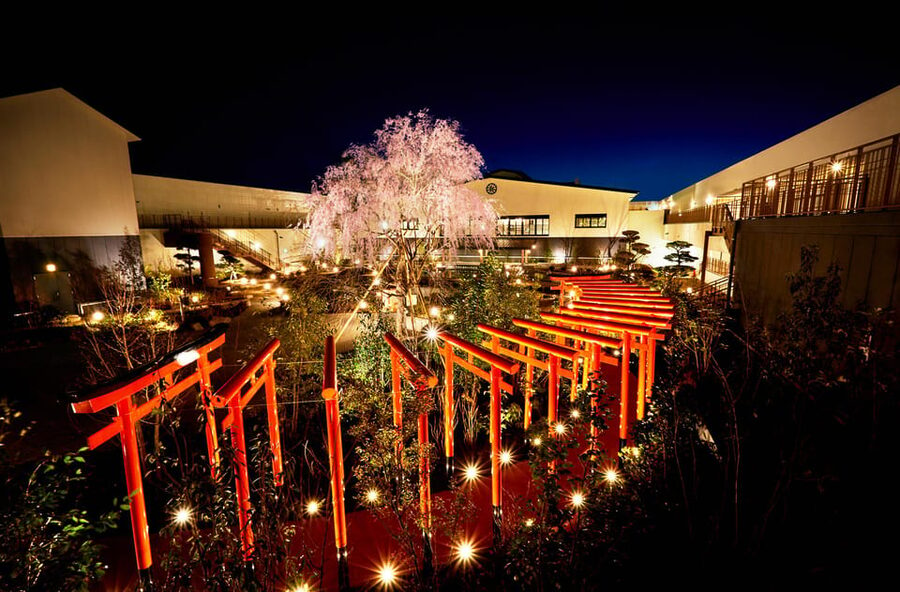
- Tenku Garden rooftop setting: Explore a 3,000-square-meter garden with footbaths, seasonal trees, flowers, waterfalls, and a thousand torii gates.
- A flexible one-day visit: The ticket is valid for one day, so you can give the baths and garden the time they deserve.
- Good value at $14: The price includes the garden, hot bath area, saunas, and scrubbers, though Osaka’s 150-yen bathing tax is extra.
- Important entry rules: Tattoos are not accepted, re-entry is not allowed, and groups under 16 must leave by 7:00 PM.
A hot spring town inside Osaka Bay Tower
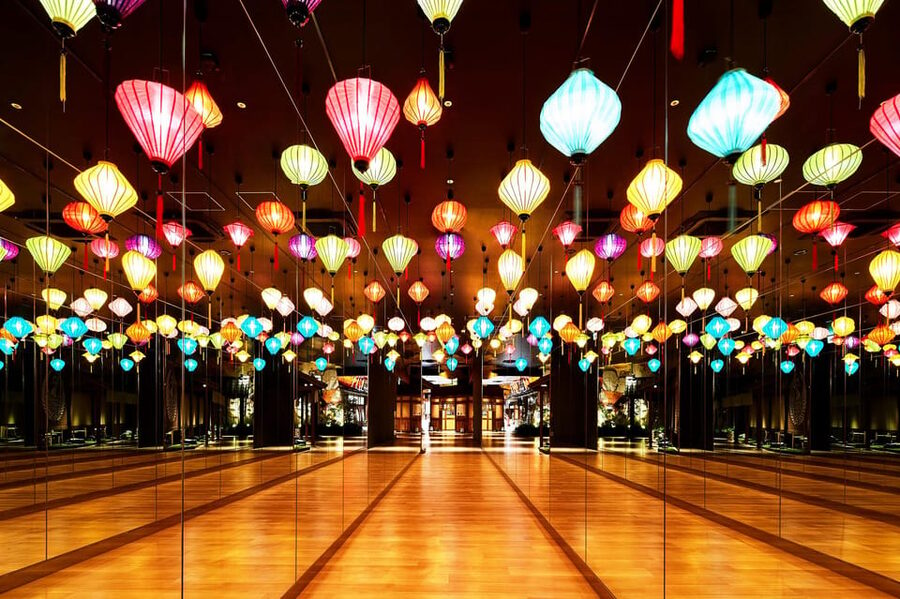
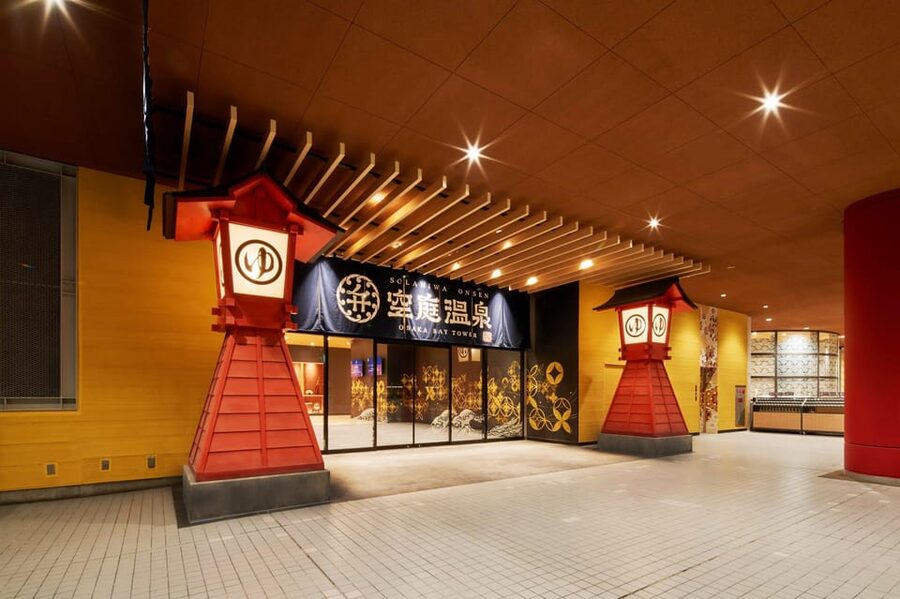
Solaniwa Onsen is designed as more than a place to wash and soak. Its setting aims to recreate the feel of a traditional Osaka hot spring town, giving you a themed Japanese bathhouse experience without leaving the city.
That distinction matters. If you want a quiet rural onsen surrounded by mountains, this is not that. Solaniwa is an urban attraction with gardens, displays, baths, saunas, and a playful traditional design. The result is easier to fit into an Osaka sightseeing plan, especially if you want a rest day that still feels like an activity.
The meeting point is Osaka Bay Tower North at 1-2-3 Benten, Minato-ward, Osaka-city, with coordinates 34.6703579, 135.4595476. The facility is wheelchair accessible, which is useful for anyone who needs step-free access. Baby strollers and baby carriages are not allowed, so families with very young children should plan around that rule.
Your ticket gives access for one day. The exact starting times depend on availability, so check the schedule before booking rather than assuming unlimited entry at any hour.
More Japanese Onsen Tours in Japan:
- From Osaka: Himeji Castle, Arima Onsen & Mt. Rokko Day Tour
★ 4.6 · 339 reviews - From Tokyo: Private Tour to Fuji/Hakone – Onsen, Art, Nature
★ 5.0 · 116 reviews - Mt. Fuji, Hakone Private Tour from Tokyo – Onsen, Arts and Nature
★ 5.0 · 79 reviews
Start with the Tenku Garden rooftop
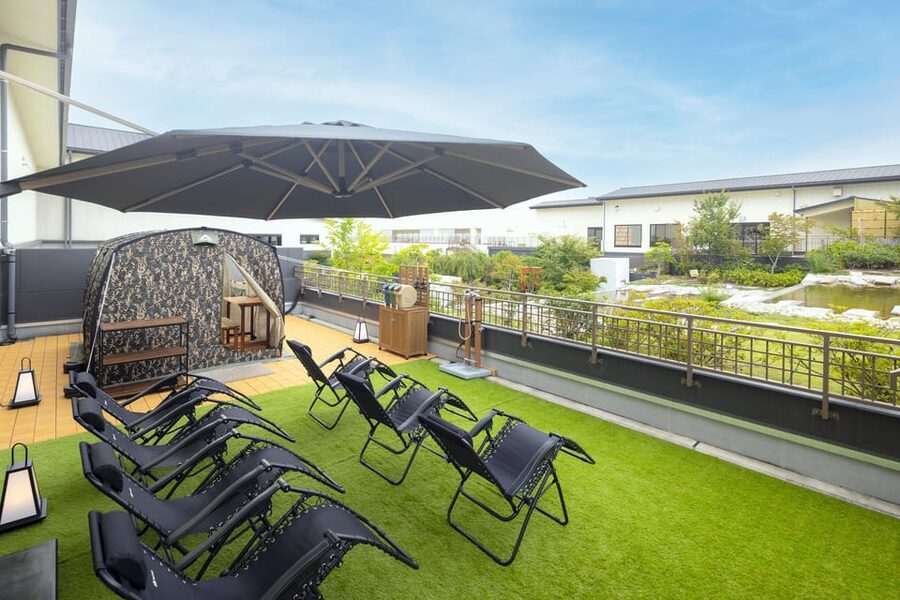
The Tenku Garden is one of Solaniwa’s most distinctive features. At 3,000 square meters, it is large enough to feel like a real garden rather than a small decorative terrace.
You can see seasonal trees and flowers while using the footbath area. This is a pleasant way to begin if you want a gentle start before spending time in the hotter bathing areas. A footbath also lets you enjoy the outdoor setting without committing to a full soak.
The garden includes a thousand torii gates, waterfalls, and other displays. These features create a strong visual contrast with the surrounding city. You are still in central Osaka, yet the garden is arranged to give you a sense of space and separation from the streets below.
I would allow enough time here to look around rather than treating the garden as a quick path to the baths. The flowers and other outdoor areas can change with the seasons, and certain sections may not be open at all times of year. That seasonal limitation is worth keeping in mind if a particular garden feature is one of your main reasons for booking.
The rooftop setting also gives Solaniwa a different character from a basic neighborhood bathhouse. You can combine a soak with an outdoor stroll, garden views, and a little visual play. For an Osaka visit filled with temples, shops, and dense streets, that change of pace has real value.
Soak in nine types of bath
The main bathing area is built around nine types of baths. The exact layout and availability can vary, but the listed choices include an open-air bath, a garden-view bath, and a carbonated spring bath.
The open-air bath is the obvious choice if you want fresh air and a stronger connection to the setting. The garden-view bath gives you a quieter visual focus, while the carbonated spring bath offers a different kind of bathing experience from the standard hot water.
Solaniwa’s natural water is slightly alkaline and rises from 1,000 meters underground. It is promoted under the name Beautiful Hada no Yu. You should think of this as a soothing bathhouse experience, not as a medical treatment. The appeal is the water, the variety of bath types, and the chance to slow down in a well-designed facility.
Nine options make a difference during a long visit. You can change pools instead of sitting in one place, and you can choose a setting that fits your mood. Someone who likes trying different baths will get more from the admission price than someone who wants only a quick soak.
Follow the facility’s posted bathing instructions and take care with hot water. If you are not used to Japanese hot springs, shorter sessions with breaks are the sensible approach. The ticket includes the hot bath area, but it does not promise that every section will operate at all times.
Saunas and scrubbers add more time to the visit
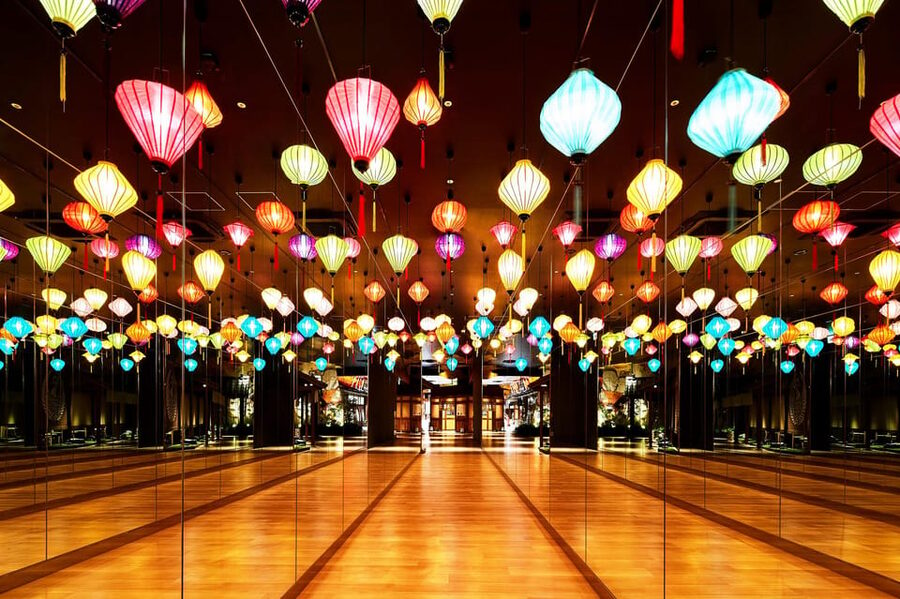
The admission also includes access to saunas and scrubbers. That makes the ticket more than a simple entry fee for one pool.
The saunas give you another way to warm up and rest between baths. The scrubbers add a traditional bathhouse-style service to the overall experience, though the supplied information does not specify the exact format, timing, or treatment choices. Check the facility’s instructions when you arrive so you know what is included and what may require an additional payment.
This is where the one-day validity becomes useful. You do not need to rush from the garden to the baths and straight back out. You can take a slower rhythm, with time for the rooftop footbath, hot water, sauna, and further bathing.
A caution for families: the facility is family-friendly in its general appeal, but the evening rules are age-based. Groups under 16 may use the facility until 7:00 PM. Groups under 18 may remain until 10:00 PM. If you are visiting with teenagers, plan your schedule around those limits.
More places to soak around Japan:
- Osaka: Nara and Uji Day Trip with Deer Park and Hot Spring
★ 4.4 · 302 reviews - Kyoto: Traditional Concert at Townhouse or Bathhouse
★ 4.9 · 224 reviews - Tokyo: Mount Fuji 5th Station & Onsen Day Trip
★ 4.3 · 75 reviews - From Fukuoka: Mount Aso, Kurokawa Onsen, and Shrine Tour
★ 4.6 · 72 reviews
What $14 gets you
At $14 per person, Solaniwa Onsen is reasonably priced for a full-day facility with several separate areas. The cost includes the Tenku Garden, the nine-bath hot spring area, saunas, and scrubbers.
The value is strongest if you stay long enough to use more than one part of the complex. A quick visit for one bath may feel less impressive than a longer stop that includes the rooftop garden, footbath, several bathing areas, and sauna time.
There is one extra charge to budget for. Osaka city’s bathing tax of 150 yen must be paid on-site. The ticket cannot be combined with other discounts or services, so you should not expect to stack promotions on top of the advertised price.
One useful warning concerns meal packages. A booking that includes lunch can be confusing at the facility. One visitor had trouble working out how to claim the included lunch and ended up paying for it again. If your reservation includes food, show the reservation screen at reception and ask exactly where and how to collect the meal before making another purchase.
The price is also helped by the flexible cancellation terms. You can cancel up to 24 hours in advance for a full refund, and the reserve-now, pay-later option lets you hold a place without paying immediately. Those terms are useful when your Osaka schedule is still shifting.
Tattoo rules are strict
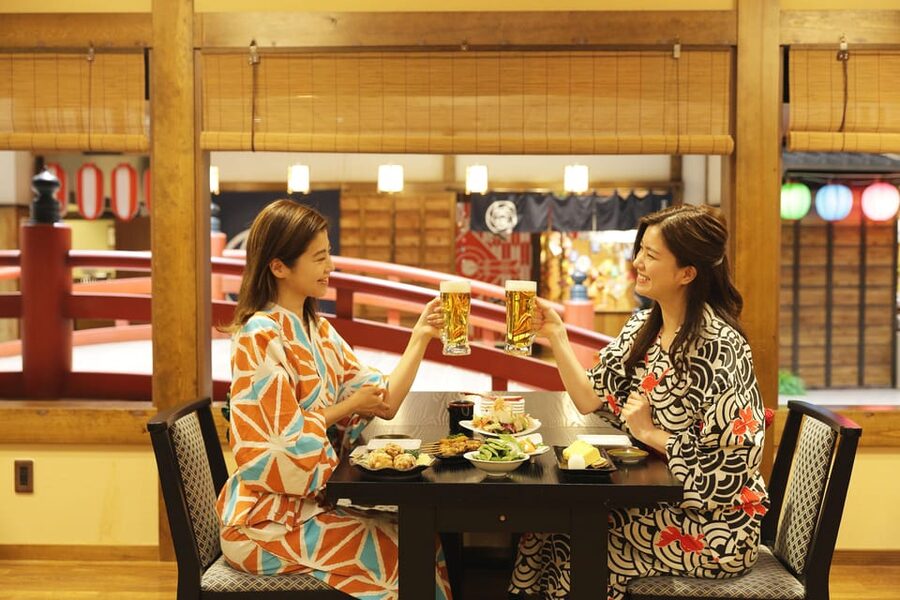
This is the most important practical issue for many people. Solaniwa does not allow visible tattoos, tattoo stickers, or tattoo paint.
The rule is not limited to large tattoos. Temporary coverings and painted designs are also listed as unacceptable. Anyone with gang affiliations or anyone under the influence of alcohol cannot use the service.
If you have any tattoo at all, do not assume that a small design or a cover will be accepted. Check directly with the facility before booking if you are unsure. Arriving without confirming could lead to a wasted trip.
Alcohol and drugs are not allowed. These rules are firm and should be treated as part of the entry conditions, not minor suggestions.
You also cannot leave and return on the same ticket. Plan to bring what you need, finish your visit in one go, and avoid building a separate Osaka stop into the middle of the experience.
A practical visit for families and mobility needs
The facility is wheelchair accessible, which makes Solaniwa easier to consider than many older bathhouses. Still, accessibility in a bathing area can involve details that are not covered by the available information, so anyone needing specific equipment or assistance should confirm directly before arrival.
Strollers and baby carriages are not allowed. That makes the experience less convenient for families with babies or toddlers, particularly if you are carrying supplies for a long visit.
The age rules also affect evening planning. Under-16 groups must finish by 7:00 PM, while under-18 groups must finish by 10:00 PM. The information does not specify a minimum age, so families with very young children should confirm before booking.
For adults, couples, friends, and older children who can follow the bathhouse rules, the format is easier. You can spread the visit across the garden and bathing areas instead of treating it as a quick stop.
How to plan your day at Solaniwa
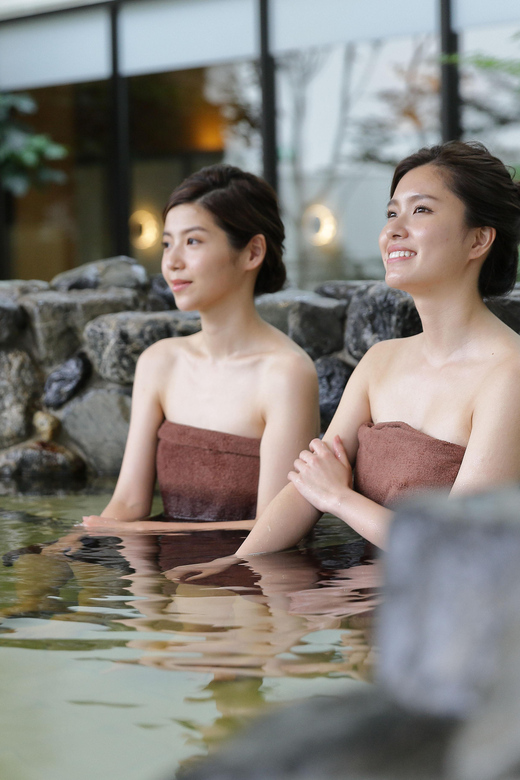
I would plan the visit in three simple stages. Begin with reception and the garden, continue to the baths and sauna, then return to the garden or footbath area before leaving.
At reception, present your reservation screen. This is also the right moment to confirm any meal inclusion, ask about areas that may be closed seasonally, and clarify the use of the scrubbers.
Next, give yourself time in the Tenku Garden. Look at the seasonal trees and flowers, use the footbath, and explore the torii gates and waterfalls. If you rush through this section, you lose much of what makes Solaniwa different from a regular urban bathhouse.
Then move to the hot bath area. Try the open-air bath, garden-view bath, and carbonated spring bath if they are available. Use the sauna and scrubbers as part of a slow routine rather than trying to fit everything into a short visit.
Bring your day to a close before the relevant age cutoff if you are visiting with anyone under 18. Also remember that there is no re-entry, so do not leave the building expecting to return later.
When weather or seasonal closures affect the plan
Some areas may not be accessible during certain seasons. That matters most if the Tenku Garden is your main reason for coming.
The facility may also become unavailable without prior notice. If it closes temporarily because of bad weather, transportation costs to the site will not be reimbursed. That is a useful reason to check the operating status before setting out, especially when rain or severe weather is in the forecast.
The garden is an outdoor feature, so weather can affect how much you enjoy the footbath and displays even when the complex remains open. A clear day should make the rooftop portion more appealing, but the bathhouse itself still gives you an indoor reason to visit.
Who will enjoy this most
Solaniwa Onsen is a good choice if you want a relaxed Osaka activity with more variety than a single bath. I would recommend it to you if you like Japanese hot springs but want an urban facility with garden displays, saunas, and several bathing choices.
It also suits a free day in Osaka. The one-day ticket encourages you to stay, and the combination of indoor baths with a rooftop garden gives the visit more range than a short stop between major sights.
Families can enjoy the setting, but the stroller ban and age-based evening limits require planning. The tattoo policy may rule it out completely for some visitors, and anyone hoping to leave for lunch or sightseeing and return later should choose a different plan.
The experience received an overall rating of 4.6 from 51 ratings, with especially strong praise for its family-friendly appeal and impressive atmosphere. The main practical complaint involved confusion over collecting an included lunch, so keep your reservation details ready and ask for clear directions at the desk.
Should you book Solaniwa Onsen?
Book it if you want a full-day Japanese bathhouse experience in Osaka with nine baths, saunas, and a rooftop garden. At $14 plus the 150-yen bathing tax, the admission offers fair value when you use several areas rather than stopping in for a single soak.
I would skip it if you have a tattoo that cannot be accepted, need to come and go during the day, or want a quiet countryside onsen instead of a themed city facility. For everyone else, Solaniwa offers a pleasant change from Osaka’s packed sightseeing schedule, with enough garden detail and bathing variety to make the visit feel like a proper outing.
FAQ
Where is Solaniwa Onsen located?
It is located at Osaka Bay Tower North, 1-2-3 Benten, Minato-ward, Osaka-city, Osaka, 552-0007. The listed coordinates are 34.6703579, 135.4595476.
How much does the experience cost?
The listed price is $14 per person. An additional Osaka city bathing tax of 150 yen must be paid on-site.
What does the ticket include?
The ticket includes access to the Tenku Garden, the hot bath area with nine types of baths, saunas, and scrubbers.
How long is the ticket valid?
The ticket is valid for one day. Starting times depend on availability.
How many baths are available?
The hot bath area has nine types of baths. Listed examples include an open-air bath, a garden-view bath, and a carbonated spring bath.
Are tattoos allowed?
No. Visible tattoos, tattoo stickers, and tattoo paint are not allowed. People with gang affiliations or anyone under the influence of alcohol also cannot use the service.
Can I leave and come back later?
No. Temporary exits and re-entry are not allowed, so plan to complete your visit in one continuous stay.
Is the facility wheelchair accessible?
Yes, the facility is listed as wheelchair accessible. Baby strollers and baby carriages are not allowed.
New places to soak around Japan
- Private Car Day Trip to the Kobe Mountains, Gardens and Hot Springs from Osaka★ 4.5 · 16 reviews
- Solaniwa Onsen: Osaka Bay Tower★ 5.0 · 4 reviews
- Kobe Night View Mt Rokko Kitano Ijinkan Arima Onsen Day Trip★ 5.0 · 5 reviews
- Osaka: Nara, Todaiji, Uji Matcha, and Hot Spring Tour★ 4.0 · 7 reviews
- Deluxe Private Tour: Hita, AOT Statues and Onsen from Fukuoka★ 5.0 · 4 reviews
- Hot Spring Capital of Yufuin Rickshaw Tour★ 5.0 · 32 reviews
- Osaka River Rapids Hike and Natural Hot Spring tour★ 5.0 · 2 reviews
- Personalized Private Guided Tour from Myoko Kogen★ 5.0 · 2 reviews
Japanese Onsen Tours: more water worth the trip.
Bangkok: All-Day Pass to Yunomori Sathorn Onsen Bath and Spa
Read our review →
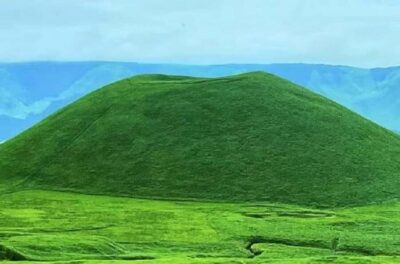
From Fukuoka: Mount Aso, Kurokawa Onsen, and Shrine Tour
Read our review →
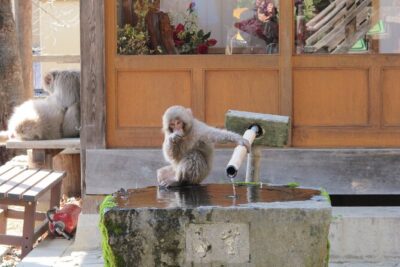
Snow Monkey & Shibu Onsen Afternoon Tour (Depart: Iiyama & Nozwa)
Read our review →
Bangkok: Yunomori Sukhumvit Onsen Hot Springs Spa Pass
Read our review →
Bandung: Volcano Crater, Onsen Hot Springs, Mud Bath & Tea
Read our review →Lists this soak appears on