
Review · TOKYO
Mt. Fuji, Hakone Private Tour from Tokyo – Onsen, Arts and Nature
Mt. Fuji and a Hakone hot spring in one private day make this more than a standard sightseeing run. You travel by car from Tokyo along scenic mountain roads, stopping for Fuji viewpoints, Lake Ashi, Hakone Shrine, the old Amazake Chaya tea house, and a relaxing onsen. With guides such as Elie, Lucas, Lenny, Evan, and Dominik, the experience can feel personal rather than packaged.
I especially like the freedom to adjust the day and the combination of scenery with genuine local customs. The 400-year-old tea house adds atmosphere, while the onsen gives the schedule a slower, more Japanese rhythm. The main caution is the price and the driving time: at $852.28 per group of up to five, you need to use the private vehicle and flexible planning to make the value work.
Key points before you book
- Private vehicle for up to five people: Hotel pickup, drop-off, parking, and highway tolls are included.
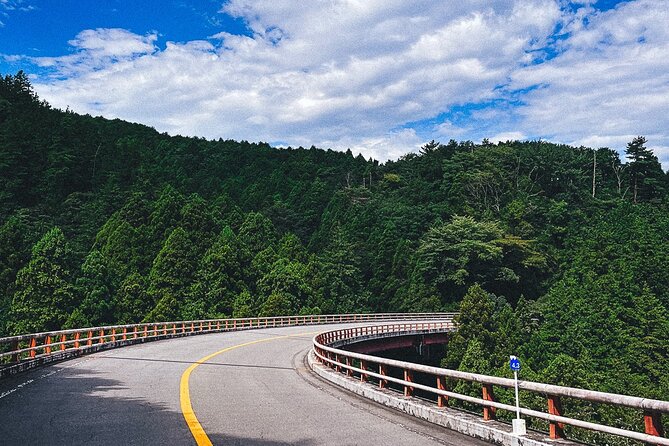
- A scenic Hakone route: The Turnpike and Ashinoko Sky Line provide broad views of Mt. Fuji, Lake Ashi, Hakone, and the sea when conditions are clear.
- A real cultural stop: Amazake Chaya is a traditional tea house on the old Tokaido road, with more than 400 years of history.
- Onsen time is central: The hot spring stop lasts about two hours, but the entrance fee is extra and massage services are not guaranteed.
- Art replaces sightseeing in poor weather: The plan can shift to the Hakone Open-Air Museum or Pola Museum if clouds or rain spoil the views.
- Weather matters: Mt. Fuji may disappear completely in fog or cloud, though the Hakone portion can still make a worthwhile day.
A private road trip from Tokyo, not a fixed bus tour
The day begins around 8:30 am with pickup at your Tokyo hotel. You spend roughly 9 to 10 hours with only your own group, using a modern, clean vehicle with a private driver and guide.
That setup matters in Hakone. The area spreads across mountain roads, lakeside stops, shrines, museums, and hot spring towns. Public transportation can reach many major sights, but connecting all of them in one day takes planning and patience. Here, you can ask to linger at a viewpoint, skip an activity, add a short walk, or change the balance between museums and the onsen.
The private format also helps families and mixed-age groups. Several guides have adjusted the pace for older relatives, dietary needs, weather changes, and requests for short hikes. The company lists English, Japanese, and French-speaking guides. Names associated with the experience include Elie, Lucas, Lenny, Evan, Dominik, and others, but your guide depends on the date.
There is one practical warning. Tokyo traffic can delay a morning pickup, and the drive back can also take longer than planned. A private tour gives you control over stops, but it cannot remove the distance between Tokyo and Hakone.
More Japanese Onsen Tours in Tokyo:
- From Tokyo: Private Tour to Fuji/Hakone – Onsen, Art, Nature
★ 5.0 · 116 reviews - From Tokyo: Private Motorcycle Tour – Fuji, Hakone, Onsen
★ 4.9 · 12 reviews - Tokyo: Private Morning Run with Sento Bath Experience
★ 5.0 · 9 reviews
Mt. Fuji viewpoints depend on the sky
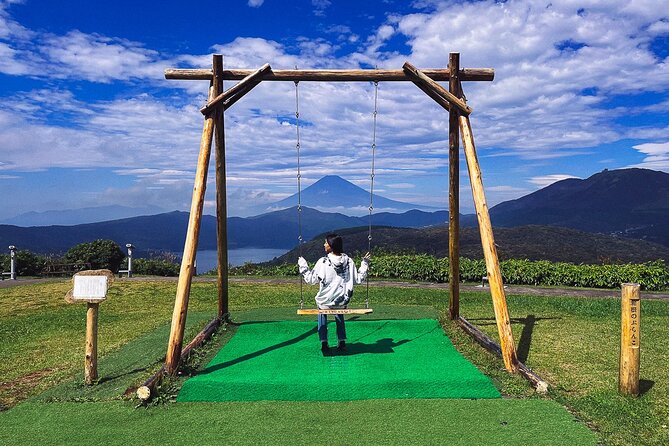
The Fuji portion is the emotional center of the day. You visit several possible viewpoints, including elevated roads and parking areas where the mountain may appear with Lake Ashi, Hakone, and the surrounding valleys below.
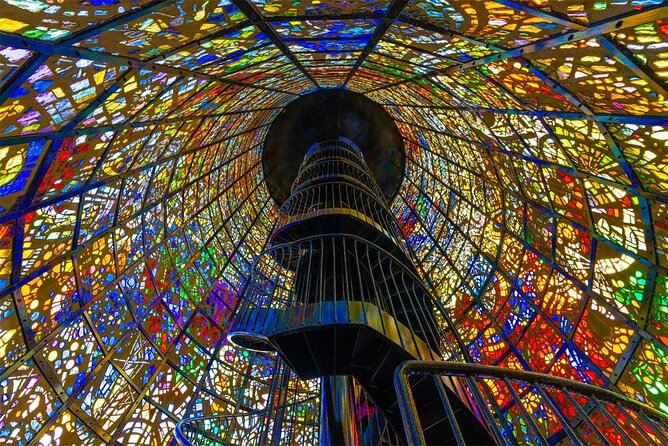
The Hakone Turnpike Daikanyama Parking Lot is scheduled for about an hour. The road itself is part of the attraction, with views along the climb and a lookout near the top. It is not a close-up visit to Mt. Fuji. You are seeing the mountain from a distance, often across broad valleys and water, so set your expectations accordingly.
The Ashinoko Sky Line offers another scenic drive if time and conditions allow. Its viewpoints can show Mt. Fuji, Lake Ashi, and even the sea. These are weather-dependent panoramas, not guaranteed photo stops.
Mt. Fuji often hides behind cloud, fog, or rain. Several people still enjoyed the day when the mountain was invisible because the guide shifted attention to Hakone’s shrines, tea house, museums, and onsen. The operator may also contact you before the tour if the forecast looks poor and discuss changing the date or choosing other activities.
If Fuji is your only reason for booking, choose your date carefully and accept that nature has the final say. If you want a full Hakone day with Fuji as a bonus, the plan is much safer.
Hakone Shrine and Lake Ashi bring the cultural center
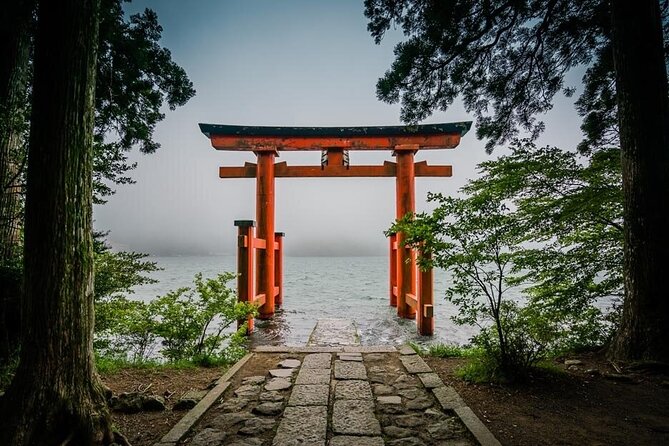
Hakone Shrine sits near the shore of Lake Ashi and dates to 757. Its red torii gate by the water is one of the area’s familiar images, but the visit offers more than a quick photograph. You can see the shrine buildings, additional gates, small shops, and a museum.
The itinerary allows about an hour here, followed by another hour around Lake Ashi. That gives you time to take in the setting rather than simply step out of the car, take a picture, and leave.
The shrine area includes stairs, and one account described the climb as difficult for older people. The provider states that accessible routes, including ramps and vehicle access, are available. If anyone in your group has limited mobility, tell the company in advance and confirm exactly which route your guide will use.
Lake Ashi itself is a large part of Hakone’s appeal. On a clear day, the water, wooded slopes, shrine gates, and distant Fuji views fit together in one memorable scene. On a cloudy day, the lake still gives the itinerary a calm, open stop, though the famous mountain view may vanish.
Amazake Chaya is the day’s most human stop
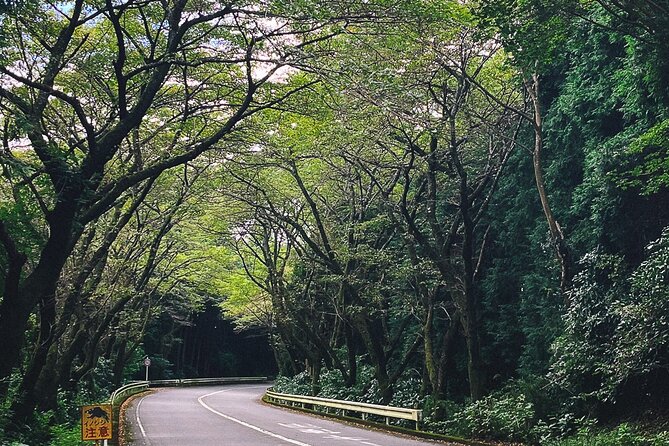
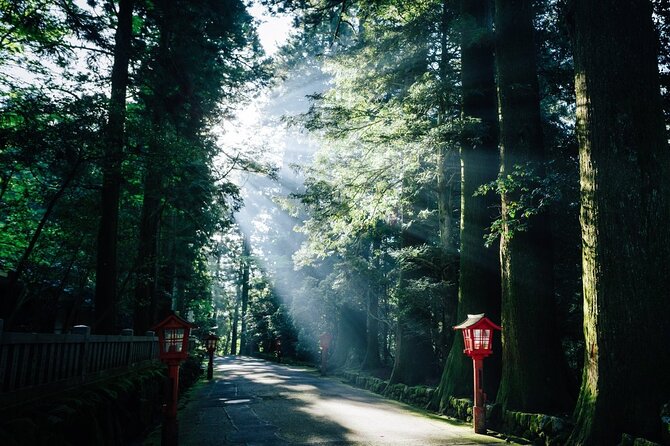
A half-hour at Amazake Chaya may sound brief, but this is one of the most distinctive parts of the tour. The tea house sits along the old Tokaido road, hidden among Hakone’s cedar trees, and has welcomed people for more than 400 years.
This is the kind of stop that gives context to the roads you are using today. The Tokaido once linked Tokyo and Kyoto, and a traditional rest house along the route helps you picture the older journey. The wooden interior and long family connection create a stronger sense of place than a modern roadside café.
The stop is also useful when the weather is poor. A hot or sweet drink in an old wooden tea house can become a highlight even when Mt. Fuji remains covered. The visit is short, so it is not a full meal or a long cultural workshop, but it offers a quiet pause between viewpoints and the onsen.
More Private Hot Spring Experiences in Tokyo:
- Mount Fuji – Hakone & Onsen Full Day Private Tour
★ 3.8 · 6 reviews - Istanbul: Private Turkish Bath, Massage, and Spa in Old City
★ 4.6 · 3,225 reviews - Istanbul: Private Turkish Bath, Sauna, and Massage
★ 4.8 · 1,306 reviews - Private Tour in Ephesus and Traditional Turkish Bath from Port
★ 5.0 · 675 reviews
The onsen changes the pace
After the morning roads, shrine, lake, and tea house, the schedule slows down at Tenzan Tohji-kyo or another selected hot spring. The onsen portion lasts about two hours, making it the longest single stop of the day.
This is not simply a bath added to a sightseeing checklist. It gives you time to stop moving. Several guides help explain local customs, and many people find the experience more rewarding than another rushed viewpoint. Some parties have also arranged a private onsen, though that is an additional choice and should be confirmed before booking.
The standard onsen admission is listed as ¥1,500 per person. Lunch is also extra, and the timing may allow a meal near the hot spring or at another local stop. Massage services are not part of the basic price, and one group had difficulty arranging them, so do not assume a massage will be available just because you would like one.
You should also know that an onsen may not suit everyone. The experience requires comfort with Japanese bathing customs, and the tour description presents it as an important part of the day. If you would rather spend that time in museums, tell the guide. One group skipped the onsen to visit both art museums instead.
Choose between outdoor sculpture and indoor art
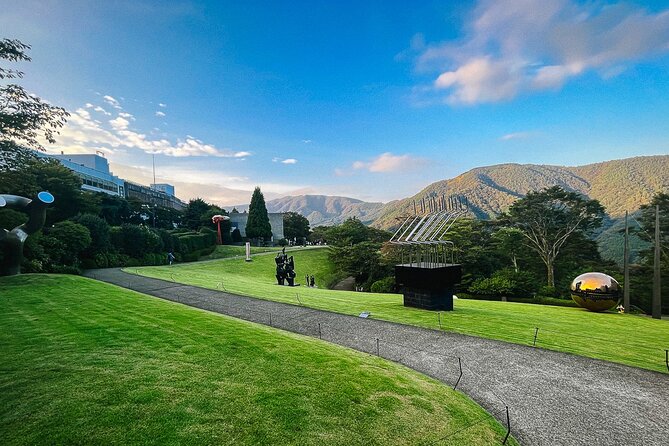
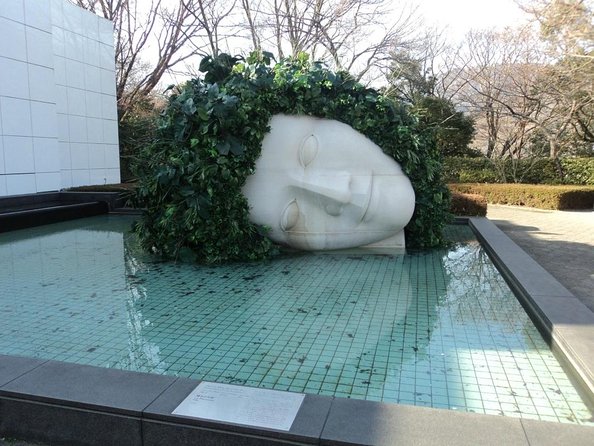
The Hakone Open-Air Museum is planned for about two hours after lunch and the onsen. Its grounds combine outdoor sculpture, gardens, and buildings, with works by artists including Picasso, Henry Moore, Taro Okamoto, Yasuo Mizui, and Churyo Sato.
This is a strong choice when you want art with room to breathe. You are not confined to a small gallery, and the setting gives the visit a more relaxed feel. The museum has an admission fee of ¥1,900 per person, not included in the tour price.
The weather plan is sensible. If rain makes the open-air museum unpleasant, or if you prefer indoor galleries, the guide may take you to the Pola Museum of Art instead. The Pola is set in a beech forest in Hakone’s wooded mountains and displays European and Japanese art. It is scheduled for about an hour.
You may be able to visit both museums if the timing works, but do not count on it. The route already includes substantial driving, and each added stop can push the return to Tokyo later. If art matters more to you than the onsen, say so at the start of the day.
How much value do you get for $852.28?
The quoted cost is $852.28 per group of up to five people. That sounds steep beside a train ticket or ordinary group excursion, but the comparison changes when you fill the vehicle. For five people, the base cost works out to about $171 per person before meals and admission fees. For two people, it becomes about $426 per person, so the value depends heavily on group size.
The price includes hotel pickup and drop-off, private transportation, parking, highway tolls, and a guide who also drives. You are paying for time, convenience, and the ability to change the schedule, not just entrance to attractions.
Budget separately for:
- Lunch
- Onsen admission, listed as ¥1,500 per person
- Museum admission, listed as ¥1,900 per person
- Any breakfast, dinner, or massage
- Optional private onsen arrangements
The tour offers better value when you have four or five people, want a private day, and would struggle to organize the mountain roads yourself. It is harder to justify for a small group if you only want one Fuji viewpoint and a quick shrine visit.
One negative experience described a day with extensive driving, limited stops, and weak value. Another account felt the same trip was excellent because the guide made the history, road journey, tea house, and onsen meaningful. That difference points to the central issue: the quality of the day depends on weather, traffic, your chosen stops, and how actively you shape the itinerary.
The guides make the flexible plan work
The strongest part of this experience is the guide-driver combination. Elie is described as responsive before the tour and willing to discuss weather changes. Lucas has been praised for history, driving, and steady pacing. Lenny has helped first-time visitors understand Japan and adjusted plans to suit family needs. Evan has been noted for preparation, safe driving, and warm conversation. Dominik has guided families through Fuji viewpoints and private onsen options.
These names are not a guarantee of who you will receive. They do show the kind of service the company aims to provide: more than transportation between stops.
A good guide can explain why a shrine matters, help you understand bathing customs, recommend a suitable meal, and decide when fog makes a viewpoint pointless. You should use that flexibility. Tell the guide early if your group wants more art, less walking, a private bath, a short hike, a specific dietary arrangement, or a faster return to Tokyo.
The tour is listed as suitable for most people, but confirm mobility needs in advance. It includes stairs, mountain roads, and several hours in a vehicle. The private format helps, but it does not turn Hakone into a flat or compact destination.
Who should book this Hakone day?
I would choose this tour for a family or small group that wants Fuji, Hakone, an onsen, and art without handling several train and bus connections. It is also a good fit for first-time visitors who want a guide to explain Japanese history, religion, food, and bathing customs along the way.
It suits people who see a scenic drive as part of the experience. If you dislike sitting in a car, the long distances may test your patience. If you need a guaranteed close view of Fuji, no tour can provide that.
The best booking approach is to decide your priorities before pickup. Ask for more time at the museum if art matters most. Keep the onsen if relaxation is the point. Treat the Fuji viewpoints as weather-sensitive opportunities, not promises.
Free cancellation is available up to 24 hours before the start time. If poor weather causes the operator to cancel, you are offered another date or a full refund. Changes made inside 24 hours are not accepted, so watch the forecast early.
Should you book it?
Book it if you want a private, flexible day and your group can share the cost. The combination of mountain roads, Lake Ashi, Hakone Shrine, a historic tea house, hot spring time, and art gives you a fuller picture of the area than a single attraction visit.
Think twice if your budget is tight, your group is only two people, or your main goal is a close Fuji photograph. For the best chance of good value, go with four or five people, request your preferred guide priorities in advance, and keep an indoor museum plan ready for cloudy weather.
FAQ
How long does the tour last?
The experience lasts approximately 9 to 10 hours and begins at about 8:30 am.
How many people can join the private tour?
The listed price covers a private group of up to five people.
Is hotel pickup included?
Yes. Pickup and drop-off at your hotel in Tokyo are included, along with private transportation.
Are lunch and museum tickets included?
No. Lunch is not included. Museum admission is also extra, listed at ¥1,900 per person.
How much does the onsen cost?
The listed admission fee for the hot spring is ¥1,500 per person. Any optional private onsen arrangement or massage may involve additional cost.
What happens if Mt. Fuji is hidden by clouds?
The guide can shift attention to Hakone’s shrines, Lake Ashi, Amazake Chaya, the onsen, and museums. The tour may also be rescheduled if poor weather leads the operator to cancel.
Can I choose the Hakone Open-Air Museum or Pola Museum?
The plan generally uses the Hakone Open-Air Museum when weather permits and may use the indoor Pola Museum if rain affects the outdoor visit. Visiting both may be possible if time allows.
What languages do the guides speak?
The company lists English, Japanese, and French-speaking guides. The assigned guide depends on availability.
New places to soak around Tokyo
- Tokyo: Private Morning Run with Sento Bath Experience★ 5.0 · 9 reviews
- Tokyo: Mt Takao Tour with Ramen and Tattoo-Okay Hot Spring★ 5.0 · 69 reviews
- Tokyo: Japanese Spa & Sento Experience with Local★ 5.0 · 2 reviews
- Tokyo: Mt Fuji Lake Kawaguchi & Yamanaka Hot Spring Day Tour★ 4.0 · 14 reviews
- Tokyo: 2-Day Mt. Fuji, Kamakura and Izu Hot Springs Tour★ 3.3 · 3 reviews
- [Seasonal Limited] Mt. Fuji 5th Station &Hot Spring Day Tour★ 4.5 · 53 reviews
- Private 2-Day Tour: Mt Fuji Hakone & Kamakura + Onsen Ryokan★ 5.0 · 3 reviews
- Onsen Spa in Tokyo and Asakusa Bar Hopping with Local Guide★ 5.0 · 3 reviews
Japanese Onsen Tours: more water worth the trip.
Bangkok: All-Day Pass to Yunomori Sathorn Onsen Bath and Spa
Read our review →
From Fukuoka: Mount Aso, Kurokawa Onsen, and Shrine Tour
Read our review →
Snow Monkey & Shibu Onsen Afternoon Tour (Depart: Iiyama & Nozwa)
Read our review →
Bangkok: Yunomori Sukhumvit Onsen Hot Springs Spa Pass
Read our review →Lists this soak appears on