
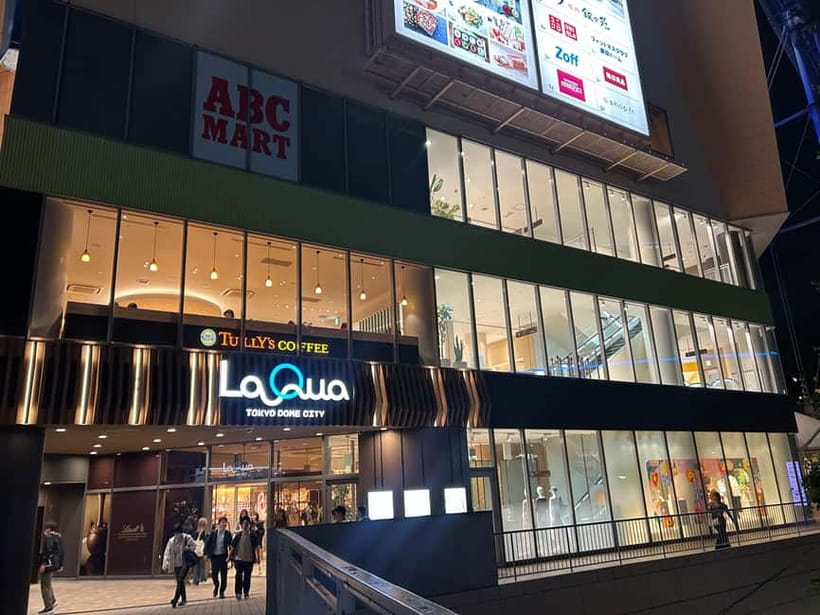
Review · TOKYO
Tokyo: Japanese Spa & Sento Experience with Local
A Japanese bath is not just a place to get clean. It is a quiet local custom, and this women-only sento experience gives you a friendly way to try it without guessing what to do. Ami, your English-speaking local guide, explains the rules, joins you at the facility, and helps turn an unfamiliar ritual into a relaxing part of your Tokyo trip.
I like two things right away: the practical guidance before you enter the bathing area, and the small post-bath treat of cold milk or seasonal wagashi. The main drawback is that the experience is not open to everyone. It is for women only, and visible tattoos, pregnancy, alcohol use, and wheelchair access may rule it out.
Key points at a glance
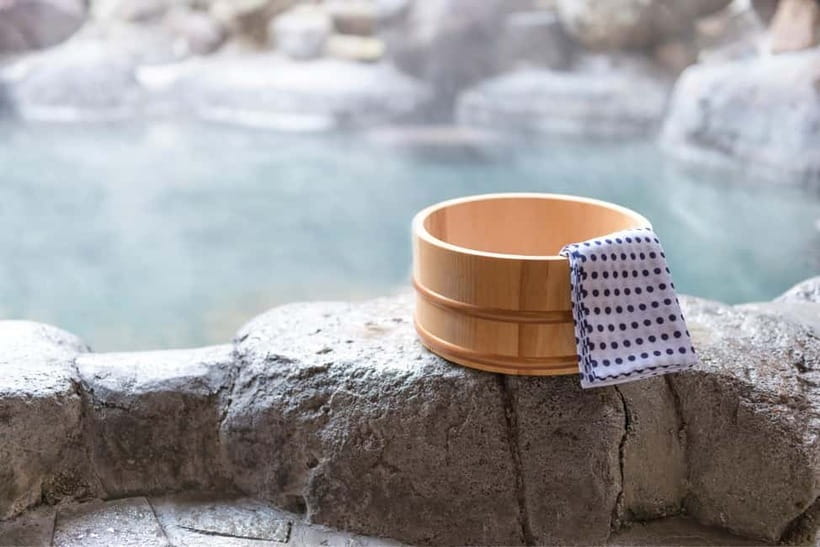
- Ami provides calm, discreet support: The guide helps you understand communal bathing customs before you enter.
- A real local facility is the focus: You visit a Japanese sento or spa rather than a tourist-only attraction.
- Towels are included: A small and large towel set is provided, so you can arrive without packing bath supplies.
- The bath follows Japanese custom: Clean first, then soak in the hot baths, with etiquette explained along the way.
- Milk or wagashi completes the ritual: The simple snack or drink gives the visit a distinctly local finish.
- Suidobashi or Korakuen keeps the meeting simple: You meet and return at one of these two station areas, while local transport costs are separate.
Why a guided sento visit works so well
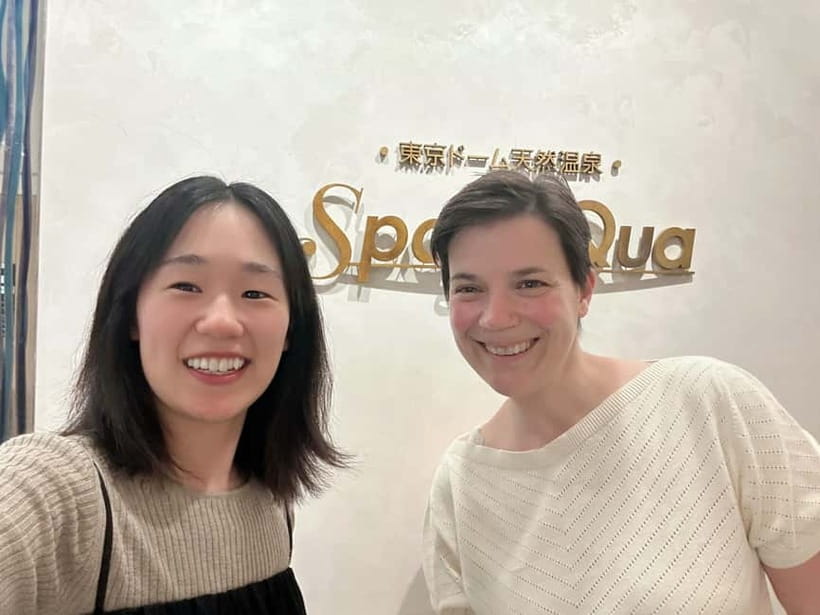
For many first-time visitors, the hardest part of an onsen or sento is not the bathing itself. It is the uncertainty. Where do you change? When do you wash? What can you bring into the bath? Are you expected to speak, sit, or move in a certain way?
This experience deals with those concerns before they become awkward. Ami gives you an introduction to Japanese communal bathing, including what to bring and how to behave. The result is less like being dropped at a public bath with a rule sheet and more like having a trusted local friend show you the ropes.
That matters because Japanese bath culture depends on shared habits. You wash before entering the tubs. You keep towels out of the bath water. You respect the quiet, clean setting. The supplied information does not give a full rule-by-rule script, so you should still listen carefully to Ami at the facility, but the main benefit is clear: you do not have to work everything out alone.
I also like the scale of the idea. This is not built around a famous sightseeing site or a grand spa resort. It is about using a local bathing place in the way people in Japan do. That gives the activity a more everyday feel than a polished attraction designed only for foreign visitors.
More Japanese Onsen Tours in Tokyo:
- From Tokyo: Private Tour to Fuji/Hakone – Onsen, Art, Nature
★ 5.0 · 116 reviews - Mt. Fuji, Hakone Private Tour from Tokyo – Onsen, Arts and Nature
★ 5.0 · 79 reviews - From Tokyo: Private Motorcycle Tour – Fuji, Hakone, Onsen
★ 4.9 · 12 reviews
Meeting near Suidobashi or Korakuen
You can arrange the meeting at either Suidobashi Station or Korakuen Station. Both are useful central Tokyo reference points, but the exact meeting details should be confirmed when you book.
The tour returns to the meeting point at the end. That makes the plan easy to understand, but do not confuse it with hotel pickup. You are responsible for reaching the station and for any train or taxi costs connected with the experience.
This arrangement is best for someone already spending time in central Tokyo. If you have a long sightseeing day nearby, the bath can serve as a sensible pause rather than a separate cross-city mission. Since the activity does not include hotel transportation, leave enough time to reach the station on your own.
No tour duration is provided, so I would not build a tightly timed evening around it. Ask for the expected start and finish times before booking if you have a dinner reservation, theater ticket, or train to catch.
Ami’s introduction to Japanese bathing
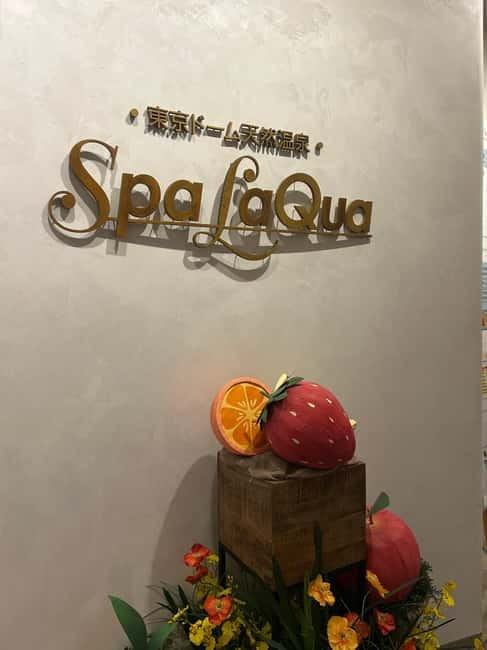
The first part is an explanation of the custom. Ami introduces the facility and tells you how Japanese people use communal baths. This includes basic etiquette and practical advice about what to bring and how to act.
Her role is especially useful if you have wanted to try an onsen but hesitated. You can ask questions before entering, when it is still easy to admit that you are unsure. Once you are inside, the bathing routine feels much less mysterious.
The personal element is important here. Two strong comments about the experience single out Ami’s warm, discreet manner and her cultural insight. One account describes the bath as exactly the rest needed after several days of walking around Tokyo. Another highlights Ami as an ideal companion for trying a traditional Japanese bath. Those points suggest that the guide is not simply there to lead you from one door to another. She helps set the right tone.
Still, remember that this is not a private bath experience. The attraction is communal bathing, and you need to feel comfortable with that basic idea. A guide can explain manners, but she cannot remove the public nature of the facility.
Entering the hot bath
After the introduction, you enter the bath area and follow the local routine. The experience includes admission to a Japanese spa or sento and a small and large towel set. The description calls the tubs natural hot baths, intended to soothe tired muscles after a long travel day.
The bath is the heart of the visit, but it is also where expectations matter. You are not booking a private hotel spa treatment with a therapist or a scheduled massage. You are taking part in a Japanese bathing custom, with time to wash and soak in a shared facility.
That distinction is a strength if you want cultural contact. You get to see how an ordinary local ritual feels from the inside, with guidance from someone who can explain its meaning. It is a weaker fit if you want luxury, privacy, or a treatment menu.
The hot water may be particularly welcome after a full day on Tokyo’s hard sidewalks. The activity is designed around that simple pleasure: clean up, warm up, slow down. You do not need to carry a separate bath kit because towels and amenities are provided.
The supplied information does not specify the number of baths, the exact facility, the water temperature, or the bathing time. Do not assume you will get a particular type of mineral water or a large resort complex. The appeal is the local bath setting and the support that comes with it, not a promised list of spa features.
Same steam, a different pool:
- Tokyo: Mt Takao Tour with Ramen and Tattoo-Okay Hot Spring
★ 5.0 · 69 reviews - [Seasonal Limited] Mt. Fuji 5th Station &Hot Spring Day Tour
★ 4.5 · 53 reviews - Full Day Hiking Tour at Mt.Takao including Hot Spring
★ 5.0 · 52 reviews - Tokyo: Mt Fuji Lake Kawaguchi & Yamanaka Hot Spring Day Tour
★ 4.0 · 14 reviews
The post-bath milk or wagashi stop
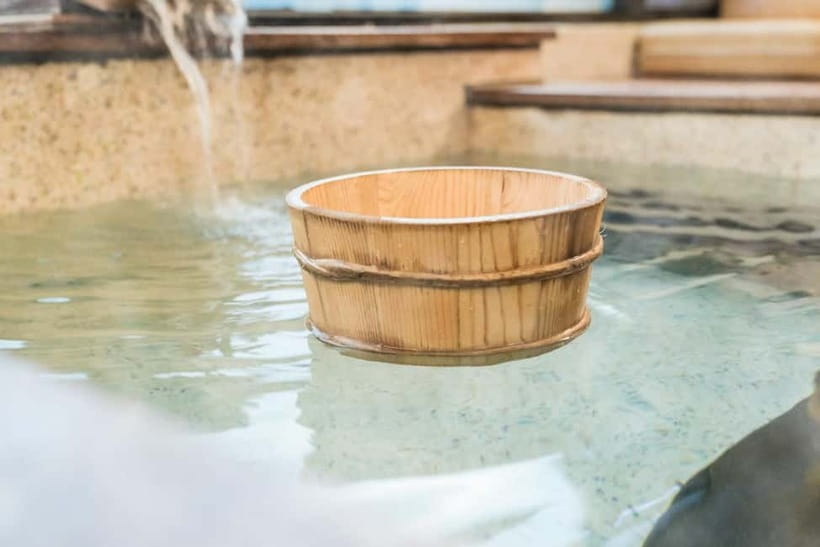
After bathing, the experience includes a small local-style finish: a cold bottle of milk or seasonal wagashi, a Japanese sweet. This may sound modest, but it is one of the most appealing details.
The drink or sweet gives the outing a sense of place. You are not simply leaving a spa and walking back into the city. You are following a familiar Japanese post-bath habit, with a small refreshment after the heat.
I would treat this as a cultural extra, not a meal. Food and personal expenses are not generally included, aside from this stated post-bath item. If you are hungry, plan your own meal before or after the activity.
The choice between milk and wagashi may depend on the day or the facility, so do not book expecting a specific flavor or brand. The value is in the ritual and the welcome pause, not in the size of the serving.
What the $77 price includes
At $77 per person, this is not the cheapest way to take a bath in Tokyo. The price makes more sense when you separate the admission from the personal guidance.
You receive:
- English-language service from a local Japanese guide
- Spa or sento admission
- Small and large towels
- Guidance on Japanese bathing customs
- A post-bath milk or seasonal wagashi experience
You do not receive local train or taxi fares, hotel pickup, hotel drop-off, a full meal, or personal purchases. Those exclusions are ordinary for a small city activity, but they affect the real cost. Add your transport budget and any food you want afterward.
The best value comes if this is your first time. Paying for a guide removes the worry of entering an unfamiliar bath alone, and that confidence can be worth more than the admission fee itself. If you already know Japanese bathing etiquette and are comfortable visiting a sento independently, the price may feel high for the basic facilities.
The two very positive accounts point to the guide as the main reason the experience feels worthwhile. Ami’s discretion and cultural explanations are the part you cannot reproduce simply by buying a bath ticket. In that sense, you are paying for context and comfort, not just hot water.
Who should book this experience
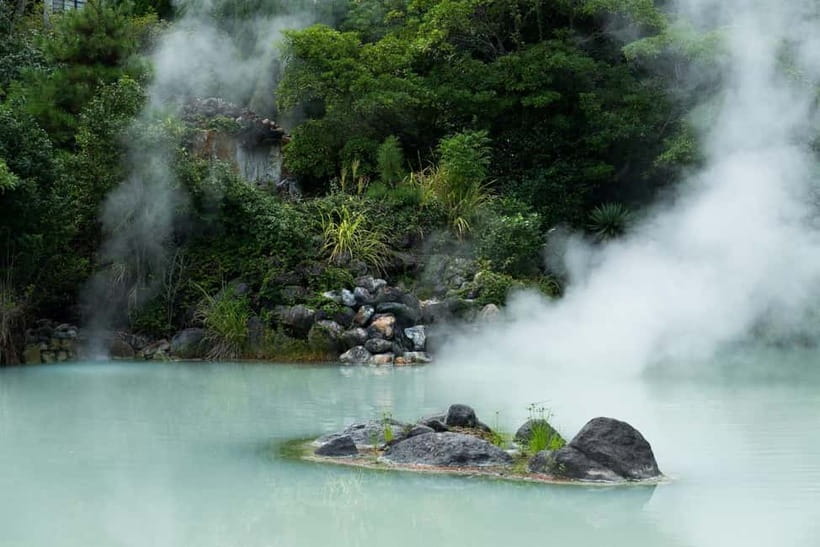
This is a good match for a woman who has wanted to try an onsen or sento but has kept putting it off. It also suits someone who likes ordinary local customs more than a checklist of major sights.
You may especially enjoy it if:
- You are visiting Japan for the first time.
- You feel uncertain about communal bathing etiquette.
- You want a calm break after several days of walking.
- You prefer a local cultural activity over a tourist-only spa.
- You appreciate a discreet guide who can answer questions in English.
- You are staying or sightseeing near central Tokyo.
It is less suitable if you want a private bathing room, luxury spa services, a long treatment, or a food-focused outing. It is also not suitable for pregnant women, wheelchair users, or anyone who may be under the influence of alcohol at the time of the activity.
The women-only rule is both a limit and a benefit. It excludes mixed-gender groups and male participants, but it may make the experience more comfortable for women who would rather learn the custom in a women-only setting.
Tattoos, identification, and facility rules
Tattoos need careful attention before you reserve. Visible tattoos are not allowed, and people with full-body tattoos may not be accepted because of the facility’s rules.
That point is not a minor footnote. Japanese bathhouses often have their own policies, and this experience cannot promise admission if your tattoos conflict with them. Ask the provider in advance if your tattoos can be covered or if the chosen facility has a specific policy. The supplied information only confirms that visible tattoos are not allowed and that full-body tattoos may prevent participation.
You also need a valid photo ID at the time of booking. Bring the required identification and make sure your booking information matches it.
Alcohol is another clear issue. Anyone under the influence will not be allowed to take part. Plan your bath before drinks, not after them.
What to bring and what not to expect
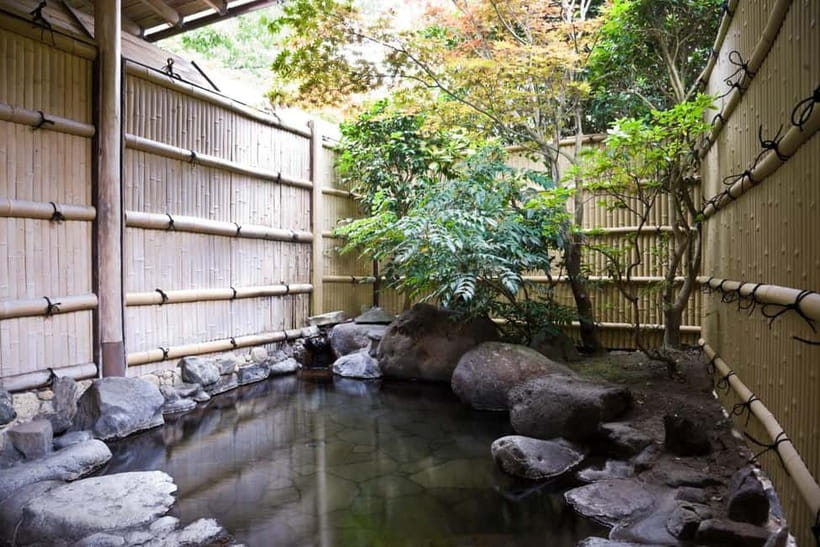
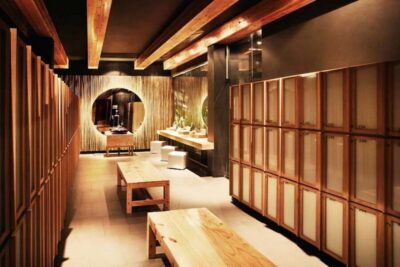
The towel set and amenities are included, so you can come without carrying your own bath towels. You still need to manage your normal personal items and transport arrangements.
Wear something easy to change in and out of, though no dress code is specified. Keep your plans simple around the activity because the exact duration is not provided. If you need to be somewhere at a fixed time, ask for the schedule first.
Do not expect hotel pickup, a private car, a full dinner, or an elaborate spa treatment. Do expect an introduction, a local bath visit, hot water, towels, and a modest post-bath treat.
The experience is conducted in English, which is a major help when you are learning customs in real time. It also means you can ask for clarification instead of relying on a translated sign or guessing from the people around you.
Booking, cancellation, and practical limits
You can reserve now and pay later, which is useful if your Tokyo plans are still changing. Cancellation is allowed up to 24 hours in advance for a full refund.
The meeting point is set at Suidobashi or Korakuen, and the activity ends back there. Local transport is not included, so budget for the train or taxi to and from the meeting point.
The experience has a top rating from the two available accounts, with particular praise for Ami’s warm, discreet company and her ability to make the bath feel soothing after a demanding day in Tokyo. That is encouraging, but the sample is small. I would place more weight on the clear practical fit of the activity than on the rating alone.
Is this Tokyo bath experience worth booking?
Book it if you want to try a Japanese communal bath and would feel better with a local woman guiding you through the first visit. The combination of etiquette help, admission, towels, and a post-bath milk or wagashi makes the $77 fee reasonable for a first-timer who values confidence and cultural context.
Skip it if you already know sento etiquette, need a private bath, have visible or full-body tattoos that cannot meet facility rules, or want a longer spa treatment. Also skip it if you need wheelchair access or are pregnant.
For the right person, the reward is not simply feeling warm and rested. It is understanding one of Japan’s everyday customs without the usual fear of making a mistake. That makes Ami’s guidance the key part of the experience, while the hot bath and small sweet finish provide the welcome payoff.
FAQ
Is this experience for women only?
Yes. The tour is for women only.
Where does the activity begin?
You can arrange to meet at either Suidobashi Station or Korakuen Station.
Where does the activity end?
The activity ends back at the meeting point.
Is hotel pickup included?
No. Hotel pickup and drop-off are not included.
Are local train or taxi costs included?
No. Local transportation costs, including train tickets and taxis, are separate.
Are towels provided?
Yes. A small and large towel set is included, along with spa admission.
Is the tour conducted in English?
Yes. English-language guide service is included.
Can I join if I have tattoos?
Visible tattoos are not allowed. People with full-body tattoos may not be able to participate because of facility rules.
Can I cancel for a refund?
Yes. You can cancel up to 24 hours in advance for a full refund.
New places to soak around Tokyo
- Tokyo: Mt Takao Tour with Ramen and Tattoo-Okay Hot Spring★ 5.0 · 69 reviews
- Tokyo: Private Morning Run with Sento Bath Experience★ 5.0 · 9 reviews
- Tokyo: Mt Fuji Lake Kawaguchi & Yamanaka Hot Spring Day Tour★ 4.0 · 14 reviews
- Tokyo: 2-Day Mt. Fuji, Kamakura and Izu Hot Springs Tour★ 3.3 · 3 reviews
- [Seasonal Limited] Mt. Fuji 5th Station &Hot Spring Day Tour★ 4.5 · 53 reviews
- Private 2-Day Tour: Mt Fuji Hakone & Kamakura + Onsen Ryokan★ 5.0 · 3 reviews
- Onsen Spa in Tokyo and Asakusa Bar Hopping with Local Guide★ 5.0 · 3 reviews
- Mt. Fuji Skiing Experience- YETI Ski Resort & Onsen Day Trip★ 4.2 · 8 reviews
Japanese Onsen Tours: more water worth the trip.

Bangkok: All-Day Pass to Yunomori Sathorn Onsen Bath and Spa
Read our review →
From Fukuoka: Mount Aso, Kurokawa Onsen, and Shrine Tour
Read our review →
Snow Monkey & Shibu Onsen Afternoon Tour (Depart: Iiyama & Nozwa)
Read our review →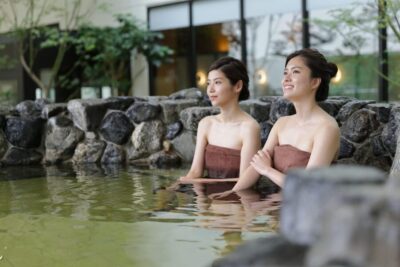
Bangkok: Yunomori Sukhumvit Onsen Hot Springs Spa Pass
Read our review →Lists this soak appears on