
Review · JAPAN
2 Hour Onsen Calligraphy Experience
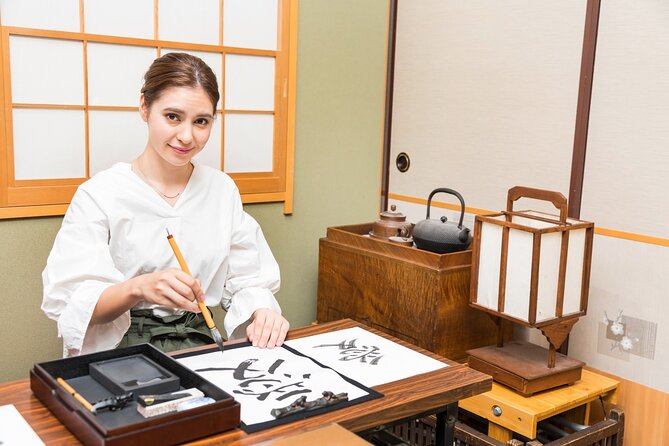
Hakone’s hot spring water becomes part of your ink in this unusual two-hour calligraphy workshop. You sit inside a historic ryokan, listen to water outside, and practice brushwork in a calm setting rather than rushing through a standard sightseeing stop. I especially like the onsen-water ink and the choice between traditional paper and a round uchiwa fan for your finished piece. The main consideration is that transportation is not included, so you must reach the Yumoto meeting point yourself.
I also like the small group size, capped at eight, because the instructor can watch how you hold and move the brush. Beginners are welcome, and the quiet room seems to help even lively groups settle down and focus. At $60 per person, this is not a bargain-basement craft class, but the materials, tea, instruction, cultural background, venue, and take-home artwork make it a fair value for a distinctive Hakone activity.
Key details before you book
- Mix ink with actual Hakone onsen water: The hot spring water is not just part of the setting. It is used in preparing the ink for your calligraphy.
- Write on paper or a uchiwa fan: You receive a Japanese round hand fan for artwork, and traditional paper is also available.
- Spend two hours in a historic ryokan: The indoor setting is quiet, with the sound of water and the scent of ink adding to the mood.
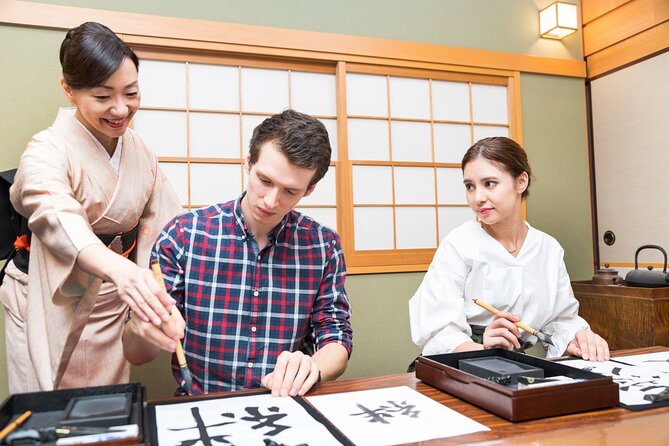
- Learn at a relaxed pace: An experienced teacher demonstrates brush handling and gives individual guidance, making this suitable for first-timers.
- Keep your finished work: A take-home bag is included, so your paper and fan can travel safely with you.
- Plan your own arrival: The meeting point is at 655 Yumoto in Hakone, near public transportation, and the activity ends there.
Why onsen water changes the calligraphy experience
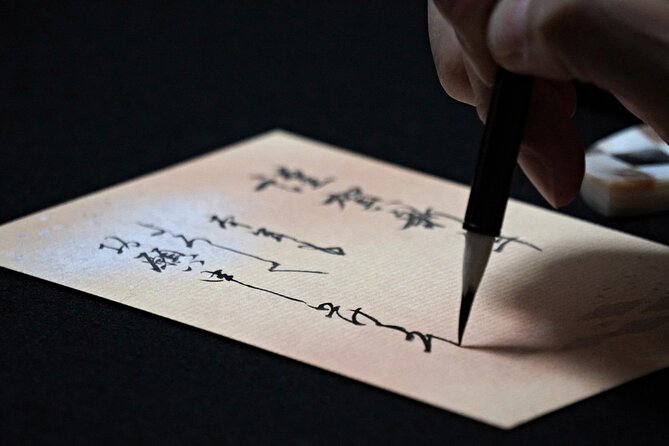
Japanese calligraphy is easy to reduce to a quick brush-and-ink souvenir activity. This workshop gives it a stronger sense of place by using water from the hot spring inn itself. You are not simply learning a Japanese craft in a generic room. You are making ink connected to Hakone’s hot spring tradition.
The process begins with an introduction to the cultural importance of Hakone’s hot springs. That context matters because it explains why the water belongs in the activity. The workshop links the physical setting, the local custom of bathing, and the slow movements of calligraphy.
You might notice a faint scent from the ink prepared with the hot spring water. The effect is subtle, not theatrical, but it gives the work a sensory link to the inn. The sound of water outside can also make the room feel removed from the usual pace of sightseeing.
I like this kind of cultural activity because it gives you something to do with your hands. You are not just listening to a guide or looking at an old building. You prepare the ink, hold the brush, make deliberate strokes, and leave with something you created.
More Japanese Onsen Tours in Japan:
- From Osaka: Himeji Castle, Arima Onsen & Mt. Rokko Day Tour
★ 4.6 · 339 reviews - From Tokyo: Private Tour to Fuji/Hakone – Onsen, Art, Nature
★ 5.0 · 116 reviews - Mt. Fuji, Hakone Private Tour from Tokyo – Onsen, Arts and Nature
★ 5.0 · 79 reviews
Arriving at the Yumoto ryokan
The activity begins at 655 Yumoto, Hakone, Ashigarashimo District, Kanagawa 250-0311. It is near public transportation, but the experience does not include transport to or from the meeting point. You should allow enough time to find the address and arrive ready for a fixed two-hour session.
The location in Yumoto is useful if you are already sightseeing around Hakone’s main hot spring town. You can fit the workshop into a day that includes other local stops, but do not treat it as a drop-in activity unless your booking details allow that. The experience is commonly reserved well in advance, with an average booking lead time of 129 days, so planning ahead is sensible.
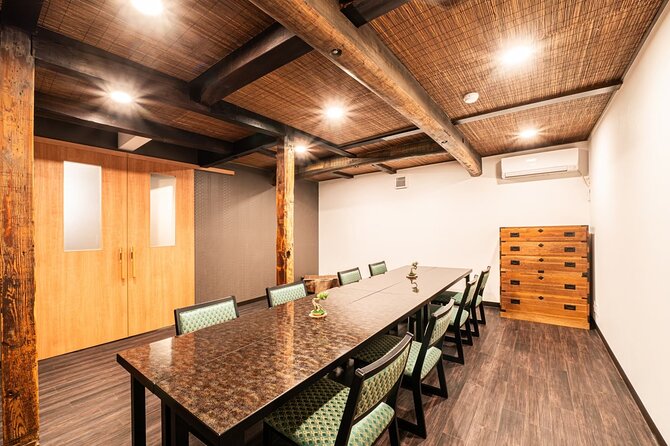
Once inside, expect an indoor room in a traditional inn rather than a modern art studio. The setting is one of the strongest parts of the experience. The quiet air, old-fashioned surroundings, water sounds, and ink scent create a gentle rhythm that encourages concentration.
The room may feel especially appealing after a busy day of buses, trains, and sightseeing. You can sit down, slow your breathing, and pay attention to one movement at a time. That calm is not an extra decoration. It is central to why the workshop works.
The first lesson: brush, ink, and Japanese characters
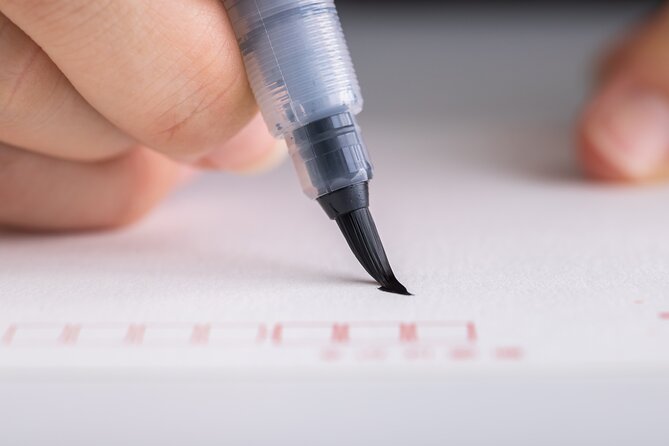
The teacher starts with the basics, including how to hold the brush. This may sound simple, but brush position affects the width, weight, and direction of each stroke. If you have only used a pen, the brush will feel less predictable and more expressive.
The instructor guides you carefully rather than assuming you already know the rules. That makes the experience workable for a complete beginner, including someone who has never written Japanese characters before. You may feel a little tense at first, especially when the brush touches the paper, but the structure gives you a way to begin.
If you have drawn with a brush before, you still have something new to learn. Drawing a picture and writing a character require different kinds of control. Calligraphy asks you to follow the order and form of each stroke while also managing pressure and speed.
The teacher watches each participant individually. That point is important in a group class. With a maximum of eight people, you should have a better chance of receiving personal help than in a large workshop where the instructor can only demonstrate from the front.
The class is not presented as a test of perfect handwriting. It is a chance to understand how Japanese writing is formed and to experience the physical act of using a brush. You will probably produce some uneven strokes. That is normal, and it is part of seeing how the ink, brush, hand, and paper work together.
Making your piece on paper or a round fan
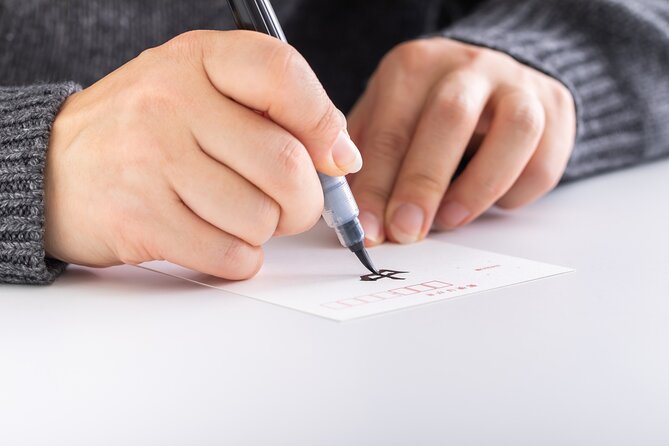
Your artwork can go on traditional Japanese paper or on a uchiwa, the classic round hand fan. The fan is the more distinctive choice if you want a practical souvenir with a strong visual connection to Japan. Paper may suit you better if you want a flatter piece to frame or display.
The uchiwa gives the finished work a different shape from a standard sheet. A character or short design must fit the curved, round surface, so the composition becomes part of the challenge. The result can feel more personal than a preprinted souvenir because you made the marks yourself.
Take your time before committing to the final surface. The practice portion lets you learn the brush and get used to the ink. If you are nervous, use the early exercises to test the pressure of your hand. A lighter touch and a slower stroke can produce a different look from a bold, fast movement.
The teacher’s guidance helps here, especially if you are unsure how much space to leave around your character. You do not need previous calligraphy training, but you do need patience. The point is not to produce a museum piece in two hours. It is to understand the process well enough to make a finished work you will want to keep.
A take-home bag is included. That is a small but useful detail, especially if you are carrying the artwork through the rest of your Hakone visit. The bag also makes it easier to protect the fan and paper on the journey home.
Two-hour soaks around Japan:
- 2 Hours Hiroshima Hot Spring Tour
★ 5.0 · 3 reviews - Marrakech: 2-Hour Traditional Moroccan Hammam Experience
★ 4.5 · 2,653 reviews - 2-Hour Deep Blue Hot Springs in Warrnambool
★ 4.5 · 160 reviews - Agadir : 2-Hour Hammam and Massage Combo Experience
★ 4.0 · 66 reviews
The mood: quiet water, ink, and concentration
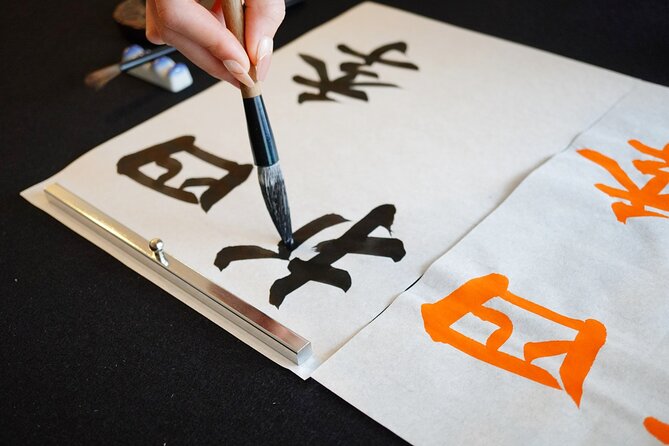
The most praised quality of this activity is its calm atmosphere. The ryokan setting gives the session a slower feel than a busy craft center. You may hear hot water outside, notice the scent of ink, and find that your attention settles naturally on the brush.
This makes the activity a good counterpoint to Hakone’s more active sightseeing. A day in the area can involve changing trains, waiting for buses, walking between attractions, and keeping track of weather. Calligraphy asks you to stop checking the clock for a while and focus on a narrow task.
You might also find that the shared quiet works well for friends or small groups. You can arrive together, practice separately, then compare your finished work at the end. The class does not require you to perform in front of everyone, so it can feel comfortable even if your group includes people with very different skill levels.
The setting may be less suitable if you want a fast, highly social workshop with lots of conversation. The appeal is concentration. If you prefer constant activity or a large demonstration, the two-hour pace may feel slow.
For me, that slower pace is the point. You are not buying only instruction. You are paying for time in a traditional setting, with a local hot spring connection and a chance to make something by hand.
Japanese tea and the value of the $60 price
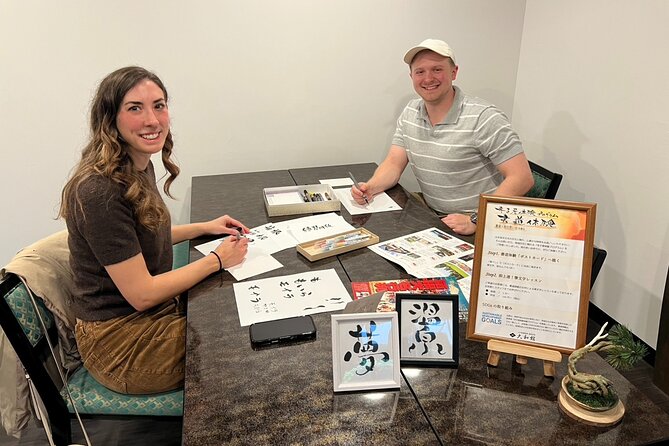
The price is $60 per person. That includes all calligraphy supplies, onsen water for preparing the ink, one uchiwa fan, a take-home bag, instruction, cultural explanation, Japanese tea, and the indoor ryokan venue fee.
That package gives the price more weight than a simple class fee. You are not expected to purchase paper, brushes, ink, or a fan separately. You also avoid the extra cost of arranging a separate cultural demonstration and souvenir-making activity.
The complimentary tea fits the pace of the workshop. It gives you a small break and adds another familiar Japanese custom to the session without turning the experience into a meal or tea ceremony. Keep your expectations in proportion: the core activity is calligraphy, and the tea is a thoughtful extra.
The value depends on what you want from Hakone. If you are looking for the cheapest way to fill two hours, this is not it. If you want a personal keepsake, individual instruction, and a cultural activity tied directly to the hot spring town, $60 is reasonable.
A group discount is available, which may make the experience more attractive for friends, families, or organized groups. The maximum size is eight, so even a discounted group should remain small enough for the teacher to offer personal help.
Can beginners really enjoy it?
Yes, the structure is aimed at beginners as well as people who have tried calligraphy before. The teacher explains the fundamentals and shows you how to hold the brush. You do not need to arrive knowing Japanese characters.
A first attempt can feel both fresh and slightly tense. That is not a flaw. Brush writing has a physical quality that ordinary handwriting lacks, and you will notice every change in pressure. The teacher’s slow, careful approach helps you concentrate without making the class feel like a formal examination.
You may also be surprised by the difference between drawing and writing. Someone comfortable with brush painting will still need to think about stroke order, balance, and the shape of each character. Someone new to both can simply follow the demonstrations and let the teacher correct the basics.
The experience may suit children or young people who can participate calmly, but the supplied information does not give a specific minimum age. For that reason, check the booking details if you are arranging the activity for a child. The stated guidance is that most participants can take part.
What happens during the two hours
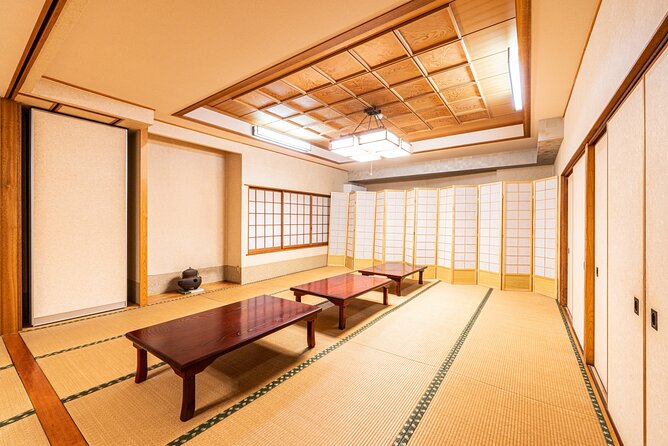
The exact minute-by-minute schedule is not provided, but the workshop follows a clear sequence.
You begin with an explanation of Hakone’s hot spring traditions and the role of the ryokan setting. This gives you a reason to pay attention to the water and the surroundings before you start writing.
Next, you learn the basic handling of the brush and the fundamentals of Japanese calligraphy. The instructor guides you through practice rather than sending you straight to the final fan or paper.
You then prepare or use ink made with actual onsen water. The slight scent and different feel give this stage a local quality that a standard calligraphy class would not have.
After practice, you create your final work on traditional paper or the included uchiwa fan. The instructor provides individual help as you work, which is especially useful when you decide how to place your character or design.
Japanese tea is served during the experience, and the session ends at the same Yumoto meeting point. Your finished pieces go into the provided bag for you to take home.
Two hours should be enough to learn the basics without making the activity feel rushed. It also gives you enough time to make a final piece rather than leaving with only practice sheets.
Practical planning for your Hakone day
Book early if your dates are fixed. The average advance booking period is 129 days, and the small capacity can make popular dates unavailable. Confirmation is provided at booking, and the activity is mobile-ticket friendly, so you can keep the reservation on your phone.
Plan your route to 655 Yumoto in advance. Public transportation is nearby, but your ticket does not cover the journey. Hakone connections can take planning, so avoid scheduling another fixed activity immediately afterward unless you have allowed plenty of time.
The class ends where it starts. That makes it easier to continue sightseeing in Yumoto or return to your accommodation, but it also means you should not expect a transfer to another Hakone attraction.
Free cancellation is available if you cancel at least 24 hours before the local start time. Cancellations or changes made less than 24 hours ahead are not accepted for a refund. Keep that deadline in mind when arranging transport and other reservations.
Who should book this experience?
I would recommend it to you if you want a quiet, hands-on cultural activity with a finished souvenir. It is especially well suited to first-time visitors who want something more personal than taking photographs of hot spring scenery.
It also works well for friends, small clubs, and couples. You can share the setting and tea, then create separate pieces at your own pace. The small group limit helps keep the class focused.
This may not be the right choice if your priority is bathing. The activity takes place at an onsen ryokan and uses hot spring water, but the supplied details do not say that an onsen bath is included. One person who combined the activity with nearby hot springs found that pairing worthwhile, but you should arrange any bathing separately.
It is also not ideal if you want a short drop-in attraction. The session lasts about two hours, and the value comes from allowing that time to slow down.
Should you book the Onsen Calligraphy Experience?
Book it if you want to connect with Hakone through a small, thoughtful activity rather than another sightseeing stop. The onsen-water ink, old ryokan atmosphere, careful brush instruction, tea, and take-home fan give the experience a clear sense of place.
Skip it if you are mainly seeking a low-cost activity, a bath, or a quick souvenir purchase. For everyone else, especially beginners and small groups, the $60 price buys more than materials. It gives you a quiet room, a patient lesson, and a handmade reminder of Hakone that you cannot simply pick up in a shop.
FAQ
Where does the Onsen Calligraphy Experience take place?
It takes place at 655 Yumoto, Hakone, Ashigarashimo District, Kanagawa 250-0311, Japan, in a hot spring ryokan.
How long does the experience last?
The activity lasts approximately two hours.
What makes this calligraphy class different?
You prepare the calligraphy ink using actual onsen water from the hot spring setting, linking the artwork directly to Hakone’s local bathing tradition.
Is the activity suitable for beginners?
Yes. An experienced calligraphy teacher explains the basics and guides participants through brush handling and writing. Most participants can take part.
What can I use for my artwork?
You can create your work on traditional Japanese paper or on a uchiwa, a classic round Japanese hand fan.
Can I take my artwork home?
Yes. Your finished pieces can be taken home, and a take-home bag is included.
Is tea included?
Yes. Complimentary Japanese tea is served during the experience.
Is transportation included?
No. Transportation to and from the meeting point is not included. The location is near public transportation.
How many people can join the class?
The activity has a maximum capacity of eight participants.
Can I cancel for a full refund?
Yes, if you cancel at least 24 hours before the experience start time. Cancellations or changes made less than 24 hours before the start time are not accepted for a refund.
New places to soak around Japan
- Private Car Day Trip to the Kobe Mountains, Gardens and Hot Springs from Osaka★ 4.5 · 16 reviews
- Solaniwa Onsen: Osaka Bay Tower★ 5.0 · 4 reviews
- Kobe Night View Mt Rokko Kitano Ijinkan Arima Onsen Day Trip★ 5.0 · 5 reviews
- Osaka: Nara, Todaiji, Uji Matcha, and Hot Spring Tour★ 4.0 · 7 reviews
- Osaka River Rapids Hike and Natural Hot Spring tour★ 5.0 · 2 reviews
- Deluxe Private Tour: Hita, AOT Statues and Onsen from Fukuoka★ 5.0 · 4 reviews
- Hot Spring Capital of Yufuin Rickshaw Tour★ 5.0 · 32 reviews
- Personalized Private Guided Tour from Myoko Kogen★ 5.0 · 2 reviews
Japanese Onsen Tours: more water worth the trip.

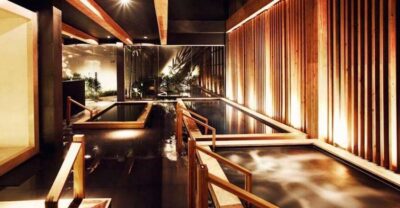
Bangkok: All-Day Pass to Yunomori Sathorn Onsen Bath and Spa
Read our review →
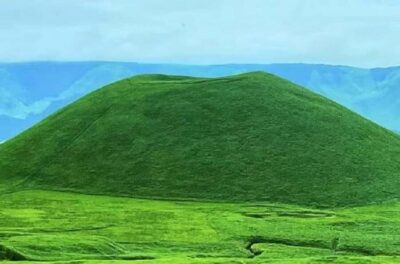
From Fukuoka: Mount Aso, Kurokawa Onsen, and Shrine Tour
Read our review →
Snow Monkey & Shibu Onsen Afternoon Tour (Depart: Iiyama & Nozwa)
Read our review →
Bangkok: Yunomori Sukhumvit Onsen Hot Springs Spa Pass
Read our review →Lists this soak appears on