Review · JAPAN
Traverse Outer Rim of Hakone Caldera and Enjoy Onsen Hiking Tour
Hakone’s best scenery often comes with some effort, and this tour puts you right into it. You climb for about 90 minutes to reach the outer rim of the caldera, then follow the ridge for two and a half to three hours with views toward Mt Fuji, Miyagino, Sengokuhara, and Lake Ashi. In spring, you may see cherry blossoms. In autumn, the trees turn red. In winter, the trail can be covered with powdery snow.
I like two things here: the small group of no more than six and the way the day ends with lunch and an onsen instead of simply sending you back down a mountain. The guide also handles the route, a real help on uneven ground and changing mountain paths. The main catch is clear: this is a serious half-day hike with a 500-meter ascent, not a gentle scenic stroll.
Key points
- A 90-minute climb gains 500 meters, so good fitness is essential.
- The ridge walk is the main event, lasting about 2.5 to 3 hours with wide Hakone views.
- Mt Fuji appears when the weather cooperates, but Miyagino and Sengokuhara still provide views in cloud.
- The group is limited to six people, allowing the guide to set a sensible pace.
- Lunch and an indoor-outdoor onsen follow the hike, but both cost extra.
- The route changes with the seasons, from cherry blossoms and birdsong to red leaves and snow.
Why this Hakone hike is different
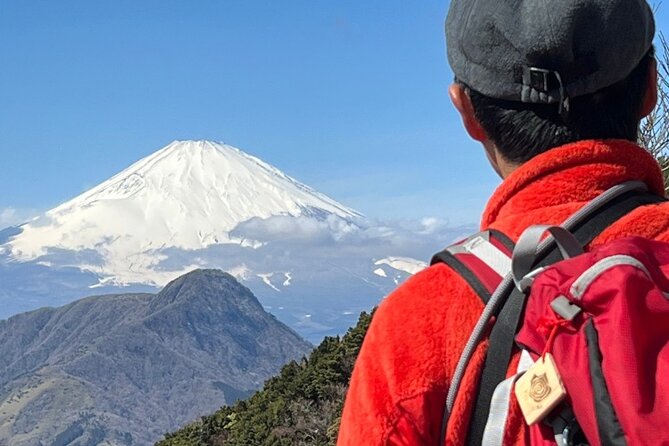
Many Hakone outings focus on Lake Ashi, the ropeway, or the hot springs. This one takes you above the usual sightseeing circuit and across the outer rim of Hakone’s caldera. You get a better sense of how the area fits together: mountain ridges above, Sengokuhara below, and Lake Ashi waiting at the end of the descent.
The day lasts about seven to eight hours, but only four to five hours are spent hiking. That still means roughly 8 to 9 kilometers on foot, with the hardest work at the start. You begin around 700 meters above sea level and climb another 500 meters before reaching the ridge. The mountain air is generally cooler than in town, so you should dress for conditions at altitude rather than for the temperature at Hakone-Yumoto.
I like the shape of the day. The effort comes first, the broad views come in the middle, and the food and bath come afterward. That order matters. You are not trying to squeeze a hot spring visit between several unrelated stops. The onsen is a proper finish for tired legs.
More Hot Spring Hiking Tours in Japan
- Full Day Hiking Tour at Mt.Takao including Hot Spring
★ 5.0 · 52 reviews - Kyoto: Hike and Hot Springs in Kurama
★ 5.0 · 49 reviews - Samurai Guide Sho’s Mt. Takao Hike, Temple & Onsen from Shinjuku
★ 5.0 · 9 reviews
Starting at Hakone-Yumoto and reaching the trailhead
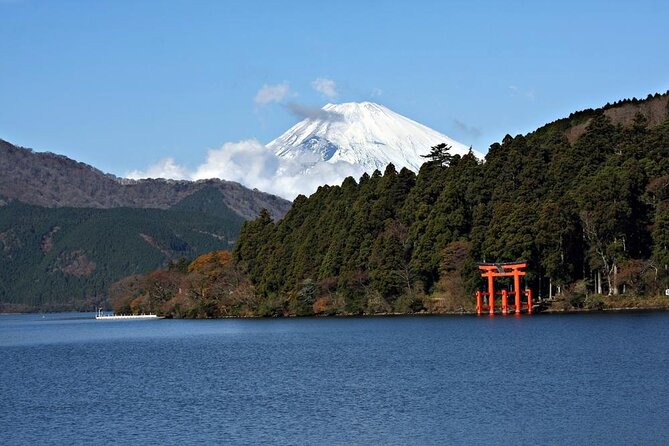
The meeting point is Hakone-Yumoto Station at 8:30 am. From there, the group travels by chartered taxi to the trailhead. The taxi cost is not included, so ask about the expected amount before setting out. The tour price covers the guide, not every part of the day.
This transfer saves you from working out the mountain access on your own. That is one of the practical strengths of the tour. Hakone’s transport network is useful, but the trailhead is not the sort of place you want to reach after guessing at connections or arriving late for a timed walk.
The hike begins around 700 meters above sea level. Expect cooler air and a route that quickly makes you work. Wear sturdy walking shoes, bring water, and leave room in your day for a slower pace if the ground is wet, snowy, or uneven. The guide can help set the rhythm, but you still need to arrive ready for sustained uphill walking.
The 90-minute climb to the caldera rim
The opening climb takes about an hour and a half and gains roughly 500 meters. This is the section that determines whether the tour suits you. If you are comfortable with a long uphill walk and regular outdoor activity, it should feel like a demanding but manageable start. If you prefer flat paths, short walks, or frequent vehicle transfers, this is not the right Hakone experience.
The climb is not included simply to reach a viewpoint. It gives you the height needed for the ridge crossing that follows. Once you gain the mountaintop, the walking becomes more about moving along the crest and stopping to take in the scenery, although it remains uneven mountain terrain.
The guide is particularly useful here. A nationally certified guide accompanies the group, and the small maximum of six people makes it easier to communicate about pace, breaks, and changing conditions. A previous booking described the guide as interesting and patient, qualities that matter more on a climb than a polished speech at a city attraction.
Mt. Marudake and the long ridge walk
The ridge near Mt. Marudake is the highlight of the route. Plan on two and a half to three hours, with extra time if you stop for photographs or snacks. This is where the climb pays off.
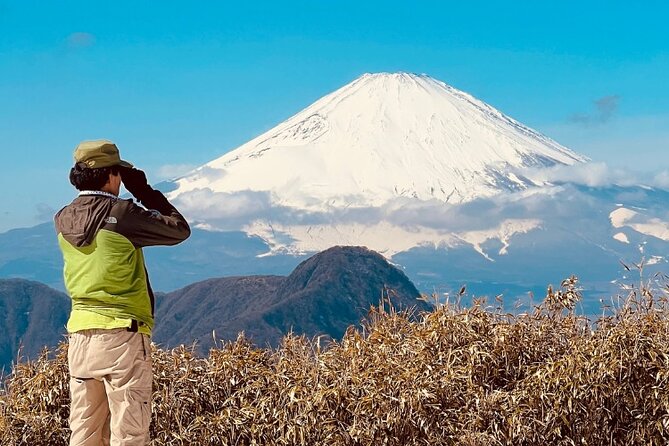
On a clear day, you can see Mt Fuji for much of the ridge walk. The view is never guaranteed, and clouds can hide the mountain. That should not ruin the outing. Even with Fuji covered, you still have views toward Miyagino and Sengokuhara, along with a high look across the Hakone area.
The route passes through bamboo and open mountain sections. You may hear birds in the quieter stretches, and the feel of the walk changes with the season:
- Spring can bring cherry blossoms.
- Autumn brings red leaves.
- Deep winter may put powdered snow underfoot.
- Cloudy weather can soften the views while still leaving the nearer valleys visible.
The ridge is a good place to slow down. You are not rushing from one marked attraction to another. The guide can point out the views and help you keep track of the route while you enjoy the setting. That makes the tour a useful choice if you want the mountain experience but do not want to manage navigation yourself.
Still, keep your expectations realistic. A ridge walk is not automatically easy. Uneven ground, weather, and the accumulated fatigue from the opening climb all matter. A participant described the day as a good fit for active families or individuals and noted that the uneven terrain was part of the experience. I would use that as your test: if active family hiking sounds appealing, you are probably in the right category. If you mainly want scenic photographs with minimal exertion, choose a different Hakone outing.
More Japanese Onsen Tours in Japan:
- From Osaka: Himeji Castle, Arima Onsen & Mt. Rokko Day Tour
★ 4.6 · 339 reviews - From Tokyo: Private Tour to Fuji/Hakone – Onsen, Art, Nature
★ 5.0 · 116 reviews - Mt. Fuji, Hakone Private Tour from Tokyo – Onsen, Arts and Nature
★ 5.0 · 79 reviews - Tokyo: Mount Fuji 5th Station & Onsen Day Trip
★ 4.3 · 75 reviews
The 30-minute descent toward Lake Ashi
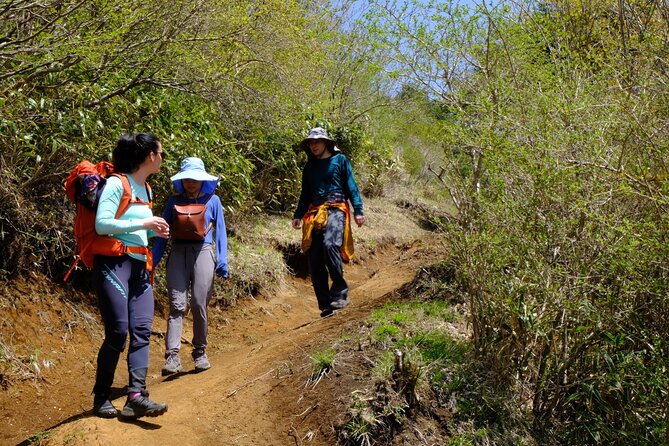
After the ridge, you descend for about 30 minutes toward the Lake Ashi area. Compared with the first climb, this is brief, but downhill walking can still challenge tired knees. Trekking poles are not listed as part of the tour, so bring your own if you normally use them.
The descent leads toward Togendai, a useful change of scene after the remote-feeling ridge. You are no longer focused on gaining height. Instead, you are finishing the physical part of the day and moving toward food and transport.
The route ends in a different place from the starting point. You meet at Hakone-Yumoto but finish around the Togendai Station area. That one-way design is sensible for a traverse, but it means you should plan the rest of your day from Togendai rather than assuming you will return to Hakone-Yumoto with the group.
Lunch near Togendai
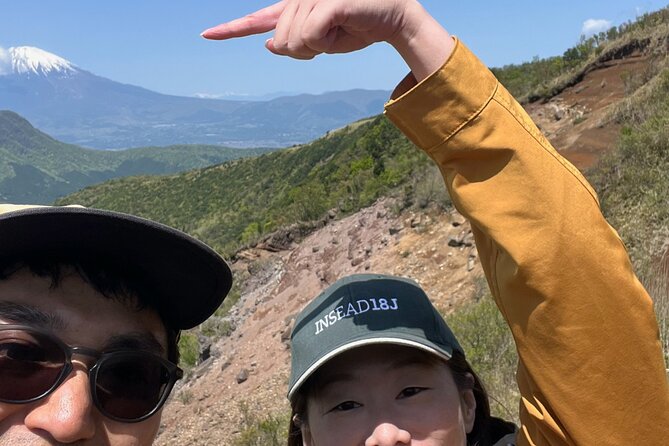
Lunch follows in the Togendai Station area. The guide can suggest a local Japanese restaurant based on your preference and what is available. Choices may include soba, udon, Japanese curry, or a Western-style restaurant.
I like having lunch after the walk instead of carrying a full meal through the ridge section. It also gives you a chance to settle down before the bath. Food is not included, so budget separately for this stop. The information provided does not set a fixed restaurant or meal price, which means the exact choice can vary.
This is not presented as a formal food tour, and you should not book it expecting a long tasting menu. The value is simpler: you get a local meal at the end of a mountain traverse, with guidance rather than a fixed dining package. If you have dietary needs, discuss them with the guide when choosing the restaurant.
Indoor and outdoor baths after the hike
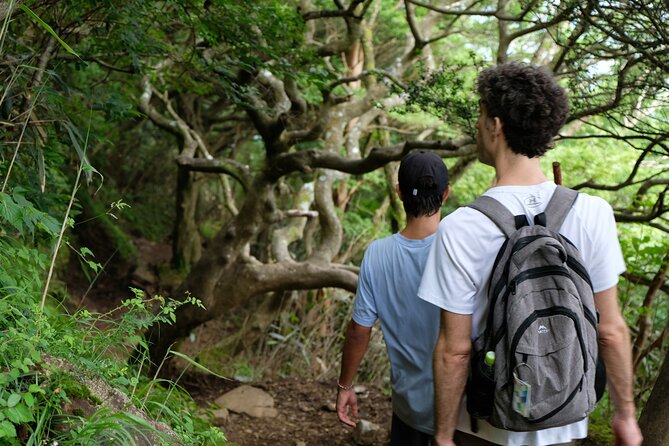
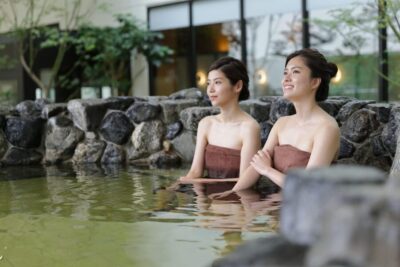
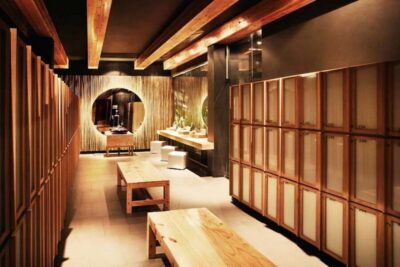
The final planned activity is an onsen with indoor and outdoor baths. The stated fee is ¥1,500 per person, not included in the tour price. After four to five hours on foot, this is more than a decorative extra. It gives you a chance to rest your muscles before continuing your Hakone plans.
The bath is described as having a traditional healing reputation, but treat that as a cultural description rather than a medical promise. You are paying for a relaxing hot spring stop, not a health treatment.
The onsen visit can be customized according to your preference. The supplied details do not specify a fixed bathing time beyond about one hour at the Togendai stop, so confirm the plan with the guide if you need to catch a train or another reservation.
Remember that standard onsen etiquette applies. The practical basics are simple: wash before entering the baths, keep towels out of the water, and follow the facility’s instructions. If you have never used a Japanese hot spring, ask the guide for help before you go in.
What the $158.13 price really covers
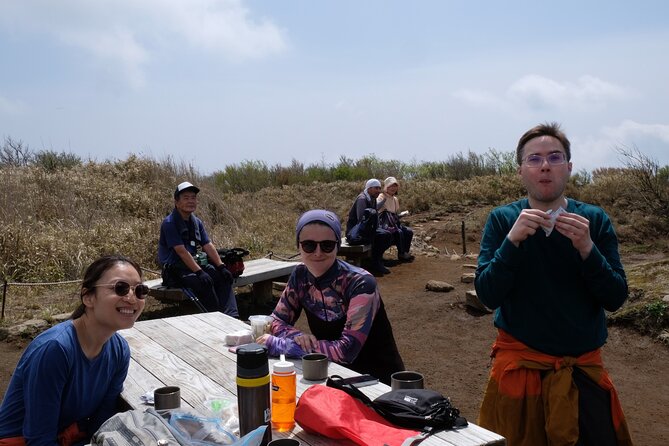
At $158.13 per person, this is not a cheap walking route. But the price makes more sense when you consider what you are buying: a nationally certified guide, a planned one-way mountain route, a small group capped at six, and help with the trailhead transfer and restaurant choice.
The price does not cover the chartered taxi, lunch, or the ¥1,500 onsen fee. Those extras can make the final cost noticeably higher. You should also account for the value of your time. This is a full day, so the tour works best when the hike itself is one of your main reasons for visiting Hakone.
I see the value in the guided route rather than in the meals or bath alone. Anyone can visit an onsen or eat soba in Hakone. The harder part is arranging an 8 to 9 km caldera-rim walk with a sensible route, a guide, and a finish near Togendai. If you would otherwise spend the morning worrying about trail access and navigation, that convenience has real worth.
Group discounts may be available, which could improve the price for families or small parties. Since the group maximum is six, ask how the discount applies to your booking before paying.
Who should book this experience
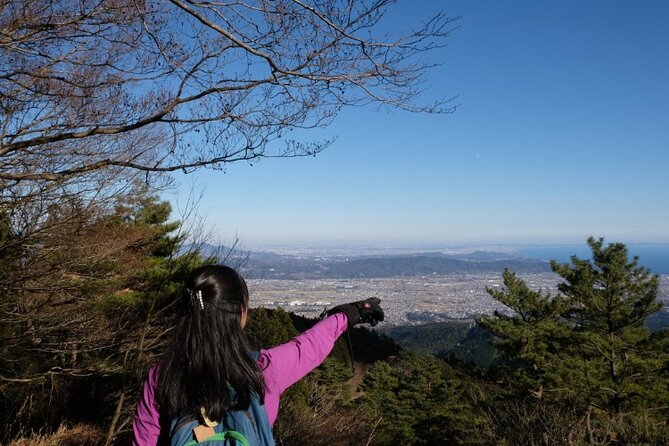
You should consider this tour if you:
- Exercise regularly and can handle a 90-minute uphill climb.
- Want broad Hakone views rather than only the main transport attractions.
- Like walking through changing seasonal scenery.
- Prefer a small guided group to managing a mountain route alone.
- Enjoy ending an active day with Japanese food and a hot spring.
- Can accept that Mt Fuji may be hidden by cloud.
Active families may enjoy it, but children need to be comfortable with sustained hiking and uneven ground. The tour is also a good match for solo visitors who want company without joining a large group.
You should skip it if you have limited mobility, dislike steep climbs, or want a relaxed sightseeing day. The free cancellation policy gives you flexibility up to 24 hours before the start time, and the experience requires good weather. If poor weather forces cancellation, you are offered another date or a full refund.
Small details that make the day easier
Start with proper footwear. The route includes uneven terrain, a long ascent, and a downhill section after several hours of walking. Comfortable city sneakers may not be enough, especially in wet or snowy conditions.
Dress in layers. The trailhead sits high enough for cooler temperatures, and conditions on the ridge can feel different from those at Hakone-Yumoto. Pack water and snacks for the walking portion, since the ridge may take up to three hours.
Keep your schedule open after the tour. The stated duration is about seven to eight hours, and photo stops or snack breaks can extend the ridge section. You do not want to race away from the onsen to catch a tightly timed evening booking.
The tour is confirmed at booking, and a mobile ticket is available. Public transport is nearby, but remember that the tour itself begins at Hakone-Yumoto and finishes elsewhere. Plan your onward route from the Togendai area.
Should you book the Hakone caldera-rim hike?
Book it if you want Hakone as a mountain region, not just as a collection of famous stops. The caldera rim, seasonal forest, possible Mt Fuji views, and long ridge walk give you a fuller day outdoors. The patient guide, small group, lunch stop, and onsen make the demanding route easier to manage.
Do not book it simply because the price includes a hot spring. It does not include the taxi, lunch, or the ¥1,500 bathing fee, and the hiking itself is the main product. For fit walkers who value scenery, route support, and a satisfying finish, this is a strong choice. For anyone seeking an easy day, it will ask too much.
FAQ
How long does the tour last?
The full experience takes approximately seven to eight hours. The hiking portion lasts about four to five hours and covers roughly 8 to 9 kilometers.
How difficult is the hike?
You need a strong level of physical fitness. The first ascent takes about 90 minutes and gains approximately 500 meters, followed by a 2.5 to 3-hour ridge walk and a 30-minute descent.
Where does the tour begin and end?
The meeting point is Hakone-Yumoto Station at 8:30 am. The activity ends in a different location, around the Togendai Station area.
Is transportation to the trailhead included?
No. The group uses a chartered taxi to reach the trailhead, but that transportation cost is not included in the tour price.
Is Mt Fuji guaranteed to be visible?
No. On clear days, you may see Mt Fuji for much of the ridge walk. Clouds can hide it, but views toward Miyagino and Sengokuhara may still be available.
Are lunch and the onsen included?
No. Lunch is paid separately, and the onsen fee is ¥1,500 per person. The onsen has indoor and outdoor baths.
What happens if the weather is poor?
The experience requires good weather. If it is canceled because of poor conditions, you can choose another date or receive a full refund. Free cancellation is also available when you cancel at least 24 hours before the start time.
More Volcano & Crater Hot Springs in Japan
- Fukuoka: Mt. Aso Volcano & Kurokawa Onsen Scenic Day Tour
★ 3.8 · 37 reviews - Hakone: Traverse the Hakone Caldera and Enjoy Onsen
★ 4.6 · 8 reviews - Mount Fuji – Hakone & Onsen Full Day Private Tour
★ 3.8 · 6 reviews - Bali: Mount Batur Sunrise Guided Hike and Natural Hot Spring
★ 4.8 · 9,284 reviews
New places to soak around Japan
- Private Car Day Trip to the Kobe Mountains, Gardens and Hot Springs from Osaka★ 4.5 · 16 reviews
- Solaniwa Onsen: Osaka Bay Tower★ 5.0 · 4 reviews
- Kobe Night View Mt Rokko Kitano Ijinkan Arima Onsen Day Trip★ 5.0 · 5 reviews
- Osaka: Nara, Todaiji, Uji Matcha, and Hot Spring Tour★ 4.0 · 7 reviews
- Deluxe Private Tour: Hita, AOT Statues and Onsen from Fukuoka★ 5.0 · 4 reviews
- Hot Spring Capital of Yufuin Rickshaw Tour★ 5.0 · 32 reviews
- Osaka River Rapids Hike and Natural Hot Spring tour★ 5.0 · 2 reviews
- Personalized Private Guided Tour from Myoko Kogen★ 5.0 · 2 reviews
Japanese Onsen Tours: more water worth the trip.

Bangkok: All-Day Pass to Yunomori Sathorn Onsen Bath and Spa
Read our review →
From Fukuoka: Mount Aso, Kurokawa Onsen, and Shrine Tour
Read our review →
Snow Monkey & Shibu Onsen Afternoon Tour (Depart: Iiyama & Nozwa)
Read our review →