
Review · JAPAN
Kinosaki Onsen Cycling Tour Kinosaki & Riverside Experience
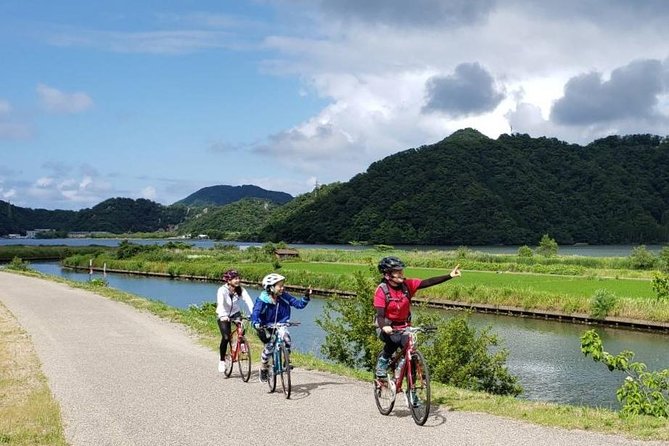
Kinosaki is easy to enjoy on foot, but a bicycle takes you beyond the handsome hot spring streets and into the town’s quieter life. This 15-kilometer riverside ride follows the river toward rice fields, wetlands, and a viewpoint over the Sea of Japan, with local stories along the way. I especially like the gentle, mostly flat route and the small group size, limited to five people.
I also like the range of subjects packed into three hours: hot spring legend, earthquake history, traditional craft, storks, and the San-in Coast Geopark. Guide Natsuko is described as patient and quick to laugh, a useful combination on a relaxed ride. The main consideration is simple: you need moderate physical fitness, and bad weather can cancel the outing.
Key points to know before booking
- A 15-kilometer route with a slow pace: You ride from Kinosaki through town, beside the river, past rice fields, and toward the Sea of Japan.
- Mostly flat terrain: The course is designed to feel approachable, including for women who may not want a demanding cycling trip.
- A small group of up to five: The size allows room for questions and local observations.
- More than a scenic bike ride: You learn about Kinosaki’s hot springs, earthquake history, traditional craft, geoparks, wetlands, and storks.
- A view many visitors miss: The ride reaches a viewpoint overlooking part of the Sea of Japan.
- Good weather matters: You can cancel up to 24 hours before departure for a full refund, while poor weather may lead to a new date or refund.
Why cycling changes your view of Kinosaki
Kinosaki Onsen is famous for its hot spring bathing, wooden buildings, and easygoing streets. Much of the central town can be explored on foot, but the story changes once you ride out along the river.
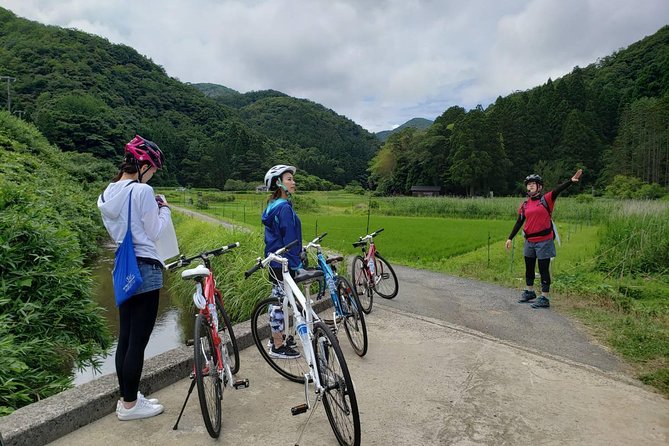
A bicycle lets you cover enough ground to see how the hot spring town connects with its countryside. You move from the traditional streets to open farmland, water, and coastal views without spending the whole day on transport. The pace is slow enough for the guide to point out plants, sky, water, and local details that can disappear when you are in a car.
I like this kind of outing because it gives you context without turning the morning into a formal lecture. The bike keeps the route active, while the guide explains why the area looks and feels the way it does. You are not simply collecting photographs of Kinosaki. You are seeing the town as a small community linked to rivers, farms, wetlands, mountains, and the sea.
The route is about 15 kilometers and takes roughly three hours. That works out to a relaxed pace rather than a race. Still, three hours on a bicycle is not effortless, so you should be comfortable with moderate physical activity before booking.
More Japanese Onsen Tours in Japan:
- From Osaka: Himeji Castle, Arima Onsen & Mt. Rokko Day Tour
★ 4.6 · 339 reviews - From Tokyo: Private Tour to Fuji/Hakone – Onsen, Art, Nature
★ 5.0 · 116 reviews - Mt. Fuji, Hakone Private Tour from Tokyo – Onsen, Arts and Nature
★ 5.0 · 79 reviews
Starting among Kinosaki’s hot spring streets
The meeting point is Koyado Enn, at 219 Yushima, Kinosakicho, Toyooka, Hyogo 669-6101. The ride begins in the street area of Kinosaki Onsen, where the town’s hot spring identity provides the first layer of the story.
The tour explains the legend of Kinosaki’s hot spring. That matters because the baths are not just a pleasant amenity here. They are tied to the town’s identity and to the way people have lived, worked, and welcomed visitors over time.
From this starting point, the guide can frame the rest of the ride. You begin in a compact hot spring town, then follow the river outward toward a much wider setting. That contrast is one of the best reasons to choose the cycling option. You get the recognizable Kinosaki atmosphere at the start, then see the less familiar spaces around it.
The tour also covers history recovered from an earthquake. The exact stops and displays are not specified, so you should not expect a fixed museum visit. Instead, think of this as local history explained in place, with the guide connecting the town’s past to what you see around you.
Following the river through everyday Japan
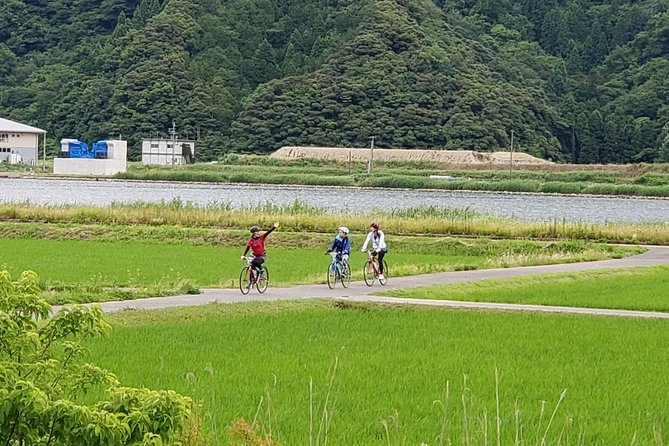
The course runs from Kinosaki Town along the river toward the Sea of Japan. The route is described as almost flat, which makes it less intimidating than a hilly countryside ride. You will still need to pedal for about 15 kilometers, but the slow pace and gentle terrain make this suitable for riders who want scenery rather than speed.
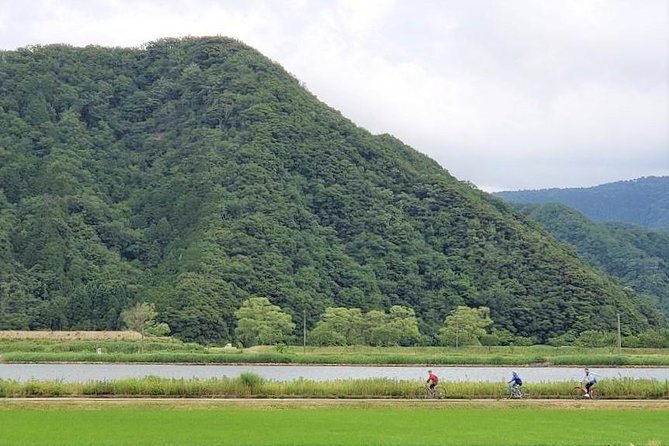
The river section is valuable because it shows daily life outside the main bathing streets. You pass through or near rice fields and the green edges of the town. The setting gives you a chance to notice the practical side of rural Japan: water, fields, open space, and the quiet transition between a tourist center and its surrounding communities.
The tour provider emphasizes seasonal plants and the sky, so the exact feel of the ride will change with the time of year. That is a good fit for people who enjoy looking closely rather than ticking off landmarks. You might find the route more rewarding if you let the guide set the pace and point out small features along the way.
The ride is also a useful choice if you want a break from tightly scheduled sightseeing. There is no long list of major attractions to rush through. Instead, the value comes from the movement between places and the explanations that make those places easier to understand.
Geopark stories beside the water
The tour introduces the San-in Coast Geopark and the wider idea of a geopark. In plain terms, this means the guide places Kinosaki within a story about the earth itself, not just local buildings and customs.
The route toward the coast gives that subject a natural setting. You are riding from inland hot spring country toward the Sea of Japan, seeing how water and land connect the area. The tour description also refers to the world heritage of topography, though it does not list specific geological formations or formal heritage sites along the route.
That limit is worth noting. If you want a detailed geology trip with named rock formations and technical explanations, this may feel light. If you want a clear introduction to why the region’s physical setting matters, the subject adds useful depth to a scenic ride.
I like that the route does not treat nature as decoration. The river, rice fields, wetland, and coast are part of the explanation of Kinosaki. The bicycle makes that connection easier to feel because you travel through the changing surroundings at ground level.
Rides that end at a hot spring around Japan:
- Bali: Mount Batur Quad Bike Tour and Natural Hot Springs
★ 4.7 · 210 reviews - ATV Quad Bike Adventure Tour Inc Hot Springs & Mud Pool (Departs Nadi)
★ 5.0 · 177 reviews - Helsinki: Bike or E-Bike Tour, BBQ, Sauna, Parks, and Forest
★ 4.8 · 71 reviews - Mount Batur: Black Lava Cycling Tour w/ Natural Hot Spring
★ 3.8 · 63 reviews
Wetlands, storks, and the road toward the Sea of Japan
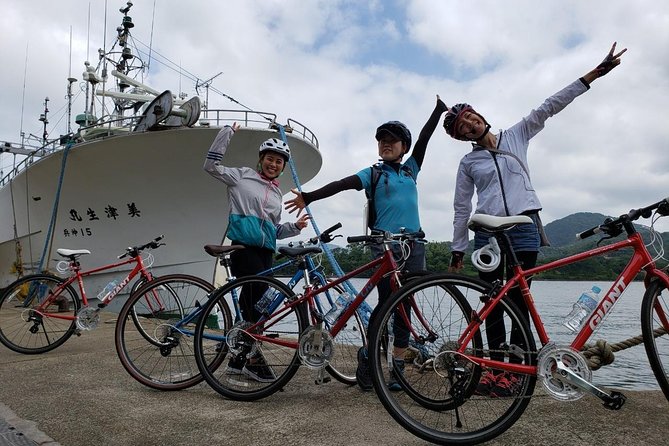
One of the more unusual subjects is the Ramsar Wetland. Ramsar sites are internationally important wetlands, especially for waterfowl, and this area is associated with storks. The Japanese stork is also described as a natural monument.
You should not book this expecting a guaranteed wildlife sighting. The available details do not promise that you will see storks, and nature never works on a timetable. The value is learning that the countryside around Kinosaki has importance beyond farming and scenery.
As you ride beside the river and through open areas, the wetland story gives you another way to read the surroundings. Water becomes part of the area’s ecology, not just something you pass on the way to the coast. For anyone interested in birds, plants, or conservation, this may be the most distinctive part of the tour.
The final coastal section is another strong point. The ride reaches a viewpoint where you can see part of the Sea of Japan. One direct account describes the view as a lovely reward after riding through town, along the river, and past rice fields. That sequence matters: the sea view is not an isolated lookout reached by car. You arrive after watching the setting change slowly under your own power.
The route is a round trip, so you return to the original meeting point. This keeps the logistics simple, especially if you have plans in Kinosaki afterward.
Traditional craft and the Siebold connection
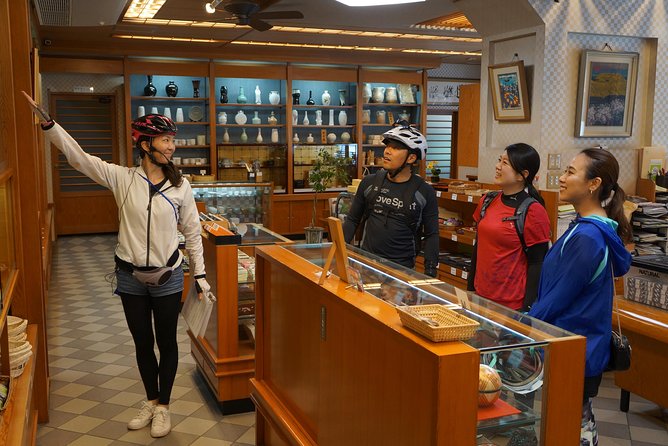
The tour also explains Kinosaki’s traditional craft and its connection with Siebold, who made a collection of the craft. The information provided does not specify the exact craft, collection, or building where you will see it, so you should treat this as a guide-led cultural subject rather than a promised museum stop.
That subject is still useful. Traditional objects can tell you how people in a small town used local materials, developed practical skills, and presented their culture to the outside world. The Siebold reference adds an international link to what might otherwise seem like a purely local story.
This is the sort of detail that can make a short cycling tour feel more substantial. You are not only passing through pretty countryside. You are learning how Kinosaki’s identity has been shaped by hot springs, natural conditions, craft, and contact with the wider world.
Three hours at a slow, manageable pace
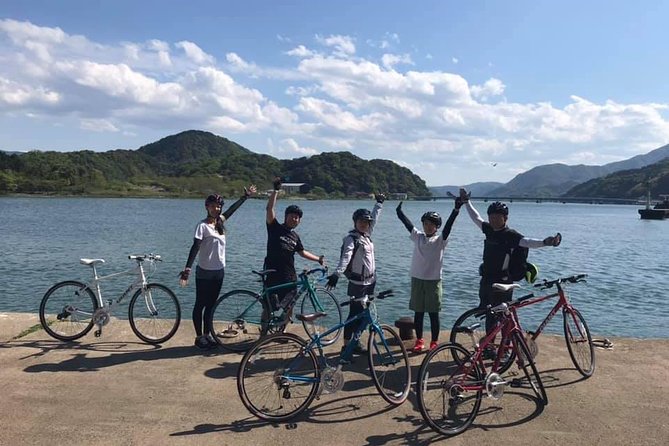
The tour lasts about three hours. That is long enough to reach the river and coast, but short enough to fit into a day in Kinosaki without taking over your entire schedule.
The slow pace is important. This is not a performance ride, and the route is not presented as a test of endurance. You have time to notice the countryside and listen to the guide. The mostly flat course also helps make the ride more approachable.
The minimum height is 140 centimeters, and a moderate level of physical fitness is required. The information does not specify the bicycle type, helmet arrangements, child seats, or support vehicle, so you should confirm those points directly if they matter to your booking.
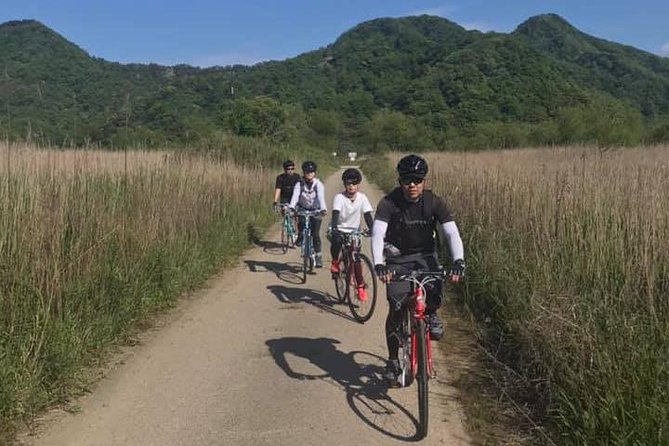
The group maximum is five people. That is a real advantage here. A small group is better suited to a guide who talks about seasonal plants, local stories, and small changes in the countryside. It also makes it easier to ask questions without holding up a large procession of riders.
Is the $110.76 price fair?
At about $110.76 per person, this is not the cheapest way to see Kinosaki. You are paying for a guided outing rather than simply renting a bicycle and following a map.
The value depends on what you want from the ride. If you only need a bike to reach the coast, the price may feel high. If you want someone to connect the hot spring legend, earthquake history, craft, geopark, wetland, storks, and coastal setting, the cost makes more sense.
The group limit also helps the value. With no more than five people, the tour has the feel of a personal local outing rather than a large group transfer on bicycles. Guide Natsuko is specifically noted for patience and an easy laugh, qualities that matter when the point is to ask questions and move at a comfortable speed.
The average booking time is 81 days in advance, so planning ahead is sensible. That does not guarantee that every date fills early, but it suggests you should not leave this until the last minute if the ride is important to your schedule.
Who should book this ride?
I would choose this tour if you have already seen the main streets of Kinosaki and want to understand the area around them. It also suits you if you prefer gentle outdoor activity, small groups, and local explanation over a packed sightseeing program.
It is a good match for riders who enjoy countryside, rivers, wetlands, birds, and broad coastal views. The route is also a sensible option for women who want a cycling experience without a steep or demanding course, since it is described as nearly flat and slow paced.
You may want to skip it if you dislike three-hour bike rides, need a fully accessible activity, or want a precise list of major stops. The available details do not promise a particular craft museum, stork sighting, or extended time at the sea viewpoint.
You should also keep the weather policy in mind. The ride requires good weather. If conditions are poor, you may be offered another date or a full refund. You can cancel for a full refund up to 24 hours before the start time, but cancellations or changes inside that window are not refunded or accepted.
My recommendation for Kinosaki
I would book this ride if you want Kinosaki to feel like a living town rather than only a hot spring stop. The strongest parts are the flat 15-kilometer route, the river and rice-field scenery, the small group, and the Sea of Japan viewpoint at the end of the outward ride.
The tour is especially worthwhile for curious cyclists who enjoy the details between famous sights. You get local history, traditional craft, geology, wetland ecology, and rural scenery in one compact outing.
Choose it with realistic expectations. This is a gentle guided ride, not a high-adrenaline cycling adventure or a formal museum tour. If that sounds right, the combination of movement, local stories, and open countryside offers one of the clearest ways to see what surrounds Kinosaki.
FAQ
Where does the Kinosaki Onsen cycling tour start?
The tour starts at Koyado Enn, 219 Yushima, Kinosakicho, Toyooka, Hyogo 669-6101.
Where does the tour end?
The ride returns to the original meeting point at Koyado Enn.
How long does the cycling tour take?
The tour lasts approximately three hours.
How far do you cycle?
The route covers about 15 kilometers.
Is the cycling route difficult?
The course is almost flat and progresses at a slow pace, but participants should have a moderate level of physical fitness.
Is there a minimum height requirement?
Yes. The activity is suitable for people who are 140 centimeters or taller.
How many people can join the tour?
The maximum group size is five people.
What happens if the weather is poor?
If the tour is canceled because of poor weather, you may be offered a different date or a full refund.
New places to soak around Japan
- Private Car Day Trip to the Kobe Mountains, Gardens and Hot Springs from Osaka★ 4.5 · 16 reviews
- Solaniwa Onsen: Osaka Bay Tower★ 5.0 · 4 reviews
- Kobe Night View Mt Rokko Kitano Ijinkan Arima Onsen Day Trip★ 5.0 · 5 reviews
- Osaka: Nara, Todaiji, Uji Matcha, and Hot Spring Tour★ 4.0 · 7 reviews
- Hot Spring Capital of Yufuin Rickshaw Tour★ 5.0 · 32 reviews
- Osaka River Rapids Hike and Natural Hot Spring tour★ 5.0 · 2 reviews
- Deluxe Private Tour: Hita, AOT Statues and Onsen from Fukuoka★ 5.0 · 4 reviews
- Personalized Private Guided Tour from Myoko Kogen★ 5.0 · 2 reviews
Japanese Onsen Tours: more water worth the trip.
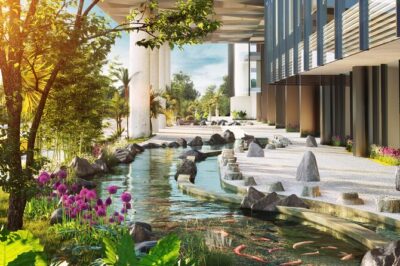
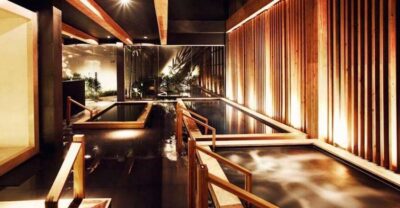
Bangkok: All-Day Pass to Yunomori Sathorn Onsen Bath and Spa
Read our review →
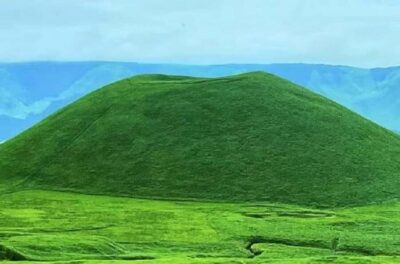
From Fukuoka: Mount Aso, Kurokawa Onsen, and Shrine Tour
Read our review →
Snow Monkey & Shibu Onsen Afternoon Tour (Depart: Iiyama & Nozwa)
Read our review →
Bangkok: Yunomori Sukhumvit Onsen Hot Springs Spa Pass
Read our review →Lists this soak appears on