Review · TOKYO
Private 2-Day Tour: Mt Fuji Hakone & Kamakura + Onsen Ryokan
The best part of this tour is how much ground you cover without changing hotels each night. In two days, you move from Mt. Fuji viewpoints and quiet shrines to Hakone’s volcanic valley, then finish with Kamakura’s Great Buddha. The overnight ryokan keeps the schedule from feeling like one long day trip.
I especially like the private vehicle, which gives you room to ask questions and adjust the pace, and the ryokan package with an onsen, kaiseki dinner, and Japanese breakfast. Keith, one of the named drivers, is described as helpful, attentive, and generous with time. The main drawback is simple: this is a packed two-day route, and traffic or poor Fuji visibility can affect how much you see.
The itinerary is ambitious. You get only about 30 to 45 minutes at several stops, and the second day includes Hakone, Odawara, Kamakura, Yokohama, and Tokyo. If you prefer long museum visits or slow meals, this may feel rushed. If you want a broad first look at the region with private transport, it offers a useful amount for the price.
Key points to know before booking
- A private Toyota Alphard or Hiace keeps the route flexible, with hotel or Airbnb pickup inside Tokyo’s 23 wards.
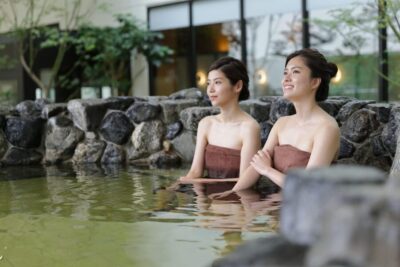
- The ryokan stay is the heart of the trip, including hot springs, a traditional dinner, and breakfast.
- You see Fuji from several angles, including Lake Kawaguchi, Arakura Sengen Shrine, Oshino Hakkai, and Hakone.
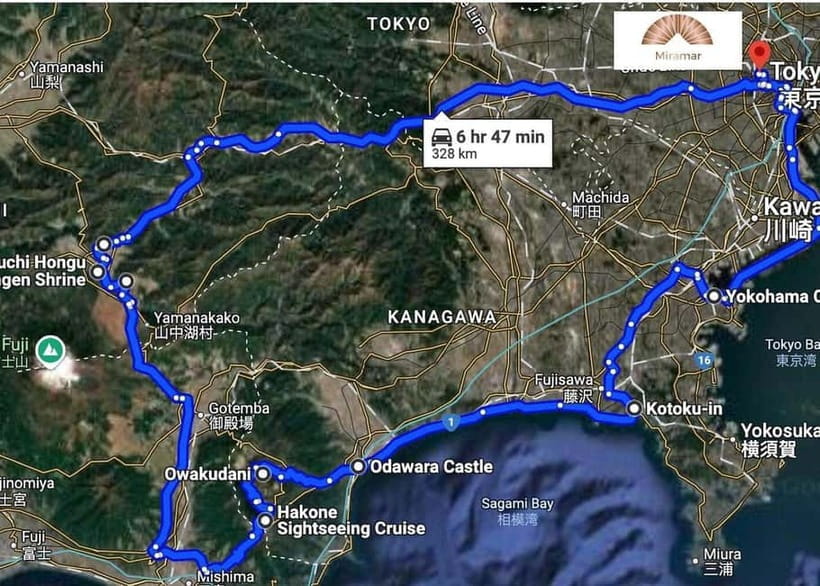
- The second day packs in major sights, from Lake Ashi and Owakudani to Odawara Castle and Kamakura’s Great Buddha.
- Houtou noodles provide a regional lunch, while lunch on day two is your responsibility.
- Weather and traffic matter, so Fuji views and the order of stops may change.
Why this two-day route works better than a single day trip
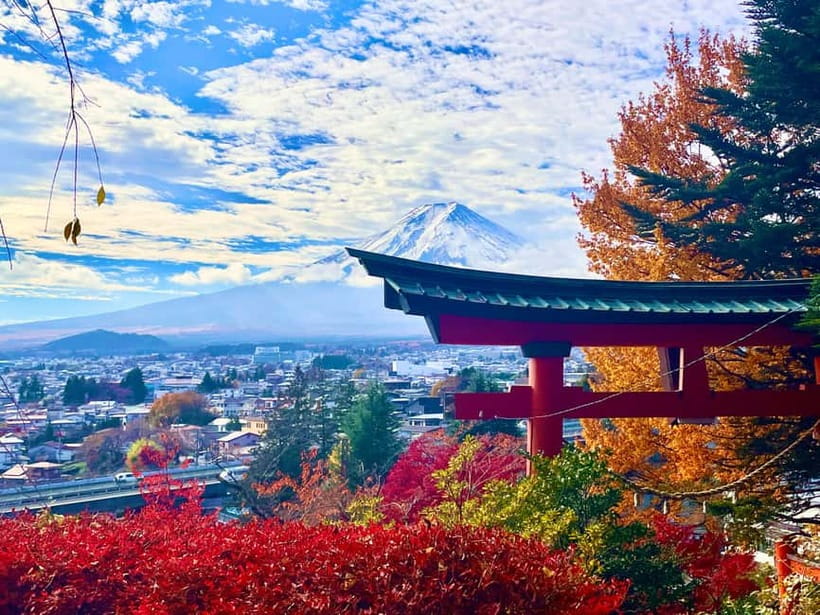
A day trip from Tokyo to Mt. Fuji and Hakone can become a race against traffic. This tour solves part of that problem by placing you in Hakone overnight. You are not forced to return to Tokyo after the first cluster of Fuji sights, and you get the chance to enjoy a Japanese inn rather than treating the area as a string of photo stops.
The route also gives you variety. Lake Kawaguchi offers open views and a gentle morning walk. Arakura Sengen Shrine provides the classic pagoda-and-Fuji picture. Oshino Hakkai adds spring water and a small traditional village setting. Hakone brings hot springs and volcanic scenery. Kamakura then shifts the mood to temple-town Japan and a famous bronze Buddha.
That variety is valuable if this is your first visit to the region. You will not see every corner of Mt. Fuji, Hakone, or Kamakura, but you will understand how different they feel from one another.
More Hot Spring Day Trips in Japan
- [Seasonal Limited] Mt. Fuji 5th Station &Hot Spring Day Tour
★ 4.5 · 53 reviews - Full Day Hiking Tour at Mt.Takao including Hot Spring
★ 5.0 · 52 reviews - Tokyo: Mt Fuji Lake Kawaguchi & Yamanaka Hot Spring Day Tour
★ 4.0 · 14 reviews
Private transport from Tokyo
Pickup and drop-off are included at hotels and Airbnbs inside Tokyo’s 23 wards. The vehicle is a Toyota Alphard or Hiace, both practical choices for a private group carrying luggage and day bags. Your driver speaks English or Chinese, and pickup details can be confirmed in advance if your address is unclear.
The real benefit is not luxury for its own sake. It is the time saved between sights and the ability to ask for a little more time at a stop when conditions allow. One named driver, Keith, has been particularly praised for answering questions, offering tips, and giving the group space to explore.
Do not expect a full professional guide at every attraction unless your booking specifically confirms that service. The supplied details describe a private English-speaking driver, so the amount of historical explanation may depend on the person driving. That arrangement suits people who want help with transport and practical context, but it may not satisfy you if you want long, formal lectures at each site.
Lake Kawaguchi and the first Fuji views
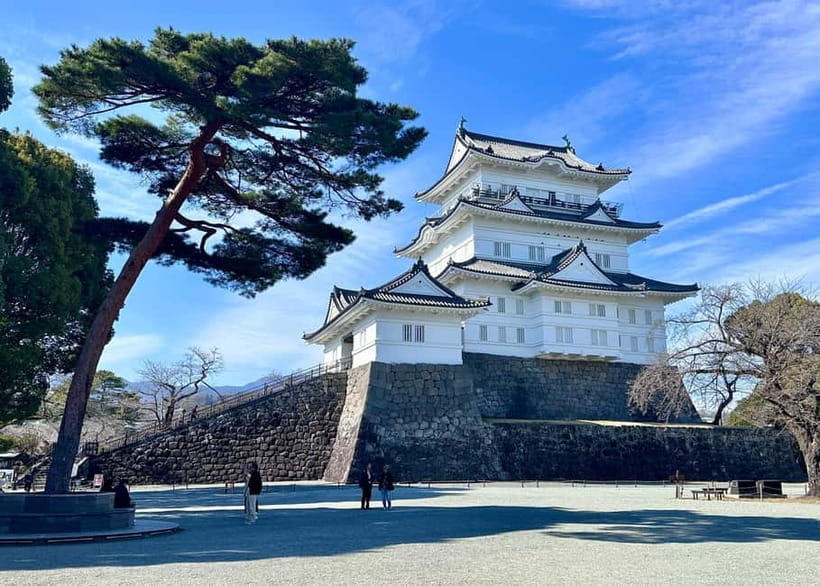
Your first major stop is Lake Kawaguchi, one of the most useful places for seeing Mt. Fuji from near water. The planned stop is about 30 minutes, although the day description also allows for a relaxing walk at Oishi Park. This is a good early chance to check visibility before the route moves on.
Fuji weather changes quickly. On a clear day, the mountain can dominate the view. On a cloudy day, you may get only a partial outline or no view at all. The tour can offer alternative scenic stops when visibility is poor, but no private tour can guarantee the mountain will appear.
Keep your camera ready, but do not spend the whole stop taking pictures. A short walk by the lake gives you a better feel for the setting than a quick dash from the van to the best photo point.
Arakura Sengen Shrine and the famous pagoda view
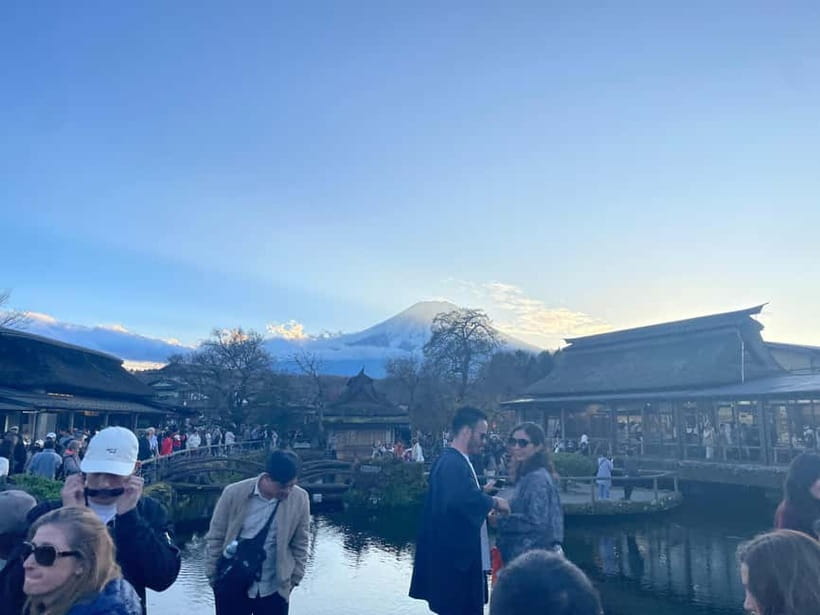
Arakura Fuji Sengen Shrine is one of the trip’s key photo stops. The five-story pagoda, with Fuji rising behind it, is one of Japan’s most recognizable views. You will have about an hour here for sightseeing and walking.
This is also one of the more physically demanding stops because the viewpoint involves an uphill walk and stairs. Comfortable walking shoes are important. The climb is part of the visit, so do not treat this as a roadside photo stop.
The image is famous for good reason, but the place is not only about getting the standard picture. The shrine grounds give you a moment of quiet and a sense of how religious sites and mountain worship overlap in this part of Japan. If Fuji is hidden, the pagoda still makes the stop worthwhile, though the main visual reward will be reduced.
More Japanese Onsen Tours in Tokyo:
- From Tokyo: Private Tour to Fuji/Hakone – Onsen, Art, Nature
★ 5.0 · 116 reviews - Mt. Fuji, Hakone Private Tour from Tokyo – Onsen, Arts and Nature
★ 5.0 · 79 reviews - From Tokyo: Private Motorcycle Tour – Fuji, Hakone, Onsen
★ 4.9 · 12 reviews - Tokyo: Private Morning Run with Sento Bath Experience
★ 5.0 · 9 reviews
Oshino Hakkai and the regional Houtou lunch
Oshino Hakkai, called Ushino Springs in the supplied tour description, is a natural area known for clear spring water and Fuji views. You have about an hour to walk, take pictures, and browse. The springs offer a calmer contrast to Arakura’s staircase and the busier photo focus of the pagoda.
The visit is paired with lunch in Yamanashi Prefecture. The included dish is Houtou, a thick regional noodle meal associated with the area. It is a practical choice for a cool day around the mountain, and it gives you a taste of local food instead of defaulting to a familiar Tokyo lunch.
You should know that this is not a long food-focused stop. Lunch is allotted about 50 minutes, so the emphasis is on keeping the route moving. Personal purchases beyond the included meals are not covered.
Kitakuchi Hongu Fuji Sengen Shrine
Kitakuchi Hongu Fuji Sengen Shrine is a different kind of Fuji stop. Rather than coming mainly for a famous postcard view, you visit a historically important shrine connected with pilgrimage routes to Mt. Fuji. The planned visit lasts about 30 minutes.
The short timing makes this a compact introduction rather than a full cultural visit. Still, it helps explain why Fuji has long been more than a mountain to photograph. The shrine setting gives the day a spiritual and historical thread before you move on to Hakone.
If you want to linger over architecture, read every detail, or spend time in quiet reflection, you may wish the stop were longer. The private format may help if the day is running smoothly, but the overall route has many scheduled points.
The Hakone ryokan, onsen, and kaiseki dinner
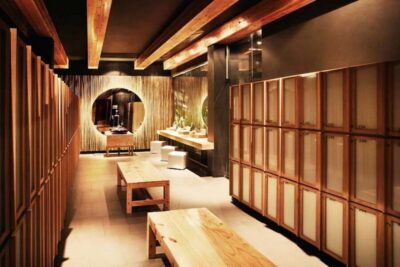
The overnight stay is the strongest reason to choose this tour instead of a standard day excursion. You check into a traditional Japanese ryokan in Hakone, relax in the hot spring, and have a multi-course kaiseki dinner. The stay is listed at Tōnosawa Ichinoyu Honkan.
A ryokan is not simply a hotel with Japanese decoration. The appeal is the rhythm of the stay: remove your shoes, slow down, soak in the onsen, and eat a meal built around seasonal ingredients and seafood. One review specifically describes the onsen as private, but you should confirm the exact bathing arrangement when booking if a private bath is essential to you.
The dinner is included, and the next morning brings a traditional breakfast with fish, rice, pickles, and miso soup. That makes the overnight portion a real cultural experience, not just a place to sleep between sightseeing days.
There are practical points to remember. Bring a change of clothes and warm layers, since conditions around Mt. Fuji and Hakone can be cooler than Tokyo. Onsen bathing also requires comfort with Japanese bathing customs, and smoking is not allowed indoors or in the vehicle.
Lake Ashi and Hakone’s volcanic valley
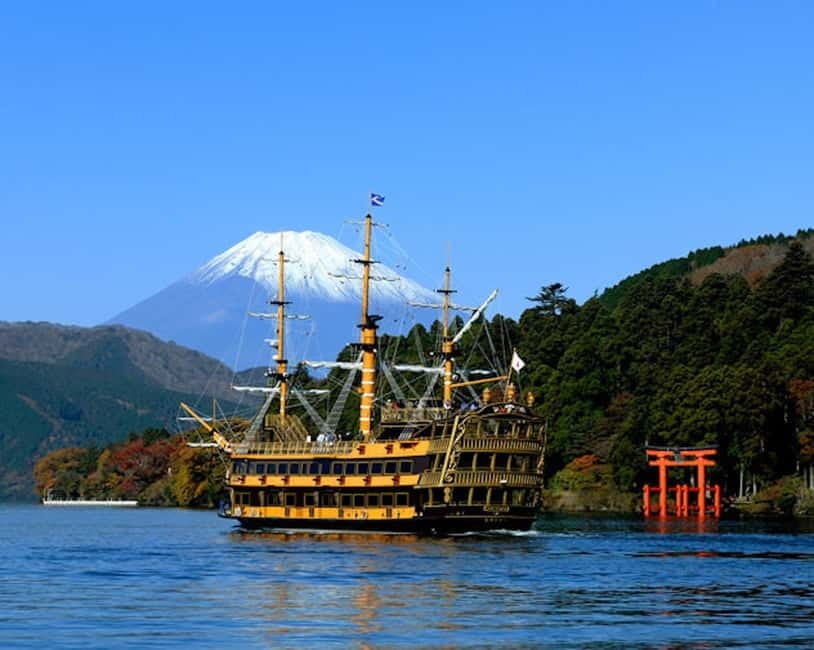
After breakfast, you take the Hakone Sightseeing Cruise on Lake Ashi. The boat departs at 9:30 AM and travels for about 45 minutes to Togendai Port. This is one of the few parts of the tour where you can sit back while the scenery moves around you.
On a clear day, the lake offers views toward Mt. Fuji and the surrounding hills. On a cloudy day, the boat ride remains scenic, but the mountain may disappear. Since the departure time is fixed, you should be ready promptly after breakfast.
From Togendai, the route continues to Owakudani, a volcanic valley shaped by hot springs and sulfur vents. You can walk through the area, see the steam and geological features, and try the well-known black eggs boiled in sulfuric hot springs. The stop lasts around 45 minutes.
Owakudani can have a strong sulfur smell, and conditions may affect access. The tour description allows changes for weather and traffic, and this matters here in particular. The valley is a good example of Hakone’s active volcanic character, but it is not a long hiking visit.
Odawara Castle and the move toward Kamakura
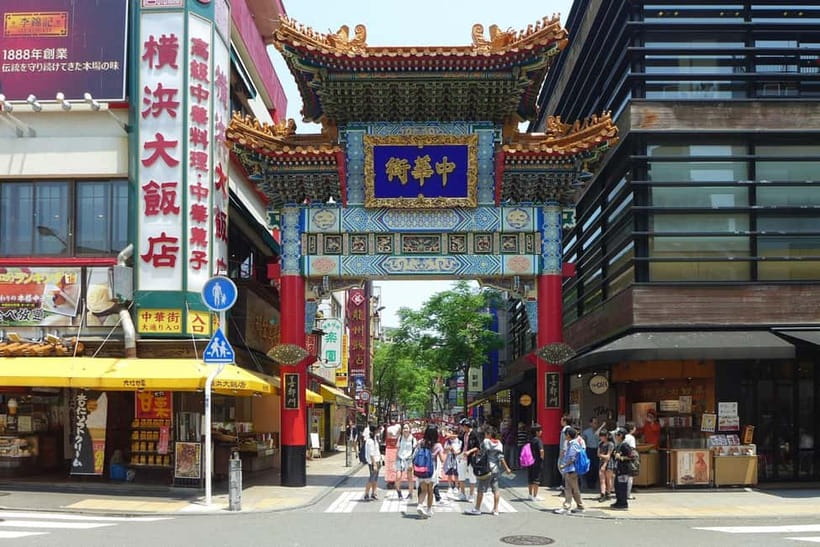
Odawara Castle gets about 45 minutes. You can walk around the grounds, visit the museum, and take in views from the castle. The stop gives the second day a samurai-era focus after the natural sights of Hakone.
Forty-five minutes is enough for a brisk visit, not a detailed study of every display. If you enjoy Japanese military history, you may want more time than the schedule allows. Still, the castle works well as a compact stop between Hakone and Kamakura.
The route then reaches Kamakura Daibutsu, the Great Buddha. The bronze statue is more than 13 meters tall and is one of Japan’s best-known landmarks. The planned visit is about 30 minutes, which should allow time to see the statue and take photographs, but not a slow exploration of all nearby sights.
Kamakura is best appreciated at an unhurried pace, so this is one point where the tour’s wide coverage comes with a tradeoff. You see the central attraction, but you do not get a full day in the old coastal town.
A possible Yokohama Chinatown stop
If time allows, the driver may make a quick stop in Yokohama Chinatown. The planned visit is about 30 minutes for a walk, shopping, or photographs. It is a pleasant extra, but it is not guaranteed because traffic and the earlier stops control the timing.
This flexibility is useful, but you should not book the tour mainly for Chinatown. Treat it as a bonus at the end of a long sightseeing day. The final drive returns you to Tokyo, with drop-off at your Ginza hotel or another central Tokyo location.
What the $838 price means
At $838 per person, this is not a budget excursion. The price needs to be judged against what is included: private transportation for two days, Tokyo pickup and drop-off, entrance fees, Houtou lunch, ryokan accommodation, onsen access, dinner, breakfast, and the Lake Ashi boat ride.
The strongest value comes if you are traveling as a small private group and want convenience. You avoid arranging separate trains, buses, taxis, hotel reservations, and meals across several places. You also get a private vehicle and an overnight stay rather than paying for a long return journey to Tokyo on day one.
The value is weaker if you are comfortable using public transport, want to choose a cheaper hotel, or plan to spend most of your time in just one area. Lunch on the second day is not included, and personal expenses are extra.
The operator allows you to reserve now and pay later, and the published activity terms offer a full refund for cancellation up to 24 hours in advance. The more detailed conditions also list stepped charges from seven days before check-in onward, ending in a full charge for same-day cancellation or no-show. Check the exact terms shown at booking, since the two cancellation statements should be clarified before you pay.
Who should book this private tour
I would recommend it to families, couples, and small groups who want Fuji, Hakone, and Kamakura in one carefully arranged trip. It is especially useful if you value a private vehicle, dislike changing trains with luggage, or want an English or Chinese-speaking driver on hand.
It also suits first-time visitors who want a broad introduction rather than a deep visit to one town. The ryokan stay adds something special and breaks up the sightseeing.
I would hesitate if you want a slow pace, long shrine visits, extensive castle museums, or a guaranteed view of Fuji. The route is full, and nature controls the best part of the scenery. You should also be comfortable with walking, stairs, weather changes, and a traditional onsen setting.
Should you book it?
Book this tour if the combination matters more to you than perfect depth: several Fuji viewpoints, Hakone hot springs, a traditional dinner, Odawara Castle, and Kamakura’s Great Buddha in two days. The private format and overnight ryokan make the schedule far more manageable than trying to force the same route into one day.
Skip it if your priority is saving money or spending a whole day in one place. For the right group, the $838 price buys time, transport, and a memorable Japanese inn experience, with the added benefit of a driver such as Keith who can answer questions and adjust the day when conditions permit.
FAQ
How long is the tour?
The experience lasts two days and includes one overnight stay at a traditional ryokan in Hakone.
Is transportation from Tokyo included?
Yes. Private pickup and drop-off are included for hotels and Airbnbs inside Tokyo’s 23 wards. The vehicle is a Toyota Alphard or Hiace.
What languages does the driver speak?
The driver service is available in English and Chinese.
Is the ryokan stay included?
Yes. The package includes an overnight stay at a traditional Japanese ryokan, an onsen experience, a traditional dinner, and breakfast.
Are both lunches included?
No. The first day includes Houtou, a traditional noodle dish from Yamanashi Prefecture. Lunch on the second day is not included.
Can the itinerary change because of weather?
Yes. The route may be adjusted because of weather, especially Mt. Fuji visibility, or traffic. Alternative scenic stops may be offered when conditions are poor.
Two-day hot spring trips around Tokyo
- Tokyo: 2-Day Mt. Fuji, Kamakura and Izu Hot Springs Tour
★ 3.3 · 3 reviews - 2-Day Tunisian Sahara Tour with Food & Stay from Hammamet
★ 4.5 · 80 reviews - Mount Rinjani Trekking 2D/1N Summit Sunrise & Sunset Views
★ 4.7 · 67 reviews - Mt. Batur: 2 Day Camping Trip, Summit Hike, and Hot Springs
★ 4.9 · 25 reviews
More Hot Spring Day Trips in Tokyo
- Mt. Fuji Skiing Experience- YETI Ski Resort & Onsen Day Trip
★ 4.2 · 8 reviews - Mount Fuji – Hakone & Onsen Full Day Private Tour
★ 3.8 · 6 reviews - Budapest: Full-Day Gellért Spa Ticket
★ 4.2 · 3,340 reviews - From Valencia: Full Day Tour to Montanejos & Thermal Pools
★ 4.7 · 2,452 reviews
New places to soak around Tokyo
- Tokyo: Private Morning Run with Sento Bath Experience★ 5.0 · 9 reviews
- Tokyo: Mt Takao Tour with Ramen and Tattoo-Okay Hot Spring★ 5.0 · 69 reviews
- Tokyo: Japanese Spa & Sento Experience with Local★ 5.0 · 2 reviews
- Tokyo: Mt Fuji Lake Kawaguchi & Yamanaka Hot Spring Day Tour★ 4.0 · 14 reviews
- Tokyo: 2-Day Mt. Fuji, Kamakura and Izu Hot Springs Tour★ 3.3 · 3 reviews
- [Seasonal Limited] Mt. Fuji 5th Station &Hot Spring Day Tour★ 4.5 · 53 reviews
- Onsen Spa in Tokyo and Asakusa Bar Hopping with Local Guide★ 5.0 · 3 reviews
- Mt. Fuji Skiing Experience- YETI Ski Resort & Onsen Day Trip★ 4.2 · 8 reviews
Japanese Onsen Tours: more water worth the trip.
Bangkok: All-Day Pass to Yunomori Sathorn Onsen Bath and Spa
Read our review →
From Fukuoka: Mount Aso, Kurokawa Onsen, and Shrine Tour
Read our review →
Snow Monkey & Shibu Onsen Afternoon Tour (Depart: Iiyama & Nozwa)
Read our review →