
Review · TOKYO
Tokyo: 2-Day Mt. Fuji, Kamakura and Izu Hot Springs Tour
Mount Fuji, black eggs at volcanic Owakudani, a lakeside cruise, an Izu hot spring, Enoshima, and Kamakura make this a very full two-day sampler of central Japan. I like the way it joins natural scenery with old Japan, and I like that your overnight stay includes an onsen and kaiseki dinner rather than sending you back to Tokyo after a long day.
The main concern is the pace and the uneven guiding. One guide named Wan earned warm praise for being kind, helpful, and an excellent driver, while another guide, Jason, struggled to explain the sights in English. Cloudy weather can also force major changes, so you should book this for breadth and convenience, not for a guaranteed view of Fuji or a fixed list of every stop.
Key points to know before booking
- Mt. Fuji access changes by season: From April 26 to November 30, the route goes to the fifth station. From December 1 to April 25, you visit Nishinomiya-yama Shinshu Park instead.
- The first day covers serious ground: Fuji, Owakudani, Lake Ashi, and Izu mean plenty of time in the vehicle.
- Your overnight stay is the tour’s relaxing center: Shuzenji Onsen includes a hot spring bath, kaiseki dinner, and breakfast.
- Cable cars and admission tickets cost extra: Lunch, drinks, admissions, and cable car fees are not included.
- Kamakura time may be limited: The route includes Enoden and Kamakura High School, but you should not assume a stop at the Great Buddha.
- Guide language matters: Chinese, English, and Japanese are offered, but the quality of explanations may vary by assigned guide.
A big two-day sweep from Tokyo
At $295 per person, this tour is priced as a transport-heavy overnight trip rather than a slow cultural visit. You are paying for an air-conditioned vehicle, a driver and guide, designated pickup and drop-off, one hotel night, onsen access, meals at the hotel, and the Enoshima Electric Railway fare.
That can be good value if you want to connect places that are awkward to combine by public transport in only two days. You would otherwise need to coordinate several trains, regional buses, hotel arrangements, and timing around Fuji and Hakone. The tradeoff is simple: you save planning time but give up some control.
This is not a small walking tour. Road conditions, weather, and the size of the group can change the timing. You may spend long stretches seated, and one report found the vehicle basic and uncomfortable for the amount of driving. Bring water, keep your day bag small, and think carefully about luggage. Each person is limited to one piece, and you should tell the operator in advance if you have an infant or extra baggage.
Two-day hot spring trips around Tokyo:
- Private 2-Day Tour: Mt Fuji Hakone & Kamakura + Onsen Ryokan
★ 5.0 · 3 reviews - 2-Day Tunisian Sahara Tour with Food & Stay from Hammamet
★ 4.5 · 80 reviews - Mount Rinjani Trekking 2D/1N Summit Sunrise & Sunset Views
★ 4.7 · 67 reviews
Mt. Fuji from the fifth station
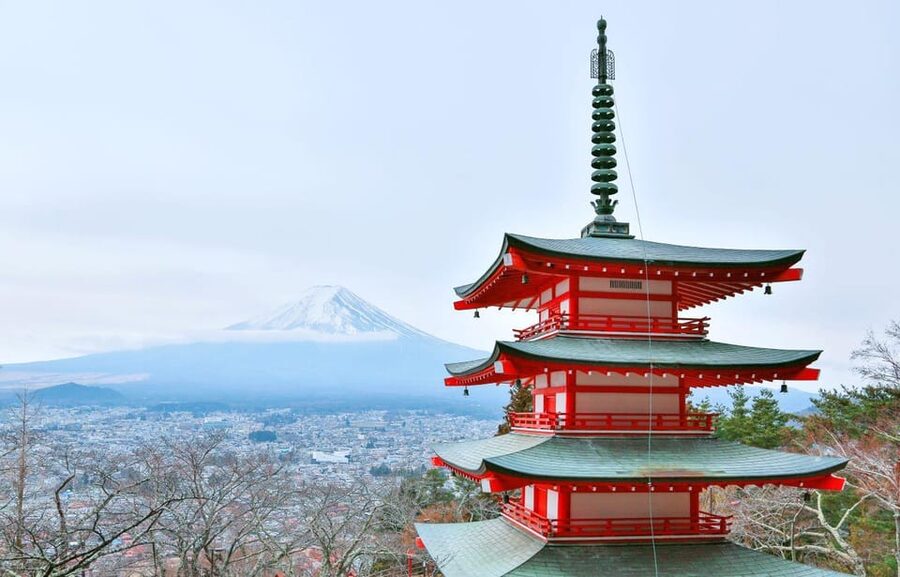
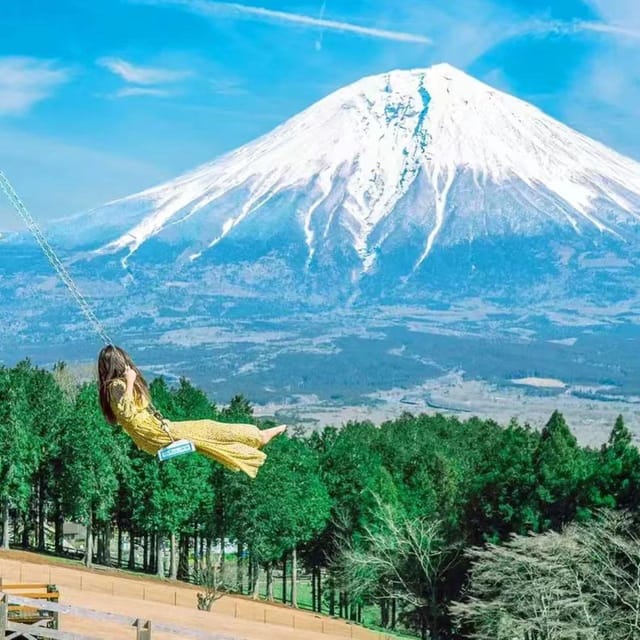
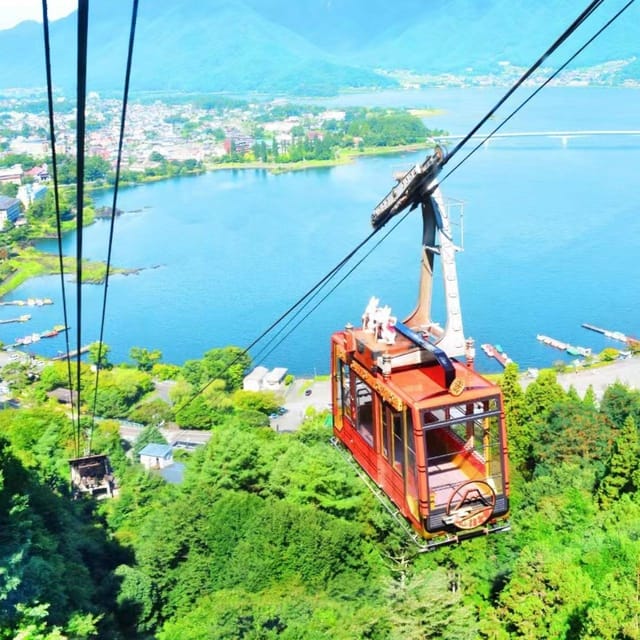
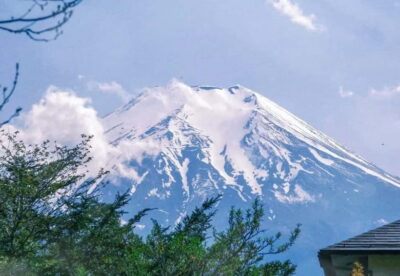
The tour’s headline stop is Mount Fuji, Japan’s great volcanic symbol. From April 26 through November 30, you travel up to the fifth station, a high viewing area on the mountain where the air, slopes, and outlook can feel very different from Tokyo.
The fifth station is not the summit. You are visiting a mountain access point with views, not climbing Fuji. That distinction matters if you are picturing a serious hike. The real reward here is the chance to see the mountain from close range and look across the surrounding country when the sky is clear.
Fuji is famously shy. Clouds can cover the peak, and the route may be changed because of weather or road conditions. If seeing the cone is the main reason you are booking, this uncertainty should be part of your decision. The tour gives you a practical chance, not a promise.
From December 1 through April 25, the itinerary switches to Nishinomiya-yama Shinshu Park. This provides views and seasonal scenery, but it is a different experience from reaching the fifth station. Check the dates carefully before paying, especially if your picture of the tour centers on being high on Mount Fuji.
Owakudani’s sulfur vents and black eggs
In Hakone, Owakudani gives you a much more active volcanic setting. The valley formed after Mount Hakone erupted more than 3,000 years ago, and sulfur vents still send fumes through the area. The smell can be strong, but that is part of the point. This is not a manicured garden pretending to be wild.
You can buy eggs boiled in the hot spring water. Their shells turn black through a chemical reaction with the spring water, making them one of the area’s most recognizable snacks. Admission purchases are separate, so carry some money for food and small extras.
Owakudani is also weather-sensitive. The operator may change the route if conditions are poor. One important caution: cable car fees are not included, and a cable car ride may not be offered if the schedule or conditions do not allow it. Do not book this tour assuming that a particular aerial ride is guaranteed.
Lake Ashi and the Hakone pause
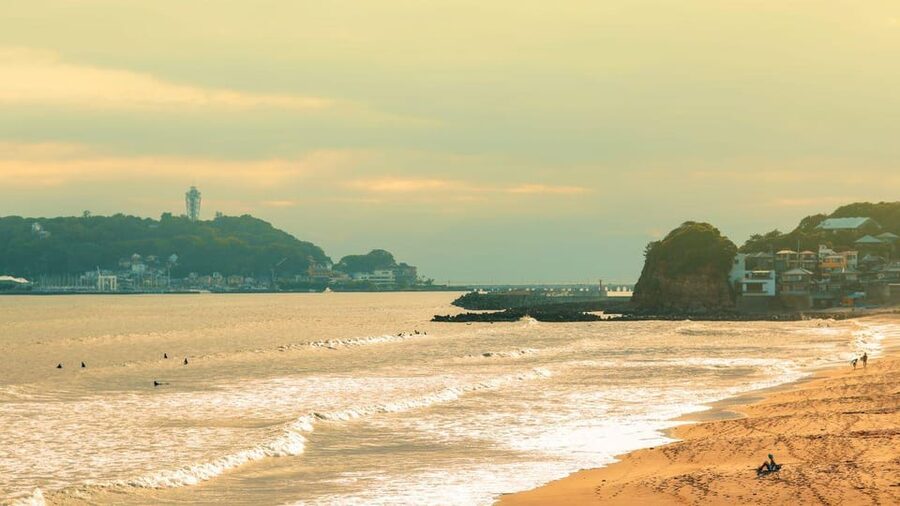
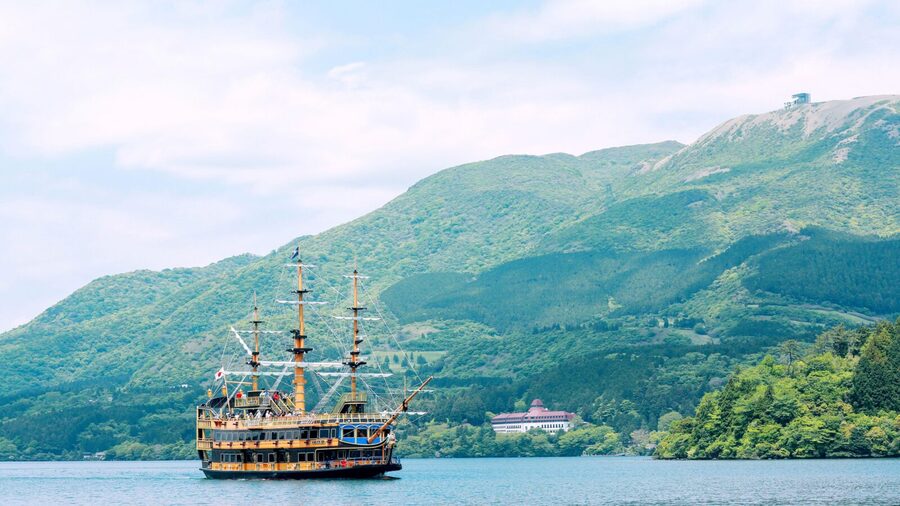
Lake Ashi fills the caldera left by Mount Hakone’s eruption. Its mountain setting gives the day a calmer turn after Owakudani’s steam and sulfur. The tour describes a cruise on the lake, but the exact timing and activity can shift with conditions and the group’s schedule.
I like this pairing because the two stops show different sides of Hakone. Owakudani is hot, smoky, and geological. Lake Ashi is quiet and open. If Fuji is hidden, the lake and volcanic valley still give you worthwhile scenery, though cloudy weather can affect both.
Keep your expectations practical. This is a sightseeing stop within a packed day, not a long lakeside stay. You will have to follow the group’s timing, and any admissions or optional transport that are not included will come from your own pocket.
More places to soak around Tokyo:
- From Tokyo: Private Tour to Fuji/Hakone – Onsen, Art, Nature
★ 5.0 · 116 reviews - Mt. Fuji, Hakone Private Tour from Tokyo – Onsen, Arts and Nature
★ 5.0 · 79 reviews - Tokyo: Mt Takao Tour with Ramen and Tattoo-Okay Hot Spring
★ 5.0 · 69 reviews - [Seasonal Limited] Mt. Fuji 5th Station &Hot Spring Day Tour
★ 4.5 · 53 reviews
Shuzenji Onsen and the value of staying overnight
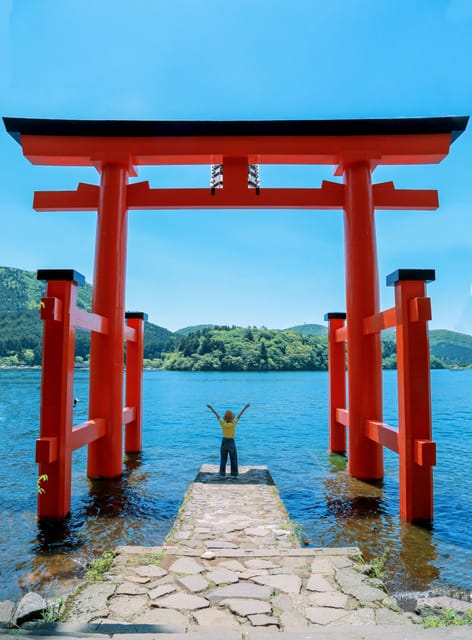
The best feature of the first day is the move to Shuzenji Onsen in Izu. Instead of returning to Tokyo after Fuji and Hakone, you finish at a hot spring hotel. A soak gives your legs and shoulders a break after the road time, and it adds a distinctly Japanese part to the trip.
Dinner is a kaiseki meal built around local flavors. One report praised the dinner, and that makes sense as the evening’s main cultural experience. Kaiseki is not simply a large plate of food. It is a formal meal served in stages, with attention to seasonal ingredients and presentation.
The hotel itself may be basic rather than luxurious. One account found the room and onsen acceptable but not special, while breakfast received a poor assessment. Breakfast arrangements can also change with group size: a small group receives a set Japanese-style meal, while a larger group receives a buffet.
Room arrangements matter. Rooms hold two to four people, and a solo occupant must pay a single supplement. If you are traveling alone, confirm that extra charge before booking. For couples or friends sharing, the overnight stay makes the $295 price easier to justify.
Shuzenji Onsen Street in the morning
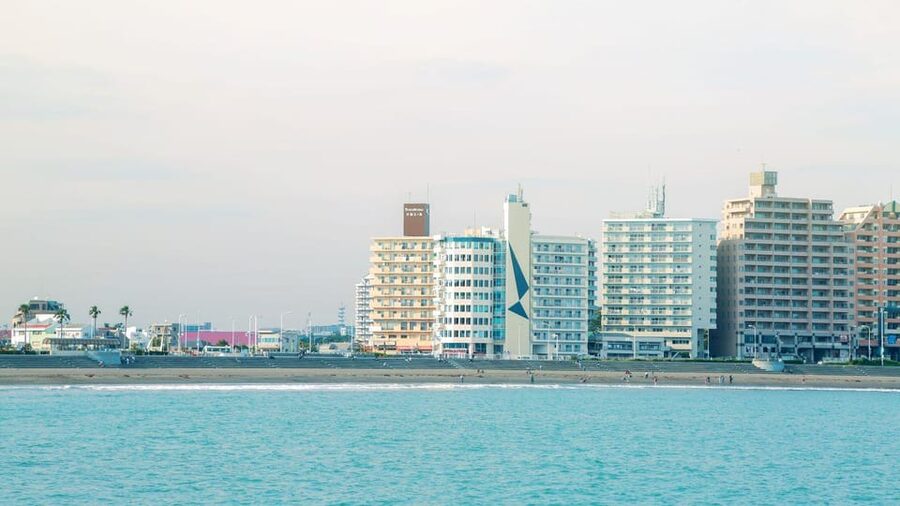
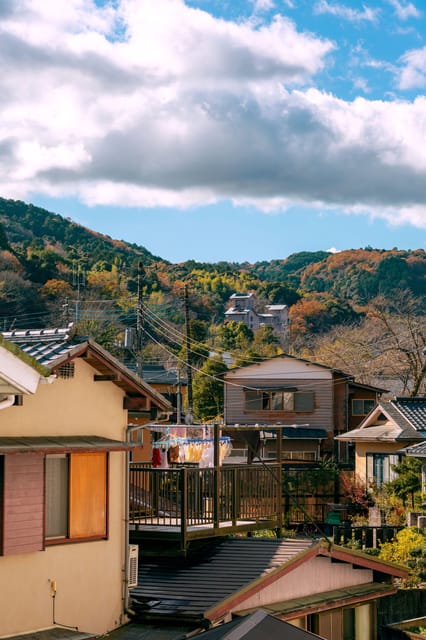
The second day starts with a walk along Shuzenji Onsen Street, described as Michelin two-starred. The morning is meant for a slower look at the old hot spring town after the intensity of the first day.
This is a useful contrast. You are not only seeing famous viewpoints from a vehicle. You get time to walk, notice the traditional setting, and begin the day at a gentler pace. Still, the word leisurely should be taken in context. You have several more stops ahead and will need to stay with the group schedule.
The itinerary does not promise a long independent visit or a detailed guided walk. If you want extended time in Shuzenji, this tour may feel too compressed. If you mainly want a short taste of an onsen town before continuing, it fits well.
Mount Omuro and the route toward the coast
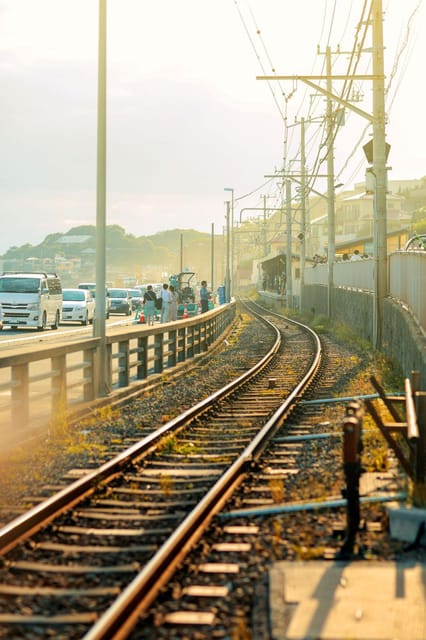
Next comes Mount Omuro, a distinctive rounded peak near Izu. The plan includes a hike and broad views, with lunch on your own. The activity description also refers to scaling the peak, but the exact access and timing are not fully fixed in the information provided.
Plan for lunch rather than hoping it will appear as part of the package. Lunch and drinks are not included, so you will need to pay separately. This is also a good place to keep your schedule in mind. A scenic stop can be less enjoyable when you are hungry and unsure how much time remains.
Mount Omuro extends the trip beyond the Fuji and Hakone circuit. You get another look at the region’s volcanic origins, then shift toward the coast and the historic towns around Tokyo Bay. It is a worthwhile addition for anyone who wants more than the usual one-day Fuji outing, though it also adds to the day’s travel load.
Enoshima’s coast and the Sea Candle
Enoshima Island brings a coastal change of mood. It is known for sea views and the Enoshima Sea Candle, a landmark that makes an easy photo subject. The island is a pleasant place to stretch your legs after the drive from Izu.
The tour gives you the Enoshima Electric Railway fare, which is a practical inclusion. The fare is small compared with the hotel and transport, but it removes one simple payment from a busy day. Other admission tickets are not included, so do not assume that every attraction on the island is covered.
Your time here may be shorter than you want. The route still has Kamakura ahead, and the group must eventually return to Tokyo. Think of Enoshima as a focused stop for the island setting and Sea Candle, not a full island exploration.
Kamakura, Enoden, and a famous school crossing
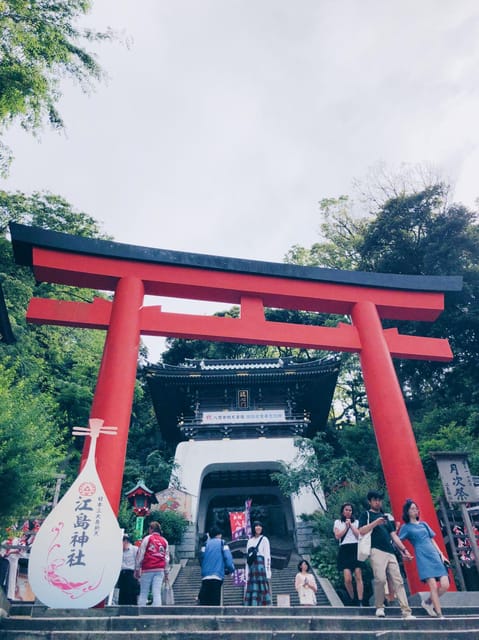
Kamakura is the final major stop, and it gives the tour its strongest dose of historic Japan. The town is known for temples, Zen gardens, a beach, and old streets. The itinerary includes a ride on the historic Enoden train and a visit to Kamakura High School, made famous through anime and manga.
For fans of Japanese pop culture, the high school stop can be the most personal moment of the day. It connects a real coastal place with scenes familiar from screen and page. The Enoden ride adds another local touch, giving you a short trip on a railway that feels tied to the town rather than simply being a transfer.
Do not assume that the Great Buddha is included. One account specifically noted that there was no stop in Kamakura to see it, despite the town’s many famous sights. The stated route emphasizes Enoden, the high school, and a general Kamakura visit, so ask for the exact stops before departure if the Buddha is essential to you.
This is also where guide quality matters most. A strong guide can explain why Kamakura matters, connect its temples and Zen traditions to the town today, and help you use limited time well. A guide with weak English or little explanation can leave you simply looking at places without understanding them. The experience can be conducted in Chinese, English, or Japanese, but the actual level of commentary depends on the person assigned.
Guiding, weather, and the real risks
The most encouraging report came from a guide named Wan, described as an excellent driver who was kind, helpful, and friendly. That kind of support is valuable on a long road trip, especially when the route changes or the group needs help.
The less reassuring experience involved Jason, who was polite but struggled with English and provided little explanation. Another account described a Chinese-speaking driver who gave no explanation even after the route changed. These are not minor details. You are booking a guided trip partly to understand the volcanoes, hot springs, railways, and historic towns.
Weather can also reshape the day. Cloud may hide Fuji, roads may affect timing, and planned sites can be replaced. One report described several deviations, including no Kamakura stop and no offered cable car. You should treat the itinerary as a planned route with room for adjustment, not a fixed contract for every attraction.
The tour needs at least two people to operate. If that minimum is not reached, an alternate date or full refund is discussed. Room availability can also force a date change or cancellation, especially because two-day departures need fresh confirmation of hotel space.
Who should book this two-day tour
I would choose this tour if you want many major sights with one overnight booking. It suits a first visit to Japan when you have limited time and want to see Fuji, Hakone, Izu, Enoshima, and Kamakura without building the route yourself.
It also suits couples and friends who value the onsen and included dinner. The hotel stay breaks up the journey, and the hot spring gives the trip a real regional flavor that a simple day tour cannot provide.
I would hesitate if your priorities are detailed history, generous free time, or guaranteed English commentary. I would also think twice if you dislike long drives, basic accommodation, or changing plans. A one-day tour may be easier if you want only Fuji and Hakone, while independent travel may suit you better if Kamakura’s Great Buddha or specific temples are nonnegotiable.
The free cancellation window is up to 24 hours before departure, and you can reserve now and pay later. Those terms help if your Japan schedule is still shifting, but they do not remove the need to confirm the meeting point, start time, room arrangement, and guide language before departure.
FAQ
How long is the tour?
The experience lasts two days and returns to the original meeting point in Tokyo after the second day.
What languages are available?
The tour offers live guides in Chinese, English, and Japanese.
Is Mount Fuji’s fifth station visited all year?
No. The fifth station is scheduled from April 26 to November 30. From December 1 to April 25, the route changes to Nishinomiya-yama Shinshu Park.
Is accommodation included?
Yes. One night at an Izu Shuzenji Onsen hotel is included, along with onsen access and meals.
Is the kaiseki dinner included?
Yes. The overnight package includes a kaiseki dinner. Breakfast is also included, with either a set Japanese-style meal or a buffet depending on group size.
Are lunch and drinks included?
No. Lunch and drinks are not included, so you should budget separately for food during the tour.
Are cable car rides and admission tickets included?
No. Admission tickets and cable car fees are not included. A cable car ride may also be affected by weather, road conditions, or the day’s schedule.
Is the Enoden train fare included?
Yes. The Enoshima Electric Railway fare is included.
Can I cancel for a full refund?
You can cancel up to 24 hours in advance for a full refund. The tour also offers reserve now and pay later booking.
Should you book it?
Book this if you want a broad, convenient taste of Fuji, Hakone, Izu, Enoshima, and Kamakura, and you are comfortable with a busy schedule and flexible routing. The onsen stay, included dinner, and Enoden ride add real value to the $295 price.
Skip it if you need a guaranteed Fuji view, a polished hotel, a specific Kamakura sight, or consistently detailed guiding. Before paying, confirm the assigned language, exact pickup point, room setup, and current stops. With realistic expectations, this can be an efficient two-day sampler. With rigid expectations, the changes and long drives may wear thin.
New places to soak around Tokyo
- Tokyo: Private Morning Run with Sento Bath Experience★ 5.0 · 9 reviews
- Tokyo: Mt Takao Tour with Ramen and Tattoo-Okay Hot Spring★ 5.0 · 69 reviews
- Tokyo: Japanese Spa & Sento Experience with Local★ 5.0 · 2 reviews
- Tokyo: Mt Fuji Lake Kawaguchi & Yamanaka Hot Spring Day Tour★ 4.0 · 14 reviews
- [Seasonal Limited] Mt. Fuji 5th Station &Hot Spring Day Tour★ 4.5 · 53 reviews
- Private 2-Day Tour: Mt Fuji Hakone & Kamakura + Onsen Ryokan★ 5.0 · 3 reviews
- Onsen Spa in Tokyo and Asakusa Bar Hopping with Local Guide★ 5.0 · 3 reviews
- Mt. Fuji Skiing Experience- YETI Ski Resort & Onsen Day Trip★ 4.2 · 8 reviews
Japan Hot Springs: more water worth the trip.
From Fukuoka: Mount Aso, Kurokawa Onsen, and Shrine Tour
Read our review →
Tokyo: Mt Takao Tour with Ramen and Tattoo-Okay Hot Spring
Read our review →
Snow Monkey & Shibu Onsen Afternoon Tour (Depart: Iiyama & Nozwa)
Read our review →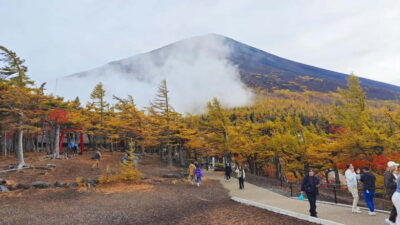
[Seasonal Limited] Mt. Fuji 5th Station &Hot Spring Day Tour
Read our review →
Full Day Hiking Tour at Mt.Takao including Hot Spring
Read our review →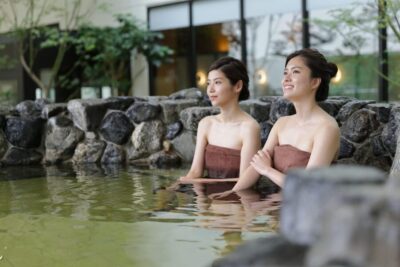
Lists this soak appears on