
Review · TOKYO
From Tokyo: Private Motorcycle Tour – Fuji, Hakone, Onsen
The best part of this day is the change of pace: you leave Tokyo’s traffic behind and reach open mountain roads where Mount Fuji, Lake Ashi, shrines, and forested hills become the scenery outside your visor. You ride with a private guide, not in a large convoy, so the day can match your skills and interests.
I like the flexible route and the chance to finish with a traditional onsen. Guides such as Elie and Evan have helped riders with bike arrangements, pacing, shrine etiquette, and rest stops. The main drawback is the first stretch: getting out of Tokyo can take about 90 minutes, and a hot day in a motorcycle jacket can feel like hard work.
Key points to know before booking
- Tokyo pickup is included: You can be collected from a hotel, Airbnb, or train station within Tokyo’s 23 wards.
- The day is built around riding: Expect scenic mountain roads, but also city traffic at the start and end.
- The guide adjusts the plan: You can favor riding, viewpoints, shrines, museums, food, or extra onsen time.
- Onsen access is practical: The included hot spring stops are tattoo friendly, and a private bath may be reserved for about 13,000 JPY for two hours.
- The group stays small: The maximum is six participants, with English, French, Japanese, and German guide support.
- Budget for extras: Food, museum and attraction entry, parking, and motorcycle rental costs are not included.
Why this Fuji and Hakone ride feels different
Most Tokyo day trips to Mount Fuji keep you inside a car or bus. This one puts you on the road itself. You feel the change from dense city streets to sweeping bends and mountain air, though you also pay for that freedom with exposure to weather, traffic, and road fatigue.
The private format matters. If you are a confident rider, you can spend more time on the curves. If you are newer to motorcycles, the guide can slow the pace and plan breaks. One rider who described herself as new to riding found the hydration stops especially useful in the summer heat.
You can ride your own rented motorcycle, or arrange to be a passenger. When two people wanted to ride as passengers, the operator brought a second guide and motorcycle so each passenger had a driver. That kind of arrangement needs to be settled in advance, but it shows why this tour works better for couples and small groups than a fixed coach excursion.
The tour has a 4.9 rating from 12 reviews, with particular praise for safety, communication, route planning, and the guides’ care. I would still treat the rating as a useful signal rather than a promise. Weather can hide Fuji, Tokyo traffic can eat into the riding time, and the full route includes more stops than most people will comfortably enjoy in one day.
More Japanese Onsen Tours in Tokyo:
- From Tokyo: Private Tour to Fuji/Hakone – Onsen, Art, Nature
★ 5.0 · 116 reviews - Mt. Fuji, Hakone Private Tour from Tokyo – Onsen, Arts and Nature
★ 5.0 · 79 reviews - Tokyo: Private Morning Run with Sento Bath Experience
★ 5.0 · 9 reviews
Leaving Tokyo takes patience
Pickup is available at any hotel, Airbnb, or train station within Tokyo’s 23 wards. You provide the location when booking, and pickup elsewhere may cost extra. The tour lasts 10 hours, but not all of those hours are spent on mountain roads.
The first scooter or motorcycle section is listed at about 1.5 hours. In practice, expect city streets and traffic before the scenery improves. A rider reported that the trip out of Tokyo took about 90 minutes, calling the traffic difficult but the ride worthwhile once the group reached the open roads.
That early stretch is a real consideration. If you want instant access to mountain bends, this may frustrate you. If you see the departure as part of the day and want door-to-door service, hotel pickup is a major convenience.
The guide provides a helmet and gloves. Jackets were also supplied in one arrangement described by a rider, but the included equipment specifically lists helmets and gloves, so ask what clothing is available for your booking. Fuel and tolls are covered, which removes two annoying costs from the day.
Mount Fuji viewpoints and the road itself
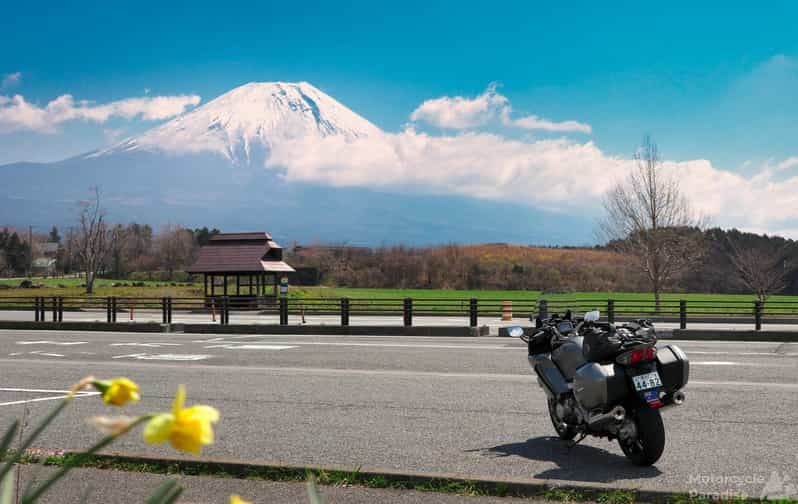
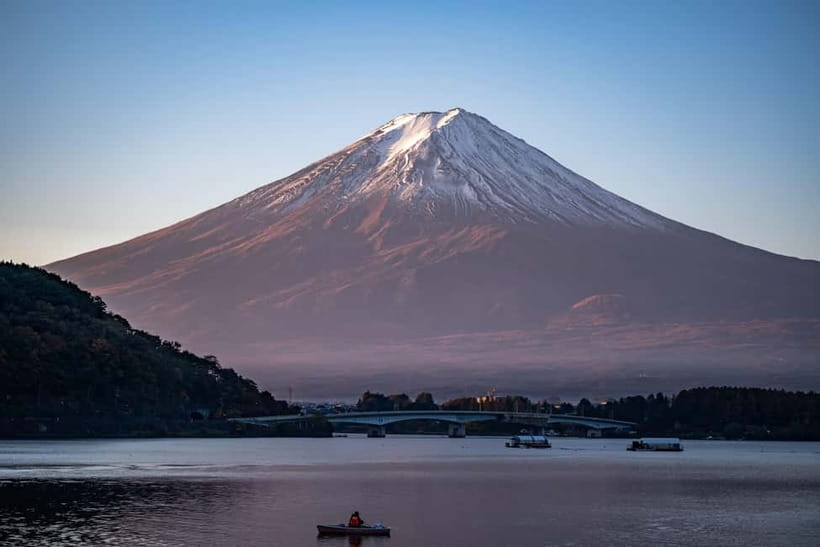
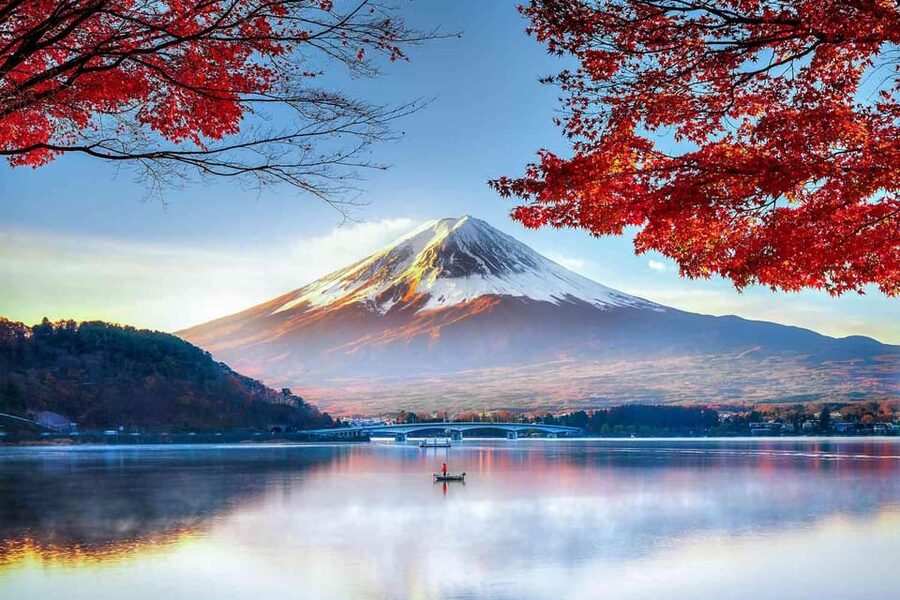
The Fuji section is not just a photo stop. The pleasure comes from reaching the viewpoints by motorcycle, with the scenery changing as you gain altitude and leave the urban area behind. The scheduled Fuji sightseeing stop is about 20 minutes, while a broader viewpoint stop lasts about an hour.
Weather controls the reward. One couple had a spectacular ride but could not see Mount Fuji because clouds blocked it. That is normal for the region and worth accepting before you book. The tour still has lakes, roads, shrines, and mountain stops, so a hidden Fuji does not erase the day, but you should not choose this only for a guaranteed postcard photograph.
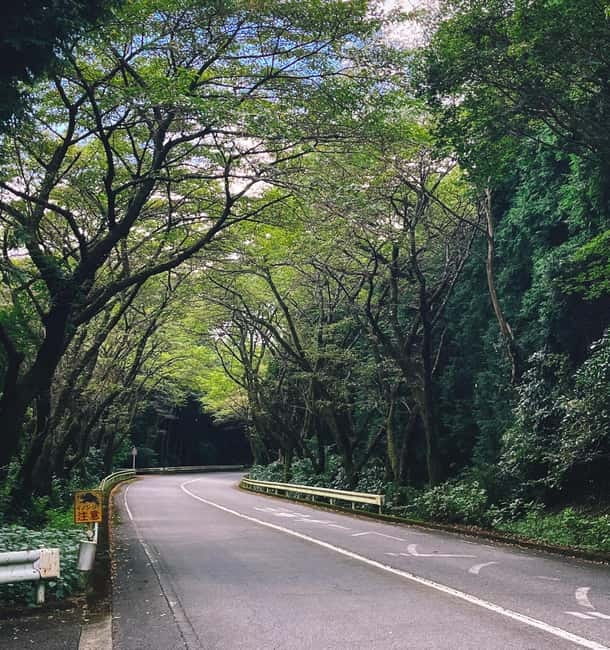
The routes around Fuji and Hakone are the heart of the experience. Riders praised clean pavement, smooth curves, and quiet mountain roads. You get much more contact with the setting than you would through a bus window, and the guide can point out places you might otherwise pass.
Breaks are important here. Stretching, coffee, water, and shade are not wasted time after hours in a riding position. In July and August, heat can build quickly under motorcycle clothing, so take the pauses seriously and carry the attitude that comfort is part of the tour, not an interruption.
Lake Ashi and Hakone Shrine
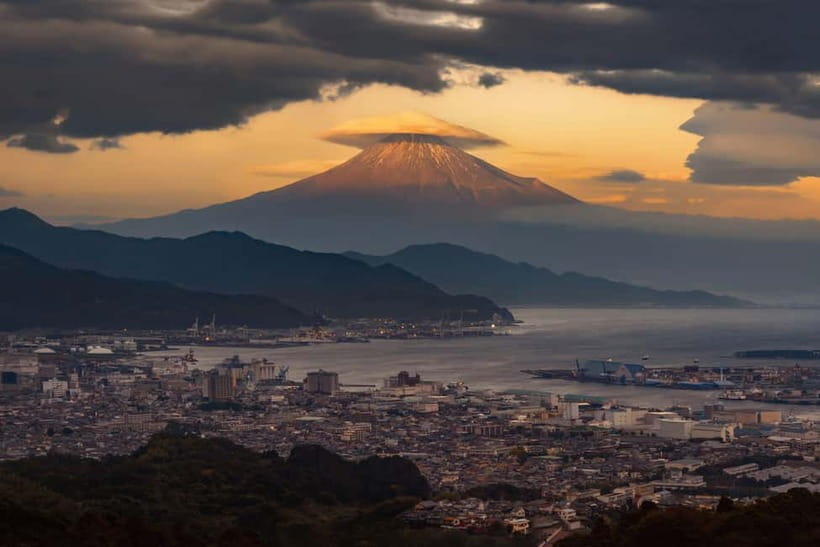
Lake Ashi receives about an hour. The lake gives you a calmer stop after the active road sections, with time for views and a change of pace. The exact experience depends on weather and the day’s timing, but the lake is one of Hakone’s defining sights and works well as a scenic pause.
Hakone Shrine receives another hour. Its wooded setting and traditional details give the day cultural weight, rather than making it only a motorcycle outing. Your guide can explain shrine customs and how to approach the site respectfully. That help is useful if you are unfamiliar with Japanese religious spaces.
I like this part of the plan because the stops are not all variations of the same viewpoint. You get a lake, a shrine, mountain roads, and later a hot spring. The drawback is time. If you stop for every planned attraction, you may feel rushed or spend less time riding than you hoped.
A private guide solves some of that problem. You can skip the shrine for extra road time, linger longer at the lake, or keep the cultural stops and shorten the museum visits. Tell the guide early what matters most to you.
More places to soak around Tokyo:
- Tokyo: Mt Takao Tour with Ramen and Tattoo-Okay Hot Spring
★ 5.0 · 69 reviews - [Seasonal Limited] Mt. Fuji 5th Station &Hot Spring Day Tour
★ 4.5 · 53 reviews - Full Day Hiking Tour at Mt.Takao including Hot Spring
★ 5.0 · 52 reviews - Tokyo: Mt Fuji Lake Kawaguchi & Yamanaka Hot Spring Day Tour
★ 4.0 · 14 reviews
Tenzan Onsen brings the day down a gear
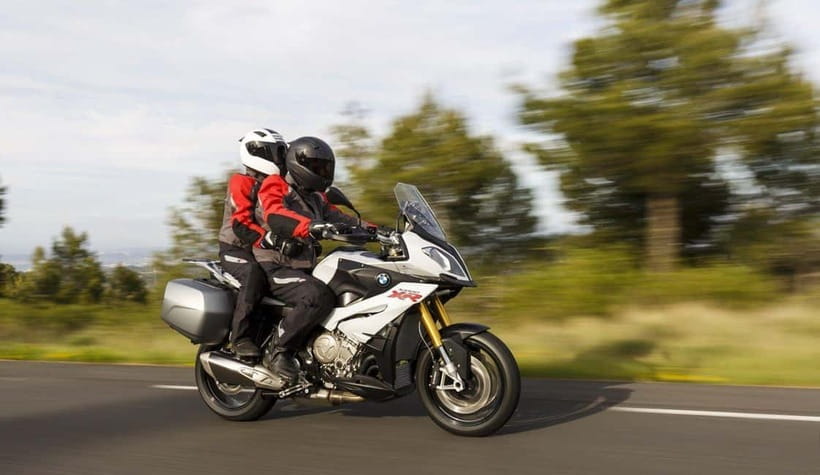
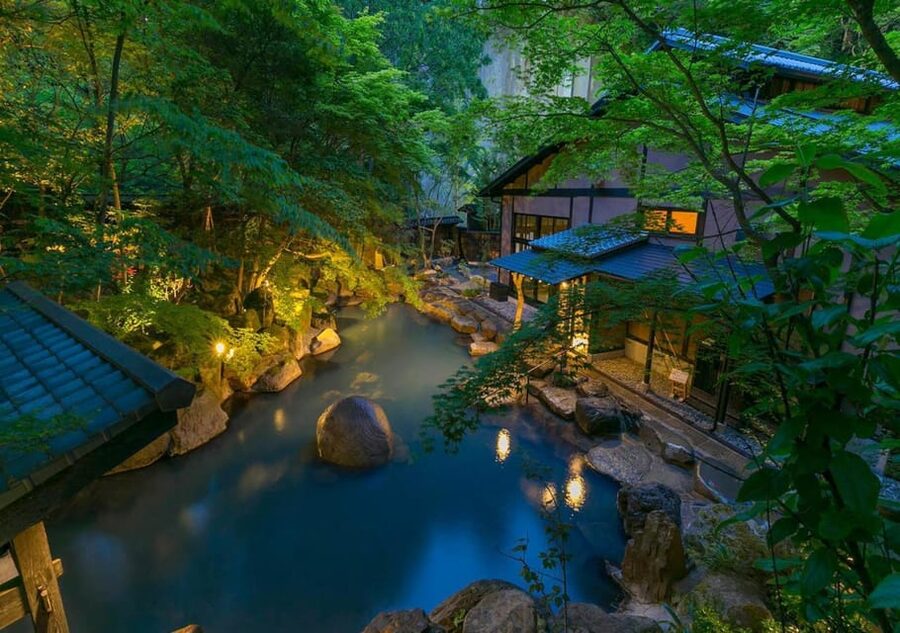
Tenzan Onsen is scheduled for lunch and a separate hour of free time. This is where the tour shifts from motion to recovery. You can have Japanese food, then soak in a traditional hot spring before getting back on the motorcycle.
The onsen stops are tattoo friendly, which removes a common concern for many international visitors. You can also request a private bath for about 13,000 JPY for two hours, subject to availability. That fee is separate, and the private option is especially worth considering if you are uneasy about communal bathing or want more privacy.
Follow the guide’s instructions for onsen etiquette. One rider appreciated the explanation of how to approach the bath, and that guidance can make the process much less awkward. Bring cash or confirm payment arrangements in advance, since cash was specifically needed at the onsen in one account.
The hour listed for lunch and the hour listed for the onsen may not feel generous if you want an unhurried soak. Another rider thought the onsen pause was a little long, while a different couple deliberately skipped museums to spend more time there. This is a good example of why the private format matters: ask for the balance you prefer.
Shakushi Pass and the optional museum stretch
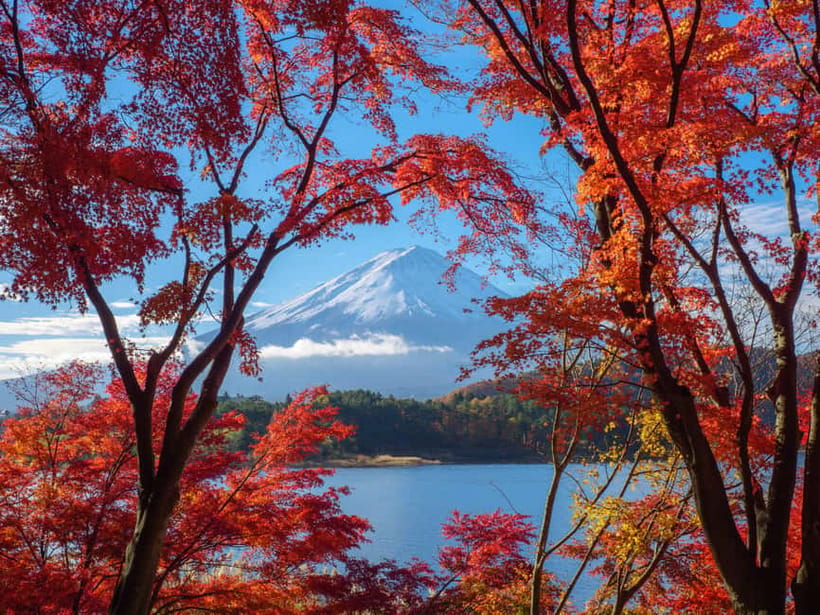
Shakushi Pass receives about an hour for sightseeing. It adds another mountain setting and keeps the day connected to the road. For riders, this may be one of the more satisfying parts because the pass is part of the journey, not just a stop beside a bus parking area.
The listed afternoon museums are the Hakone Open-Air Museum for about two hours and the Pola Museum of Art for about 1.5 hours. These are substantial visits, not quick photo stops. If you care about art, the museums give the day a different kind of interest and offer a break from riding.
If motorcycles are your main reason for booking, you probably should not expect to complete every stop in full. One couple chose to skip the museums and spend more time at the onsen. That was a sensible trade for their priorities, and you can make the same choice.
The return motorcycle section is listed at about two hours. Depending on traffic, breaks, and the selected route, this can be a long final stretch after a full day. The guide may take you back across the Rainbow Bridge, adding a memorable Tokyo finish, but you should still be ready for city riding and tired muscles.
The guide makes or breaks the experience
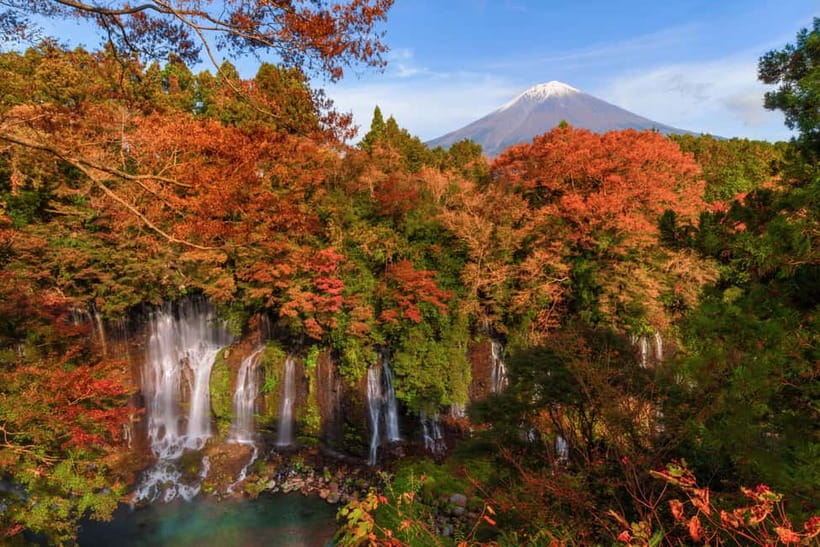
The strongest part of this tour is the personal guidance. Elie helped riders arrange local motorcycle rentals, explained the need for an international driving permit, and communicated the practical details before departure. He also adjusted routes for different riding abilities and explained shrine customs.
Evan received similar praise for careful riding, clear guidance, cultural information, stretching breaks, and a well-timed lunch. You should confirm your guide when booking if a particular person matters to you, since availability can change.
Guides speak English, French, Japanese, and German. The group limit is six, but the motorcycle setup may vary depending on how many people are riding and how many are passengers. Ask exactly how many bikes and guides will be used for your party.
Safety is not a minor detail here. You are riding on public roads, and a private guide cannot remove traffic or weather risk. The useful signs are the guide’s attention to pace, planned rest stops, supplied protective equipment, and willingness to adapt the route.
Price, inclusions, and the real value
At $548 per person, this is an expensive day trip. You are paying for a 10-hour private or small-group experience, Tokyo pickup and drop-off within the 23 wards, guide service, fuel, tolls, a motorcycle, helmet, gloves, and a route that would be difficult to arrange on your own.
The value improves if you want several things at once: motorcycle riding, Fuji and Hakone scenery, cultural stops, a hot spring, and a guide who handles the route. Booking separate transportation, bike rental, road planning, and an onsen visit could take much of your day and still leave you without local riding advice.
Read the inclusions carefully. Food and drinks, parking, entry tickets, and motorcycle rental costs are not included. The wording also notes an exception for motorcycle rental, so ask before paying if your price includes the bike itself or only the private guide’s motorcycle arrangement.
The onsen private bath costs about 13,000 JPY for two hours if available. Add that, meals, admission fees, and any rental charge to your working budget. You can reserve now and pay later, and cancellation is free up to 24 hours before departure, which gives you some protection if the forecast looks poor.
Who should book this motorcycle tour
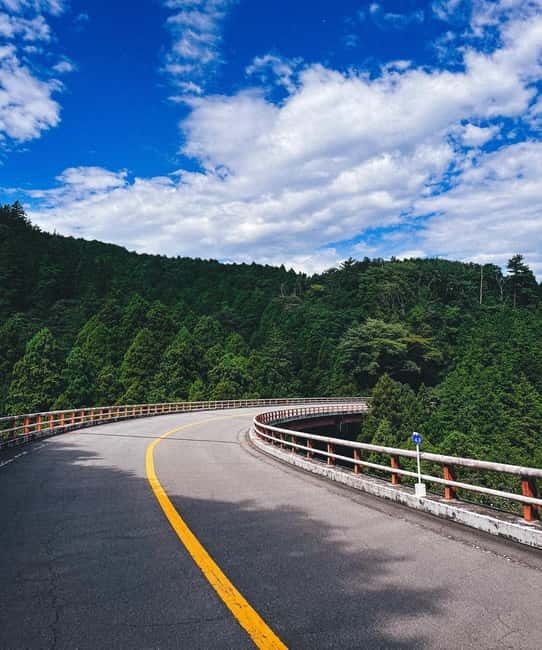
I would recommend it most strongly to riders who see the road as the main attraction. You will get the most from the experience if you enjoy curves, changing scenery, and a full day that mixes riding with short cultural stops.
It also suits a couple or small group that wants a private plan. Passenger arrangements are possible, and the guide can make the pace less demanding for a newer rider. The tour is not limited to expert motorcyclists, but you should be honest about your ability and comfort in Tokyo traffic.
It is less suitable if you want a relaxed sightseeing day with no physical effort. Ten hours on a motorcycle can be tiring, especially in hot weather. It is also not the best pick if seeing Mount Fuji clearly is your only goal, since clouds may block the mountain.
You should also decide how much variety you want. The full plan includes viewpoints, Fuji, Lake Ashi, Hakone Shrine, an onsen, Shakushi Pass, and two museums. That is a lot. Ask the guide to protect the parts you care about most rather than trying to collect every stop.
Should you book it?
Book this tour if you want to experience Fuji and Hakone from the road instead of from a tour bus. The private guide, flexible route, tattoo-friendly onsen, and strong attention to safety make it a good fit for riders who want both freedom and support.
Think twice if the $548 price stretches your budget, if you dislike city traffic, or if a long day in motorcycle gear sounds unpleasant. For a committed rider, though, the combination of mountain roads, shrine culture, Japanese food, and a hot spring is hard to reproduce on your own in one day.
FAQ
How long does the tour last?
The tour duration is 10 hours. The exact starting time depends on availability.
Where can pickup take place?
Pickup is available from any hotel, Airbnb, or train station within Tokyo’s 23 wards. Pickup outside those areas may involve an additional surcharge.
Is the tour private?
The experience is private, with a small-group limit of six participants. The route can be adjusted to suit your interests and riding ability.
Which languages are available?
Guide support is available in English, French, Japanese, and German.
Is a motorcycle included?
A private motorcycle is included in the listed inclusions, but motorcycle rental costs are listed separately as not included. Confirm the exact bike arrangement before booking.
Are helmets and gloves provided?
Yes. A motorcycle helmet and gloves are included.
Are fuel and tolls included?
Yes. Fuel and tolls are included. Parking fees are not included.
Can people join as motorcycle passengers?
Yes. Passenger arrangements can be made. For one booking with two passengers, the operator arranged a second guide and motorcycle.
Are the onsens tattoo friendly?
Yes. The onsens visited on this experience are tattoo friendly.
Can I reserve a private onsen bath?
A private bath can be requested for about 13,000 JPY for two hours, subject to availability.
Is food included?
No. Food and drinks are not included, although the route allows time for Japanese cuisine at the onsen stop.
Are museum entry fees included?
No. Entry fees are not included. The route can include the Hakone Open-Air Museum and the Pola Museum of Art, depending on the plan for your day.
Can I cancel the booking?
You can cancel up to 24 hours in advance for a full refund.
Do I need to pay when booking?
The reserve-now, pay-later option allows you to book without paying immediately.
New places to soak around Tokyo
- Tokyo: Private Morning Run with Sento Bath Experience★ 5.0 · 9 reviews
- Tokyo: Mt Takao Tour with Ramen and Tattoo-Okay Hot Spring★ 5.0 · 69 reviews
- Tokyo: Japanese Spa & Sento Experience with Local★ 5.0 · 2 reviews
- Tokyo: Mt Fuji Lake Kawaguchi & Yamanaka Hot Spring Day Tour★ 4.0 · 14 reviews
- Tokyo: 2-Day Mt. Fuji, Kamakura and Izu Hot Springs Tour★ 3.3 · 3 reviews
- [Seasonal Limited] Mt. Fuji 5th Station &Hot Spring Day Tour★ 4.5 · 53 reviews
- Private 2-Day Tour: Mt Fuji Hakone & Kamakura + Onsen Ryokan★ 5.0 · 3 reviews
- Onsen Spa in Tokyo and Asakusa Bar Hopping with Local Guide★ 5.0 · 3 reviews
Japanese Onsen Tours: more water worth the trip.
Bangkok: All-Day Pass to Yunomori Sathorn Onsen Bath and Spa
Read our review →
From Fukuoka: Mount Aso, Kurokawa Onsen, and Shrine Tour
Read our review →
Snow Monkey & Shibu Onsen Afternoon Tour (Depart: Iiyama & Nozwa)
Read our review →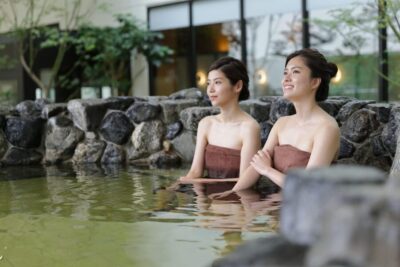
Bangkok: Yunomori Sukhumvit Onsen Hot Springs Spa Pass
Read our review →Lists this soak appears on