
Review · JAPAN
Kobe: Arima Onsen Culinary Stroll & Food Tasting Tour
Arima Onsen is best understood one bite at a time. This two-hour tour leads you from the station through narrow lanes and wooden storefronts, stopping at two local eateries while your guide explains how food developed alongside the hot spring trade. You may taste craft beer, takoyaki, karaage, or a regional dish.
I like the small private-group format, which lets you ask questions and get help ordering without holding up a large crowd. I also like that the two ¥1500 food allowances are built in, so the price covers a useful part of the eating rather than just the walking. The main drawback is the short schedule: two hours gives you a good introduction, but not a full meal crawl.
Key points at a glance
- Two food stops with ¥1500 included at each: Try different local specialties without paying separately for the basic tastings.
- A guide-led walk through Arima Onsen: Learn how merchants, pilgrims, bathers, and food sellers shaped the town.
- Several possible food styles: Stops may include Arima Brewery, SABOR, Takoyaki Shaleo, a karaage shop, or another local favorite.
- A private group in English or Japanese: You can ask about ingredients, ordering, and what else to eat after the tour.
- A compact two-hour introduction: The tour fits well into a day trip from Kobe or a short stay in Arima.
- Comfortable shoes matter: The route includes walking through narrow streets and the hot spring district.
Why Food Is the Right Way Into Arima Onsen
Arima Onsen has long been a place where people come to rest, bathe, and spend time away from home. That sort of town needs food that can serve different moods: a quick snack between baths, a drink shared after a walk, or something warm and filling after a day on the road.
This tour uses that connection between bathing and eating as its main theme. You are not simply taken from restaurant to restaurant. You walk through the town as your guide explains how hospitality, local commerce, and hot spring visits have grown together.
I find that approach more useful than a food tour based only on a list of dishes. You learn why a small shop matters, how a street fits into the town, and why certain foods make sense in a place built around short visits and long stays.
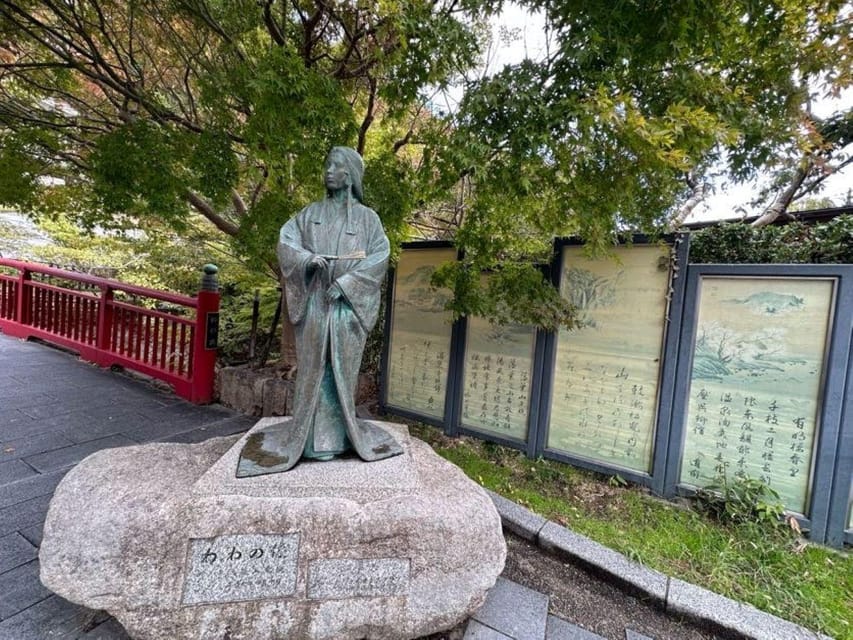
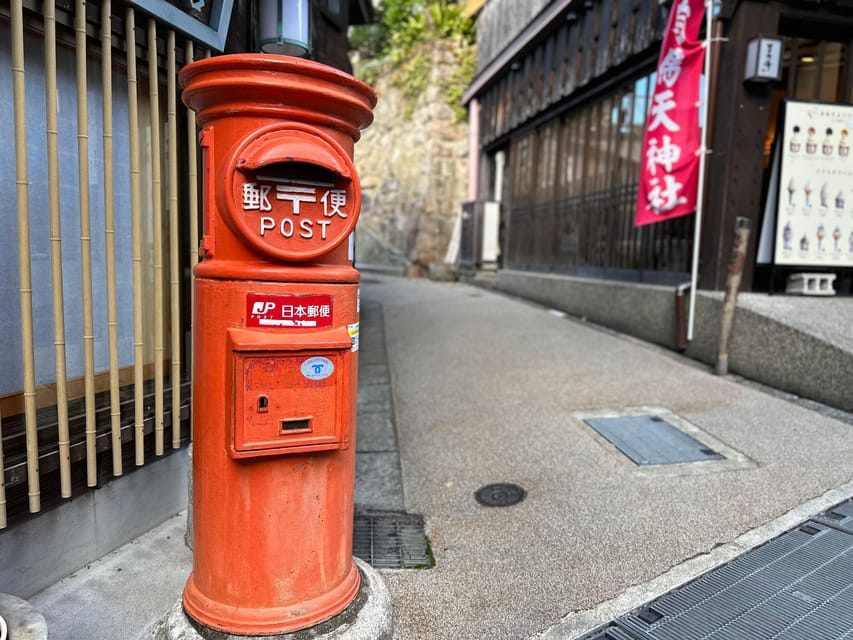
The setting helps. Arima’s central streets have wooden façades, stone-paved sections, and compact family-run shops. The route does not try to turn the town into a museum. Instead, it shows you the everyday side of a hot spring community that has welcomed visitors for more than a thousand years.
More Japanese Onsen Tours in Japan:
- From Osaka: Himeji Castle, Arima Onsen & Mt. Rokko Day Tour
★ 4.6 · 339 reviews - From Tokyo: Private Tour to Fuji/Hakone – Onsen, Art, Nature
★ 5.0 · 116 reviews - Mt. Fuji, Hakone Private Tour from Tokyo – Onsen, Arts and Nature
★ 5.0 · 79 reviews
Meeting at Arima Onsen Station
Your meeting point is in front of the ticket gate at Arima Onsen Station. Look for a guide holding a yellow sign with the DeepExperience logo. This is a simple arrangement, but it matters in a small town where several lanes can look alike once you leave the station.
The tour is offered with a live guide in English or Japanese, and the group is private. That gives you a better chance to ask about ingredients, local customs, or places to eat later. It also means the walking pace can be more personal than on a large shared tour.
You should arrive ready to walk. Comfortable shoes are specifically recommended, and that advice is worth taking seriously. The experience moves through narrow streets and the hot spring area rather than staying at one indoor venue.
Transportation to the station is not included. You will need to arrange your own way to Arima Onsen Station before the tour begins, so allow enough time to arrive at the ticket gate without rushing.
The Opening Walk and Bakery Stop
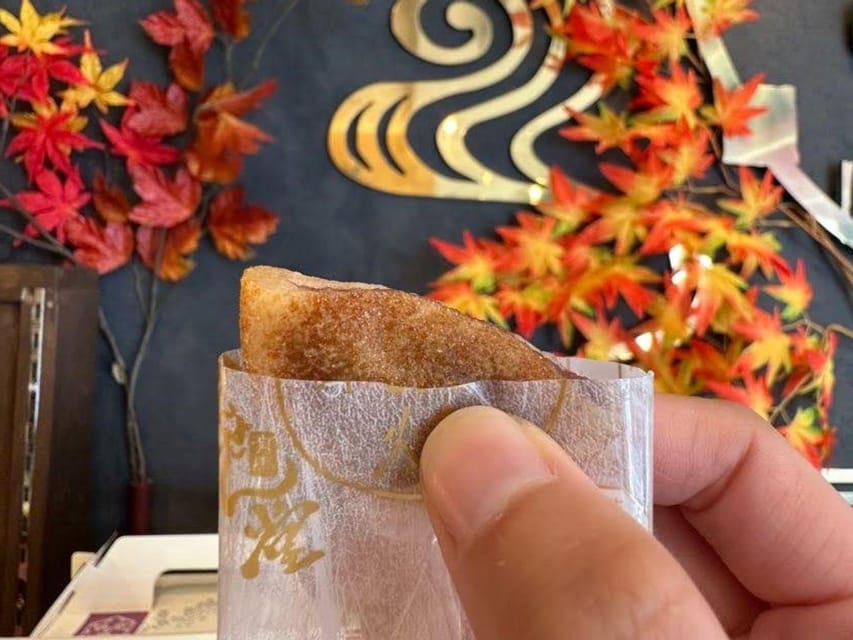
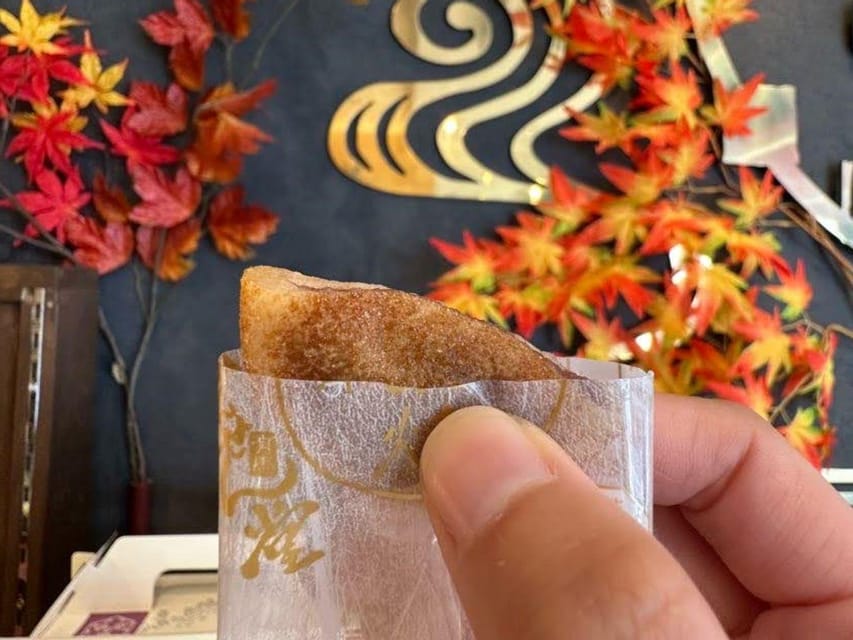
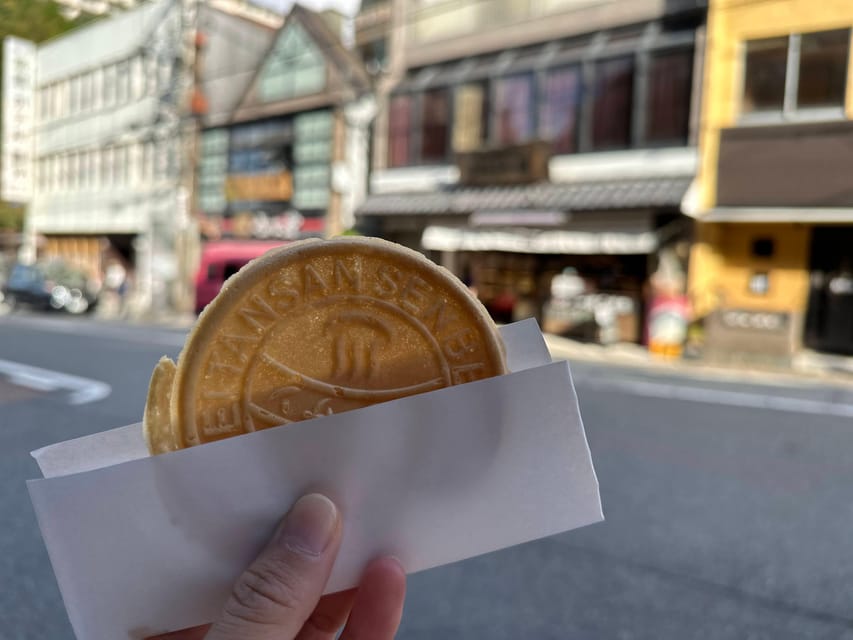
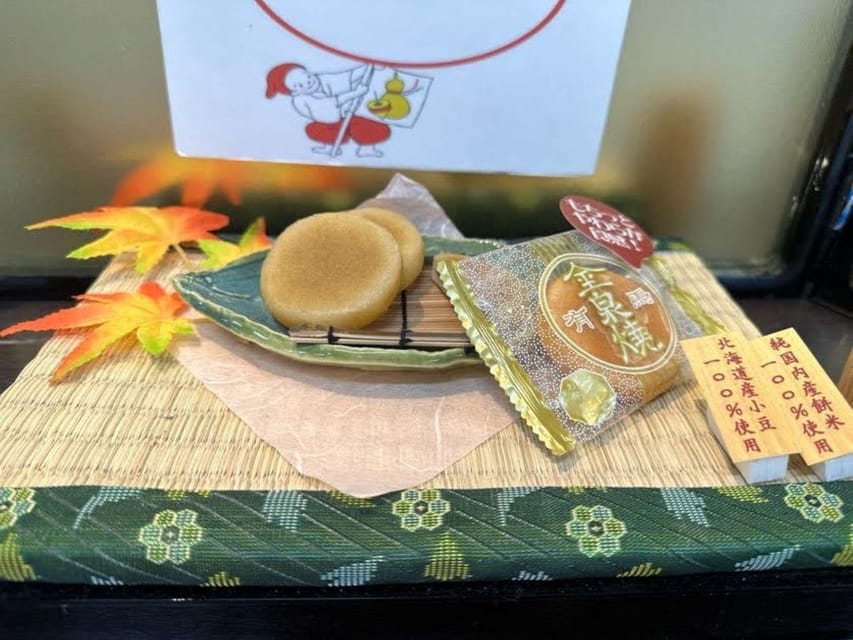
The early part of the route includes a local bakery and about 10 minutes for local snacks. The supplied details do not name a specific bakery item, so you should treat this as a chance to sample a small town specialty rather than expect a fixed pastry.
That uncertainty is part of the food tour’s character. Some guided tastings are built around one locked menu. Here, the stops may vary among local businesses, giving the guide room to match the route with what is available and what suits the group.
The bakery pause also helps you settle into Arima’s pace. This is not a race between restaurants. You begin with a small bite, look at the surrounding streets, and hear about the people who have passed through the town over the centuries.
If you have a very large appetite, keep your expectations in check. The bakery stop is listed as a local snack, not a full breakfast or meal. It is one part of a sequence that later includes two restaurant tastings.
A Short Hot Spring Break
The itinerary includes about 10 minutes at a hot spring stop. This is described as break time, not as a bathing session, so you should not expect admission to a bath or a full onsen visit as part of the tour.
Even a brief pause gives the walk a clear sense of place. Arima is not just a town with restaurants that happen to sit near hot water. Its food culture exists because people come here for the hot springs, stay for a while, and need places to eat, drink, and rest.
Your guide can connect that setting with the businesses you visit later. The value of this section is mainly context. If you want a full bath experience, you will need to arrange that separately and allow additional time beyond the two-hour food tour.
More places to soak around Japan:
- Osaka: Nara and Uji Day Trip with Deer Park and Hot Spring
★ 4.4 · 302 reviews - Kyoto: Traditional Concert at Townhouse or Bathhouse
★ 4.9 · 224 reviews - Tokyo: Mount Fuji 5th Station & Onsen Day Trip
★ 4.3 · 75 reviews - From Fukuoka: Mount Aso, Kurokawa Onsen, and Shrine Tour
★ 4.6 · 72 reviews
First Tasting: Beer, Street Food, or a Local Favorite
The first main tasting stop is chosen from a group of Arima eateries. Possible venues include SABOR, Arima Brewery, Takoyaki Shaleo, or a specialty karaage shop. The exact choice can change, so you should see the tour as a sampler of Arima’s food scene rather than a guaranteed menu.
At Arima Brewery, the focus may be craft beer made with mountain spring water. That offers a direct link between the local environment and the town’s modern food culture. If beer interests you, this can be one of the more distinctive options, though the included allowance is limited to ¥1500, so any extra order would be your responsibility.
At Takoyaki Shaleo, the stop may center on freshly cooked takoyaki. This is familiar Japanese street food, but it fits the route well: easy to share, quick to serve, and suited to a walking town where you may want a snack rather than a formal meal.
A karaage shop offers another style, with crisp fried chicken and a more substantial bite. SABOR may provide a different regional or restaurant-style choice. Since the venue is not fixed, ask your guide what is available and how the included allowance works before ordering additional items.
The guide’s help is particularly useful here. You can ask about ingredients, portion sizes, and the best way to order. For people who do not read Japanese menus, that assistance may be worth as much as the food itself.
Walking the Wooden Streets Around the Hot Springs
After the first stop, you continue through the district around the hot springs. The route passes wooden storefronts, stone-paved lanes, and small shops that give Arima its old-town feel.
I like this middle section because it keeps the food connected to the town. You are given time to look around instead of being rushed straight into the next restaurant. The guide points out local sights and explains how hospitality works in a place that has served bath-seekers for generations.
Do not expect a long historical lecture. The tour is only two hours, and its main purpose is food. You get a practical introduction to Arima’s heritage, with stories that help explain why the streets look and feel the way they do.
This is also the best time to ask for recommendations. If you plan to stay longer, your guide can point you toward foods or places that fit your tastes. The included information specifically mentions help with local recommendations, so use that opportunity before the tour ends.
Second Tasting: Compare Arima’s Compact Food Scene
The second restaurant stop gives the experience its useful comparison. You may taste another style of takoyaki, karaage, or a hearty regional specialty, depending on the selected venue.
That contrast matters. One snack can be memorable, but two stops help you see that Arima’s food scene is not limited to one famous dish. You can compare a quick street-food bite with a richer regional choice, or match a savory food with a drink from a local brewery.
Another ¥1500 is included for this restaurant stop. Together, the two allowances provide ¥3000 of tasting value per person. At a price of $77, the tour is not a bargain meal if you judge it only by the quantity of food. You are also paying for a private guide, interpretation, route planning, ordering help, and the local context that connects each stop.
The value is strongest if you want an introduction rather than a long dinner. If you already know Arima well, speak Japanese comfortably, and are happy choosing your own restaurants, you may prefer to spend the $77 on food and drinks directly. If the town is new to you, the guide reduces guesswork and helps you use a short visit well.
What the Two-Hour Length Means
Two hours is enough for a focused introduction, but the schedule is compact. The bakery snack, hot spring break, two restaurant stops, and walking commentary all share the same short window.
You should not expect long meals or extended time at every shop. The experience works best when you arrive ready to keep moving and sample modest portions. It is ideal before or after another activity, especially if you want to explore Arima’s streets without giving up half a day.
The short length can also be an advantage. A full food tour may feel tiring if you are fitting Arima into a larger Kobe itinerary. This one gives you a clear taste of the town and leaves time for your own bath, shopping, or sightseeing afterward.
Food allergies are a stated restriction, and the tour is not suitable for people with food allergies. That is important because the tasting locations and dishes may vary. If you have dietary concerns, do not assume the guide or restaurants can safely adapt the menu.
The tour is also not suitable for wheelchair users. The narrow streets and walking route make accessibility a serious planning issue, not a minor inconvenience.
Who Will Get the Most From This Tour
I would recommend this experience to you if you want three things at once: a local guide, a little history, and several small food experiences. It suits first-time visitors to Arima who want help understanding the town without committing to a long guided program.
It also works well for people who enjoy trying regional food but do not want to choose restaurants at random. The guide can explain what you are eating and help with ordering, which takes pressure off if menus are difficult to read.
The private format is useful for couples, families with older children, or small groups with different interests. You can ask questions at your own pace and make the food conversation as central as you like.
I would be more cautious about booking if you want a large, elaborate meal. The food allowances are fixed, the route is short, and the stops may focus on snacks or modest portions. Think of this as a guided tasting walk, not a dinner replacement.
The small amount of public feedback available is positive. A verified booking from Kristin in Germany praised the guide’s kindness and the amount of explanation and sightseeing included. That fits the design of the experience: the guide is there not only to hand you food, but to help you understand what you are seeing.
Booking, Cancellation, and Practical Details
The price is $77 per person. The package includes an English-speaking guide, two food stops, and ¥1500 at each restaurant, along with ordering help and local recommendations.
You can cancel up to 24 hours before the tour for a full refund. The reserve-now, pay-later option lets you hold a place without paying on the day you book, which is useful if your Kobe plans are still changing.
The exact starting times depend on availability. Since the meeting point is fixed at Arima Onsen Station, check the departure time carefully and plan your transportation separately.
Bring comfortable walking shoes and arrive with room for small tastings. If you want to bathe at Arima, shop, or eat a larger meal, treat those as separate plans rather than expecting the two-hour tour to cover them.
Should You Book the Arima Culinary Stroll?
Book it if you want a friendly, compact introduction to Arima Onsen with real food stops and a private guide. The strongest reasons are the two included tasting allowances, the help with ordering, and the way the walk explains the link between hot springs and local eating.
Skip it if you need wheelchair access, have food allergies, or want a long restaurant meal with a fixed menu. Also skip it if you already know Arima well and feel comfortable choosing eateries on your own.
For a first visit from Kobe, I see this as a useful way to get oriented. You leave with a few local flavors, a better sense of the old streets, and practical ideas for what to do next. That is a fair return from a short tour, as long as you treat it as an introduction rather than the entire Arima experience.
FAQ
Where does the Arima food tour meet?
Meet your guide in front of the ticket gate at Arima Onsen Station. The guide will hold a yellow sign with the DeepExperience logo.
How long does the tour last?
The tour lasts two hours. Check availability for the specific starting times offered on your chosen date.
What food is included?
The experience includes two restaurant stops, with ¥1500 included at each restaurant. Depending on the venue, you may try craft beer, takoyaki, karaage, street snacks, or a regional specialty. A local bakery snack is also included in the walking itinerary.
Is transportation to Arima Onsen Station included?
No. Transportation to the meeting point is not included, so you must arrange your own way to Arima Onsen Station.
What languages are available?
The live tour guide service is available in English or Japanese.
Can I cancel the booking?
Yes. You can cancel up to 24 hours in advance for a full refund. The tour also offers a reserve-now, pay-later booking option.
New places to soak around Japan
- Private Car Day Trip to the Kobe Mountains, Gardens and Hot Springs from Osaka★ 4.5 · 16 reviews
- Solaniwa Onsen: Osaka Bay Tower★ 5.0 · 4 reviews
- Kobe Night View Mt Rokko Kitano Ijinkan Arima Onsen Day Trip★ 5.0 · 5 reviews
- Osaka: Nara, Todaiji, Uji Matcha, and Hot Spring Tour★ 4.0 · 7 reviews
- Deluxe Private Tour: Hita, AOT Statues and Onsen from Fukuoka★ 5.0 · 4 reviews
- Hot Spring Capital of Yufuin Rickshaw Tour★ 5.0 · 32 reviews
- Osaka River Rapids Hike and Natural Hot Spring tour★ 5.0 · 2 reviews
- Personalized Private Guided Tour from Myoko Kogen★ 5.0 · 2 reviews
Japanese Onsen Tours: more water worth the trip.
Bangkok: All-Day Pass to Yunomori Sathorn Onsen Bath and Spa
Read our review →
From Fukuoka: Mount Aso, Kurokawa Onsen, and Shrine Tour
Read our review →
Snow Monkey & Shibu Onsen Afternoon Tour (Depart: Iiyama & Nozwa)
Read our review →
Bangkok: Yunomori Sukhumvit Onsen Hot Springs Spa Pass
Read our review →Lists this soak appears on