
Review · JAPAN
Kyushu: Aso Vocano, Grassland,Onsen and Aso shrine 1-Day Tour
A live volcanic crater is the star here. At Mount Aso’s Nakadake Crater, you may see steam rising from an active volcanic basin, then spend time among the broad grasslands of Kusasenri. That combination gives you Kyushu scenery you cannot find in Fukuoka itself.
I like the practical route, which links the volcano, a major Shinto shrine, and a traditional hot-spring village in one long day. I also like the guide support, especially since reaching Aso independently can be complicated. The main caution is the pace: ten hours includes a long round trip from Fukuoka, and guide commentary may be stronger in Mandarin than English on some departures.
Key points at a glance
- Live volcanic power: Visit Nakadake Crater, where steam and chemical warnings can affect access.
- One-hour Kusasenri stop: Walk or take in the wide-open Aso grasslands beneath volcanic peaks.
- Aso Shrine’s ancient setting: See a Shinto site with a tradition reaching back 2,500 years.
- Kurokawa relaxation: Allow about 90 minutes for the mountain hot-spring village, with an additional fee of about $10.
- Multilingual guiding: English, Mandarin, and Japanese may be used, but the balance can vary by guide and group.
- Seasonal change: From August 5 through September 30, Kurokawa Onsen is replaced by Dazaifu Tenmangu because of hot weather.
Why this Aso day trip is worth the long ride
At $72.26 per person, this is a strong value if you want to see Aso without arranging several regional trains and local connections. The price covers an air-conditioned vehicle, pickup and return to the designated Fukuoka meeting point, a multilingual guide, and admission connected with Aso Volcano.
You still need to budget for food and drinks, the Aso Volcano Museum at $6, and the Kurokawa Onsen entry at about $10 per person. The fee details for the onsen are a little inconsistent in the tour information, so I would plan to pay the $10 rather than count on admission being included.
The real value is transport. Aso is not a quick side trip from Hakata, and the route includes several places that are spread across the volcanic area. A guided vehicle saves you from piecing together the day and gives you a better chance of reaching the crater during an open period.
The trade-off is time. You meet at 8:00 in front of the Lawson Fukuoka Oriental Hotel at 4-23 Hakataekichugai, then return to the same area after roughly ten hours. You should think of this as a full regional outing, not a relaxed half-day excursion.
More Hot Spring Day Trips in Japan
- From Osaka: Himeji Castle, Arima Onsen & Mt. Rokko Day Tour
★ 4.6 · 339 reviews - Osaka: Nara and Uji Day Trip with Deer Park and Hot Spring
★ 4.4 · 302 reviews - Tokyo: Mount Fuji 5th Station & Onsen Day Trip
★ 4.3 · 75 reviews
Meeting the guide in Fukuoka at 8:00
Arrive at least 15 minutes early. The guide carries a yellow flag marked with the Gogoday logo, and you need to give the name used for the booking. Late arrivals and no-shows do not receive a refund, so this is not a morning to cut things close.
The meeting point is near public transportation, which makes it fairly practical if you are staying around Hakata Station. The vehicle is air-conditioned, an important detail for the long drive and for the possible heat around Aso.
This is described as a private activity for your group, but the guide may still lead a multilingual departure. English, Mandarin, and Japanese have all been used, and the exact balance depends on the guide and the people joining that day.
Several guides have received especially warm praise for their energy and care. Sun has been described as funny and easy to speak with, while Lina has guided in Chinese, English, and Japanese. Emy and Helen have also been singled out for an upbeat manner and clear explanations.
Still, you should set realistic expectations about language. Some English-speaking customers received limited commentary while most of the explanation was in Mandarin or Korean. If detailed English guiding is central to your plans, confirm the language arrangement before booking.
Nakadake Crater, where access depends on the volcano
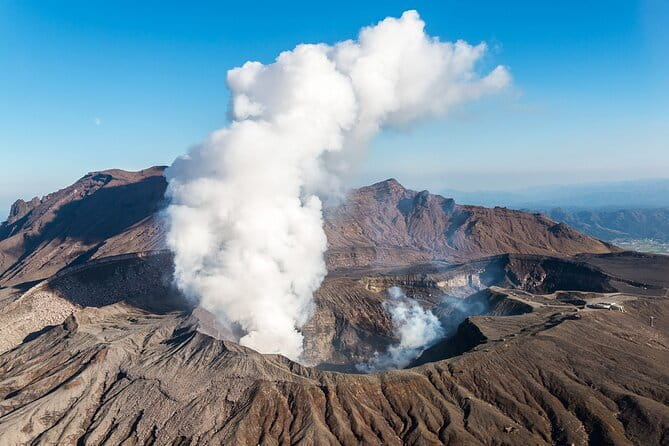
The first major stop is Mount Aso Nakadake Crater, with about 20 minutes listed for the visit. This is the most dramatic stop, but it is also the least predictable.
Aso is an active volcanic area. You may see steam rising from the crater, and warning bells or no-entry notices can appear when gas levels rise. This is not a flaw in the outing. It is part of visiting a live volcano, but you need to accept that the view cannot be guaranteed.
Some departures have reached the crater after a brief opening window. Other times, access has been restricted from the start. If the crater is closed, the Aso Thousand-mile Grassland stop is extended to 90 minutes. That gives you more time in the open country, but it does not replace seeing the crater itself.
The tour includes admission to the Aso Volcano area. The Volcano Museum costs an additional $6 if you choose to visit it. With only about 20 minutes assigned to the crater stop, do not expect a long museum visit and an extended crater walk in the same window.
Bring warm layers even if Fukuoka feels mild. One account describes very cold conditions at Aso and recommends a beanie, gloves, jacket, and sturdy boots. The exact weather varies, but mountain conditions can feel very different from the city.
Kusasenri Grassland and the broad Aso view
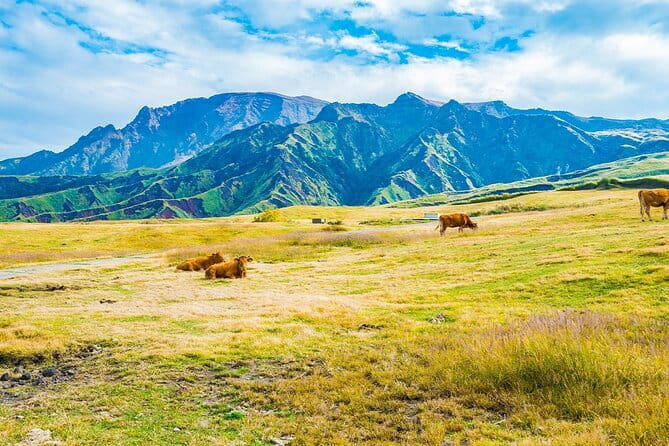
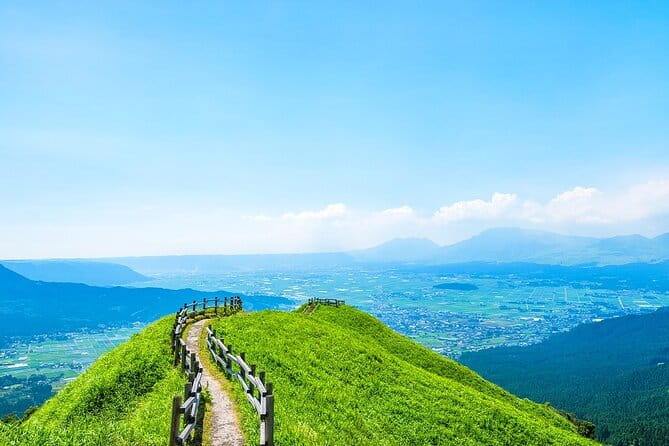
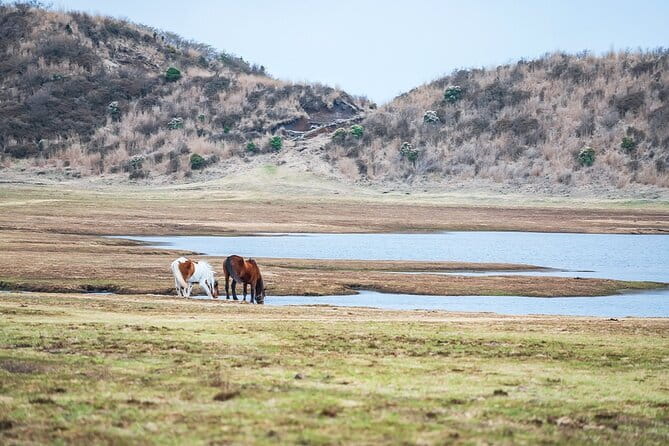
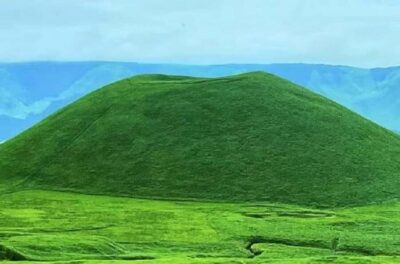
Kusasenri offers the day’s widest sense of space. You get about one hour here, among open green fields with volcanic peaks around them. It is a good counterpoint to the crater because the volcano feels less like a hazard and more like the force that shaped the whole area.
I like this stop because it gives you time to slow down. The crater visit is brief and governed by safety notices, while Kusasenri allows a more flexible look at the countryside. You can take photographs, walk a little, and simply watch the changing weather over the high ground.
The word grassland matters here. This is not a manicured city park or a small shrine garden. It is broad, exposed country, and the appeal comes from the scale. On a clear day, the volcanic peaks give the view a strong sense of shape. In poor weather, clouds can cover the hills and make the scene feel more spare.
The stop can become the main outdoor portion of the day if Nakadake closes. When access is denied, the grassland time is extended to 90 minutes. That makes comfortable shoes useful, even though the schedule does not promise a long hike.
More Japanese Onsen Tours in Japan:
- From Tokyo: Private Tour to Fuji/Hakone – Onsen, Art, Nature
★ 5.0 · 116 reviews - Mt. Fuji, Hakone Private Tour from Tokyo – Onsen, Arts and Nature
★ 5.0 · 79 reviews - From Fukuoka: Mount Aso, Kurokawa Onsen, and Shrine Tour
★ 4.6 · 72 reviews - Private Nagano 1-Day Tour:Snow Monkeys,Zenko-ji,Obuse,Sake,Onsen
★ 5.0 · 71 reviews
Aso Shrine and 2,500 years of tradition
The visit to Aso Shrine lasts about 30 minutes. Located in Aso City on the northern side of Mount Aso, it gives the day a needed cultural turn after the volcano and grassland.
Aso Shrine is regarded as the head shrine of the many Aso shrines in Japan, with a tradition reaching back 2,500 years. You will not have hours to study every detail, but the short stop lets you see an important religious site rather than treating Aso as scenery alone.
Thirty minutes is enough for a focused visit, though it will feel brief if you prefer to read every sign or linger quietly. I would use the time to see the main shrine area, notice the design and ritual setting, and listen to the guide’s explanation.
This stop also breaks up the outdoor portions of the route. After the exposed volcanic country, a shrine visit offers a different mood and a clearer connection to local tradition. It is one reason this trip feels more rounded than a simple volcano transfer.
Kurokawa Onsen, the quiet finish
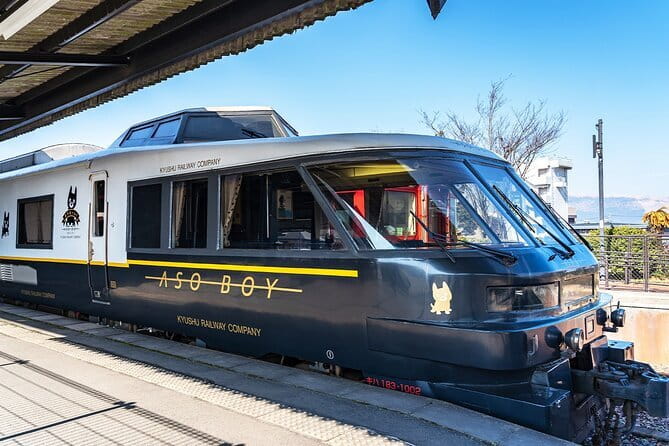
The final scheduled stop is Kurokawa Onsen, with about 90 minutes to relax. This traditional mountain hot-spring village is meant to be the calm ending after the long drive and active sightseeing.
The entry charge is listed at about $10 per person and should be treated as an extra. Food and drinks are also not included, so bring money if you want refreshments.
Tattoo rules matter here. A small tattoo, roughly smaller than the size of a palm, can be covered with skin-colored adhesive plasters for entry. The information does not promise access for larger tattoos, so you should check the policy if that applies to you.
Ninety minutes is a useful amount of time for an onsen visit, but it is not a full spa day. You will need to change, bathe, and return to the vehicle within the allotted period. If you have never used a Japanese hot spring, remember that bathing is done without swimwear and that washing before entering the bath is part of the custom.
There is an important seasonal change. From August 5 through September 30, Kurokawa Onsen is replaced by Dazaifu Tenmangu Shrine because of the hot weather. If the onsen is the reason you are booking, check the date carefully. The replacement creates a more cultural day, but it is not an equivalent experience.
What the multilingual format means for you
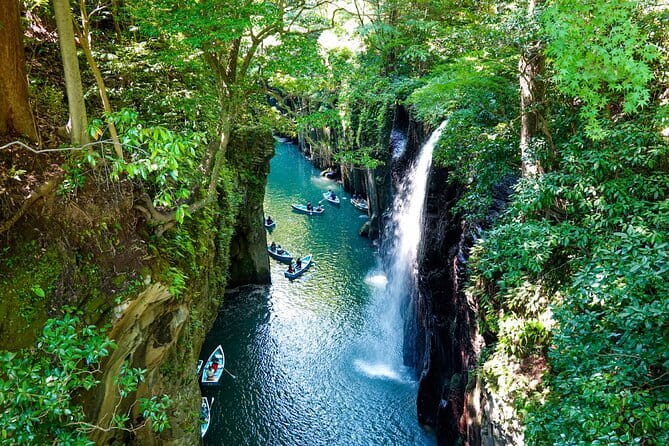
The guide is one of the tour’s greatest practical strengths, but the language setup deserves careful thought. Guides such as Sun and Lina have used several languages, including English, Mandarin, and Japanese. That can make the outing accessible to mixed-language groups.
At the same time, the commentary may not be evenly divided. Some English-speaking customers found that most of the spoken information was in another language, with little English explanation. This does not affect the scenery or transport, but it can change the quality of the cultural side of the day.
I would book this comfortably if you mainly want transportation, timing help, and basic guidance at each stop. I would be more cautious if you want a detailed English lecture throughout the journey. Ask about the expected guide language before paying, especially if the volcano and shrine explanations are central to your plans.
Good guides also help with timing. One guide was praised for avoiding crowds and bad weather, while another made the day easier through friendly, clear support. Since Aso conditions can change quickly, a guide who watches the schedule is useful.
Weather, safety, and what to pack
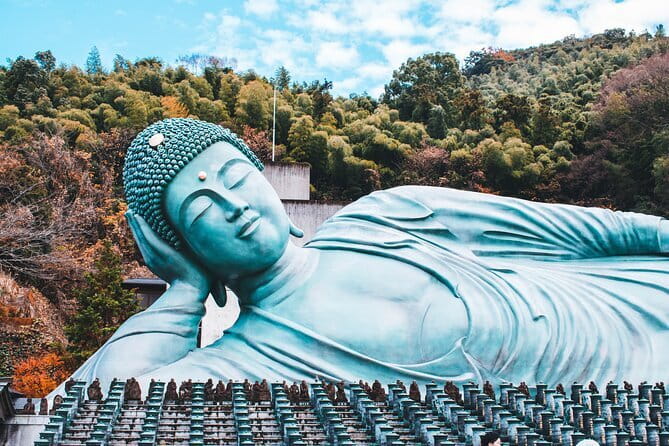
The volcano decides the day. Aso may issue a no-entry notice, and chemical levels can trigger warning bells or close access. Follow the guide’s instructions and do not treat a restricted crater area as a place to negotiate.
Pack layers. Aso can be cold even when Fukuoka is warm, and one account specifically recommends a beanie, gloves, jacket, and boots. Comfortable shoes are sensible for Kusasenri, though the supplied schedule does not describe a demanding hike.
The trip also runs in hot weather. That is why the operator replaces Kurokawa Onsen with Dazaifu Tenmangu from August 5 through September 30. Check the actual schedule for your date before you book, since this changes the final stop and the feel of the whole day.
Food and drinks are not included. The supplied details do not specify a meal stop, so bring water and something to eat if you do not want to rely on finding food during the route. This is especially useful on a ten-hour day with several fixed stops.
Who should book this Aso outing
I would recommend it to you if you have limited time in Kyushu and want one organized day covering nature, religion, and bathing. It suits first-time visitors who would rather not solve Aso’s transport connections on their own.
It is also a good fit for people who want a live volcano but understand that nature sets the rules. The crater might close, yet the extended Kusasenri stop still gives you time in the Aso countryside.
The tour is less suitable if you want a slow visit at each site. The crater gets about 20 minutes, the shrine 30 minutes, and the whole day includes a long return to Fukuoka. Independent visitors may prefer more freedom, especially at Kusasenri and Kurokawa.
Language is another deciding point. Multilingual support can work well, particularly with guides such as Lina, Sun, Emy, or Helen, but English commentary is not guaranteed to receive the largest share of the guide’s time.
Free cancellation is available if you cancel at least 24 hours before the local start time. Changes or cancellations inside that window are not accepted for a refund.
Should you book it?
Book this tour if you want maximum coverage with minimum transport planning. For $72.26, the vehicle, guide, and access to the Aso area make the price sensible, especially when you add the cost and effort of reaching the mountain independently.
Book with caution if your priorities are a guaranteed crater view, an English-only guide, or a long soak at Kurokawa. Volcano access can close, the language balance can vary, and summer dates replace the onsen with Dazaifu Tenmangu.
For most first visits from Fukuoka, I like the mix. You get Aso’s raw volcanic setting, a broad hour in Kusasenri, a major shrine, and either a hot spring or another important religious site. Just arrive early, pack for cold mountain weather, carry money for extras, and check the final stop before you commit.
FAQ
Where does the tour start and finish?
The tour starts at 8:00 am at 4-23 Hakataekichugai, Hakata Ward, Fukuoka, near the Lawson Fukuoka Oriental Hotel. It returns to the same meeting point at the end of the day.
How long does the experience last?
The tour lasts about ten hours, including transport between Fukuoka and the Aso area.
Is admission to Aso Volcano included?
Yes. Admission to Aso Volcano is included. Admission to the Aso Volcano Museum is separate and costs $6 per person.
Is Kurokawa Onsen included?
The listed onsen entry fee is about $10 per person and should be budgeted as an extra. Food and drinks are also not included.
What happens if the Aso crater is closed?
If Aso Volcano issues a no-entry notice, the Aso Thousand-mile Grassland stop is extended to 90 minutes.
Is Kurokawa Onsen available all year on this tour?
No. From August 5 through September 30, Kurokawa Onsen is replaced by Dazaifu Tenmangu Shrine because of the hot weather.
What happens if I arrive late?
The guide carries a yellow flag with the Gogoday logo at the meeting point. You should arrive 15 minutes early, since late arrivals and no-shows are not eligible for a refund.
New places to soak around Japan
- Solaniwa Onsen: Osaka Bay Tower★ 5.0 · 4 reviews
- Private Car Day Trip to the Kobe Mountains, Gardens and Hot Springs from Osaka★ 4.5 · 16 reviews
- Kobe Night View Mt Rokko Kitano Ijinkan Arima Onsen Day Trip★ 5.0 · 5 reviews
- Osaka: Nara, Todaiji, Uji Matcha, and Hot Spring Tour★ 4.0 · 7 reviews
- Deluxe Private Tour: Hita, AOT Statues and Onsen from Fukuoka★ 5.0 · 4 reviews
- Hot Spring Capital of Yufuin Rickshaw Tour★ 5.0 · 32 reviews
- Osaka River Rapids Hike and Natural Hot Spring tour★ 5.0 · 2 reviews
- Personalized Private Guided Tour from Myoko Kogen★ 5.0 · 2 reviews
Japanese Onsen Tours: more water worth the trip.
Bangkok: All-Day Pass to Yunomori Sathorn Onsen Bath and Spa
Read our review →
From Fukuoka: Mount Aso, Kurokawa Onsen, and Shrine Tour
Read our review →
Snow Monkey & Shibu Onsen Afternoon Tour (Depart: Iiyama & Nozwa)
Read our review →
Bangkok: Yunomori Sukhumvit Onsen Hot Springs Spa Pass
Read our review →Lists this soak appears on