
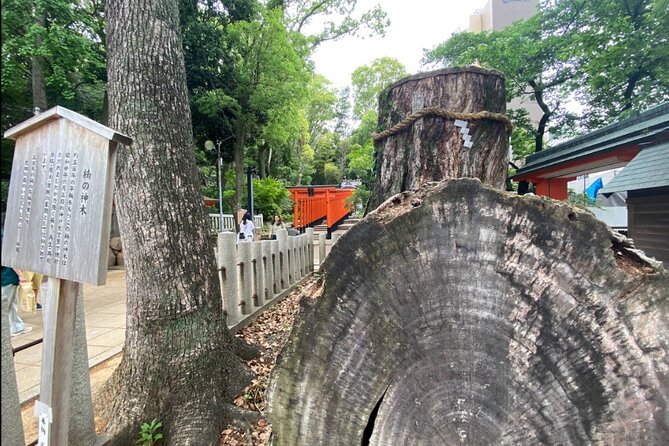
Review · JAPAN
Kobe Guided Tour Including Port Area and Arima Onsen Town
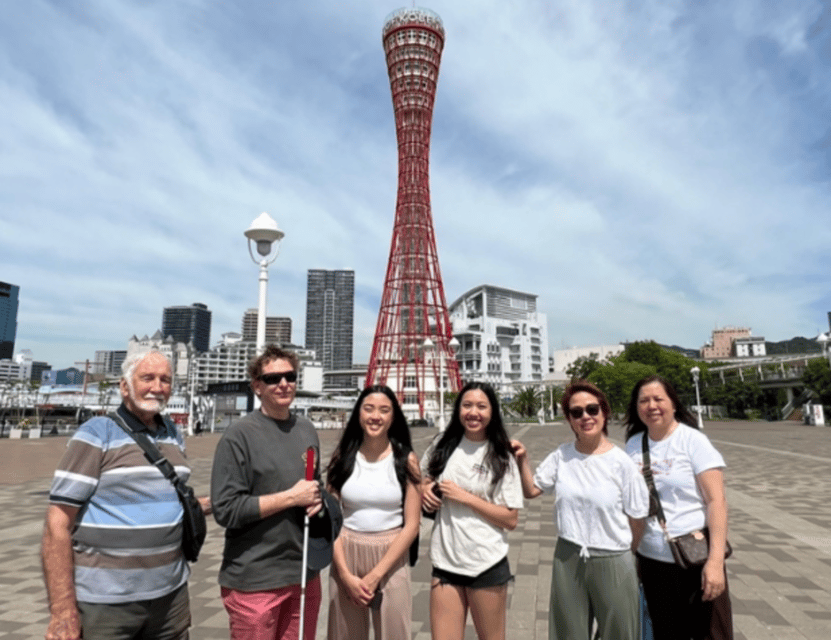
Kobe’s appeal is its sharp change of mood. In one four-hour outing, you can learn how its port shaped an international city, then reach the old-fashioned hot-spring town of Arima, where Japanese bathing customs and traditional streets offer a quieter counterpoint. Guide Yuta leads in English or Japanese and can adjust the conversation to your questions.
I like the port-to-onsen contrast and the chance to learn ordinary Japanese manners rather than just collect viewpoints. I also like the modest price of $57, which includes a gift for each participant. The main catch is that transportation and meals are extra, so your final cost will be higher.
Key points
- JR Motomachi meeting point: Meet near the East Exit ticket gates, not at the nearby Hankyu station.
- Two sides of Kobe: Connect the city’s port history with the traditional hot-spring setting of Arima.
- Guide Yuta: Expect clear English, Japanese language support, and plenty of room for questions.
- Onsen customs: Learn how authentic Japanese bathing works, including the no-bare-feet rule.
- Four-hour format: A compact choice for fitting Kobe into a short stay or cruise stop.
- Extra costs: Bring cash for transport, food, confectionery, and any onsen-related expense.
From Kobe’s Port to Arima’s Hot Springs
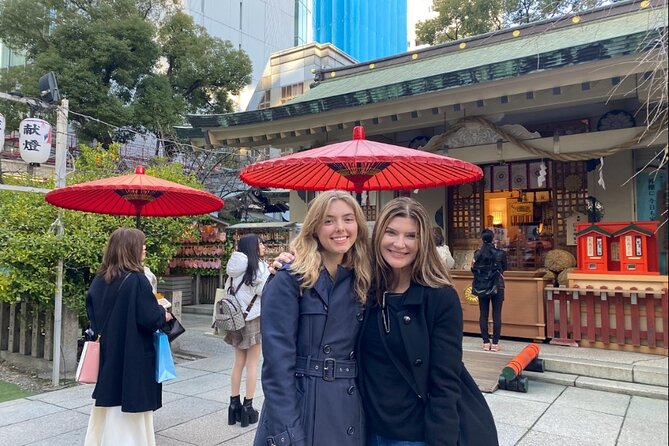
This tour works because Kobe offers two very different experiences within the same area. The city grew as a port where imports, trade, and international residents helped shape local life. Arima Onsen, on the other hand, gives you a look at older Japanese customs and the calm rhythm of a hot-spring town beyond the city.
You begin at JR Motomachi Station, a useful central meeting point. The instructions matter here: use the JR station, not the Hankyu line, and head to the East Exit after passing through the ticket gates. You will meet near the gates, then return to the same place when the activity ends.
That simple arrangement is helpful if you are new to Kobe. You do not need to work out a meeting location in an unfamiliar neighborhood, and the return to the same spot makes it easier to continue your own sightseeing afterward. Still, allow enough time to find the correct railway station. Kobe has several lines and similarly named stops, so arriving late can create avoidable stress.
The tour lasts about four hours. That is long enough for a broad introduction, but not long enough for an exhaustive tour of every famous Kobe sight. Think of it as a guided sampler: the value comes from connecting the port, local customs, and Arima’s hot-spring culture rather than spending a long time at one museum or monument.
More Japanese Onsen Tours in Japan:
- From Osaka: Himeji Castle, Arima Onsen & Mt. Rokko Day Tour
★ 4.6 · 339 reviews - From Tokyo: Private Tour to Fuji/Hakone – Onsen, Art, Nature
★ 5.0 · 116 reviews - Mt. Fuji, Hakone Private Tour from Tokyo – Onsen, Arts and Nature
★ 5.0 · 79 reviews
Reading Kobe Through Its Port
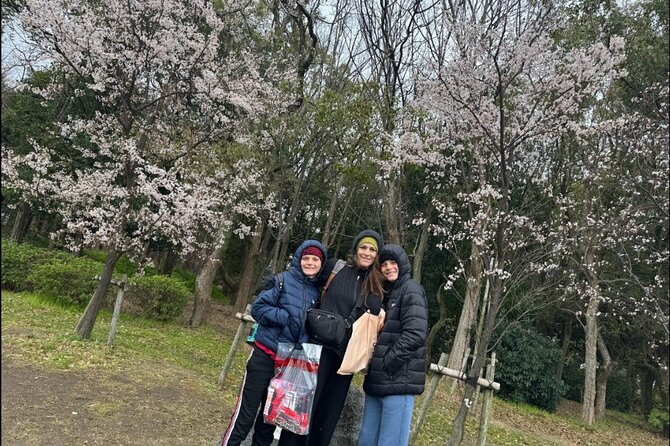
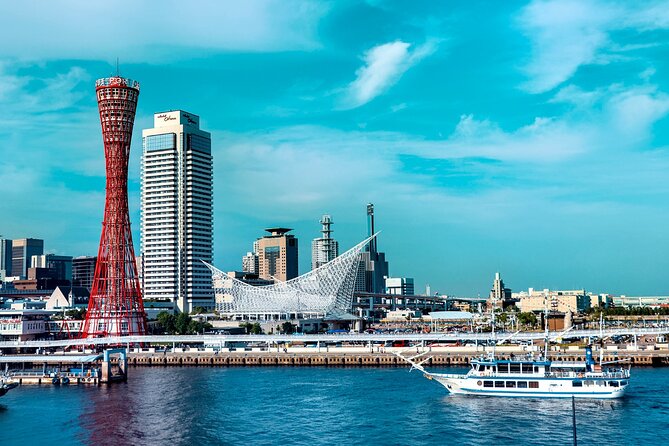
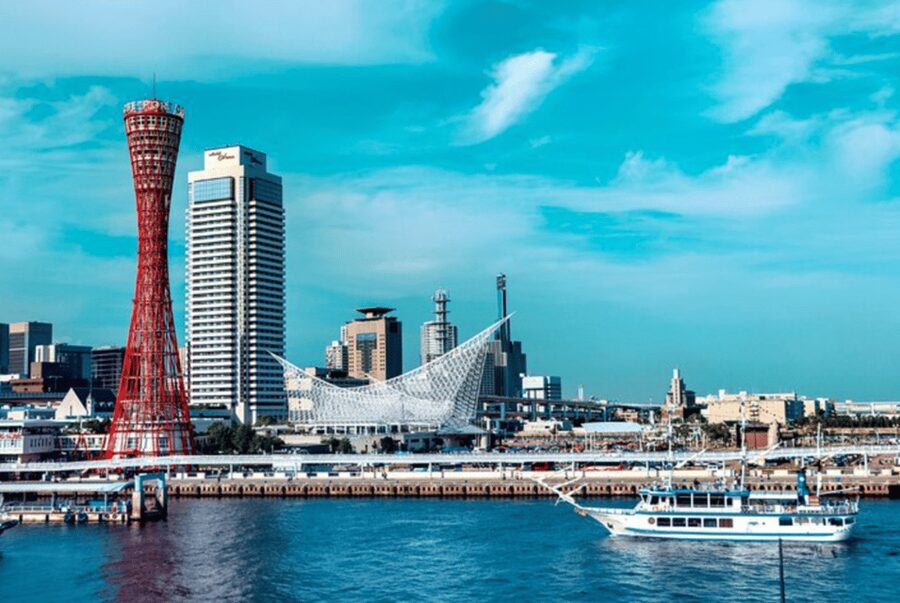
Kobe is best understood as a place shaped by movement. Ships brought goods, visitors, and new ideas. International residents also developed their own communities and customs, giving the city a cultural mix that feels different from many inland Japanese cities.
Your guide can explain this background while showing you around the port area. The supplied itinerary does not name every stop or promise a particular museum, building, or waterfront viewpoint, so you should not book this expecting a fixed checklist of landmark interiors. Instead, expect a walking introduction to the city’s port identity and the way trade affected its culture.
That open style can be a real advantage. You can ask about the history that interests you, the way Kobe differs from other Japanese cities, or the customs you have noticed elsewhere in Japan. Guide Yuta is specifically praised for communicating clearly in English and for welcoming questions on many subjects. That makes this a better fit for curious visitors than for people who only want a fast march from one photo stop to the next.
I also like the cultural angle. A port is not just a place to admire water and ships. It explains why food, architecture, language, and social habits may feel more outward-looking here. The tour aims to connect those dots for you, which adds meaning to the places you see.
The limitation is detail. Because the public information does not give a stop-by-stop route, you cannot compare this experience against a tour promising a named museum, a particular market, or a specific observation deck. If one landmark is essential to your Kobe plans, ask before booking if it is included.
Crossing to Arima Onsen Town
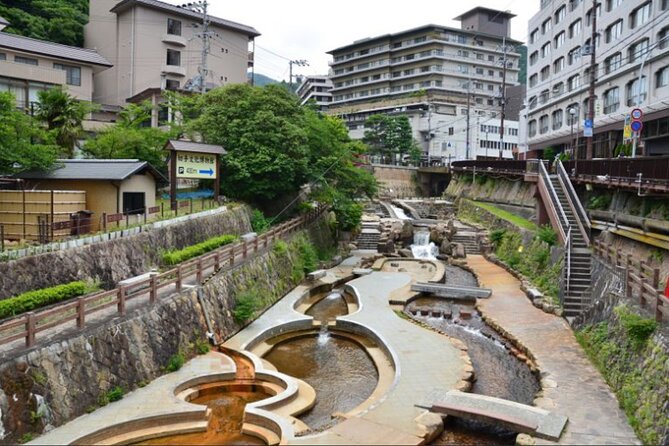
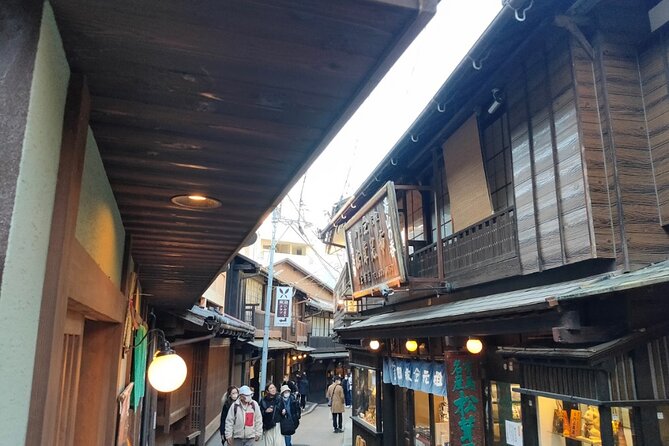
The tour then shifts toward Arima Onsen, a traditional hot-spring town on the other side of the Rokko mountain area. The change is the central pleasure of the experience. You move from Kobe’s port culture to a place associated with relaxation, local customs, and older Japanese traditions.
Arima is not presented simply as a place to take a bath. It is also a setting where you can learn how onsen culture works. Your guide can explain Japanese manners and help you understand what is expected before entering a communal bathing space.
The rule that bare feet are not allowed is especially important. Bring comfortable shoes and comfortable clothes, and be ready to follow the customs explained during the tour. You should also carry cash, since meals, transportation, and likely small purchases are not included in the $57 price.
The information does not confirm that an onsen admission fee is included, so budget separately for any bathing cost. It also does not specify how long you will spend in the water or name a particular bathhouse. If soaking is your main reason for booking, confirm the bathing arrangements before you pay. The tour clearly includes an introduction to authentic onsen culture, but the exact bathing plan is not fully described.
Even without a long soak, Arima gives the tour a useful second act. You are not only looking at city sights. You are learning how a Japanese leisure tradition fits into daily life, and that kind of context can make later onsen visits much less awkward.
Japanese Food, Sweets, and Small Local Details
Food is part of the experience, but it comes at your own cost. The tour introduces Japanese cuisine and confectionery, giving you a chance to try local-style tastes rather than treating food as an afterthought. The description does not name a restaurant, menu, dish, or sweet, so keep your expectations flexible.
That uncertainty is worth noting, but it also leaves room for a more personal outing. You can ask Yuta about what you are eating, how it is served, and what makes a particular confectionery item local or seasonal. The guide’s role is especially useful when a menu or food custom is unfamiliar.
Plan to bring cash. Meal costs are not included, and transportation fares are separate as well. The $57 fee covers the guiding service and a gift for each participant, not your full spending during the day.
I see the food element as a modest extra rather than the main reason to book. If you want a dedicated food tour with a long list of tastings, this is probably not the right format. If you want food to help explain Japanese culture while moving through Kobe and Arima, it fits better.
Guided soaking days around Japan:
- Guide tour of Japanese bathing culture at Funaoka Onsen
★ 5.0 · 15 reviews - Samurai Guide Sho’s Mt. Takao Hike, Temple & Onsen from Shinjuku
★ 5.0 · 9 reviews - Kobe Guided Tour Including Port Area and Arima Onsen Town
★ 4.5 · 5 reviews - Onsen Spa in Tokyo and Asakusa Bar Hopping with Local Guide
★ 5.0 · 3 reviews
What Guide Yuta Adds
A local guide can make a short tour feel either useful or rushed. Here, Yuta’s strongest feature is his communication. He speaks English and Japanese, and the available feedback specifically praises his clear English and his willingness to explain topics beyond a narrow script.
That matters in Kobe because the experience covers several layers at once: port trade, international influence, Japanese manners, onsen customs, food, and the contrast between city and hot-spring town. You will get more from those subjects if you can ask a follow-up question instead of simply listening to memorized facts.
There is also a practical side to Yuta’s role. One participant arrived late after making a mistake with the trains, and Yuta helped locate the group and went looking for them. That does not mean late arrival is safe or recommended. It does show that he pays attention to people, not just the clock.
The personal approach seems to be the heart of this outing. It is described as friendly and personalized, which suggests a better fit for people who enjoy conversation and local explanation. If you prefer to remain anonymous in a large group or move at your own pace, a guided four-hour route may feel restrictive.
The group size is not provided, so you should not assume a private tour or a small group. Ask if that matters to you. The clearest promise is language support and personal guidance, not a guaranteed group format.
Is $57 a Fair Price?
At $57 per person, the tour sits in a reasonable range for a four-hour guided introduction, especially if you value a local English-speaking guide. You are paying for planning, orientation, cultural explanation, and help connecting two very different parts of Kobe. A small gift is included for each participant.
The price looks less attractive if you count only physical attractions. Transportation is not included. Meals are not included. Any onsen admission or other personal spending should also be treated as extra unless the provider confirms otherwise.
I would judge the value by your priorities. If you are comfortable arranging rail travel, port sightseeing, and Arima Onsen on your own, you could spend less and stay longer at the places you choose. But independent planning requires time, route decisions, and some understanding of Japanese etiquette.
For a first visit, the guide’s local context may justify the fee. You get a ready-made connection between Kobe’s port identity and Arima’s traditional setting, plus someone who can answer questions along the way. That is useful on a short stay, particularly when you want more than a list of names and photographs.
The cost also makes sense for visitors who are nervous about onsen customs. Having someone explain what to do can remove much of the uncertainty. Just confirm whether bathing itself is included, and keep cash ready for anything not covered.
Who Will Get the Most From This Tour?
I would recommend this outing to a first-time Kobe visitor who wants a broad introduction rather than a specialist tour. It also suits people who enjoy asking questions, learning social customs, and trying local food without needing a formal tasting itinerary.
It is a practical choice if you have only part of a day in Kobe. The four-hour schedule gives you a taste of the port and Arima without requiring you to plan every transfer. The return to JR Motomachi also gives you a clear end point for the rest of your day.
English speakers should find the tour accessible, based on the guide’s stated language ability and clear communication. Japanese speakers can also join, and the activity is offered in both English and Japanese.
You may want another option if you need a tightly fixed itinerary with named attractions. The route description is broad, and exact stops are not listed. It may also be a poor match if you are ill, have a cold, or are over 95, since the activity is not suitable in those cases.
Comfortable footwear is essential. You may be walking through city and traditional-town areas, and the instructions specifically ask for comfortable shoes and clothes. Bare feet are not permitted, so pack or wear something suitable for the onsen setting.
Practical Details Before You Reserve
Book with the right meeting point in mind. You need JR Motomachi Station, not a Hankyu station with a similar name. After exiting, go to the East Exit and meet near the ticket gates.
The activity begins and ends at the same meeting point. That is convenient, but it also means you should plan your onward route from JR Motomachi rather than assuming you will finish near Arima.
Transportation fares are extra, and food costs are extra. Bring cash, even if you normally rely on cards. A comfortable outfit and shoes will make the four-hour outing easier.
The tour can be reserved now and paid for later, which helps if your schedule is still shifting. You can cancel up to 24 hours in advance for a full refund. Those terms are useful for a changing Japan itinerary, but check the booking conditions at the time you reserve.
The published rating is 5 from three reviews, a small sample. I would treat that as encouraging rather than final proof. The strongest repeated themes are friendliness, personal attention, and clear communication, all of which matter greatly on a short local tour.
Should You Book the Kobe Port and Arima Tour?
Book it if you want a friendly local introduction to Kobe’s port culture and Arima’s hot-spring customs, and you value explanation over a rigid landmark checklist. Guide Yuta’s clear English, personal approach, and willingness to help with practical problems are strong reasons to consider it.
Skip it if you want a food-focused tour, a detailed museum itinerary, or a fully inclusive price. You will need to pay separately for transport and meals, and the exact route and bathing arrangements are not specified.
For the right visitor, $57 is a fair fee for a compact cultural introduction. Bring cash, wear comfortable shoes, use the correct JR station entrance, and confirm the onsen details before booking. That preparation will let you focus on the best part of the day: seeing how Kobe’s outward-looking port culture changes into the quieter traditions of Arima.
FAQ
How long is the Kobe guided tour?
The activity lasts about four hours.
Where does the tour start?
It starts at JR Motomachi Station. You should go to the East Exit and meet near the ticket gates.
Is the meeting point at a Hankyu station?
No. The meeting point is at JR Motomachi Station, not the Hankyu line station.
Where does the tour end?
The activity ends back at the meeting point at JR Motomachi Station.
What languages are available?
The tour is offered in English and Japanese.
Are transportation fares included?
No. You must pay transportation fares separately.
Is food included in the price?
No. Meal costs are not included.
What should I bring?
Bring comfortable shoes, comfortable clothes, and cash.
Can I cancel for a full refund?
Yes. You can cancel up to 24 hours in advance for a full refund.
New places to soak around Japan
- Private Car Day Trip to the Kobe Mountains, Gardens and Hot Springs from Osaka★ 4.5 · 16 reviews
- Solaniwa Onsen: Osaka Bay Tower★ 5.0 · 4 reviews
- Kobe Night View Mt Rokko Kitano Ijinkan Arima Onsen Day Trip★ 5.0 · 5 reviews
- Osaka: Nara, Todaiji, Uji Matcha, and Hot Spring Tour★ 4.0 · 7 reviews
- Deluxe Private Tour: Hita, AOT Statues and Onsen from Fukuoka★ 5.0 · 4 reviews
- Hot Spring Capital of Yufuin Rickshaw Tour★ 5.0 · 32 reviews
- Osaka River Rapids Hike and Natural Hot Spring tour★ 5.0 · 2 reviews
- Personalized Private Guided Tour from Myoko Kogen★ 5.0 · 2 reviews
Japanese Onsen Tours: more water worth the trip.

Bangkok: All-Day Pass to Yunomori Sathorn Onsen Bath and Spa
Read our review →
From Fukuoka: Mount Aso, Kurokawa Onsen, and Shrine Tour
Read our review →
Snow Monkey & Shibu Onsen Afternoon Tour (Depart: Iiyama & Nozwa)
Read our review →
Bangkok: Yunomori Sukhumvit Onsen Hot Springs Spa Pass
Read our review →Lists this soak appears on